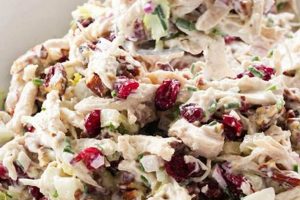
A delicate and flavorful combination of shredded or diced cooked chicken, mayonnaise, and often celery, onion, and seasonings, served as a filling between thin slices of bread, typically white, shaped into small, elongated rectangles ideal for appetizers or light meals. Variations incorporate grapes, nuts, dried cranberries, or different herbs and spices, offering a wide range of flavor profiles.
These small sandwiches are a popular choice for catering events, picnics, and tea parties due to their convenient size and portability. Their customizable nature allows for adaptations to dietary needs and preferences, with options for gluten-free bread, dairy-free mayonnaise, or the inclusion of specific ingredients to elevate nutritional value. Historically, such preparations have served as a practical way to utilize leftover cooked chicken, evolving into a beloved culinary staple.
This discussion will explore various aspects of crafting these delectable sandwiches, including selecting appropriate ingredients, achieving optimal texture and flavor balance, and presenting them aesthetically. Further topics will encompass variations on the classic preparation, tips for storage and serving, and suggestions for complementary accompaniments.
Tips for Crafting Exquisite Chicken Salad Finger Sandwiches
Achieving optimal flavor and texture requires attention to detail throughout the preparation process. These tips offer guidance for creating exceptional sandwiches.
Tip 1: Chicken Selection and Preparation: Using high-quality cooked chicken, whether roasted, poached, or baked, contributes significantly to the overall flavor. Avoid pre-shredded chicken, as it often lacks texture. Dicing or shredding the chicken by hand allows for control over size and consistency.
Tip 2: Mayonnaise Matters: The mayonnaise serves as the binding agent and contributes richness. Experimenting with different types, such as olive oil-based or flavored mayonnaises, can enhance the flavor profile. Start with a smaller quantity and add more as needed to achieve the desired consistency.
Tip 3: Balancing Flavors: Freshly chopped celery and onion provide a crisp counterpoint to the richness of the chicken and mayonnaise. Adding a touch of acidity, such as lemon juice or a splash of apple cider vinegar, brightens the overall flavor.
Tip 4: Seasoning with Finesse: Seasoning beyond salt and pepper can elevate the flavor profile. Consider incorporating herbs like dill, chives, or tarragon. A dash of paprika or a pinch of cayenne pepper can add subtle complexity.
Tip 5: Bread Selection and Preparation: Thinly sliced white bread is traditional, but other options like whole wheat, multigrain, or even croissants can be used. Removing the crusts creates a more refined presentation. Lightly toasting the bread prevents the filling from making the sandwiches soggy.
Tip 6: Assembly and Presentation: Spread a thin layer of filling evenly on one slice of bread and top with another. Cut the sandwiches into small rectangles or triangles. For an elegant touch, garnish with fresh herbs or a sprinkle of paprika.
Tip 7: Chilling and Serving: Chilling the sandwiches for at least 30 minutes allows the flavors to meld and the bread to absorb some of the moisture from the filling. Serve chilled on a platter garnished with lettuce or other greens.
By following these tips, one can consistently produce chicken salad finger sandwiches that are both delicious and visually appealing. Attention to detail in each step, from ingredient selection to presentation, ensures a delightful culinary experience.
This comprehensive approach provides a strong foundation for crafting impeccable sandwiches. The following section will explore variations on this classic recipe, expanding possibilities for customization and culinary exploration.
1. Ingredients

Ingredient selection significantly impacts the final flavor, texture, and overall quality of chicken salad finger sandwiches. Careful consideration of each component ensures a balanced and enjoyable culinary experience. The following facets explore key ingredient categories and their contributions to a successful recipe.
- Chicken
The foundation of these sandwiches lies in the quality of the chicken. While rotisserie chicken offers convenience, using freshly cooked and diced or shredded chicken allows for greater control over flavor and texture. Options include poaching, baking, or grilling the chicken, each imparting a unique nuance. The chicken should be cooked thoroughly but remain moist and tender.
- Binding Agent
Mayonnaise typically serves as the binding agent, holding the ingredients together and contributing richness and creaminess. Variations include Greek yogurt for a lighter option, or a combination of mayonnaise and sour cream for added tang. The quantity of binding agent affects the final consistency of the salad, ranging from creamy to chunky.
- Aromatics and Vegetables
Celery and onion are common additions, providing a contrasting crispness and subtle sharpness. Finely dicing these vegetables ensures even distribution throughout the salad and prevents overwhelming the other flavors. Other vegetables, such as bell peppers or finely diced carrots, can introduce additional textures and flavors.
- Seasonings and Flavor Enhancers
Salt and pepper are foundational seasonings, but exploring other options expands the complexity of the flavor profile. Fresh herbs like dill, chives, or parsley contribute brightness. A touch of Dijon mustard adds tanginess, while a pinch of paprika or cayenne pepper introduces subtle heat. Lemon juice or vinegar can balance the richness of the mayonnaise.
The interplay of these ingredient categories determines the overall character of the chicken salad. Balancing the richness of the chicken and mayonnaise with the crispness of vegetables and the complexity of seasonings creates a harmonious and flavorful filling for the delicate finger sandwiches. Consideration of these elements ensures a satisfying and enjoyable dining experience.
2. Preparation
Preparation methods significantly influence the final quality, texture, and flavor profile of chicken salad finger sandwiches. Precise execution of each step ensures a cohesive and enjoyable culinary experience. The following facets explore crucial preparation stages and their impact on the overall outcome.
- Chicken Handling
Proper handling of the chicken is paramount. After cooking, allowing the chicken to cool completely prevents the mayonnaise from separating and ensures food safety. Dicing or shredding the chicken to a consistent size creates a uniform texture and allows the flavors of other ingredients to permeate the meat effectively. Over-processing can result in a dry, stringy texture, while excessively large pieces can disrupt the sandwich’s delicate balance.
- Ingredient Incorporation
The order in which ingredients are incorporated impacts the final consistency and flavor distribution. Combining the mayonnaise with the seasonings and flavor enhancers before adding the chicken and vegetables allows the flavors to meld thoroughly. Gently folding the ingredients together prevents overmixing, which can lead to a dense and less appealing salad. This methodical approach ensures that each bite contains a balanced blend of flavors.
- Chilling and Resting
Chilling the prepared chicken salad allows the flavors to meld and the ingredients to harmonize. A resting period of at least 30 minutes in the refrigerator allows the flavors to deepen and the salad to firm up slightly, making it easier to spread on the bread. This chilling process also enhances food safety by maintaining a safe temperature.
- Bread Preparation
Proper bread preparation is crucial for preventing soggy sandwiches. Lightly toasting the bread slices creates a barrier against moisture from the filling. Trimming the crusts provides a refined aesthetic and consistent size for elegant presentation. These seemingly small steps enhance both the visual appeal and the textural enjoyment of the sandwiches.
These preparatory steps, though seemingly simple, contribute significantly to the overall success of the chicken salad finger sandwich recipe. Attention to detail in each stage, from chicken handling to bread preparation, culminates in a final product that is both aesthetically pleasing and palate-satisfying. Proper preparation elevates the recipe from a basic combination of ingredients to a refined culinary creation.
3. Proportions

Proportions play a crucial role in determining the overall balance and palatability of a chicken salad finger sandwich recipe. The ratio of chicken to binding agent, vegetables, and seasonings directly impacts the final flavor, texture, and perceived richness. A successful recipe relies on a harmonious interplay of these components, where no single element overwhelms the others. For example, an excessive amount of mayonnaise can result in a cloying texture, while too little may lead to a dry and crumbly salad. Similarly, an overabundance of celery or onion can create an overpowering vegetal flavor, masking the delicate taste of the chicken and other seasonings. Careful consideration of proportions ensures that each ingredient contributes positively to the overall sensory experience.
Consider a classic chicken salad recipe. A balanced proportion might involve two cups of diced cooked chicken, one cup of mayonnaise, half a cup of finely diced celery, and a quarter cup of finely diced onion. This ratio provides a good starting point, allowing for adjustments based on personal preferences. Some individuals may prefer a chunkier salad with more chicken, while others might favor a creamier consistency with a higher mayonnaise content. Experimentation is key to finding the ideal balance, but a fundamental understanding of proportional relationships provides a solid foundation for recipe development and adaptation. One might also consider the effect of adding other ingredients, such as grapes or nuts, and how their inclusion necessitates adjustments to the core proportions to maintain overall balance.
Understanding the importance of proportions in a chicken salad finger sandwich recipe empowers culinary creativity and ensures a consistently delicious outcome. It allows for personalized adjustments while maintaining the integrity of the dish. Mastering proportional balance avoids common pitfalls, such as an overly dry, excessively creamy, or unbalanced flavor profile. This knowledge translates directly to practical application, enabling consistent replication of successful recipes and facilitating informed experimentation with new flavor combinations. The interplay of proportions ultimately dictates the sensory experience, transforming a simple combination of ingredients into a well-balanced and enjoyable culinary creation.
4. Presentation
Presentation elevates chicken salad finger sandwiches from simple fare to an elegant culinary offering. Visual appeal enhances the dining experience, stimulating appetite and creating a sense of occasion. Thoughtful presentation demonstrates care and attention to detail, transforming these small sandwiches into a memorable component of any meal or gathering. The following facets explore key elements of presentation and their impact on the overall perception of this classic dish.
- Arrangement and Platters
Arranging the sandwiches thoughtfully on a platter creates visual interest. A circular or rectangular platter provides a clean backdrop, allowing the sandwiches to take center stage. Consider arranging them in overlapping rows or a pinwheel pattern for a more dynamic presentation. Garnishing the platter with fresh herbs, lettuce leaves, or edible flowers adds a touch of elegance and color.
- Garnishes and Accoutrements
Garnishes enhance both the visual appeal and flavor profile of the sandwiches. A sprinkle of paprika, a sprig of fresh dill, or a few finely chopped chives add color and aromatic complexity. Consider serving the sandwiches with small accompaniments, such as cornichons, olives, or cherry tomatoes, to complement the flavors and provide textural contrast.
- Bread Shaping and Cutting
The shape and size of the sandwiches contribute to their aesthetic appeal. Traditional finger sandwiches are rectangular, but other shapes, such as triangles or small squares, offer variation. Using a sharp knife ensures clean cuts and prevents the bread from tearing. Uniformity in size and shape creates a professional and polished appearance.
- Serving Temperature and Timing
Serving the sandwiches chilled maintains their freshness and prevents the filling from becoming overly soft. Chilling also allows the flavors to meld and intensify. Timing is crucial, particularly for larger gatherings. Preparing the sandwiches too far in advance can lead to sogginess, while last-minute assembly can create unnecessary stress. Finding the optimal balance ensures that the sandwiches are served at their peak.
These elements of presentation, while seemingly minor, contribute significantly to the overall enjoyment of chicken salad finger sandwiches. Careful attention to arrangement, garnishes, bread shaping, and serving temperature elevates this classic dish from a simple snack to a refined culinary experience. Thoughtful presentation enhances the perceived value and creates a memorable impression, demonstrating care and attention to detail. These considerations transform a basic recipe into a visually appealing and palate-pleasing culinary creation.
5. Variations

The classic chicken salad finger sandwich recipe provides a versatile foundation for culinary exploration. Variations allow for customization, catering to individual preferences and dietary needs while expanding the range of flavors and textures. Exploring these variations offers opportunities to elevate this simple dish, transforming it into a unique and personalized culinary experience. The following facets explore common variations and their impact on the overall character of the sandwich.
- Fruit and Nut Inclusions
Incorporating fruits and nuts adds sweetness, texture, and complexity to the traditional recipe. Grapes, cranberries, apples, and walnuts are popular choices. The sweetness of the fruit complements the savory chicken and mayonnaise, while the nuts provide a satisfying crunch. These additions create a more dynamic flavor profile and offer textural contrast.
- Herb and Spice Profiles
Experimenting with different herbs and spices allows for a wide range of flavor profiles. Fresh herbs like dill, tarragon, or chives add brightness and complexity. Spices such as curry powder, cumin, or smoked paprika introduce deeper, more nuanced flavors. These additions can transform the character of the sandwich, offering a departure from the traditional flavor profile.
- Bread and Base Alternatives
While traditional recipes utilize white bread, exploring alternative bread options expands culinary possibilities. Whole wheat, multigrain, rye, or even croissants can add different textures and flavors. Substituting lettuce wraps for bread caters to gluten-free diets and offers a lighter, more refreshing alternative.
- Mayonnaise Substitutions
Substituting or supplementing mayonnaise with other binding agents can alter the texture and richness of the filling. Greek yogurt offers a lighter, tangier alternative, while avocado provides a creamy, healthier option. These substitutions can cater to dietary restrictions or simply offer a different flavor experience.
These variations demonstrate the adaptability of the chicken salad finger sandwich recipe. By incorporating different ingredients and exploring alternative preparations, one can create a wide array of flavor profiles and textures, catering to diverse palates and dietary needs. These modifications transform a classic dish into a canvas for culinary creativity, allowing for personalized interpretations and unique flavor combinations. The possibilities are vast, limited only by imagination and a willingness to experiment.
Frequently Asked Questions
This section addresses common inquiries regarding the preparation and enjoyment of chicken salad finger sandwiches, offering practical guidance and clarifying potential points of confusion.
Question 1: What is the best way to prevent soggy sandwiches?
Lightly toasting the bread before spreading the filling creates a barrier against moisture. Additionally, ensuring the chicken salad is not overly wet and chilling the assembled sandwiches helps maintain their structural integrity.
Question 2: How long can chicken salad be stored safely?
Prepared chicken salad should be stored in an airtight container in the refrigerator for no more than three to five days. Consume within two days for optimal quality.
Question 3: Can these sandwiches be made ahead of time for a party?
Yes, the chicken salad filling can be prepared a day in advance. Assemble the sandwiches as close to serving time as possible to prevent sogginess. Store the filling and bread separately until ready to assemble.
Question 4: What are suitable accompaniments for chicken salad finger sandwiches?
These sandwiches pair well with light sides such as fresh fruit salad, potato chips, or a simple green salad. Consider complementary flavors and textures when selecting accompaniments.
Question 5: Can different types of chicken be used?
Various cooked chicken options, including roasted, poached, baked, or grilled chicken, can be utilized. Avoid using pre-shredded chicken, as it often lacks texture. The chosen cooking method will subtly influence the final flavor profile.
Question 6: How can one adjust the recipe for dietary restrictions?
Dietary adaptations are readily achievable. Gluten-free bread caters to gluten sensitivities. Greek yogurt or avocado can replace mayonnaise for dairy-free or lower-fat options. Adjustments to ingredients like nuts or grapes can accommodate specific allergies or preferences.
These responses offer practical solutions and address common concerns, ensuring successful preparation and enjoyment of this versatile dish. Understanding these aspects allows for greater confidence in adapting the recipe to individual needs and preferences.
The next section will offer concluding thoughts and summarize key takeaways for crafting and enjoying delicious chicken salad finger sandwiches.
Chicken Salad Finger Sandwich Recipe
Exploration of this classic recipe reveals its adaptability and enduring appeal. From ingredient selection and preparation techniques to presentation and variations, each facet contributes to the final product. Emphasis on quality ingredients, balanced proportions, and meticulous preparation ensures optimal flavor and texture. Consideration of presentation elevates these small sandwiches, transforming them into an elegant culinary offering. The versatility of the recipe allows for endless customization, accommodating diverse palates and dietary preferences.
The enduring popularity of the chicken salad finger sandwich underscores its timeless appeal. Culinary experimentation with variations offers opportunities to revitalize this classic, ensuring its continued presence in culinary traditions. Attention to detail in every stage, from ingredient selection to presentation, unlocks the full potential of this versatile and beloved recipe. This exploration provides a comprehensive understanding of the art of crafting exceptional chicken salad finger sandwiches, encouraging both appreciation and culinary creativity.