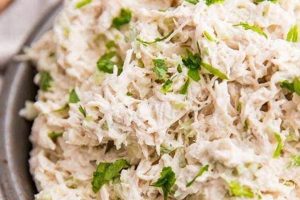
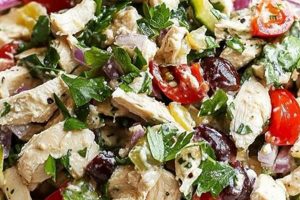
A superior, simple preparation of this dish involves minimal ingredients and straightforward steps, resulting in a flavorful and convenient meal. For instance, cooked chicken combined with mayonnaise, celery, onion, and seasonings can exemplify this concept.
Quick and satisfying meals are highly valued in today’s fast-paced world. A readily available protein source like chicken, paired with common pantry staples, makes this type of dish an economical and convenient option. Historically, variations of chicken salad have been enjoyed for generations, adapting to available ingredients and cultural preferences. Its enduring popularity speaks to its versatility and adaptability.
This article will explore various approaches to creating a satisfying and effortless version of this classic dish, covering ingredient selection, preparation techniques, and serving suggestions.
Tips for an Exceptional Chicken Salad
Creating a delicious and effortless chicken salad involves attention to detail and a few key techniques. The following tips offer guidance for achieving optimal results.
Tip 1: Utilize high-quality chicken. Whether using rotisserie chicken, leftover baked chicken, or poached chicken breast, the quality of the chicken significantly impacts the final flavor.
Tip 2: Mindful chopping enhances texture. Uniformly sized pieces of chicken and other ingredients ensure a pleasant mouthfeel and even distribution of flavors. Over-chopping can result in a mushy texture.
Tip 3: Balance the mayonnaise. Mayonnaise serves as the binder and adds richness. Start with a modest amount and add more as needed to achieve the desired consistency. Greek yogurt can be incorporated for a lighter alternative.
Tip 4: Seasoning elevates the flavor profile. Freshly ground black pepper, salt, and a touch of paprika are classic choices. Experiment with herbs like dill, tarragon, or chives for a nuanced flavor.
Tip 5: Embrace textural variety. Add chopped celery, red onion, or grapes for a satisfying crunch. Nuts such as pecans or walnuts contribute richness and textural contrast.
Tip 6: Chill for optimal flavor development. Allowing the salad to chill in the refrigerator for at least 30 minutes allows the flavors to meld and the salad to firm up.
Tip 7: Explore diverse serving options. Chicken salad is versatile and can be enjoyed in sandwiches, wraps, on crackers, or as a salad topping.
By following these tips, one can create a chicken salad that is both simple to prepare and bursting with flavor.
These techniques provide a foundation for crafting a personalized version of this classic dish, adaptable to individual preferences and dietary needs. The following section will offer variations and serving suggestions to further enhance culinary exploration.
1. High-quality Chicken
The foundation of a truly exceptional, simple chicken salad rests upon the selection of premium chicken. The chicken’s quality directly impacts the overall flavor, texture, and enjoyment of the final dish. This section explores the significance of high-quality chicken in achieving a superior result.
- Flavor Enhancement
Chicken contributes significantly to the overall taste profile. High-quality chicken possesses a richer, more robust flavor that elevates the other ingredients, requiring less reliance on heavy seasonings or additions. Freshly roasted or poached chicken, for instance, offers a clean taste compared to pre-packaged, processed options, allowing the subtle nuances of herbs and spices to shine through.
- Textural Integrity
Tender, moist chicken is essential for a pleasant culinary experience. High-quality chicken maintains its texture throughout preparation, resulting in a satisfying mouthfeel. Overly processed or improperly cooked chicken can become dry, stringy, or mushy, detracting from the final product. Properly cooked and chilled chicken breast, for example, provides a desirable firmness that complements the creaminess of the mayonnaise or other binding agents.
- Nutritional Value
Chicken serves as a valuable source of protein. Choosing high-quality chicken ensures a higher concentration of nutrients with fewer additives or preservatives. Organic or free-range options offer potential benefits regarding animal welfare and environmental sustainability, further enhancing the overall value of the meal.
- Overall Culinary Impact
Investing in high-quality chicken demonstrates a commitment to excellence. This choice elevates a simple dish to a more refined level, transforming a basic meal into a culinary delight. Using premium chicken demonstrates an attention to detail that is reflected in the overall quality of the chicken salad, whether for a casual lunch or a more formal gathering.
By prioritizing high-quality chicken, one ensures a more flavorful, texturally pleasing, and nutritionally valuable chicken salad. This seemingly simple choice significantly influences the final outcome, contributing to a dish that truly exemplifies “best easy.” Ultimately, selecting superior chicken lays the groundwork for a culinary experience that surpasses expectations, showcasing how simple ingredients, when thoughtfully chosen, can yield extraordinary results.
2. Simple Ingredients
The hallmark of a truly easy chicken salad recipe lies in its simplicity. Utilizing readily available, common ingredients contributes significantly to both the ease of preparation and the overall accessibility of the dish. This section explores the critical connection between simple ingredients and a superior, effortless chicken salad.
- Accessibility and Affordability
Recipes featuring readily available ingredients eliminate the need for specialized grocery shopping or costly, hard-to-find items. Common pantry staples like mayonnaise, celery, onion, and seasonings are typically sufficient to create a delicious chicken salad. This accessibility ensures that the recipe remains convenient and budget-friendly, appealing to a wider range of individuals.
- Reduced Preparation Time
Simple ingredients translate to less preparation time. Pre-chopped vegetables or rotisserie chicken, for example, can further streamline the process. Minimizing the number of ingredients and opting for convenient options allows for a quick and efficient assembly of the salad, ideal for busy schedules or impromptu meals.
- Emphasis on Flavor Purity
With fewer ingredients, the inherent flavors of each component become more pronounced. High-quality chicken, fresh herbs, and simple seasonings combine to create a clean, balanced flavor profile. This minimalist approach allows the natural taste of the chicken and other ingredients to shine through, rather than being masked by complex sauces or excessive spices.
- Adaptability and Customization
A simple base recipe provides a blank canvas for culinary creativity. While core ingredients like chicken and mayonnaise remain constant, the addition of a few simple elementsgrapes, nuts, or different herbscan transform the flavor profile. This adaptability allows individuals to tailor the recipe to their specific preferences and dietary needs.
The selection of simple ingredients directly contributes to the ease and enjoyment of preparing a chicken salad. By focusing on accessible, readily available components, one can create a delicious and satisfying meal with minimal effort, ultimately demonstrating that culinary excellence does not require complexity. The focus on simplicity enhances the overall experience, making the recipe both user-friendly and consistently delicious.
3. Efficient Preparation

Efficiency in preparation is a cornerstone of a truly easy chicken salad recipe. Streamlined processes and time-saving techniques contribute significantly to the overall convenience and appeal of the dish, making it a practical choice for busy individuals or those seeking a quick, satisfying meal. This section explores the vital link between efficient preparation and the creation of a superior, effortless chicken salad.
- Strategic Ingredient Selection
Choosing ingredients that minimize preparation time is paramount. Utilizing pre-cooked chicken (rotisserie, pre-grilled, or leftover baked chicken) eliminates a significant step. Opting for pre-chopped vegetables or bagged salad mixes further streamlines the process. These strategic choices significantly reduce active preparation time, allowing for a quicker assembly of the final dish.
- Simplified Techniques
Employing simple cooking methods and avoiding overly complex procedures contributes to efficiency. Poaching or steaming chicken breasts, for example, is a straightforward cooking method that requires minimal attention. Similarly, using a food processor to chop vegetables can significantly expedite the process compared to hand-chopping. Emphasis on basic techniques ensures accessibility for cooks of all skill levels.
- Organized Mise en Place
Preparing all ingredientsmeasuring, chopping, and gathering necessary toolsbefore beginning assembly is a hallmark of efficient cooking. Having everything readily available eliminates delays and ensures a smooth, uninterrupted workflow. This organized approach reduces overall preparation time and minimizes potential errors or omissions.
- Multi-Tasking and Time Management
While the chicken chills, other tasks can be completed, such as chopping vegetables or preparing accompanying dishes. Effectively managing the various stages of preparation optimizes the overall timeframe. This overlapping of tasks ensures efficient use of time and contributes to a faster overall preparation process.
Efficient preparation techniques are integral to creating a chicken salad that truly embodies “best easy.” Streamlining the process, from ingredient selection to final assembly, maximizes convenience without sacrificing flavor or quality. By prioritizing efficiency, one can create a delicious and satisfying meal in minimal time, demonstrating that culinary excellence can be achieved through both simplicity and smart preparation strategies.
4. Balanced Flavors

A harmonious blend of flavors is paramount in achieving a superlative, simple chicken salad. Balance ensures that no single ingredient overwhelms the others, creating a cohesive and enjoyable culinary experience. This section explores the crucial role of balanced flavors in crafting a chicken salad that truly exemplifies “best easy.”
- Contrast and Complement
Balancing flavors involves creating a dynamic interplay between contrasting and complementary tastes. The richness of mayonnaise, for instance, is balanced by the bright acidity of lemon juice or vinegar. The savory notes of the chicken are enhanced by the subtle sweetness of dried cranberries or grapes. This interplay of contrasting elements adds depth and complexity to the overall flavor profile, preventing monotony and enhancing palatability.
- Seasoning Restraint
While seasonings enhance flavor, restraint is crucial in achieving balance. Over-seasoning can mask the delicate flavors of the chicken and other ingredients, resulting in a less nuanced and potentially overpowering taste. Judicious use of salt, pepper, and herbs allows the natural flavors of the ingredients to shine through while adding subtle complexity. A light touch with seasonings allows for greater appreciation of the individual components and contributes to a more refined overall flavor.
- Textural Considerations
Texture plays a role in perceived flavor balance. The creamy texture of mayonnaise or Greek yogurt, for example, contrasts with the crispness of celery or the crunch of nuts. This interplay of textures adds another dimension to the sensory experience, enhancing the perception of balanced flavors. Incorporating varied textures contributes to a more dynamic and satisfying culinary experience.
- Freshness and Quality of Ingredients
The quality of ingredients directly impacts the overall flavor balance. Fresh herbs, high-quality mayonnaise, and properly cooked chicken contribute to a cleaner, brighter flavor profile. Fresh ingredients possess a vibrancy that enhances the overall taste, requiring less reliance on heavy seasonings to achieve balance. Prioritizing fresh, high-quality ingredients allows the natural flavors to shine through, creating a more harmonious and enjoyable culinary experience.
Achieving a balanced flavor profile is essential for creating a chicken salad that is both easy to prepare and delightful to consume. By carefully considering the interplay of contrasting and complementary tastes, exercising restraint with seasonings, and prioritizing fresh, high-quality ingredients, one can create a dish that truly embodies “best easy.” This harmonious blend of flavors elevates the simple chicken salad to a level of culinary excellence, demonstrating that simplicity and sophistication can coexist beautifully in a single dish.
5. Versatile Serving
Versatility in serving options is a key characteristic of a truly “best easy chicken salad recipe.” This adaptability significantly enhances the practicality and appeal of the dish, making it suitable for a wider range of occasions and preferences. The connection between versatile serving and a superior, effortless chicken salad rests upon several key factors.
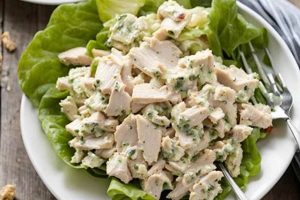
Adaptability to various serving formats expands the dish’s utility. Chicken salad functions effectively as a sandwich filling, a component in lettuce wraps, a topping for crackers or crostini, a stuffing for tomatoes or avocados, or as a standalone salad. This inherent flexibility allows adaptation to different meal contexts, from casual lunches to more formal gatherings. For instance, serving chicken salad in scooped-out avocado halves provides a visually appealing and nutritionally balanced light meal, while using it as a sandwich filling offers a more portable and convenient option for picnics or packed lunches. This versatility simplifies meal planning and caters to diverse dietary preferences or restrictions, such as gluten-free diets by utilizing lettuce wraps instead of bread.
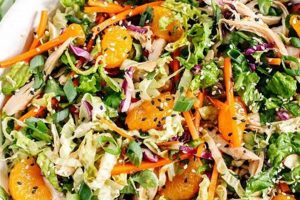
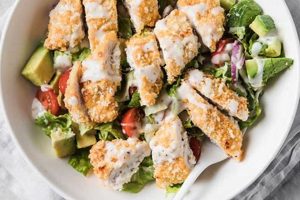
Furthermore, varied serving styles elevate perceived value. A simple chicken salad transformed into elegant appetizers or incorporated into a composed salad elevates the perception of the dish, moving beyond a basic meal to a more refined culinary experience. This adaptability allows the same base recipe to serve different purposes, maximizing its utility and minimizing the need for multiple, specialized recipes. The versatility of chicken salad contributes significantly to its value as a convenient and adaptable meal component. The ease with which it can be incorporated into various serving formats enhances its appeal for both casual and more formal dining occasions, solidifying its place as a practical and enjoyable culinary staple.
Frequently Asked Questions
This section addresses common inquiries regarding the creation of a superior, yet simple chicken salad.
Question 1: What type of chicken is best suited for chicken salad?
While various chicken types can be utilized, cooked chicken breast offers optimal texture and flavor. Rotisserie chicken provides convenience, while leftover baked or poached chicken presents an efficient way to utilize existing ingredients. Canned chicken, though less desirable, can be used in a pinch.
Question 2: How can one achieve a desirable balance of flavors?
Balancing flavors involves a nuanced approach. Acidity from lemon juice or vinegar complements the richness of mayonnaise. Fresh herbs provide brightness, while seasonings like salt, pepper, and paprika enhance the savory notes of the chicken. The sweetness of dried fruit or grapes can provide an additional layer of complexity.
Question 3: What are effective methods for preventing a watery chicken salad?
Excess moisture can result from several factors, including watery vegetables or over-processed chicken. Properly draining ingredients and utilizing chicken breast rather than canned chicken minimizes moisture content. Adding a small amount of Greek yogurt can also absorb excess liquid while contributing a creamy texture.
Question 4: How can the recipe be adapted for specific dietary needs?
Adaptability is a key feature of chicken salad. Substituting Greek yogurt for mayonnaise creates a lighter, lower-fat version. Gluten-free diets can be accommodated by utilizing lettuce wraps, gluten-free bread, or crackers. Specific allergies can be addressed by omitting or substituting ingredients accordingly.
Question 5: How long can chicken salad be stored safely?
Properly stored chicken salad can typically be refrigerated for 3-5 days. Ensure storage in an airtight container to maintain freshness and prevent bacterial growth. Always adhere to food safety guidelines regarding storage temperatures and duration.
Question 6: What are some creative serving suggestions beyond traditional sandwiches?
Chicken salad’s versatility extends beyond sandwiches. Consider serving it in lettuce cups, avocado halves, or on crackers or crostini. Incorporating it into a composed salad or utilizing it as a filling for baked potatoes or bell peppers offers additional creative options.
Understanding these aspects allows for a more informed approach to creating a truly exceptional, yet simple chicken salad. Addressing these common inquiries provides clarity and guidance for achieving culinary excellence with minimal effort.
The following section will provide a curated selection of recipe variations, showcasing the adaptability and potential of this classic dish.
Conclusion
Exploration of this culinary concept reveals that achieving a superior yet simple chicken salad hinges on a combination of factors. High-quality ingredients, efficient preparation techniques, and balanced flavor profiles are crucial components. The versatility of serving options further enhances the dish’s appeal, demonstrating adaptability to various meal contexts and dietary preferences. Prioritizing ingredient quality, mindful preparation, and balanced flavor combinations elevates a simple dish to a culinary experience that surpasses expectations.
Culinary exploration often involves a balance between simplicity and excellence. A well-executed chicken salad epitomizes this balance, demonstrating that accessible ingredients and straightforward techniques can yield remarkable results. The enduring popularity of this classic dish speaks to its adaptability and enduring appeal. Continued experimentation with flavors and serving styles promises further evolution and enjoyment of this versatile culinary staple.