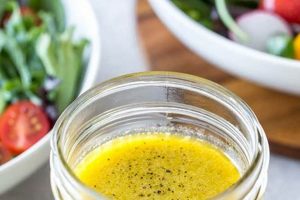
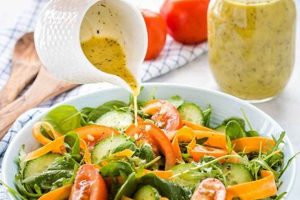
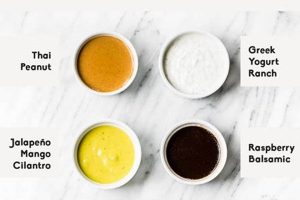
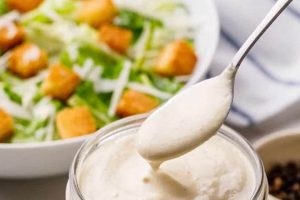
Emulsified dressings built on mayonnaise offer a creamy, rich foundation for a wide variety of flavors. A basic version typically incorporates mayonnaise, an acidic element such as vinegar or lemon juice, and seasonings. From this simple base, countless variations arise, incorporating ingredients like herbs, spices, cheeses, or other flavoring agents. For example, a classic ranch dressing utilizes mayonnaise, buttermilk, herbs, and garlic.
The versatility and ease of preparation contribute to the enduring popularity of these dressings. Mayonnaise provides a stable emulsion, readily accepting both oil- and water-based ingredients, allowing for complex flavor profiles. Historically, mayonnaise-based dressings gained prominence with the increased availability of commercially produced mayonnaise, offering home cooks a convenient shortcut to creating flavorful accompaniments for salads and other dishes. This convenience, coupled with the inherent richness and adaptable nature of mayonnaise, cemented its place as a staple in many kitchens.
The following sections will delve into specific formulations, exploring classic recipes, innovative variations, and techniques for achieving optimal texture and flavor. Nutritional information and suitable pairings for different types of salads will also be discussed.
Tips for Crafting Exceptional Mayonnaise-Based Dressings
Creating a delicious, well-balanced dressing involves attention to detail and an understanding of fundamental culinary principles. These tips offer guidance for achieving optimal results.
Tip 1: Emulsion Stability: Utilize high-quality mayonnaise for a stable emulsion. Avoid over-whisking or blending, which can cause the dressing to break. If separation occurs, slowly whisk in a small amount of warm water to re-emulsify.
Tip 2: Balancing Flavors: Achieve harmony by balancing richness with acidity. Lemon juice, vinegar, or buttermilk provide necessary tartness to cut through the richness of the mayonnaise.
Tip 3: Fresh Ingredients: Whenever possible, opt for fresh herbs and spices for the most vibrant flavors. Dried herbs can be used as substitutes, but adjust quantities accordingly, as dried herbs tend to be more potent.
Tip 4: Seasoning Incrementally: Add seasonings gradually, tasting after each addition. This allows for precise control over the final flavor profile and prevents over-seasoning.
Tip 5: Texture Considerations: Adjust the consistency to preference. For a thinner dressing, incorporate additional liquid, such as water, milk, or buttermilk. Greek yogurt can be added for a thicker, creamier texture.
Tip 6: Flavor Combinations: Explore diverse flavor profiles by incorporating ingredients such as roasted garlic, Dijon mustard, honey, or anchovy paste. Consider complementary flavor pairings, like blue cheese with walnuts or dill with lemon.
Tip 7: Chilling and Resting: Allowing the dressing to chill for at least 30 minutes before serving allows the flavors to meld and develop fully.
By following these guidelines, one can consistently produce flavorful and well-balanced dressings that enhance any salad or dish.
This exploration of techniques and flavor combinations provides a foundation for crafting exceptional mayonnaise-based dressings. The following section offers a selection of specific recipes to inspire culinary creativity.
1. Base Ingredient

Mayonnaise serves as the foundational element in mayonnaise-based salad dressings, contributing significantly to their characteristic texture, flavor, and stability. Its role extends beyond simply providing a creamy consistency; it acts as an emulsifier, binding together disparate ingredients such as oil and vinegar, which would otherwise separate. This emulsifying property is crucial for creating a homogenous and visually appealing dressing. The inherent richness of mayonnaise also contributes to the overall sensory experience, lending a luxurious mouthfeel and a subtle tangy flavor that complements a wide range of other ingredients.
The type of mayonnaise selected influences the final outcome. For example, a light mayonnaise results in a lighter dressing, while a full-fat mayonnaise yields a richer, more decadent result. Furthermore, the quality of the mayonnaise impacts the stability of the emulsion. Higher-quality mayonnaise, typically containing a higher proportion of egg yolks and oil, tends to create more stable and resistant-to-separation dressings. Consider a classic Ranch dressing: the mayonnaise provides the creamy base that carries the buttermilk, herbs, and spices, preventing them from separating and delivering a consistent flavor in every bite.
Understanding the function of mayonnaise as the base ingredient enables informed choices regarding the other components of the dressing. Balancing the richness of the mayonnaise with acidity, selecting complementary flavors, and adjusting the consistency become more straightforward when the foundational role of mayonnaise is recognized. Challenges such as emulsion breakage can be mitigated through the selection of appropriate mayonnaise and careful preparation techniques. This understanding ultimately leads to the creation of superior mayonnaise-based salad dressings that enhance culinary experiences.
2. Flavor Balance (Acidity)

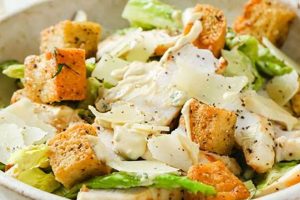
Flavor balance, particularly the judicious use of acidity, stands as a cornerstone of successful mayonnaise-based salad dressings. Mayonnaise, inherently rich and fatty, requires a counterpoint to prevent the final product from tasting overly heavy or cloying. Acidity, introduced through ingredients like vinegar, lemon juice, or buttermilk, provides this crucial balance. The sharp, bright notes of these acidic components cut through the richness of the mayonnaise, creating a more complex and palatable flavor profile. Consider a classic Caesar dressing: the tang of lemon juice balances the richness of the mayonnaise and egg yolk, creating a harmonious blend that complements the other ingredients.
The specific type of acid employed influences the final flavor profile. Lemon juice contributes a fresh, citrusy brightness, while vinegar offers a range of flavor profiles, from the sharp tang of white wine vinegar to the mellow sweetness of balsamic. Buttermilk imparts a subtle tang and contributes to a lighter texture. The quantity of acid must also be carefully calibrated. Too little acid results in a bland, one-dimensional dressing, while an excess can create an unpleasantly sour taste. A well-balanced dressing features a harmonious interplay of richness and acidity, where neither element dominates the other. For example, in a creamy dill dressing, the brightness of lemon juice and the herbaceousness of dill are balanced by the creamy base of mayonnaise, creating a cohesive and flavorful dressing.
Understanding the role of acidity in flavor balance allows for informed decision-making when developing or adapting mayonnaise-based salad dressing recipes. Careful consideration of the type and quantity of acid, in conjunction with the other ingredients, leads to the creation of dressings that are not only flavorful but also enhance the overall dining experience. Failure to properly balance acidity can result in a dressing that detracts from the dish, masking rather than complementing the flavors of the other components. Therefore, achieving the appropriate level of acidity is crucial for culinary success.
3. Seasoning Choices

Seasoning choices constitute a defining characteristic of mayonnaise-based salad dressings, elevating them from simple emulsions to complex flavor experiences. The interplay of herbs, spices, alliums, and other seasonings determines the final character of the dressing, allowing for extensive customization and creativity. The selection of seasonings must consider the overall flavor profile desired and the intended application of the dressing. For example, a delicate salad of spring greens might benefit from a light vinaigrette featuring fresh herbs like dill or chives, while a heartier salad with roasted vegetables might pair well with a dressing featuring robust spices such as cumin or smoked paprika. A classic example, Ranch dressing, relies on the synergistic combination of dried herbs like parsley, dill, and chives to create its signature flavor.
The quality and form of seasonings significantly impact the final product. Fresh herbs offer bright, vibrant flavors, but their shelf life is limited. Dried herbs, while more shelf-stable, possess a more concentrated flavor and require careful measurement. The use of whole spices, freshly ground, offers maximum flavor complexity but necessitates additional preparation. Consider a creamy cilantro-lime dressing: using fresh cilantro provides a bright, herbaceous flavor that complements the tangy lime juice and creamy mayonnaise. Alternatively, incorporating ground cumin and coriander seeds into a chipotle mayonnaise creates a smoky, earthy dressing well-suited for Southwestern-inspired cuisine. The careful selection of seasonings, informed by the desired flavor profile and ingredient availability, empowers culinary exploration and elevates the sensory experience of the final dish.
Understanding the impact of seasoning choices empowers informed recipe development and adaptation. Consideration of flavor pairings, ingredient quality, and the intended application allows for the creation of dressings tailored to specific culinary needs. Failure to select appropriate seasonings can result in a bland or unbalanced dressing that detracts from the overall dish. Mastering the art of seasoning is therefore essential for producing exceptional mayonnaise-based salad dressings capable of transforming ordinary salads into memorable culinary experiences.
4. Texture and Consistency

Texture and consistency play a crucial role in the overall sensory experience of a mayonnaise-based salad dressing. The desired texture influences ingredient choices and preparation methods, impacting how the dressing coats ingredients, its mouthfeel, and its visual appeal. A well-executed dressing exhibits a harmonious balance of flavors and a desirable texture, enhancing the enjoyment of the accompanying dish. Understanding the factors that influence texture and how to manipulate them allows for precise control over the final product.
- Viscosity
Viscosity, the resistance to flow, dictates how the dressing clings to salad components. A high-viscosity dressing, thick and creamy, adheres readily, ideal for robust salads with heavier ingredients. Conversely, a low-viscosity dressing, thin and pourable, lightly coats ingredients, suitable for delicate greens or composed salads. Viscosity is influenced by the ratio of mayonnaise to other liquids. Adding buttermilk or water thins the dressing, while incorporating Greek yogurt or pureed avocado increases thickness. A Green Goddess dressing, for example, typically exhibits a higher viscosity due to the inclusion of avocado and herbs, while a classic vinaigrette has a lower viscosity.
- Emulsion Stability
Emulsion stability refers to the ability of the dressing to remain a homogenous mixture. A stable emulsion prevents separation of oil and water components, ensuring a consistent texture and flavor distribution. The quality of the mayonnaise used significantly impacts stability. High-quality mayonnaise, with a higher proportion of egg yolks, forms a more stable emulsion. Over-mixing or incorporating excessive acid can destabilize the emulsion, leading to separation. A stable Ranch dressing, for instance, maintains its creamy consistency without separating into oily and watery layers.
- Ingredient Size and Shape
Incorporated ingredients, such as chopped herbs, minced vegetables, or crumbled cheese, contribute to textural complexity. Larger pieces create a chunky, more substantial texture, while finely minced ingredients yield a smoother result. The size and shape of these additions affect both mouthfeel and visual appeal. A chunky blue cheese dressing, for example, offers a different textural experience compared to a smooth, blended version. A classic Caesar dressing often includes finely grated Parmesan cheese for a smooth texture while providing bursts of salty flavor.
- Temperature
Temperature affects both viscosity and mouthfeel. Cold temperatures increase viscosity, making dressings appear thicker. Serving temperature thus influences the perceived texture. A chilled Ranch dressing, for instance, feels thicker and creamier compared to the same dressing at room temperature. Consideration of serving temperature is crucial for achieving the desired textural experience.
Careful consideration of these facets enables the creation of mayonnaise-based salad dressings tailored to specific needs and preferences. Manipulating viscosity, ensuring emulsion stability, incorporating textural ingredients, and considering serving temperature allows for precise control over the final product, elevating a simple salad to a more sophisticated culinary experience.
5. Ingredient Quality

Ingredient quality significantly impacts the final flavor, texture, and overall success of mayonnaise-based salad dressings. Superior ingredients elevate the sensory experience, while subpar components can compromise even the most well-crafted recipe. Discerning selection of each element, from the mayonnaise base to the smallest seasoning, ensures a dressing that enhances, rather than detracts from, the accompanying dish. The following facets highlight the crucial connection between ingredient quality and the creation of exceptional dressings.
- Mayonnaise
Mayonnaise forms the foundation of these dressings; its quality directly influences the final result. High-quality mayonnaise, typically made with a higher proportion of egg yolks and oil, possesses a richer flavor and a more stable emulsion. This stability prevents separation and ensures a smooth, creamy texture. Lower-quality mayonnaise, often containing fillers and stabilizers, can result in a thinner, less flavorful dressing prone to breaking. The difference between a dressing made with premium mayonnaise and one made with a generic brand is often readily apparent in both flavor and texture.
- Acidity
The acidic component, whether vinegar or citrus juice, plays a vital role in balancing the richness of the mayonnaise. Freshly squeezed citrus juice offers a brighter, more vibrant flavor compared to bottled concentrates. Similarly, high-quality vinegar, such as a well-aged balsamic or a delicate white wine vinegar, contributes a more nuanced complexity than generic distilled vinegar. The type and quality of the acid employed significantly impact the overall flavor profile of the dressing.
- Herbs and Spices
Fresh herbs and spices contribute significantly to the vibrancy and depth of flavor in a salad dressing. Freshly harvested herbs offer the most potent and nuanced flavors, while dried herbs, although convenient, can taste dull or muted if not stored properly or used judiciously. Similarly, freshly ground spices provide superior flavor compared to pre-ground versions, which can lose their potency over time. Using high-quality herbs and spices elevates the overall sensory experience of the dressing.
- Oils
While mayonnaise itself contains oil, additional oils can be incorporated to augment flavor and texture. High-quality extra virgin olive oil, for example, lends a distinctive fruity and peppery note, while a neutral oil like grapeseed oil provides a clean canvas for other flavors. The quality of the oil influences both the flavor and the mouthfeel of the dressing. Rancid or low-quality oils can impart off-flavors, negatively impacting the overall culinary experience.
By prioritizing ingredient quality, one ensures that the final dressing complements and elevates the accompanying dish. The interplay of high-quality components creates a synergistic effect, where the sum is greater than its parts. Conversely, compromising on ingredient quality can result in a dressing that detracts from the overall dining experience. Therefore, investing in superior ingredients is a worthwhile endeavor for anyone seeking to create truly exceptional mayonnaise-based salad dressings.
Frequently Asked Questions
This section addresses common inquiries regarding the preparation and utilization of mayonnaise-based dressings.
Question 1: How can separation in a mayonnaise-based dressing be prevented?
Emulsion stability is crucial. Employing high-quality mayonnaise contributes significantly to preventing separation. Additionally, gradual incorporation of ingredients and avoidance of over-mixing helps maintain emulsion integrity. Should separation occur, slowly whisking in small amounts of warm water can often re-emulsify the dressing.
Question 2: What can be used as a substitute for vinegar in these dressings?
Citrus juices, such as lemon or lime juice, offer viable alternatives to vinegar. Their acidity provides the necessary balance to the richness of the mayonnaise while contributing distinct flavor profiles. Buttermilk also imparts a subtle tang and can contribute to a lighter texture.
Question 3: How long can mayonnaise-based dressings be stored?
Refrigeration in airtight containers extends shelf life. Generally, these dressings remain palatable for up to one week when refrigerated. However, the presence of fresh ingredients, like herbs or chopped vegetables, can shorten this timeframe. Always assess quality through visual and olfactory inspection before consumption.
Question 4: Can these dressings be frozen?
Freezing is generally not recommended. Freezing can destabilize the emulsion, leading to separation and textural changes upon thawing. The delicate balance of flavors can also be negatively impacted by freezing.
Question 5: How can the consistency of a dressing be adjusted?
Adjusting consistency is achievable through the addition of liquids or thickeners. Incorporating water, milk, or buttermilk thins the dressing, while Greek yogurt, pureed avocado, or a small amount of cornstarch can thicken it. Adjustments should be made gradually, assessing consistency after each addition.
Question 6: What are common flavor pairings for these dressings?
Flavor pairings offer extensive possibilities. Classic combinations include dill with lemon, blue cheese with walnuts, and garlic with herbs. Exploring diverse flavor profiles, such as incorporating roasted red peppers, chipotle peppers, or different types of mustard, expands culinary options.
Understanding these fundamental aspects of preparation and storage contributes to consistently successful outcomes when utilizing mayonnaise-based salad dressings. Careful consideration of each element ensures dressings that complement and enhance the overall culinary experience.
The following section delves into specific recipe variations, providing practical examples of how to implement the principles discussed above.
Conclusion
This exploration of mayonnaise-based salad dressing recipes has illuminated the fundamental principles underlying their creation. From the foundational role of mayonnaise and the crucial balance of acidity to the nuanced impact of seasoning choices, ingredient quality, and textural considerations, each element contributes to the final product’s success. Understanding the interplay of these factors empowers culinary creativity, enabling the development of dressings tailored to specific needs and preferences. Proper storage techniques and troubleshooting strategies further ensure consistent, high-quality results.
The versatility of these dressings extends beyond simple salads, offering potential for enhancing a wide array of dishes. Continued exploration of flavor combinations and innovative techniques promises further evolution within this culinary domain. Ultimately, mastery of mayonnaise-based salad dressing recipes provides a valuable tool for any cook seeking to elevate everyday meals into memorable culinary experiences.