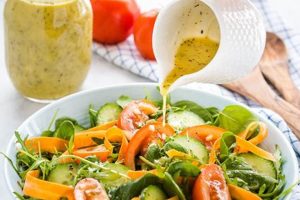
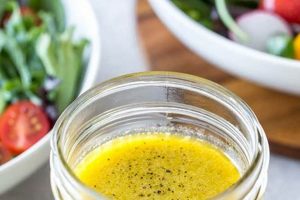
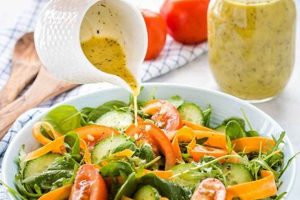
A guide for preparing a citrus-infused emulsion typically involves a balance of oil, citrus juice, and seasonings. A basic example combines fresh orange juice, olive oil, vinegar, Dijon mustard, salt, and pepper. Variations may incorporate honey, herbs, or spices to create unique flavor profiles.
This type of dressing offers a vibrant, refreshing counterpoint to salads and other dishes. Its bright acidity cuts through richness, while the fruit adds a touch of sweetness. From classic combinations with bitter greens to more adventurous pairings with roasted vegetables or grilled fish, a well-executed citrus vinaigrette enhances flavor and adds a gourmet touch. This versatility contributes to its popularity in both home kitchens and professional culinary settings.
The following sections will explore specific variations of citrus-based dressings, offering detailed instructions and tips for achieving optimal results. From ingredient selection to emulsification techniques, readers will gain a deeper understanding of crafting these flavorful additions to their culinary repertoire.
Tips for Crafting an Exceptional Orange Vinaigrette
Achieving a balanced and flavorful orange vinaigrette requires attention to detail. The following tips offer guidance for creating a dressing that elevates any dish.
Tip 1: Use Freshly Squeezed Orange Juice: Bottled juice often contains additives and lacks the vibrant flavor of fresh oranges. For the best results, juice oranges immediately before preparing the dressing.
Tip 2: Balance Acidity: Orange juice can be quite sweet. Balance this sweetness with an acidic component like vinegar. Experiment with different types of vinegar, such as red wine vinegar, white wine vinegar, or apple cider vinegar, to find a complementary flavor profile.
Tip 3: Emulsify Thoroughly: A proper emulsion creates a smooth, creamy texture that coats ingredients evenly. Whisk the oil into the juice-vinegar mixture slowly and steadily or use a blender for a more stable emulsion.
Tip 4: Season to Taste: Salt and pepper are essential for enhancing the flavors of the dressing. Start with a small amount and adjust according to preference.
Tip 5: Experiment with Flavor Combinations: Enhance the complexity of the vinaigrette by incorporating additional ingredients. Consider adding Dijon mustard for creaminess, honey or maple syrup for sweetness, or herbs and spices like thyme, oregano, or ginger for an aromatic touch.
Tip 6: Taste and Adjust: Before serving, taste the vinaigrette and adjust the seasoning or other ingredients as needed. The balance of flavors may change as the dressing sits.
Tip 7: Store Properly: Store leftover vinaigrette in an airtight container in the refrigerator for up to one week. Shake well before serving as the emulsion may separate.
By following these tips, one can create a flavorful and versatile orange vinaigrette that complements a wide range of dishes. Careful attention to ingredient selection, emulsification, and seasoning are key to achieving optimal results.
The insights provided offer a foundation for creating and enjoying this versatile dressing. Experimentation and personal preference will further refine techniques and contribute to culinary success.
1. Fresh Orange Juice

Fresh orange juice forms the cornerstone of a successful orange vinaigrette. Its vibrant flavor and natural sweetness provide the defining characteristic of the dressing. Using freshly squeezed juice, as opposed to pre-packaged varieties, offers a significant advantage. Fresh juice possesses a brighter, more complex flavor profile, lacking the processed notes often found in bottled alternatives. This distinction significantly impacts the final taste of the vinaigrette. For example, a vinaigrette made with freshly squeezed navel orange juice offers a sweet, tangy flavor with subtle floral notes, whereas one made with bottled juice might taste flat or overly sweet. Furthermore, freshly squeezed juice contains natural pectin, which can contribute to a slightly thicker, more emulsified dressing.
The impact of fresh orange juice extends beyond flavor. Its natural acidity plays a crucial role in balancing the other ingredients within the vinaigrette. This acidity interacts with the oil and other components, creating a harmonious blend. The freshness also contributes to the overall vibrancy and color of the dressing. Consider the visual appeal of a salad dressed with a vibrant, freshly made orange vinaigrette compared to one using a dull, pre-made alternative. The difference is often striking, influencing the entire dining experience. This understanding of the role of fresh juice allows for greater control over the final product, enabling adjustments to sweetness and acidity based on the specific oranges used and other ingredients incorporated.
In conclusion, the use of freshly squeezed orange juice represents a critical factor in crafting a superior orange vinaigrette. Its inherent flavor complexity, natural acidity, and visual appeal contribute significantly to the overall quality of the dressing. While convenience might tempt one to use bottled juice, the resulting difference in taste and texture underscores the importance of prioritizing fresh ingredients. This attention to detail elevates the vinaigrette from a simple condiment to a defining element of a well-composed dish.
2. Quality Oil

Oil serves as a foundational element in an orange vinaigrette, significantly influencing its flavor, texture, and overall quality. The choice of oil impacts not only the dressing’s mouthfeel but also how it interacts with other ingredients. A high-quality extra virgin olive oil, for example, contributes a robust, fruity flavor that complements the citrus notes of the orange, while a lighter oil, such as grapeseed or avocado oil, offers a more neutral backdrop, allowing the orange flavor to take center stage. The oil’s viscosity also affects the emulsion’s stability and the dressing’s ability to cling to salad components. A thicker oil like extra virgin olive oil creates a more substantial emulsion, whereas a thinner oil may result in a vinaigrette that separates more readily. This understanding of oil’s role allows for informed decisions based on desired flavor profiles and textural outcomes.
Beyond flavor and texture, the quality of the oil directly correlates with the nutritional value of the vinaigrette. Extra virgin olive oil, known for its high monounsaturated fat content and antioxidant properties, adds nutritional benefits to the dressing. Conversely, lower-quality oils may contain undesirable additives or undergo processing methods that diminish their nutritional value. Selecting an oil produced through meticulous methods, such as cold-pressing, ensures the preservation of beneficial compounds and enhances the overall healthfulness of the vinaigrette. For instance, choosing a high-quality extra virgin olive oil with a low acidity level and a protected designation of origin guarantees a superior flavor and nutritional profile. This informed selection contributes not only to a more flavorful dressing but also to a healthier culinary creation.
In summary, selecting a quality oil is paramount to crafting a successful orange vinaigrette. The interplay between the oil’s flavor, texture, and nutritional profile directly influences the dressing’s overall quality and its impact on the dish. Careful consideration of these factors empowers informed choices that elevate the culinary experience. Opting for high-quality oils, such as extra virgin olive oil with specific certifications, reflects a commitment to both flavor and nutritional value. This understanding emphasizes the integral role of quality oil in creating a vinaigrette that enhances, rather than masks, the flavors of fresh ingredients.
3. Balanced Acidity
Balanced acidity represents a critical factor in a successful orange vinaigrette recipe. The inherent sweetness of orange juice necessitates a counterbalancing acidic component to prevent the dressing from becoming cloying. This balance not only enhances the flavor profile but also contributes to the overall sensory experience. Acidity provides brightness, cutting through the richness of the oil and enhancing the other flavors present. Without sufficient acidity, the vinaigrette can taste flat and one-dimensional. For example, a vinaigrette made solely with orange juice and olive oil would lack the necessary sharpness to complement a salad of bitter greens. The addition of an acid, such as vinegar or lemon juice, introduces a necessary complexity, transforming the dressing into a more dynamic element of the dish.
Several acidic ingredients can achieve this balance. Vinegars, ranging from white wine and red wine to apple cider and balsamic, offer varying levels of sharpness and unique flavor profiles. Lemon or lime juice provides a citrusy brightness that complements the orange, while verjus, the pressed juice of unripe grapes, contributes a subtle tartness. The specific choice of acid depends on the desired flavor profile and the other ingredients in the vinaigrette. A balsamic vinaigrette, for example, might benefit from the sweetness and complexity of balsamic vinegar, whereas a lighter, more citrus-forward dressing might pair well with the sharpness of lemon juice. Experimentation with different acids allows for customized flavor profiles tailored to specific dishes and palates. A vinaigrette intended for a robust salad with grilled meats might require a more assertive vinegar, while one designed for a delicate salad with fresh herbs might benefit from a milder acid.
Mastering balanced acidity requires careful consideration and adjustment. The sweetness of oranges varies depending on the variety and ripeness, influencing the amount of acid needed. Tasting and adjusting throughout the preparation process is crucial for achieving the desired balance. Overly acidic dressings can be tempered with a touch of sweetness, while those lacking brightness can benefit from additional acid. This iterative process ensures a harmonious final product that enhances the overall dining experience. Understanding the interplay between acidity and sweetness empowers one to create vinaigrettes that are not only flavorful but also tailored to individual preferences and specific culinary applications. This knowledge elevates the orange vinaigrette from a simple condiment to a nuanced and essential element in culinary creations.
4. Seasoning
Seasoning plays a crucial role in the overall success of an orange vinaigrette. It elevates the inherent flavors of the core ingredients orange juice, oil, and acid creating a more complex and nuanced flavor profile. Salt, the most fundamental seasoning, enhances sweetness and balances acidity. It amplifies the perception of other flavors, creating a more vibrant taste experience. Without sufficient salt, the vinaigrette may taste bland and one-dimensional, failing to complement the other ingredients in the dish. Consider, for example, how a pinch of salt brightens the flavors of a simple tomato salad dressed with orange vinaigrette, allowing the sweetness of the tomatoes and the tanginess of the dressing to shine. The correct level of salt creates synergy, transforming individual ingredients into a cohesive and flavorful whole.
Beyond salt, pepper adds depth and complexity. Freshly ground black pepper provides a subtle spice and warmth, contrasting with the brightness of the citrus. The type of pepper used can further influence the flavor profile. Black pepper offers a classic, robust flavor, while white pepper provides a milder, more delicate heat. Other spices, such as a pinch of cayenne pepper or a dash of paprika, can introduce additional layers of complexity, tailoring the vinaigrette to specific culinary applications. For instance, a vinaigrette intended for a Southwestern-inspired salad might benefit from the addition of chili powder and cumin, while one designed for a more traditional salad could incorporate dried herbs like oregano or thyme. These additions create unique flavor profiles, expanding the versatility of the orange vinaigrette.
Achieving optimal seasoning requires a nuanced understanding of balance. The inherent sweetness of the orange juice and the chosen acidity level influence the amount of salt and other seasonings required. Over-seasoning can mask the delicate flavors of the other ingredients, while under-seasoning can result in a bland and uninspired dressing. Careful tasting and adjustment throughout the preparation process are crucial. Starting with a small amount of seasoning and gradually adding more allows for greater control and ensures a harmonious balance. This iterative process, combined with a thoughtful selection of seasonings, transforms a basic orange vinaigrette into a complex and flavorful culinary creation.
5. Emulsification
Emulsification is essential to a successful orange vinaigrette, directly impacting its texture, stability, and overall sensory experience. A vinaigrette is, by definition, an emulsion of oil and an acidic liquid, typically vinegar or citrus juice. These two immiscible liquids require an emulsifying agent and mechanical force to combine into a stable mixture. Without emulsification, the oil and acidic liquid separate, resulting in a greasy, unappetizing dressing that fails to coat salad ingredients evenly. Effective emulsification creates a smooth, creamy texture that clings to greens and other components, distributing flavor evenly throughout the dish. This process transforms individual ingredientsoil, acid, and seasoningsinto a cohesive and palatable whole.
Several factors influence the stability of a vinaigrette emulsion. The ratio of oil to acid plays a key role; a typical vinaigrette contains a higher proportion of oil to acid. The presence of an emulsifying agent, such as Dijon mustard or honey, further stabilizes the mixture. These agents contain molecules with both hydrophilic (water-loving) and lipophilic (fat-loving) properties, allowing them to bridge the gap between the oil and acid, creating a more homogenous and stable emulsion. The method of emulsification also impacts stability. Whisking vigorously by hand creates a temporary emulsion, while using a blender or food processor generates a more stable, longer-lasting result due to the increased shear force. For instance, a vinaigrette emulsified with a blender will maintain its creamy texture for a longer period compared to one whisked by hand, which may separate more quickly. Understanding these factors allows for greater control over the final product, enabling the creation of vinaigrettes tailored to specific needs and preferences.
The practical significance of emulsification in orange vinaigrette preparation is substantial. It directly influences not only the dressings texture and appearance but also its flavor delivery. A well-emulsified vinaigrette coats ingredients evenly, ensuring a consistent flavor experience in every bite. Furthermore, the stability of the emulsion impacts the shelf life of the dressing. A properly emulsified vinaigrette will remain stable for longer, reducing the need for frequent whisking or shaking before use. The principles of emulsification, while seemingly technical, are fundamental to achieving a high-quality orange vinaigrette. Mastery of this technique allows one to create dressings that are not only flavorful but also visually appealing and texturally satisfying, elevating a simple salad or dish to a new level of culinary excellence.
Frequently Asked Questions
This section addresses common inquiries regarding the preparation and utilization of orange vinaigrette.
Question 1: What is the ideal ratio of oil to acid in an orange vinaigrette?
A balanced vinaigrette typically employs a ratio of three parts oil to one part acid. However, this ratio can be adjusted based on the desired flavor profile and the specific ingredients used. A higher proportion of oil creates a richer, milder dressing, while a higher proportion of acid results in a sharper, more tart vinaigrette.
Question 2: Can other citrus juices be substituted for orange juice?
Other citrus juices, such as grapefruit, lemon, or lime, can be substituted or combined with orange juice to create unique flavor profiles. These substitutions will alter the overall sweetness and acidity of the vinaigrette, requiring adjustments to other ingredients to maintain balance.
Question 3: How long can orange vinaigrette be stored?
When stored properly in an airtight container in the refrigerator, orange vinaigrette can last for up to one week. Separation may occur during storage; shaking the container vigorously before use will re-emulsify the dressing.
Question 4: What types of salads pair well with orange vinaigrette?
Orange vinaigrette complements a wide variety of salads, including those featuring bitter greens like arugula or radicchio, sweeter greens like spinach or butter lettuce, and salads incorporating fruits, nuts, or cheeses. It also pairs well with roasted vegetables, grilled fish, and chicken.
Question 5: How can the sweetness of the vinaigrette be adjusted?
If the vinaigrette is too tart, a touch of honey, maple syrup, or agave nectar can be added to balance the acidity. Conversely, if the vinaigrette is too sweet, additional acid, such as a splash of vinegar or lemon juice, can be incorporated.
Question 6: What can be used as an emulsifier if Dijon mustard is not available?
Honey, maple syrup, or a small amount of egg yolk can be used as emulsifiers in place of Dijon mustard. These ingredients help to bind the oil and acid together, creating a stable and creamy emulsion.
Understanding these fundamental aspects of orange vinaigrette preparation ensures a successful and flavorful outcome. Experimentation and adaptation based on individual preferences and available ingredients are encouraged.
The following section provides a sample recipe for a classic orange vinaigrette, offering a practical application of the principles discussed.
Crafting the Perfect Orange Vinaigrette
Exploration of the foundational elements of a successful orange vinaigrette recipe reveals the critical interplay of fresh ingredients, balanced acidity, thoughtful seasoning, and proper emulsification. From the selection of high-quality oils to the nuanced balancing act of sweetness and acidity, each component contributes to the final product’s overall quality and flavor profile. Understanding these key aspects empowers culinary enthusiasts to create dressings that not only complement but also enhance the flavors of their chosen dishes. The versatility of orange vinaigrette, applicable to a broad range of culinary applications, further underscores its value within a diverse and dynamic culinary repertoire.
The pursuit of a perfect orange vinaigrette represents a journey of culinary exploration, where experimentation and adaptation lead to personalized flavor profiles and innovative pairings. The principles outlined within this exploration offer a guiding framework, encouraging a deeper understanding of the art of vinaigrette creation and its potential to elevate even the simplest of dishes. Continued exploration of flavor combinations and techniques will undoubtedly unlock new dimensions of culinary creativity, solidifying the orange vinaigrette’s position as a staple in the well-equipped kitchen.