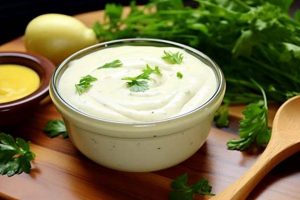
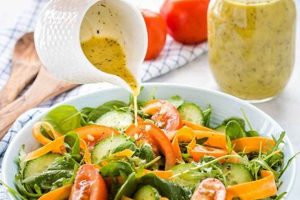
A creamy, tangy dressing typically made with mayonnaise, ketchup, sweet pickle relish, and often other ingredients like chopped hard-boiled eggs, onions, and chili sauce, this condiment is a popular choice for salads, sandwiches, and burgers. Variations exist, incorporating ingredients such as olive oil, lemon juice, or paprika for unique flavor profiles.
The versatility of this dressing contributes to its widespread use. Its blend of sweet, tangy, and savory notes complements a wide range of dishes, adding a creamy texture and enhancing the overall flavor profile. While its precise origins are debated, it is believed to have emerged in the early 20th century, potentially gaining popularity in the Thousand Islands region of New York, hence the name. Its enduring presence in culinary traditions speaks to its enduring appeal.
This exploration will delve into various aspects of creating and utilizing this versatile condiment, including classic recipes, ingredient variations, nutritional information, and suggested pairings.
Tips for Crafting Exceptional Thousand Island Dressing
Creating exceptional dressing involves attention to detail and a willingness to experiment with flavors. These tips offer guidance for both novice and experienced cooks.
Tip 1: Balance Sweet and Tangy Elements: The hallmark of successful dressing lies in the harmonious balance of sweet and tangy flavors. Achieve this equilibrium by carefully adjusting the ratio of ketchup and sweet pickle relish. Taste and adjust as needed.
Tip 2: Embrace Ingredient Variation: While classic recipes provide a solid foundation, exploring ingredient variations can elevate the dressing. Consider incorporating finely diced red onion, roasted red peppers, or a touch of chili sauce for added depth and complexity.
Tip 3: Texture Matters: Achieve desired texture through ingredient choices. Finely chopped ingredients yield a smoother dressing, while coarser chopping creates a chunkier consistency.
Tip 4: Quality Ingredients, Quality Results: Use high-quality mayonnaise, ketchup, and relish as the base. Freshly chopped ingredients, rather than pre-prepared versions, enhance both flavor and texture.
Tip 5: Mindful Mayonnaise Selection: The mayonnaise serves as the foundation of the dressing. Experiment with different mayonnaise brands or types, such as olive oil-based mayonnaise, to find a preferred flavor and consistency.
Tip 6: Freshly Prepared for Optimal Flavor: Ideally, prepare the dressing shortly before serving to maximize freshness and flavor. If making in advance, store in an airtight container in the refrigerator for up to three days, allowing the flavors to meld.
Tip 7: Taste and Adjust: Taste the dressing throughout the preparation process. Adjust seasonings, such as salt, pepper, or a dash of paprika, to achieve the desired flavor profile.
By following these tips, one can consistently create delicious and well-balanced dressing that complements a variety of dishes.
These insights provide a solid foundation for creating exceptional dressing, laying the groundwork for culinary exploration and enjoyment.
1. Mayonnaise (base)
Mayonnaise serves as the foundational element, providing the creamy texture and mouthfeel characteristic. Its emulsification of oil and egg yolks creates a rich, smooth base that binds the other ingredients together. The quality and type of mayonnaise significantly influence the final product. For instance, a robust, egg-yolk-rich mayonnaise yields a more decadent dressing, while a lighter, olive-oil-based mayonnaise creates a brighter, less dense result. The mayonnaise also acts as a blank canvas, allowing the flavors of the other components, such as ketchup and relish, to shine through while contributing a subtle richness of its own.
The quantity of mayonnaise used dictates the dressing’s consistency. A higher mayonnaise-to-other-ingredient ratio results in a thinner, more pourable dressing, while a lower ratio produces a thicker, spreadable consistency. This adaptability allows for customization based on intended use, whether as a salad dressing, sandwich spread, or dipping sauce. Consider a classic Reuben sandwich: the creamy, tangy dressing, anchored by mayonnaise, perfectly complements the salty corned beef and sauerkraut. Alternatively, a lighter dressing, achieved with a higher mayonnaise content, might be preferred for a delicate green salad.
Understanding the role of mayonnaise is critical for achieving the desired texture and flavor balance. It acts not only as a binding agent but also as a flavor enhancer and textural cornerstone. Careful selection and measurement of mayonnaise are essential for a successful outcome, contributing significantly to the overall sensory experience. Its subtle yet crucial role underscores its importance within the recipe, demonstrating how seemingly simple components can contribute significantly to a complex culinary creation.
2. Ketchup (tang)

Ketchup provides the essential tangy counterpoint to the sweetness of relish and the richness of mayonnaise within thousand island dressing. Its inherent acidity, derived from tomatoes and vinegar, balances the overall flavor profile, preventing excessive sweetness. This balance is crucial; without sufficient tang, the dressing risks becoming cloying. The specific type of ketchup employed can further influence the final taste. For instance, a ketchup with a higher vinegar content imparts a sharper tang, while a sweeter ketchup contributes a milder acidity. This interplay of flavors highlights the significance of ketchup as more than just a tangy element; it acts as a crucial balancing agent.
Beyond its tangy contribution, ketchup also introduces a complex umami note derived from the cooked tomatoes. This umami depth interacts with the other ingredients, creating a more nuanced and savory flavor profile. Consider the classic application of thousand island dressing on a hamburger: the umami from the ketchup in the dressing complements the savory beef patty, creating a harmonious flavor combination. This interplay extends to other applications, such as in a Cobb salad, where the ketchup’s tang cuts through the richness of bacon and blue cheese, while its umami complements the chicken or turkey. Furthermore, the ketchup contributes to the dressing’s characteristic reddish-orange hue, enhancing its visual appeal.
The judicious use of ketchup is therefore essential for a well-balanced and flavorful thousand island dressing. Its acidity balances sweetness, its umami adds depth, and its color contributes to visual appeal. Challenges arise when the balance is disrupted, either through excessive ketchup leading to overpowering tanginess or insufficient ketchup resulting in an overly sweet dressing. Understanding the multi-faceted role of ketchup allows for informed adjustments and consistent results, underscoring its vital contribution to the overall composition and culinary success of the dressing.
3. Sweet relish (sweetness)
Sweet relish provides the essential sweetness that balances the tanginess of ketchup and the richness of mayonnaise in thousand island dressing. This finely chopped, pickled cucumber condiment, often enhanced with sugar and spices like turmeric and celery seed, introduces a complex interplay of sweet, sour, and savory notes. The specific type of sweet relish employed significantly influences the final flavor profile. For instance, a relish with a coarser chop introduces textural variation, while a finely ground relish results in a smoother consistency. Similarly, a relish with a higher sugar content contributes a more pronounced sweetness, while a relish with a greater emphasis on vinegar provides a more tart flavor. The interplay of these nuances allows for customization based on individual preferences.
Beyond sweetness, sweet relish contributes a crucial textural element. Its small, yet perceptible pieces provide a counterpoint to the creamy smoothness of the mayonnaise, adding a pleasant, subtle crunch. This textural contrast enhances the overall sensory experience, preventing the dressing from becoming monotonous. Consider its application in a classic tuna salad sandwich: the sweet relish, nestled within the creamy thousand island dressing, offers a delightful textural surprise against the soft tuna and bread. This textural interplay extends to other applications, such as a topping for grilled hot dogs, where the relish’s subtle crunch complements the smooth texture of the sausage. Additionally, the relish introduces a subtle vinegar note, further enhancing the complexity of the dressing’s flavor profile.
The careful selection and application of sweet relish is therefore essential for a well-balanced and texturally appealing thousand island dressing. Its sweetness balances the tangy and savory elements, while its texture provides a welcome contrast to the creamy base. Challenges may arise if the relish is overly sweet, overpowering the other flavors, or if it is too finely chopped, losing its textural contribution. Understanding the multifaceted role of sweet relish, from its sweetness and subtle sourness to its textural impact, allows for informed choices and consistently successful results. This nuanced perspective emphasizes the importance of each ingredient in achieving the desired balance and complexity within the classic condiment.
4. Hard-boiled eggs (texture)
Hard-boiled eggs contribute a unique textural dimension to thousand island dressing, differentiating it from other creamy dressings. Their inclusion introduces a delicate balance between creamy and crumbly textures, enhancing the overall sensory experience. Understanding the preparation and incorporation of hard-boiled eggs is crucial for achieving the desired textural complexity within the dressing.
- Preparation Method Influence on Texture
The method employed for cooking hard-boiled eggs significantly influences their texture and subsequent impact on the dressing. Overcooked eggs can become dry and rubbery, detracting from the desired creaminess. Conversely, undercooked eggs may yield a yolk that is too soft to incorporate effectively. Precise timing and temperature control are crucial for achieving the ideal texture a firm, yet yielding white and a fully cooked, yet creamy yolk.
- Chopping Technique Impact on Texture and Visual Appeal
The method of chopping the hard-boiled eggs further influences the dressing’s texture and visual appeal. Finely chopping the eggs creates a smoother, more homogenous dressing, while a coarser chop introduces more substantial textural variation. The size of the egg pieces also affects the visual appeal of the dressing, with larger pieces creating a more rustic appearance and smaller pieces offering a more refined look.
- Textural Contrast with Other Ingredients
The textural contrast between the hard-boiled eggs and the other ingredients, such as the creamy mayonnaise and the crunchy relish, is essential to the overall sensory experience of thousand island dressing. The eggs provide a middle ground between these contrasting textures, creating a more complex and satisfying mouthfeel. This interplay of textures is key to the dressings appeal.
- Flavor Enhancement and Nutritional Contribution
Beyond texture, hard-boiled eggs also contribute to the flavor and nutritional profile of the dressing. They add a subtle richness and a slightly savory note that complements the other ingredients. Additionally, they provide a source of protein and essential nutrients, enhancing the nutritional value of the dressing.
The inclusion of hard-boiled eggs in thousand island dressing is thus more than just a textural consideration. Their preparation, chopping technique, and interplay with other ingredients contribute significantly to the dressing’s overall appeal, influencing its texture, flavor, and nutritional value. The careful consideration of these factors ensures a balanced and enjoyable culinary experience.
5. Onion (sharpness)
Onion contributes a crucial element of sharpness and complexity to thousand island dressing, balancing the richness of mayonnaise and the sweetness of relish. This sharpness, derived from sulfur compounds within the onion, cuts through the creamy texture and prevents the dressing from becoming overly sweet or cloying. The specific type of onion used influences the intensity of this sharpness. For instance, finely diced white or yellow onions provide a pronounced sharpness, while milder red onions offer a more subtle pungency, sometimes accompanied by a hint of sweetness. This choice allows for customization based on desired flavor profiles. Beyond sharpness, onions also contribute a subtle aromatic complexity, enhancing the overall sensory experience. The quantity of onion used plays a crucial role; too much can overpower the other flavors, while too little may not provide sufficient balance. A classic example is the use of thousand island dressing on a Reuben sandwich. The onion’s sharpness cuts through the richness of the corned beef, Swiss cheese, and sauerkraut, creating a balanced and flavorful experience.
Several factors influence the effectiveness of onion within the dressing. The size of the dice affects both texture and flavor release. Finely diced onion readily releases its flavor and integrates seamlessly into the dressing, while a coarser chop provides a more pronounced textural presence and a slower flavor release. Furthermore, the freshness of the onion impacts its potency. Freshly diced onion offers the most vibrant sharpness, while pre-chopped or older onions may have a diminished pungency. Soaking diced onions in cold water for a short period can mellow their sharpness, offering a gentler flavor profile for those sensitive to strong onion flavors. This technique allows for greater control over the onion’s impact on the final product. Understanding these nuances provides greater control over the final flavor profile, ensuring the onion’s contribution enhances the overall balance and complexity of the dressing, rather than overpowering it.
In summary, onion plays a crucial, albeit often understated, role in thousand island dressing. Its sharpness balances the richer and sweeter elements, while its aromatic complexity adds depth. Careful consideration of onion type, quantity, and preparation method allows for precise control over its contribution to the final product. Challenges can arise if the onion’s sharpness is not properly balanced with the other ingredients, leading to a dressing that is either too bland or too pungent. This understanding allows for consistent creation of balanced and flavorful thousand island dressing tailored to individual preferences. The practical application of these insights ensures a successful and enjoyable culinary experience, highlighting the importance of understanding the interplay of flavors within even seemingly simple condiments.
6. Paprika (smokiness)

Paprika, while not a traditional core ingredient, offers a nuanced layer of smokiness and complexity to thousand island dressing, elevating it beyond the typical sweet-tangy profile. The type of paprika employed significantly impacts the resulting flavor. Sweet paprika contributes a mild, fruity sweetness and a vibrant red hue, while hot paprika introduces a noticeable heat. Smoked paprika, however, delivers the most distinctive impact, imparting a smoky depth that complements the other ingredients. This smokiness adds a dimension often associated with barbecue sauces, subtly transforming the dressing’s character. For instance, incorporating smoked paprika into thousand island dressing used for a burger topping adds a depth that complements the grilled flavor of the patty. Similarly, using smoked paprika in a dressing for a grilled chicken salad enhances the smoky notes of the chicken.
The quantity of paprika used requires careful consideration. Too much can overpower the delicate balance of sweet, tangy, and savory flavors, while too little may not provide a discernible impact. The paprika’s role is to enhance, not dominate, the overall flavor profile. Beyond its smoky contribution, paprika also adds a subtle earthiness and a warm, red-orange hue, further enhancing the dressing’s visual appeal. This visual element can be particularly impactful in dishes where the dressing is a prominent component, such as a layered salad or an open-faced sandwich. In these applications, the paprika’s color contributes to an appetizing presentation. Consider a classic Cobb salad, where the vibrant color of a paprika-enhanced thousand island dressing contrasts beautifully with the greens, tomatoes, and other colorful ingredients.
Incorporating paprika into thousand island dressing presents opportunities for culinary creativity and customization. The choice between sweet, hot, and smoked paprika allows for tailoring the dressing to specific flavor preferences and dish pairings. However, the key lies in understanding the balance of flavors. Challenges arise when the paprika’s smokiness or heat overpowers the other components, disrupting the classic thousand island flavor profile. Judicious use, coupled with a keen understanding of flavor interactions, ensures that paprika enhances the dressing, adding depth and complexity without compromising its essential character. This nuanced approach elevates the classic condiment, demonstrating how even seemingly minor additions can significantly impact the overall culinary experience.
7. Ingredient Ratios (Balance)

Ingredient ratios are fundamental to a successful thousand island dressing recipe, dictating the final balance of sweet, tangy, savory, and creamy elements. Achieving the desired flavor profile relies on the careful interplay of mayonnaise, ketchup, sweet relish, and other components. The precise ratio of each ingredient influences the overall taste and texture. For instance, a higher proportion of ketchup results in a tangier dressing, while an increased amount of sweet relish accentuates sweetness. Similarly, the quantity of mayonnaise directly affects the dressing’s creaminess and consistency. These ratios are not fixed but rather adaptable, allowing for customization based on individual preferences and intended applications. A thicker dressing, achieved with less mayonnaise, might be preferred for a sandwich spread, while a thinner dressing, with more mayonnaise, might better suit a salad. The balance extends beyond core ingredients. The inclusion of elements like chopped onion or paprika, while often in smaller quantities, requires careful consideration of their impact on the overall flavor profile. Overemphasis on any single ingredient can disrupt the delicate balance, resulting in a dressing that is too sweet, too tangy, or too pungent.
Real-world examples illustrate the practical significance of ingredient ratios. Consider a classic Reuben sandwich. The traditional thousand island dressing, with its balanced sweet-tangy profile, complements the salty corned beef and sauerkraut. However, if the dressing were overly sweet, it would clash with the other flavors, diminishing the overall experience. Conversely, a dressing overly reliant on ketchup would introduce excessive tanginess, overpowering the other components. The same principle applies to salads. A delicate green salad requires a lighter, less assertive dressing, achievable through a higher mayonnaise-to-ketchup ratio. A more robust salad, such as a Cobb salad with bacon and blue cheese, might benefit from a tangier dressing with a higher proportion of ketchup and relish. These examples demonstrate the practical application of ingredient ratios and their impact on the final culinary outcome.
Mastering ingredient ratios is essential for consistent and successful results. Challenges arise when the balance is disrupted, leading to a dressing that does not achieve the desired flavor profile. Understanding the interplay of ingredients and their relative contributions allows for informed adjustments and consistent creation of balanced and flavorful thousand island dressing. This understanding empowers culinary exploration and customization, allowing for adaptation of the classic recipe to individual preferences and specific culinary applications.
Frequently Asked Questions
This section addresses common inquiries regarding the preparation and utilization of thousand island dressing.
Question 1: What is the shelf life of homemade thousand island dressing?
Homemade dressing typically lasts for three to five days when stored in an airtight container in the refrigerator. Factors influencing shelf life include the freshness of ingredients and proper storage practices.
Question 2: Can thousand island dressing be frozen?
Freezing is not generally recommended. Freezing can negatively impact the texture and emulsion stability, leading to separation upon thawing. It is advisable to prepare fresh dressing as needed for optimal quality.
Question 3: What are common variations on the classic recipe?
Common variations involve incorporating ingredients such as chili sauce, horseradish, olives, or roasted red peppers. These additions introduce nuanced flavor profiles and textural variations, catering to diverse palates.
Question 4: Beyond salads, what are other uses for thousand island dressing?
This versatile dressing serves as an excellent condiment for sandwiches, burgers, wraps, and as a dipping sauce for vegetables, chips, or fried foods.
Question 5: How can one reduce the calorie content of thousand island dressing?
Using low-fat mayonnaise, Greek yogurt, or reduced-fat sour cream as a base can significantly reduce calorie content. Additionally, increasing the proportion of vegetables like chopped celery or bell peppers adds bulk and nutrients without significantly increasing calories.
Question 6: What are common allergens to be aware of in thousand island dressing?
Common allergens include eggs, soy (often present in mayonnaise), and gluten (potentially present in some relish brands). Careful examination of ingredient labels is essential for individuals with dietary restrictions or allergies.
Understanding these aspects contributes to informed culinary practices, allowing for safe and enjoyable consumption of thousand island dressing.
The following section will explore various recipes for preparing this versatile condiment at home.
Thousand Island Salad Dressing Recipe
Exploration of the thousand island salad dressing recipe reveals a condiment of surprising complexity. From the foundational roles of mayonnaise, ketchup, and sweet relish to the nuanced contributions of hard-boiled eggs, onion, and paprika, each ingredient plays a crucial role in the final flavor profile. Achieving the desired balance of sweet, tangy, creamy, and savory elements requires careful consideration of ingredient ratios and preparation techniques. The adaptability of the recipe allows for customization, catering to diverse palates and culinary applications.
The enduring popularity of thousand island salad dressing speaks to its versatility and enduring appeal. Continued exploration of ingredient variations and pairings promises further culinary discoveries. Understanding the foundational elements and their interplay empowers informed culinary practice, ensuring consistently delicious and balanced results. This knowledge transforms a simple condiment into a testament to the power of balanced flavors and thoughtful ingredient selection.