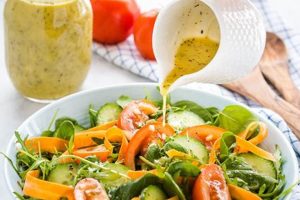
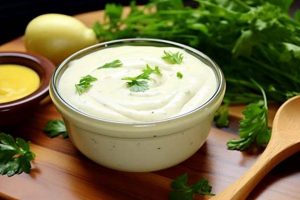
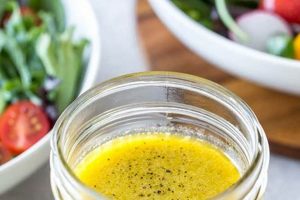
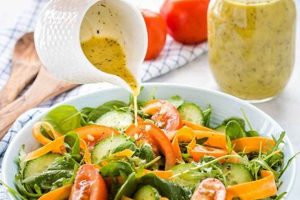
Formulations for creamy, nutty dressings based on tahini, a paste made from ground sesame seeds, offer versatile options for enhancing salads and other dishes. These typically include tahini as the base, an acidic element like lemon juice or vinegar, and additional seasonings such as garlic, herbs, or spices. A simple example combines tahini with lemon juice, water, and salt, whisked to a smooth consistency.
Such dressings offer a wealth of nutritional benefits, thanks to the sesame seeds from which tahini is derived. These seeds are rich in healthy fats, protein, fiber, vitamins, and minerals like calcium and iron. Their incorporation into a diet can contribute to heart health, bone strength, and improved digestion. Furthermore, using these dressings offers a delicious alternative to traditional oil-based options, introducing a unique flavor profile to a variety of cuisines, reflecting historical usage in Middle Eastern and Mediterranean culinary traditions.
The following sections will delve into specific formulations, exploring variations suitable for diverse palates and dietary needs, and offering guidance on techniques for achieving optimal flavor and texture.
Tips for Crafting Exceptional Tahini Dressings
Achieving the perfect balance of flavors and textures in a tahini-based dressing requires attention to a few key details. The following tips offer guidance for creating dressings that complement a variety of dishes.
Tip 1: Start with Quality Tahini: Opt for a high-quality tahini made from roasted sesame seeds for the richest flavor. The consistency should be smooth and creamy, not gritty or separated.
Tip 2: Balance Acidity Carefully: Acidity is crucial for cutting through the richness of tahini. Lemon juice, vinegar, or a combination of both can be used. Start with a small amount and adjust to taste, avoiding excessive tartness.
Tip 3: Master the Emulsification Process: Proper emulsification ensures a smooth, stable dressing. Whisking the tahini with a small amount of warm water before adding other ingredients can help prevent separation.
Tip 4: Explore Flavor Combinations: Garlic, ginger, cumin, paprika, and fresh herbs like parsley and cilantro can elevate the flavor profile. Experiment with different combinations to discover preferred nuances.
Tip 5: Adjust Consistency as Needed: The desired consistency can range from thin and pourable to thick and creamy. Adjust by adding more water for a thinner dressing or more tahini for a thicker one.
Tip 6: Seasoning is Key: Salt and pepper are essential for enhancing the overall flavor. Taste and adjust seasoning throughout the preparation process.
Tip 7: Proper Storage Extends Shelf Life: Store leftover dressing in an airtight container in the refrigerator for up to a week. Whisk thoroughly before using, as some separation may occur.
By following these tips, one can create delicious and versatile tahini dressings that complement a wide array of salads, vegetables, and proteins. These foundational techniques allow for both simple preparations and more complex variations, offering endless culinary possibilities.
The insights provided here offer a comprehensive understanding of the nuances involved in creating exceptional tahini-based dressings, empowering culinary exploration and enjoyment.
1. Ingredient Selection

Ingredient selection significantly impacts the final flavor profile and overall quality of tahini-based dressings. Careful consideration of each component ensures a balanced and nuanced result. Tahini quality itself forms the foundation; a smooth, creamy tahini made from roasted sesame seeds offers a richer, more complex flavor than one made from raw seeds. The acidic component, often lemon juice or vinegar, provides essential brightness and balances the richness of the tahini. Freshly squeezed lemon juice generally offers a superior flavor compared to bottled varieties. Furthermore, the choice of additional ingredients allows for extensive customization. For instance, incorporating garlic yields a pungent, savory dressing, while the inclusion of fresh herbs like parsley or cilantro adds a refreshing, herbaceous element. Spices like cumin, paprika, or sumac introduce distinct regional flavors, creating a unique culinary experience.
The interplay between these ingredients highlights the importance of balance. A dressing overly reliant on tahini may taste heavy, while excessive acidity can be unpleasantly tart. Using high-quality olive oil enhances the dressing’s richness and mouthfeel, while the judicious use of sweeteners like maple syrup or honey can temper any bitterness from the tahini and add complexity. Freshly ground spices typically offer more vibrant flavor than pre-ground versions, further enhancing the dressing’s overall profile. Considering these nuances empowers informed ingredient choices tailored to specific flavor preferences and desired outcomes. For example, a Middle Eastern-inspired dressing might include cumin and sumac, whereas a Mediterranean version might incorporate oregano and lemon zest. Understanding these flavor combinations allows for greater culinary creativity and control.
Ultimately, effective ingredient selection elevates tahini-based dressings from simple condiments to complex culinary creations. Recognizing the impact of each component allows for the creation of dressings that not only complement but enhance the dishes they accompany. This attention to detail translates directly into a more satisfying and flavorful culinary experience, underscoring the significant role ingredient selection plays in crafting exceptional tahini dressings.
2. Flavor Balancing

Flavor balancing is paramount in crafting successful tahini salad dressings. Tahini, with its inherent richness and nutty notes, necessitates careful consideration of complementary and contrasting flavors. The interplay of primary taste componentssweet, sour, salty, bitter, and umamidetermines the dressing’s overall character. A harmonious balance prevents any single element from dominating, resulting in a well-rounded and palatable experience.
Acidity plays a crucial role in balancing tahini’s richness. Lemon juice, vinegar, or sumac introduce tartness, cutting through the denseness and creating a brighter flavor profile. This acidic counterpoint prevents the dressing from feeling heavy or cloying. Sweetness, incorporated through ingredients like maple syrup, honey, or dates, can further enhance complexity and temper any bitterness from the tahini. Salt, a fundamental seasoning, enhances other flavors and provides a savory backbone. Incorporating umami-rich elements like miso paste or roasted garlic adds depth and savoriness, contributing to a more nuanced flavor profile.
Practical application of these principles involves incremental adjustments and careful tasting. Starting with a base of tahini, one gradually introduces acidic elements, followed by sweeteners and other seasonings. Frequent tasting allows for precise adjustments to achieve the desired balance. For example, a dressing destined for a bitter green salad might benefit from a touch more sweetness, while one intended for a sweeter salad might require a more pronounced acidic presence. Mastering this dynamic interplay of flavors elevates a tahini dressing from simple to sophisticated, demonstrating a deep understanding of culinary principles.
3. Texture Optimization
Texture optimization plays a critical role in the overall enjoyment of tahini salad dressings. The desired consistency, whether smooth and creamy or coarse and textured, significantly impacts the sensory experience. Manipulating ingredient ratios and incorporating specific techniques allows for precise control over the final texture, ensuring the dressing complements the accompanying dish.
- Tahini Consistency
The consistency of the tahini itself serves as the foundation. A runnier tahini will yield a thinner dressing, while a thicker tahini will result in a more viscous product. If the tahini is too thick, warm water can be incorporated gradually to achieve the desired consistency. Conversely, if the tahini is overly runny, additional tahini can be added to thicken the mixture.
- Emulsification
Proper emulsification is essential for preventing separation and achieving a stable, homogenous dressing. Whisking the tahini with a small amount of warm water before incorporating other ingredients aids in creating a smooth emulsion. The gradual addition of acidic components, such as lemon juice or vinegar, while whisking constantly, helps maintain the emulsion’s stability.
- Ingredient Incorporation
The addition of other ingredients can impact texture. Minced garlic or ginger adds subtle textural elements, while the inclusion of chopped fresh herbs provides a more pronounced textural contrast. Pureing certain ingredients, like roasted red peppers, can contribute to a creamier consistency.
- Temperature Considerations
Temperature affects both the viscosity and perceived texture of the dressing. Refrigeration can thicken the dressing, while allowing it to sit at room temperature can thin it slightly. Adjusting the consistency with additional water or tahini, as needed, after refrigeration is recommended.
Understanding these factors allows for precise control over the final texture, ensuring the tahini dressing complements the accompanying dish. A smooth, creamy dressing might be ideal for delicate greens, while a coarser, more textured dressing might better suit heartier vegetables or grain bowls. This attention to textural detail elevates the culinary experience, demonstrating a refined approach to dressing preparation.
4. Dietary Adaptations

Dietary adaptations play a significant role in the versatility of tahini salad dressing recipes. Modifying ingredients allows these dressings to accommodate various dietary restrictions and preferences, ensuring inclusivity and broader culinary application. Understanding the impact of ingredient substitutions empowers informed choices that maintain flavor and functionality while adhering to specific dietary needs.
Vegan diets, for instance, necessitate the replacement of honey with plant-based sweeteners like maple syrup or agave nectar. Gluten-free adaptations require careful selection of tamari or coconut aminos in place of soy sauce if used as a seasoning component. Individuals with nut allergies must ensure the tahini used is pure and not processed in facilities that handle other nuts. Low-sodium versions can be achieved by reducing or omitting added salt, relying on the inherent flavors of the other ingredients. Furthermore, adapting for specific health conditions, like diabetes, involves careful monitoring of added sugars and opting for low-glycemic sweeteners when necessary. For example, a date-sweetened tahini dressing offers a lower glycemic index compared to one sweetened with honey or maple syrup. Specific flavor profiles can be tailored without compromising dietary needs by adjusting spices and herbs. A garlic-free version can still offer robust flavor through the strategic use of cumin, coriander, or smoked paprika.
Successful dietary adaptations hinge on understanding ingredient functionalities and flavor profiles. Substituting ingredients requires careful consideration of their impact on the dressing’s overall taste, texture, and nutritional value. While maple syrup offers sweetness similar to honey, it carries distinct flavor notes that may influence the final product. Similarly, using tamari instead of soy sauce can subtly alter the umami profile. Recognizing these nuances allows for informed substitutions that maintain the intended flavor profile while adhering to dietary restrictions. This careful attention to detail ensures that tahini salad dressings remain a versatile and accessible culinary component for a wide range of individuals and dietary needs.
5. Culinary Applications
Culinary applications of tahini salad dressings extend far beyond the traditional salad. The dressing’s versatility stems from its unique flavor profilenutty, earthy, and slightly tangywhich complements a wide array of dishes. This adaptability makes tahini dressings a valuable component in diverse culinary contexts, from simple vegetable preparations to more complex composed plates. One example lies in its use as a marinade for proteins like chicken or tofu, where the tahini’s richness tenderizes the protein while imparting a complex flavor. Furthermore, it serves as an excellent sauce for roasted vegetables, adding a creamy, savory element that enhances their natural sweetness. Grain bowls and Buddha bowls benefit from the dressing’s textural contrast and nutritional value, creating a satisfying and wholesome meal. In Middle Eastern cuisine, tahini dressings are frequently used as a sauce for falafel, shawarma, and other street foods, adding a crucial element of flavor and moisture. The dressing’s creamy texture also lends itself well to dipping sauces for vegetables, chips, or pita bread.
The adaptability of tahini dressings allows for creative variations tailored to specific dishes. Adding roasted red peppers creates a smoky, vibrant dressing ideal for grilled vegetables. Incorporating fresh herbs like cilantro and mint provides a refreshing counterpoint to richer dishes. The consistency can also be adjusted to suit the application; a thinner dressing works well as a marinade or drizzle, while a thicker version functions as a dip or spread. Understanding these varied applications unlocks a range of culinary possibilities, demonstrating the dressing’s true potential beyond the salad bowl. This versatility encourages experimentation and allows cooks to explore diverse flavor combinations and textures, ultimately enriching culinary experiences.
In summary, the culinary applications of tahini salad dressings transcend basic salads, enriching a diverse spectrum of dishes. From marinades and sauces to dips and spreads, its adaptability contributes depth and complexity to various cuisines and culinary traditions. This versatility, coupled with the potential for customization, positions tahini dressings as an essential component in the modern kitchen, offering a range of possibilities for both novice and experienced cooks. Recognizing and harnessing this adaptability broadens culinary horizons and facilitates innovative flavor combinations, underscoring the practical significance of understanding tahini’s versatile applications.
Frequently Asked Questions
Addressing common inquiries regarding the preparation and utilization of tahini-based dressings provides clarity and facilitates successful culinary endeavors.
Question 1: How can separation in tahini salad dressing be prevented?
Thorough whisking and gradual incorporation of liquids, particularly warm water initially, into the tahini paste aids in creating a stable emulsion and minimizes separation. Storing the dressing in an airtight container in the refrigerator also helps maintain its consistency. Whisking again before serving rectifies any minor separation that may occur during storage.
Question 2: What are suitable substitutes for lemon juice in tahini dressings?
Vinegars, such as apple cider vinegar or white wine vinegar, offer comparable acidity and can effectively replace lemon juice. Sumac, a Middle Eastern spice, also provides a tangy, citrusy flavor profile and serves as an alternative acidic component.
Question 3: How can the thickness of a tahini dressing be adjusted?
Adding warm water gradually thins the dressing while whisking continuously. Conversely, incorporating additional tahini paste thickens the consistency. These adjustments allow for customization based on desired application and personal preference.
Question 4: How long can tahini salad dressing be stored?
Properly stored in an airtight container in the refrigerator, tahini dressing typically remains fresh for up to one week. Observing any changes in appearance or odor before consumption is recommended.
Question 5: Can tahini dressings be used for purposes other than salad dressings?
Tahini dressings offer versatility beyond salads. They function effectively as marinades for proteins, sauces for roasted vegetables or grain bowls, and dips for vegetables or pita bread. This adaptability expands culinary possibilities.
Question 6: How can tahini dressings be adapted for vegan diets?
Substituting honey or other animal-derived sweeteners with plant-based alternatives like maple syrup or agave nectar easily creates vegan-friendly tahini dressings. Ensuring all other ingredients align with vegan principles is essential.
Understanding these key aspects optimizes the preparation and utilization of tahini-based dressings, facilitating successful and enjoyable culinary experiences. The provided information equips individuals with the knowledge to create and adapt these dressings to suit various needs and preferences.
The following section explores specific recipe variations, offering practical examples of these principles in action.
Conclusion
Exploration of formulations for tahini-based dressings reveals their versatility and nutritional value. Careful ingredient selection, attention to flavor balance, and texture optimization are critical for achieving optimal results. Adaptability to various dietary needs expands the potential applications of these dressings. Furthermore, understanding their diverse culinary uses, extending beyond salads to marinades, sauces, and dips, unlocks a wider range of culinary possibilities.
Mastery of these principles empowers culinary exploration and elevates the creation of tahini-based dressings from simple mixtures to sophisticated culinary achievements. The potential for continued innovation within this culinary realm remains vast, promising further exciting developments in flavor profiles and applications.