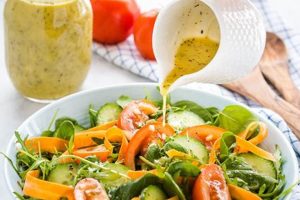
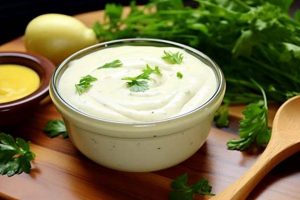
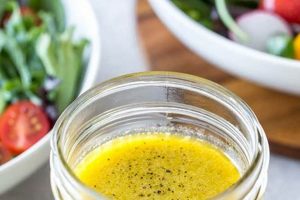
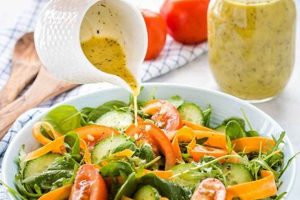
A foundational element of many cuisines, a simple yet flavorful emulsion of oil and vinegar forms the base of countless dressings. High-quality ingredients, proper ratios, and optional additions like herbs, spices, or sweeteners transform these two pantry staples into a versatile culinary tool. For example, a classic vinaigrette might consist of extra virgin olive oil, red wine vinegar, Dijon mustard, salt, and pepper.
Beyond its simplicity, a well-executed dressing offers significant benefits. It enhances the flavor profile of salads and other dishes, adding brightness, acidity, and depth. Historically, vinegar served as both a preservative and flavoring agent, making these dressings a practical choice. Modern variations explore diverse flavor combinations to complement various cuisines and dietary preferences. The ability to control ingredients allows for healthier choices, avoiding additives and excessive sugars often found in commercial dressings.
This exploration will delve into the principles of crafting exceptional dressings, covering ingredient selection, emulsion techniques, and creative flavor combinations. From classic vinaigrettes to innovative infusions, the following sections will equip readers with the knowledge to elevate their culinary creations.
Tips for Crafting Exceptional Vinaigrettes
Achieving a balanced and flavorful dressing requires attention to detail and an understanding of fundamental principles. The following tips offer guidance for creating vinaigrettes that enhance any dish.
Tip 1: Quality Ingredients Matter: The foundation of a superior dressing lies in the quality of its components. Opt for extra virgin olive oil with a robust flavor profile and a vinegar that complements the intended application, such as balsamic, red wine, or apple cider vinegar.
Tip 2: Proper Ratios are Key: A standard vinaigrette typically employs a 3:1 ratio of oil to vinegar. However, this can be adjusted to suit individual preferences. A higher oil content yields a richer dressing, while more vinegar adds tartness.
Tip 3: Emulsification Creates Harmony: Whisking the oil and vinegar vigorously creates a temporary emulsion, preventing separation and ensuring a cohesive dressing. A touch of Dijon mustard can act as an emulsifier, further stabilizing the mixture.
Tip 4: Seasoning Elevates Flavor: Salt and freshly ground black pepper are essential seasonings. A pinch of sugar or a touch of honey can balance acidity and enhance overall flavor complexity.
Tip 5: Fresh Herbs and Spices Add Depth: Incorporating finely chopped fresh herbs like parsley, chives, or thyme, or spices like garlic powder or onion powder, can add layers of flavor and aroma.
Tip 6: Experiment with Flavor Combinations: Explore different vinegar and oil pairings. Walnut oil with sherry vinegar, or avocado oil with lime juice, offer unique and exciting flavor profiles.
Tip 7: Taste and Adjust: Tasting the dressing throughout the preparation process is crucial. Adjust seasoning, vinegar, or oil as needed to achieve the desired balance.
By following these guidelines, one can consistently create dressings that not only complement but elevate culinary creations. A well-crafted vinaigrette transforms a simple salad into a memorable experience.
In conclusion, understanding the nuances of ingredient selection, emulsification, and flavor balancing empowers culinary enthusiasts to create exceptional dressings tailored to individual preferences and specific dishes.
1. High-quality Ingredients

The foundation of a superior vinaigrette rests upon the selection of high-quality ingredients. The nuance and complexity of a dressing are directly influenced by the characteristics of its components. Subtle flavor notes and desirable textures are often lost when using inferior oils or vinegars. For instance, a delicate extra virgin olive oil with fruity undertones contributes a different dimension of flavor compared to a generic vegetable oil. Similarly, a well-aged balsamic vinegar offers a depth of sweetness and acidity that a standard distilled vinegar cannot replicate. This distinction becomes particularly pronounced when creating dressings with minimal ingredients, where each component plays a crucial role in the final flavor profile. The synergistic effect of premium ingredients elevates a simple dressing from ordinary to exceptional.
The impact of ingredient quality extends beyond flavor. Texture, aroma, and even color are affected by the choices made. A robust extra virgin olive oil contributes a velvety texture, while a high-quality vinegar provides a clean, crisp acidity. The aroma of a freshly pressed oil or a barrel-aged vinegar adds another layer of sensory experience. Furthermore, the visual appeal of a dressing is enhanced by vibrant colors derived from natural ingredients, creating an aesthetically pleasing culinary experience. For example, a vinaigrette made with vibrant raspberry vinegar and a light-colored oil possesses a visual appeal distinct from one made with darker ingredients. Recognizing these nuances allows for a deeper appreciation and understanding of the role of each ingredient.
Ultimately, prioritizing high-quality ingredients signifies an investment in the overall sensory experience. While seemingly a minor detail, the choice of oil and vinegar significantly impacts the final product. Discerning palates will readily recognize the difference between a dressing crafted with premium ingredients and one made with lesser substitutes. This attention to detail not only elevates the immediate culinary experience but also fosters an appreciation for the art of crafting exceptional food. The pursuit of quality ingredients, therefore, becomes integral to the creation of truly memorable vinaigrettes.
2. Balanced Oil-Vinegar Ratio
Balance forms the cornerstone of a successful oil and vinegar salad dressing. The interplay between oil and vinegar dictates the overall sensory experience, impacting flavor, texture, and mouthfeel. A harmonious ratio ensures neither ingredient dominates, allowing their individual characteristics to complement each other. An excessively oily dressing can feel heavy and coat the palate, masking the flavors of the salad ingredients. Conversely, an overabundance of vinegar can result in an overly sharp, acidic dressing that overwhelms the other components. For instance, a classic vinaigrette typically thrives on a 3:1 ratio of oil to vinegar. This balance allows the richness of the oil to temper the sharpness of the vinegar, creating a pleasant, balanced flavor profile. Delicate greens might benefit from a higher oil ratio, while robust vegetables or proteins could support a slightly more acidic dressing. Understanding this dynamic allows for tailored adjustments based on the specific salad components.
The importance of a balanced oil-vinegar ratio extends beyond mere flavor. Texture and mouthfeel are equally influenced by this crucial balance. Oil contributes a smooth, lubricating quality, while vinegar provides a refreshing bite. A well-balanced dressing clings lightly to the salad ingredients, enhancing their textures without rendering them soggy. Consider a salad featuring crisp lettuce and crunchy vegetables. An overly oily dressing could weigh down the delicate leaves, while an overly acidic dressing might create an unpleasant, puckering sensation. A balanced ratio ensures the dressing enhances the textural contrast of the salad components, rather than detracting from them. Therefore, achieving the correct balance becomes paramount in creating a dressing that complements, rather than overwhelms, the overall culinary experience. Practical experimentation allows individuals to discover their preferred balance within the standard guidelines.
In conclusion, a balanced oil-vinegar ratio represents a crucial element of a well-executed dressing. This delicate equilibrium dictates not only the flavor profile but also the texture and overall sensory experience. Understanding the interplay between these two key components empowers culinary enthusiasts to create dressings perfectly suited to specific ingredients and personal preferences. Mastery of this fundamental principle allows for a deeper appreciation of the art of crafting exceptional vinaigrettes, transforming a simple salad into a truly delightful culinary creation. Challenges may arise when adapting recipes or using unfamiliar ingredients, highlighting the importance of tasting and adjusting throughout the preparation process.
3. Effective Emulsification

Effective emulsification represents a critical factor in achieving a high-quality oil and vinegar salad dressing. Emulsification refers to the process of combining two immiscible liquids, such as oil and vinegar, into a stable mixture. Without effective emulsification, the dressing will quickly separate, resulting in an uneven distribution of flavor and a less appealing texture. The oil will float to the top, while the vinegar settles at the bottom, requiring constant re-mixing before each use. A properly emulsified dressing, however, exhibits a smooth, consistent texture and delivers a balanced flavor in every bite. The process involves breaking down the oil into smaller droplets and dispersing them evenly throughout the vinegar, creating a homogenous mixture. This homogenous mixture ensures the flavors of the oil, vinegar, and any added seasonings are evenly distributed throughout the dressing and, consequently, the salad. For example, a classic French vinaigrette relies on emulsification to blend olive oil and vinegar, resulting in a creamy, cohesive dressing that coats the salad ingredients evenly.
Several techniques contribute to effective emulsification. Vigorous whisking creates the necessary shear force to break down the oil into smaller droplets, allowing them to disperse more readily in the vinegar. The addition of an emulsifying agent, such as Dijon mustard or egg yolk, further stabilizes the emulsion. These agents contain molecules with both hydrophilic (water-loving) and lipophilic (oil-loving) properties, allowing them to bridge the gap between the two immiscible liquids and create a more stable mixture. The emulsifying agent reduces the surface tension between the oil and vinegar, preventing the droplets from coalescing and separating. In a honey-mustard vinaigrette, the honey and mustard act as emulsifiers, binding the oil and vinegar together and creating a creamy, homogenous dressing. Similarly, in a Caesar salad dressing, egg yolk serves as the emulsifying agent, creating a rich and stable emulsion that coats the romaine lettuce evenly.
In conclusion, emulsification plays a pivotal role in the creation of a good oil and vinegar salad dressing. It contributes significantly to the texture, flavor, and overall appeal of the dressing. Understanding the principles of emulsification, such as the role of whisking and emulsifying agents, allows for greater control over the final product. Challenges can arise when attempting to emulsify highly acidic vinegars or oils with strong flavors, requiring careful selection of ingredients and precise techniques. Effective emulsification transforms a simple mixture of oil and vinegar into a cohesive and flavorful dressing that enhances the overall dining experience.
4. Appropriate Seasoning
Appropriate seasoning forms an integral part of a good oil and vinegar salad dressing recipe. Seasoning elevates the inherent flavors of the oil and vinegar, creating a more complex and nuanced flavor profile. Salt, a fundamental seasoning, not only enhances existing flavors but also tempers excessive acidity from the vinegar. The judicious use of salt allows the subtler notes of the oil and vinegar to shine through, creating a balanced and harmonious flavor profile. Pepper, another essential seasoning, adds a subtle heat and complexity, further enhancing the overall sensory experience. Beyond basic salt and pepper, a range of seasonings can be incorporated to complement specific flavor profiles. For example, a vinaigrette featuring lemon juice and olive oil benefits from the addition of herbs like oregano and thyme, creating a Mediterranean-inspired flavor profile. Similarly, a dressing made with rice vinegar and sesame oil might be enhanced with ginger and garlic, aligning with Asian-inspired cuisine.
The impact of appropriate seasoning extends beyond mere flavor enhancement. Seasoning plays a crucial role in balancing the overall flavor profile of the dressing. A dressing that is too acidic can be tempered with a touch of sweetness, such as a pinch of sugar or a drizzle of honey. Similarly, a dressing that lacks depth can be enhanced with the addition of umami-rich ingredients like a splash of soy sauce or a pinch of MSG. The interplay of these different flavor components creates a more balanced and satisfying culinary experience. Consider a classic vinaigrette: the right amount of salt balances the acidity of the vinegar, while a touch of black pepper adds a subtle warmth and complexity. Without proper seasoning, the dressing might taste flat or overly acidic. In a balsamic vinaigrette, a pinch of sugar can balance the intense sweetness and acidity of the balsamic vinegar, creating a more harmonious flavor profile. This highlights the importance of considering the specific characteristics of the oil and vinegar when selecting seasonings.
In conclusion, appropriate seasoning represents a critical factor in crafting a successful oil and vinegar salad dressing. It amplifies the inherent flavors of the oil and vinegar, creating a more complex and nuanced flavor profile. Furthermore, it plays a vital role in balancing the overall flavor, ensuring a harmonious and palatable experience. Challenges can arise when balancing seasonings with strong flavors, requiring careful consideration and adjustment. Understanding the interplay between different seasonings and their impact on the overall flavor profile empowers culinary enthusiasts to create truly exceptional dressings. This mastery of seasoning transforms a simple mixture of oil and vinegar into a culinary creation that elevates any salad.
5. Complementary Additions
Complementary additions represent a crucial aspect of crafting a truly exceptional oil and vinegar salad dressing. These additions, ranging from fresh herbs and spices to alliums and sweeteners, introduce layers of complexity and depth, transforming a simple vinaigrette into a nuanced culinary creation. The careful selection and incorporation of complementary additions allow for customization, aligning the dressing’s flavor profile with specific salad ingredients or desired culinary themes. The synergistic relationship between the base dressing and the added components creates a more complete and satisfying sensory experience. For example, a classic French vinaigrette gains depth and complexity with the addition of finely minced shallots and fresh parsley. The subtle sharpness of the shallot complements the acidity of the vinegar, while the herbaceous notes of parsley add a refreshing element.
The impact of complementary additions extends beyond mere flavor enhancement. These additions contribute to the overall texture, aroma, and visual appeal of the dressing. Fresh herbs provide a vibrant color and a burst of freshness, while spices add warmth and depth. Incorporating ingredients like minced garlic or grated ginger introduces textural nuances and aromatic complexity. Consider a balsamic vinaigrette enhanced with chopped walnuts and crumbled blue cheese: the walnuts introduce a satisfying crunch, while the blue cheese provides a creamy texture and a pungent, salty flavor that complements the sweetness of the balsamic vinegar. Similarly, a citrus vinaigrette can be elevated with the addition of poppy seeds and chopped chives, adding both textural and visual interest. These additions transform the dressing from a simple condiment into an integral component of the dish.
In conclusion, complementary additions play a pivotal role in crafting a truly exceptional oil and vinegar salad dressing. They expand the flavor profile, enhance the texture and aroma, and elevate the overall sensory experience. Challenges may arise when balancing the intensity of different additions, requiring careful consideration and adjustment. However, understanding the impact of these additions empowers culinary enthusiasts to create dressings tailored to specific ingredients and desired flavor profiles. This mastery of complementary additions distinguishes a simple vinaigrette from a sophisticated and memorable culinary creation, enhancing the enjoyment of any salad.
6. Proper Storage

Proper storage is essential for maintaining the quality and extending the shelf life of an oil and vinegar salad dressing. Neglecting proper storage practices can lead to undesirable changes in flavor, texture, and even safety. Oxidation, microbial growth, and flavor degradation are potential consequences of improper storage. Understanding and implementing correct storage techniques ensures the dressing retains its intended flavor profile and remains safe for consumption.
- Container Selection
Selecting the correct container plays a crucial role in preserving dressing quality. Airtight containers, preferably made of glass or high-quality plastic, are ideal. These containers minimize exposure to oxygen, which can cause the oil to oxidize and develop off-flavors. Opaque containers further protect the dressing from light, which can also contribute to degradation. For example, storing a vinaigrette in a clear glass bottle exposed to sunlight can lead to a loss of flavor and color. Using an airtight, opaque container mitigates these risks.
- Temperature Control
Temperature significantly impacts the stability and shelf life of a dressing. Refrigeration is generally recommended for most oil and vinegar dressings, particularly those containing fresh ingredients like herbs or garlic. Cold temperatures slow down the growth of microorganisms and enzymatic activity, which can lead to spoilage. However, refrigeration can cause some oils to solidify. If this occurs, allowing the dressing to come to room temperature before use restores its original consistency. Storing dressings at consistently cool temperatures ensures optimal quality and safety.
- Ingredient Considerations
The ingredients within the dressing influence its storage requirements. Dressings containing fresh ingredients, such as herbs, garlic, or fruits, generally have a shorter shelf life than those made with solely pantry staples. These fresh components are more susceptible to spoilage and can impart off-flavors to the dressing over time. For instance, a vinaigrette containing fresh basil might only last a few days in the refrigerator, while a classic French vinaigrette could last for a week or more. Careful consideration of ingredient perishability informs appropriate storage practices.
- Separation and Emulsion Stability
Even with proper storage, some separation of oil and vinegar may occur naturally. This is especially true for dressings without emulsifying agents. Gently shaking or whisking the dressing before each use re-emulsifies the mixture and ensures a consistent flavor and texture. If the dressing exhibits signs of spoilage, such as mold growth or a rancid odor, it should be discarded immediately. Regular inspection of stored dressings helps ensure quality and safety.
By adhering to these proper storage practices, the quality and longevity of an oil and vinegar salad dressing are significantly enhanced. This attention to detail ensures the dressing retains its intended flavor profile, texture, and safety, contributing to a more satisfying culinary experience. Neglecting proper storage can compromise the dressing’s quality and potentially lead to health risks. Therefore, proper storage practices are integral to a good oil and vinegar salad dressing recipe, ensuring a consistently delicious and safe culinary creation.
Frequently Asked Questions
This section addresses common inquiries regarding the preparation and utilization of oil and vinegar-based salad dressings.
Question 1: What is the ideal ratio of oil to vinegar in a basic vinaigrette?
A standard vinaigrette typically employs a 3:1 ratio of oil to vinegar. However, this ratio can be adjusted to suit individual preferences. A higher proportion of oil creates a richer dressing, while a greater vinegar content increases tartness.
Question 2: How can separation in a vinaigrette be prevented?
Vigorous whisking creates a temporary emulsion. Incorporating an emulsifying agent, such as Dijon mustard or honey, helps stabilize the mixture and prevent separation.
Question 3: Which types of oils are best suited for vinaigrette preparation?
Extra virgin olive oil is a popular choice. Other suitable options include avocado, grapeseed, and walnut oils. The flavor profile of the oil should complement the other ingredients.
Question 4: Beyond basic vinegar, which acidic components can be used?
Lemon or lime juice, various wine vinegars, and specialty vinegars like balsamic or apple cider vinegar offer diverse flavor profiles.
Question 5: How can the flavor profile of a vinaigrette be enhanced?
Fresh herbs, spices, minced garlic or shallots, and a touch of sweetness from honey or maple syrup add complexity and depth.
Question 6: What is the recommended storage method for prepared vinaigrettes?
Storing the vinaigrette in an airtight container in the refrigerator preserves its quality and extends its shelf life. Allowing refrigerated dressings to come to room temperature before serving often improves flavor and texture.
Understanding these fundamental aspects of vinaigrette preparation empowers individuals to create dressings tailored to individual preferences and specific culinary applications.
The following sections will explore specific recipe variations and offer advanced techniques for crafting exceptional vinaigrettes.
Conclusion
This exploration has delved into the art of crafting exceptional oil and vinegar salad dressings, emphasizing the significance of quality ingredients, balanced ratios, effective emulsification, appropriate seasoning, complementary additions, and proper storage. Each element contributes to the overall flavor profile, texture, and stability of the final product. From selecting premium oils and vinegars to understanding the nuances of emulsification and seasoning, attention to detail elevates a simple mixture into a culinary masterpiece. The incorporation of complementary additions further expands the possibilities, allowing for customized flavor profiles tailored to specific dishes and individual preferences. Finally, proper storage techniques ensure the longevity and quality of the dressing, preserving its intended flavor and preventing spoilage.
Mastery of these fundamental principles empowers culinary enthusiasts to transcend the limitations of pre-prepared dressings and embrace the creative potential of crafting personalized vinaigrettes. The ability to control every element, from ingredient selection to final seasoning, unlocks a world of flavor possibilities. This knowledge not only elevates the sensory experience of a simple salad but also fosters a deeper appreciation for the transformative power of culinary artistry. The pursuit of excellence in even the simplest of preparations, such as an oil and vinegar salad dressing, enriches the overall culinary landscape.