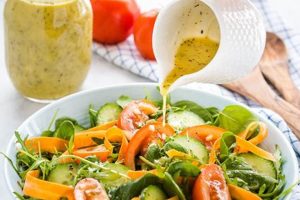
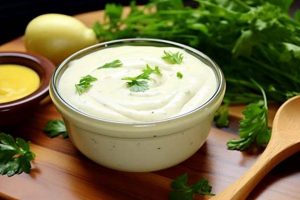
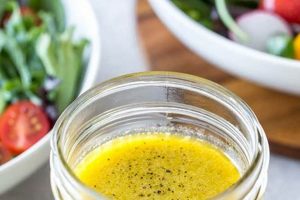
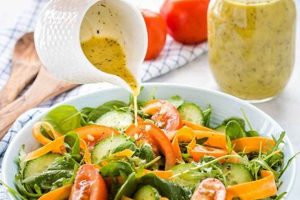
Dressings without added sweeteners offer a healthier alternative to conventional options often laden with sugar, corn syrup, or other sweetening agents. These recipes typically rely on the natural flavors of ingredients like vinegar, citrus juice, herbs, spices, and healthy fats to create flavorful emulsions for salads and other dishes. For example, a simple vinaigrette can be made with olive oil, lemon juice, Dijon mustard, and black pepper.
Reducing sugar intake is increasingly important for health-conscious individuals. Dressings free of added sugar contribute to this goal, assisting in managing blood sugar levels and reducing the risk of various health issues associated with excessive sugar consumption. Historically, salad dressings were simple preparations utilizing readily available ingredients like oil and vinegar. The addition of sugar became more common with the rise of commercially produced dressings. The renewed focus on healthier eating habits has led to a resurgence of interest in sugar-free alternatives.
This article will further explore various aspects of sugar-free dressing preparation, including ingredient selection, flavor profiles, techniques, and storage methods. Readers will gain a deeper understanding of how to craft delicious and healthful dressings to enhance their culinary creations.
Tips for Crafting Sugar-Free Salad Dressings
Creating flavorful dressings without added sugar requires careful consideration of ingredient combinations and techniques. These tips offer guidance for achieving delicious results.
Tip 1: Embrace Acidity: Vinegar and citrus juices provide essential tartness that balances the richness of oils and replaces the sweetness of sugar. Experiment with different types of vinegar, such as apple cider, balsamic, or red wine vinegar, as well as lemon, lime, or orange juice.
Tip 2: Explore Flavorful Fats: High-quality oils form the base of most dressings. Extra virgin olive oil, avocado oil, and walnut oil each contribute unique flavor profiles.
Tip 3: Enhance with Herbs and Spices: Fresh or dried herbs and spices add depth and complexity. Consider dill, parsley, oregano, mint, chives, garlic powder, onion powder, or smoked paprika.
Tip 4: Utilize Umami: Ingredients like Dijon mustard, nutritional yeast, Worcestershire sauce (ensure it’s sugar-free), or grated Parmesan cheese contribute savory umami notes that enhance overall flavor.
Tip 5: Balance Flavors: Taste and adjust seasonings as needed. A small amount of salt and freshly ground black pepper can significantly enhance other flavors.
Tip 6: Emulsify Effectively: Proper emulsification creates a smooth, creamy texture. Whisk ingredients vigorously or use a blender or food processor for a more stable emulsion.
Tip 7: Store Properly: Sugar-free dressings can typically be stored in an airtight container in the refrigerator for up to a week. Always shake well before serving as separation may occur.
By following these tips, one can create a wide variety of delicious and healthy sugar-free dressings to complement any salad or dish.
These guidelines provide a foundation for exploring the world of sugar-free dressings, empowering individuals to make healthier choices without sacrificing flavor.
1. Healthier Choices

Healthier choices in food preparation often involve reducing or eliminating added sugars. This directly relates to salad dressings, where sugar is frequently added for palatability. Opting for a no-sugar recipe contributes to a broader dietary strategy focused on minimizing processed ingredients and prioritizing whole foods. The following facets explore the components of this approach within the context of salad dressings.
- Reduced Sugar Intake
Eliminating added sugar from salad dressings significantly reduces overall sugar consumption. This is particularly relevant given the prevalence of hidden sugars in many processed foods. A typical two-tablespoon serving of some commercial dressings can contain several grams of sugar. A no-sugar alternative effectively removes these empty calories, supporting weight management and mitigating potential health risks associated with excessive sugar intake, such as insulin resistance and heart disease.
- Improved Glycemic Control
Sugar-free dressings help stabilize blood sugar levels. This is crucial for individuals with diabetes or those seeking to improve metabolic health. By avoiding the rapid blood sugar spikes caused by added sugars, these dressings contribute to sustained energy levels and reduced cravings. They also play a role in reducing the risk of long-term health complications associated with poorly managed blood sugar.
- Enhanced Flavor Exploration
Absence of sugar encourages greater appreciation of other flavors. The natural tartness of vinegar, the richness of olive oil, and the subtle nuances of herbs and spices become more pronounced. This fosters culinary creativity and allows for experimentation with a wider range of flavor profiles, often leading to more satisfying and complex taste experiences.
- Increased Nutrient Density
By focusing on whole-food ingredients like fresh herbs, spices, and quality oils, no-sugar dressings contribute to a nutrient-rich diet. These ingredients provide essential vitamins, minerals, and antioxidants that support overall health and well-being, contrasting with the empty calories provided by added sugars. This nutritional advantage further reinforces the value of choosing sugar-free alternatives.
These facets collectively demonstrate how no-sugar salad dressing recipes contribute to healthier eating patterns. The benefits extend beyond simple calorie reduction, impacting overall metabolic health, flavor perception, and nutrient intake. This approach supports a holistic view of healthy eating, emphasizing the importance of mindful ingredient selection and its impact on well-being.
2. Natural Sweetness
Natural sweetness plays a crucial role in formulating palatable no-sugar salad dressings. Relying solely on the acidity of vinegar or citrus juice can result in an overly sharp flavor profile. Balancing this tartness requires incorporating ingredients that offer a subtle sweetness without resorting to refined sugars. This natural sweetness contributes complexity and depth, making the dressing more enjoyable and versatile.
Several ingredients provide natural sweetness and enhance the overall flavor profile of no-sugar dressings. Balsamic vinegar, particularly aged varieties, possesses a rich, syrupy sweetness derived from the slow aging process of grape must. Fruit juices, such as apple, orange, or pomegranate, contribute sweetness along with complementary fruit flavors. Roasted vegetables, like bell peppers or carrots, develop a caramelized sweetness during cooking, adding a unique depth to dressings. Even a small amount of pureed dates or figs can impart a gentle sweetness and enhance the texture of the dressing.
Understanding the role of natural sweetness allows for strategic ingredient selection and thoughtful recipe development. For instance, pairing the sweetness of balsamic vinegar with the peppery notes of arugula creates a balanced and flavorful salad experience. The subtle sweetness of roasted red peppers can complement the earthiness of a walnut-based dressing. Recognizing these nuances allows for greater creativity and control over the final flavor profile, ensuring a delicious and healthful dressing without the need for added sugars. This knowledge empowers individuals to create dressings tailored to specific taste preferences and dietary needs, contributing to a more satisfying and health-conscious culinary experience.
3. Flavorful Ingredients

Flavorful ingredients are essential for creating palatable no-sugar salad dressings. The absence of added sugar necessitates a heightened focus on other flavor components to achieve a balanced and satisfying taste profile. Strategic selection and combination of ingredients contribute depth, complexity, and enjoyment to these dressings, proving that healthy choices need not sacrifice flavor.
- Fresh Herbs
Fresh herbs offer a bright, vibrant dimension to no-sugar dressings. Chives, parsley, dill, mint, and oregano each contribute unique aromatic notes that enhance the overall flavor profile. For example, dill complements a lemon-based dressing, while mint pairs well with cucumber and yogurt. Fresh herbs elevate the sensory experience, demonstrating that flavor complexity can be achieved without relying on sugar.
- Spices
Spices introduce warmth and complexity. Ground cumin, coriander, smoked paprika, and chili powder add depth and intrigue. A pinch of smoked paprika can enhance a vinaigrette, while a dash of chili powder adds a subtle kick. The judicious use of spices creates layered flavors, compensating for the absence of sugar and broadening the flavor spectrum.
- Aromatic Vegetables
Aromatic vegetables, such as garlic, shallots, and onions, form a foundational flavor base for many dressings. These ingredients, whether raw, roasted, or pickled, contribute savory notes that complement other components. Roasted garlic adds a mellow sweetness, while pickled onions provide a tangy counterpoint. The strategic incorporation of aromatic vegetables adds depth and complexity to the overall flavor profile.
- Quality Oils and Vinegars
The foundation of any good dressing lies in the quality of its oils and vinegars. Extra virgin olive oil offers a fruity, peppery flavor, while avocado oil provides a neutral base. Apple cider vinegar lends a tart sweetness, while balsamic vinegar contributes a rich, complex sweetness. The selection of high-quality oils and vinegars significantly influences the final taste and texture of the dressing, acting as a canvas for other flavors.
By thoughtfully combining fresh herbs, spices, aromatic vegetables, and high-quality oils and vinegars, one can create no-sugar salad dressings that are both healthy and flavorful. These ingredients work synergistically to create a complex and satisfying taste experience that rivals traditional sugar-laden dressings. This demonstrates that flavorful food does not require added sugar and reinforces the notion that healthy eating can be both delicious and enjoyable.
4. Versatile Applications
No-sugar salad dressings, often perceived as solely for salads, possess versatile applications extending beyond their traditional use. This versatility stems from the balanced flavor profiles achieved through the careful combination of ingredients like quality oils, vinegars, herbs, and spices, without relying on added sugars. Exploring these broader applications highlights the adaptability of these dressings and their potential to enhance a variety of dishes.
- Marinades
The acidic nature of no-sugar dressings, derived from vinegar or citrus juice, makes them excellent marinades for meat, poultry, and fish. The acidity tenderizes the protein while the other flavor components infuse the food, creating a depth of flavor that permeates the dish. For example, a lemon-herb vinaigrette can marinate chicken breasts before grilling, resulting in a flavorful and moist final product. This application reduces the need for additional sauces or seasonings, simplifying meal preparation.
- Vegetable Sauces
No-sugar dressings can be used as flavorful sauces for roasted or steamed vegetables. The dressing adds a bright, tangy element that complements the natural sweetness of the vegetables. A simple vinaigrette can be drizzled over roasted asparagus or broccoli, enhancing their flavor and adding a touch of richness. This application provides a healthy and flavorful alternative to butter or creamy sauces, aligning with dietary preferences for reduced fat and sugar intake.
- Dip for Crudits or Proteins
The balanced flavor profile of no-sugar dressings makes them ideal dips for raw vegetables, grilled chicken, or fish. The combination of healthy fats, acidity, and herbs and spices provides a refreshing and flavorful counterpoint to the other ingredients. A creamy avocado-based dressing can be served with crudits, or a tahini-lemon dressing can accompany grilled fish. This application offers a convenient and healthy snacking option or a light and flavorful meal component.
- Grain Bowl Enhancer
No-sugar dressings contribute flavor and moisture to grain bowls, tying together diverse ingredients like grains, roasted vegetables, and protein. The dressing coats the grains and vegetables, adding a unifying flavor element that enhances the overall dish. A balsamic vinaigrette can be tossed with quinoa, roasted sweet potatoes, and chickpeas for a nutritious and flavorful meal. This application demonstrates the versatility of these dressings in creating balanced and satisfying meals.
These varied applications demonstrate that no-sugar salad dressings are far from limited to salads. Their adaptability and balanced flavor profiles allow them to enhance a wide array of dishes, contributing flavor, moisture, and complexity. By understanding the versatile nature of these dressings, individuals can expand their culinary repertoire and integrate healthier choices into their everyday meals, moving beyond the confines of the salad bowl and embracing the broader potential of these flavorful and adaptable condiments.
5. Simple Preparation
Simplicity of preparation represents a significant advantage of no-sugar salad dressing recipes. This ease of creation stems from the reliance on readily available, whole-food ingredients and straightforward techniques. Often, whisking together a few pantry staples like oil, vinegar, and seasonings yields a flavorful and healthful dressing in minutes. This contrasts with more complex recipes that may involve multiple steps, specialized equipment, or less common ingredients. The time efficiency inherent in these recipes makes them practical for daily use, encouraging consistent adherence to healthier eating habits. For example, a basic vinaigrette requires only oil, vinegar, salt, and pepper, readily combined in a jar and shaken. This ease of preparation removes a common barrier to healthier cooking, namely time constraints.
The simplicity of these recipes also promotes experimentation and customization. Once a basic formula is understood, variations can be easily explored by substituting different oils, vinegars, herbs, or spices. This adaptability allows individuals to tailor dressings to specific taste preferences and dietary needs. One might substitute lime juice for lemon juice, or add a pinch of red pepper flakes for a touch of heat. This encourages culinary exploration and fosters a sense of ownership over one’s food choices. Furthermore, the simplicity reduces the likelihood of errors, making it an accessible entry point for novice cooks. Mastering basic no-sugar dressing recipes builds confidence and encourages further culinary exploration, contributing to a positive and sustainable approach to healthy eating.
The accessibility and adaptability offered by the simple preparation of no-sugar salad dressings are key factors contributing to their appeal. This simplicity removes barriers to healthier eating by reducing time constraints and encouraging customization. Furthermore, the ease of preparation promotes culinary experimentation and builds confidence, fostering a sustainable and enjoyable approach to healthy cooking. This contributes to long-term dietary changes and promotes a more positive relationship with food preparation. The straightforward nature of these recipes underscores the accessibility of healthy eating and demonstrates that flavor and convenience can coexist within a health-conscious framework.
6. Dietary Management

Dietary management frequently necessitates careful consideration of added sugars. No-sugar salad dressing recipes play a significant role in this context, offering a practical solution for individuals seeking to reduce or eliminate added sugars from their diets. This connection is particularly relevant for managing conditions like diabetes, metabolic syndrome, or weight management programs where controlling sugar intake is crucial. For instance, a person managing diabetes can incorporate no-sugar dressings into their meal plan to help regulate blood glucose levels and mitigate potential complications associated with high blood sugar. This demonstrates the direct impact of recipe choices on dietary management and overall health outcomes.
The importance of dietary management as a component of no-sugar salad dressing recipes extends beyond simple sugar reduction. These recipes often prioritize whole-food ingredients, such as fresh vegetables, herbs, and healthy fats. This focus on nutrient-dense components aligns with broader dietary goals of improving overall nutrition and reducing the intake of processed foods. For example, a dressing made with olive oil, apple cider vinegar, and fresh herbs not only avoids added sugar but also provides beneficial antioxidants and healthy fats. This holistic approach to ingredient selection underscores the value of no-sugar dressings within a broader dietary management strategy, considering not just what is excluded but also what is included.
Practical application of this understanding involves integrating no-sugar salad dressings into a balanced meal plan. This requires not only adopting appropriate recipes but also understanding portion control and considering the overall nutritional composition of the meal. Challenges may arise when dining out or consuming commercially prepared foods, where hidden sugars can be prevalent. Careful label reading and mindful choices are essential to maintain consistency with dietary goals. Ultimately, the successful integration of no-sugar salad dressings into dietary management hinges on a comprehensive understanding of their role in overall health and a commitment to informed food choices. This empowers individuals to leverage these recipes as a tool for achieving and maintaining long-term health and well-being.
Frequently Asked Questions
The following addresses common inquiries regarding no-sugar salad dressing recipes, providing clarity and practical guidance for incorporating these recipes into various dietary approaches.
Question 1: Are all no-sugar dressings suitable for individuals with diabetes?
While the absence of added sugar is beneficial, consideration must be given to the overall carbohydrate content and glycemic index of other ingredients. Dressings containing honey or fruit juice, although natural sugars, can still impact blood glucose levels. Consultation with a healthcare professional or registered dietitian is recommended for personalized guidance.
Question 2: How can one ensure commercially prepared dressings are truly sugar-free?
Careful label reading is essential. “No sugar added” does not necessarily mean sugar-free. Ingredients lists should be scrutinized for hidden sugars such as corn syrup, dextrose, or maltose. Opting for dressings specifically labeled “sugar-free” or making dressings at home offers greater control over ingredients.
Question 3: Can no-sugar dressings be used in cooked dishes?
Yes, these dressings offer versatility beyond salads. They function well as marinades for meat or vegetables, adding flavor and tenderizing properties. They can also be incorporated into cooked dishes, providing a flavorful sauce or glaze. However, high heat can alter the flavor profile, so they are often best added towards the end of the cooking process.
Question 4: What are some healthy fat sources for no-sugar dressings?
Extra virgin olive oil, avocado oil, flaxseed oil, and walnut oil provide healthy fats and contribute distinct flavor profiles. These oils offer monounsaturated and polyunsaturated fats, beneficial for heart health. Selecting high-quality oils enhances both flavor and nutritional value.
Question 5: How can no-sugar dressings be thickened without adding sugar or unhealthy additives?
Pureeing a portion of the dressing ingredients, such as roasted vegetables or avocado, can create a thicker consistency. Adding a small amount of chia seeds or flaxseed meal can also create a thicker texture while contributing additional fiber and nutrients. These methods avoid the need for unhealthy thickeners or added sugars.
Question 6: How long can homemade no-sugar dressings be stored?
Properly stored in airtight containers in the refrigerator, most homemade no-sugar dressings can last for up to a week. Separation may occur, which is normal; simply shake well before serving. Discarding the dressing if any signs of spoilage, such as mold or off-odors, appear, is essential.
Understanding the nuances of no-sugar salad dressing recipes empowers informed choices. These insights contribute to healthier eating patterns and broader dietary management strategies.
Exploring specific recipe examples will further illustrate the practical application of these principles and provide inspiration for culinary creativity.
Conclusion
Exploration of no-sugar salad dressing recipes reveals a path to flavorful, health-conscious eating. Eliminating added sugar, while prioritizing fresh, whole-food ingredients, allows for both dietary management and culinary creativity. The versatility of these dressings extends beyond salads, encompassing marinades, sauces, and dips. Simplicity of preparation further enhances their practicality for daily use.
Dietary choices significantly impact well-being. Embracing no-sugar salad dressing recipes represents a step towards mindful eating, demonstrating that flavor and health can coexist. Continued exploration of culinary possibilities using natural ingredients empowers informed choices and contributes to a more healthful and enjoyable relationship with food.