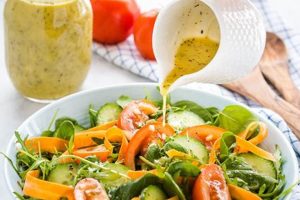
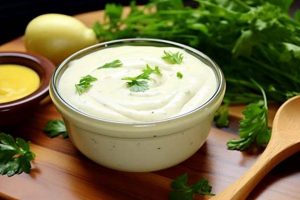
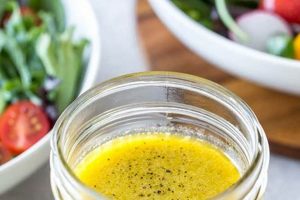
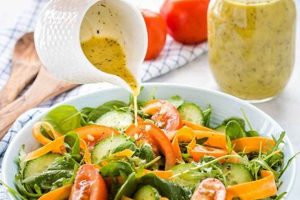
A vinaigrette typically composed of vinegar, water, lemon juice, and a blend of herbs and spices such as oregano, basil, parsley, and garlic creates a low-calorie, flavorful option for salads. Recipes may include additional ingredients like mustard, sweeteners, or thickeners to enhance the texture and taste while maintaining a low fat content. This approach offers a lighter alternative to traditional Italian dressings, which often contain oil and thus more calories and fat.
Health-conscious individuals seeking to reduce dietary fat and calories often find such dressings appealing. They offer the opportunity to enjoy the vibrant flavors of Italian cuisine without compromising dietary goals. The rising popularity of these dressings reflects broader dietary trends focusing on healthier eating habits and the increased availability of low-fat and fat-free food options. This shift towards lighter culinary choices likely stems from growing awareness of the health risks associated with high fat intake.
The following sections will explore specific formulation strategies for achieving optimal flavor and texture in low-fat Italian dressings, compare the nutritional profiles of various recipes, and offer practical tips for preparation and storage.
Tips for Crafting Delicious Low-Fat Italian Dressings
Creating a flavorful, low-fat Italian dressing requires careful consideration of ingredient selection and preparation techniques. These tips offer guidance for achieving optimal results.
Tip 1: Embrace the Power of Herbs and Spices. Freshly chopped herbs like oregano, basil, parsley, and thyme contribute significantly to the flavor profile. Experimenting with different combinations allows for customized taste experiences. Dried herbs can be substituted when fresh options are unavailable, but they should be used sparingly due to their concentrated flavor.
Tip 2: Enhance Flavor with Aromatics. Garlic and shallots, finely minced or grated, add depth and complexity. Roasting garlic before incorporation mellows its flavor and adds a subtle sweetness.
Tip 3: Balance Acidity Carefully. The right balance between vinegar and lemon juice is crucial. Red wine vinegar, white wine vinegar, and balsamic vinegar each offer unique flavor profiles. Lemon juice adds brightness and helps to balance the sharpness of the vinegar.
Tip 4: Consider Sweeteners Strategically. A touch of sweetness can round out the flavor profile. A small amount of honey, maple syrup, or a sugar substitute can be used, but moderation is key to prevent excessive sweetness.
Tip 5: Achieve Desired Consistency. A whisk or blender can be used to emulsify the dressing, creating a smooth and consistent texture. Adding a small amount of xanthan gum or cornstarch can help thicken the dressing if desired.
Tip 6: Taste and Adjust. Tasting throughout the preparation process is essential. Adjusting the balance of herbs, spices, acidity, and sweetness allows for fine-tuning the flavor profile to personal preference.
Tip 7: Proper Storage Enhances Longevity. Store the dressing in an airtight container in the refrigerator for up to one week. Shake well before each use as separation may occur.
By following these tips, one can create a flavorful and healthy Italian dressing that complements a variety of salads and dishes.
The following section concludes with a summary of key benefits and encourages further exploration of low-fat culinary options.
1. Flavorful Ingredient Combinations
Flavorful ingredient combinations are essential for creating a palatable and satisfying fat-free Italian salad dressing. Without the richness contributed by fats, the flavor profile relies heavily on the careful selection and balance of other components. The following facets illustrate how specific ingredients contribute to a successful outcome.
- Acidity as a Foundation
Acidity provides the foundational flavor structure of the dressing. Vinegar, a core component, contributes sharpness. Different types of vinegar, such as red wine vinegar, white wine vinegar, apple cider vinegar, and balsamic vinegar, offer unique flavor nuances. Lemon juice provides a brighter, citrusy acidity that complements and balances the vinegar. The ratio of vinegar to lemon juice impacts the overall tartness and complexity of the dressing.
- The Role of Herbs and Spices
Herbs and spices add depth and complexity to the dressing’s flavor profile. Fresh herbs like oregano, basil, parsley, thyme, and rosemary impart vibrant, aromatic notes. Dried herbs offer a more concentrated flavor but should be used sparingly. Garlic, whether fresh, granulated, or roasted, adds a pungent savory element. Other spices like red pepper flakes, black pepper, and onion powder can further enhance the complexity.
- Sweetness as a Balancing Element
A touch of sweetness can balance the acidity and enhance the overall flavor profile. Small amounts of honey, maple syrup, or sugar substitutes can be incorporated. However, moderation is key to avoid excessive sweetness that might mask the other flavors. The type of sweetener chosen can also contribute subtle flavor nuances, such as the floral notes of honey or the robust character of maple syrup.
- Umami for Depth and Savory Notes
Ingredients like Dijon mustard, Worcestershire sauce (used sparingly), or nutritional yeast contribute umami, adding depth and savory notes to the dressing. These ingredients provide a complexity that mimics the richness often associated with full-fat dressings. They also help round out the flavor profile, creating a more balanced and satisfying experience.
By strategically combining these elements acidity, herbs and spices, sweetness, and umami a fat-free Italian dressing can achieve a robust and satisfying flavor profile that rivals traditional, full-fat versions. The careful balance of these components is paramount in creating a dressing that is both healthy and enjoyable.
2. Low-Calorie Alternatives
Low-calorie alternatives play a crucial role in formulating palatable fat-free Italian salad dressings. Traditional Italian dressings often rely on oil for both flavor and texture. Removing this ingredient necessitates substitutes that can replicate these attributes without contributing significant calories or fat. This substitution process impacts several key characteristics of the dressing.
One primary function of low-calorie alternatives is to provide body and mouthfeel. Ingredients such as xanthan gum, guar gum, or cornstarch act as thickeners, creating a more viscous consistency that mimics the texture of oil-based dressings. This improved texture enhances the sensory experience, making the dressing more appealing. Another key contribution of these alternatives lies in their ability to improve cling. A thicker dressing adheres better to salad greens, ensuring more even flavor distribution. Without these alternatives, a fat-free dressing might be too watery and drain off the salad, resulting in a less satisfying culinary experience.
Furthermore, certain low-calorie alternatives contribute to flavor enhancement. While not direct flavoring agents, they can act as carriers for other flavors and improve the overall balance of the dressing. For instance, a small amount of a low-calorie sweetener, such as stevia or erythritol, can balance the acidity of vinegar and lemon juice. This balancing effect creates a more rounded and complex flavor profile, making the dressing more palatable. However, the selection and quantity of these alternatives must be carefully considered. Overuse of thickeners can lead to a slimy texture, while excessive sweetener can create an unpleasantly sweet dressing. The ultimate goal is to achieve a balance that replicates the desirable qualities of a full-fat dressing while maintaining a low-calorie and fat-free profile.
3. Herbs and Spices

Herbs and spices form the cornerstone of flavor complexity in fat-free Italian salad dressings. Their judicious use compensates for the absent richness typically imparted by fats. This reliance on aromatic components necessitates a nuanced understanding of their individual characteristics and synergistic potential. The interplay of these ingredients significantly influences the final flavor profile, determining the balance between sweetness, acidity, and savory notes. For example, the peppery bite of oregano complements the sweetness of basil, while the earthy notes of dried thyme provide a contrasting backdrop. The quantity and combination of herbs and spices allow for extensive customization, enabling the creation of dressings tailored to specific palates or dietary needs. A dressing intended for a robust salad might feature assertive flavors like garlic and red pepper flakes, whereas a lighter dressing could emphasize the delicate fragrance of fresh parsley and chives.
The freshness and quality of herbs and spices directly impact the overall quality of the dressing. Fresh herbs, when available, generally provide the most vibrant and nuanced flavors. Dried herbs offer a convenient alternative, but their concentrated nature requires careful portioning. Improper storage can lead to flavor degradation, particularly in dried herbs and ground spices. Storing these ingredients in airtight containers in a cool, dark place helps preserve their potency and extends their shelf life. The preparation method also influences the release of aromatic compounds. Crushing or bruising fresh herbs before adding them to the dressing enhances their flavor contribution. Similarly, toasting whole spices before grinding intensifies their aromatic complexity.
Mastery of herb and spice utilization is essential for crafting exceptional fat-free Italian dressings. Strategic combinations elevate the sensory experience, transforming a simple vinaigrette into a culinary highlight. Careful sourcing and proper storage ensure optimal flavor retention, while thoughtful preparation techniques maximize the impact of these aromatic components. The absence of fat amplifies the importance of this element, making herbs and spices the defining factor in a successful fat-free Italian dressing recipe.
4. Proper Emulsification Techniques

Proper emulsification techniques are crucial for the stability and palatability of fat-free Italian salad dressings. Unlike traditional dressings that rely on oil to create a cohesive emulsion, fat-free versions require alternative strategies to achieve a desirable texture and prevent separation. These techniques influence the dressing’s appearance, mouthfeel, and flavor delivery.
- Ingredient Selection and Order of Addition
The choice of ingredients and the order in which they are combined directly impact emulsion stability. Certain ingredients, such as mustard or a small amount of egg yolk (if not strictly vegan), can act as natural emulsifiers, helping to bind the water-based components. Adding ingredients in a specific sequence, starting with the emulsifying agent and gradually incorporating other components while whisking continuously, promotes a more stable emulsion.
- Whisking versus Blending
The method of agitation employed during preparation influences the emulsion’s texture. Whisking vigorously by hand creates a lighter, airier emulsion, whereas blending produces a smoother, more homogenous texture. The choice depends on the desired final consistency and the specific ingredients used. Over-blending can sometimes incorporate excessive air, leading to instability.
- Temperature Considerations
Temperature plays a role in emulsification, particularly when using ingredients like xanthan gum or cornstarch as thickeners. Heating these ingredients in a small amount of water before incorporating them into the dressing ensures complete hydration and optimal thickening properties. Conversely, adding cold ingredients to a warm base can hinder emulsification.
- Adjusting Consistency
Achieving the desired consistency often requires adjustments during the emulsification process. If the dressing is too thin, additional thickener can be incorporated incrementally. If it becomes too thick, a small amount of water or vinegar can be added to thin it out. Constant monitoring and adjustment are essential for achieving the desired texture.
Successful emulsification ensures that the fat-free Italian dressing remains homogenous, visually appealing, and delivers a consistent flavor experience. A stable emulsion prevents separation, which can lead to an unappetizing appearance and uneven flavor distribution. These techniques, while seemingly simple, contribute significantly to the overall quality and enjoyment of the final product, demonstrating that a fat-free dressing can possess both nutritional value and culinary appeal.
5. Storage and Shelf Life

Storage and shelf life significantly impact the quality and safety of fat-free Italian salad dressings. Due to the absence of preservatives typically found in commercially produced dressings, homemade versions require careful attention to storage practices to maintain optimal flavor and prevent spoilage. Proper storage inhibits microbial growth and preserves the integrity of the dressing’s delicate flavor balance. A key factor influencing shelf life is the presence of fresh ingredients. Dressings containing fresh herbs or garlic tend to have a shorter shelf life compared to those made solely with dried ingredients. Refrigeration is essential for preserving freshness. Storing the dressing in an airtight container in the refrigerator slows down microbial activity and enzymatic degradation, extending its usability.
Practical application of proper storage techniques involves selecting appropriate containers and maintaining consistent refrigeration temperatures. Airtight containers minimize oxidation and prevent the absorption of unwanted odors from other foods in the refrigerator. Glass containers offer the best protection against flavor contamination, while high-quality plastic containers provide a lighter and more shatter-resistant alternative. Maintaining a refrigerator temperature below 40F (4C) further inhibits bacterial growth. Regularly checking the dressing for signs of spoilage, such as changes in color, odor, or texture, is essential. Any indication of spoilage necessitates discarding the dressing to prevent foodborne illness. Labeling the container with the date of preparation allows for easy tracking of freshness and helps ensure consumption within a safe timeframe.
Understanding the relationship between storage practices and shelf life empowers informed decisions regarding preparation quantities and consumption timelines. Smaller batches minimize waste and ensure optimal flavor throughout consumption. Adhering to recommended storage practices preserves the quality and safety of fat-free Italian salad dressings, allowing individuals to enjoy the health benefits and culinary advantages of these homemade condiments without compromising food safety. This knowledge translates to a more satisfying and healthful culinary experience.
Frequently Asked Questions
This section addresses common inquiries regarding fat-free Italian salad dressings, offering practical solutions and clarifying potential misconceptions.
Question 1: How can one achieve a thicker consistency in a fat-free Italian dressing without using excessive amounts of thickeners?
Pureeing a portion of the dressing ingredients, such as roasted red peppers or a small amount of cooked white beans, can add body without relying solely on thickeners like xanthan gum. This approach also contributes additional flavor nuances.
Question 2: What strategies can be employed to prevent separation in fat-free Italian dressings?
Employing a small amount of Dijon mustard or a paste made from blended nuts or seeds can help stabilize the emulsion and prevent separation. Vigorous whisking or blending immediately before serving also helps to re-emulsify any separated components.
Question 3: Can fat-free Italian dressings be used for marinades?
While fat-free dressings can be used as marinades, their lower fat content may not provide the same tenderizing effect as oil-based marinades. Adding a small amount of an acidic ingredient like lemon juice or vinegar can help tenderize the proteins.
Question 4: How should fresh herbs be incorporated into fat-free Italian dressings to maximize their flavor contribution?
Fresh herbs release more flavor when finely chopped or crushed. Adding them towards the end of the preparation process preserves their delicate aromas. Alternatively, infusing the vinegar component with herbs for a short period can impart a more subtle herbal essence.
Question 5: What are effective strategies for reducing sodium content in fat-free Italian dressings?
Using low-sodium or no-salt-added ingredients like vinegar, canned tomatoes, and spices is crucial. Fresh herbs and lemon juice can further enhance flavor and reduce the need for added salt. Potassium chloride-based salt substitutes can also be considered, but their flavor profile differs from traditional table salt.
Question 6: How can one adapt a traditional Italian dressing recipe to a fat-free version?
Replacing the oil component with a combination of water, vinegar, or vegetable broth is the first step. Enhancing the flavor profile with herbs, spices, and low-calorie sweeteners compensates for the absent richness from fat. Adjusting the consistency with thickeners might be necessary to achieve a desirable texture.
By understanding these common concerns and employing appropriate techniques, individuals can successfully create and enjoy flavorful, healthy fat-free Italian salad dressings.
The next section explores advanced culinary applications of fat-free Italian dressings.
Conclusion
Exploration of fat-free Italian salad dressing recipes reveals the potential for crafting flavorful, health-conscious condiments. Strategic utilization of herbs, spices, and low-calorie alternatives compensates for the absence of traditional fats. Proper emulsification techniques ensure desirable texture and stability, while careful attention to storage practices maintains quality and safety. Addressing common challenges, such as achieving desired consistency and preventing separation, empowers informed decision-making throughout the preparation process.
Culinary innovation within the realm of fat-free dressings offers a pathway to healthier eating habits without compromising flavor or satisfaction. Continued exploration of ingredient combinations and preparation techniques promises further enhancement of these recipes, contributing to a more health-conscious and flavorful culinary landscape.