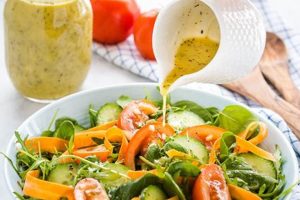
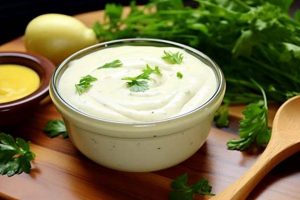
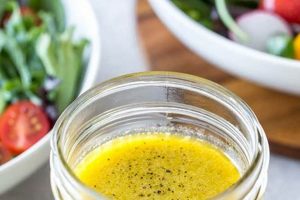
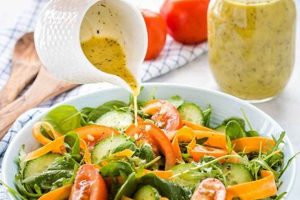
A blend of fermented soybean paste (miso), pungent ginger, and other complementary ingredients forms the base of a versatile culinary condiment used to enhance salads. Common additions include rice vinegar, sesame oil, sweeteners like honey or maple syrup, and sometimes garlic or chili flakes for added depth. The resulting emulsion offers a balance of umami, sweetness, acidity, and spice.
This type of dressing provides a flavorful, healthier alternative to many commercially produced dressings. Miso offers probiotics and essential minerals, while ginger contributes anti-inflammatory properties. Adaptable to various cuisines and dietary needs, it can be used with a wide array of vegetables, proteins, and grains. Its growing popularity reflects increased consumer interest in global flavors and nutritious, convenient meal options.
This exploration will delve into specific ingredient variations, preparation techniques, ideal pairings, and storage recommendations for maximizing the culinary potential of this dynamic condiment. Nutritional information and modifications for specific dietary restrictions will also be addressed.
Tips for Crafting the Perfect Dressing
Achieving a well-balanced and flavorful dressing requires attention to detail and an understanding of ingredient interactions. The following tips offer guidance for optimizing flavor profiles and ensuring a successful culinary outcome.
Tip 1: Miso Selection: White (shiro) miso offers a milder, sweeter flavor profile, while red (aka) miso provides a more intense, savory taste. Experimentation with different miso varieties allows for customized flavor complexity.
Tip 2: Ginger Preparation: Freshly grated ginger offers the most potent flavor and aroma. Pre-minced or powdered ginger can be substituted, but adjustments may be needed to achieve the desired intensity.
Tip 3: Balancing Acidity: Rice vinegar provides a mild acidity that complements the other ingredients. Mirin or lime juice can be used as alternatives, but adjustments to quantities may be necessary.
Tip 4: Sweetener Incorporation: Honey, maple syrup, or agave nectar can balance the savory and acidic elements. Start with a small amount and adjust to preference.
Tip 5: Oil Selection: Sesame oil adds a nutty aroma and flavor. Neutral oils like grapeseed or avocado oil can also be used, allowing the other flavors to shine through.
Tip 6: Emulsification Technique: Whisking ingredients vigorously creates a smooth, emulsified dressing that clings well to salad components.
Tip 7: Flavor Adjustment: A small amount of soy sauce or tamari can enhance umami, while chili flakes or sriracha add heat. Taste and adjust seasonings as needed.
By following these guidelines, one can consistently create a delicious and versatile dressing suitable for a variety of culinary applications.
These tips provide a foundation for successful dressing preparation, leading to an enhanced dining experience.
1. Ingredient Quality

The final character of a miso ginger salad dressing hinges directly on the quality of its constituent ingredients. Substandard or improperly stored components can negatively impact flavor, texture, and overall culinary experience. Selecting high-quality ingredients ensures a balanced, vibrant, and flavorful dressing.
- Miso Paste Selection
Different miso varieties offer distinct flavor profiles. Fresh, unpasteurized miso contributes beneficial probiotics and a more complex taste. Look for miso paste that is rich in color and aroma, avoiding products with discoloration or off-odors. Properly stored miso, refrigerated in an airtight container, retains optimal quality. Choosing the right miso for the desired flavor profile is crucial white (shiro) miso for sweetness, yellow (shinshu) for a balance, and red (aka) miso for bolder, more savory notes.
- Fresh Ginger’s Significance
Fresh ginger offers superior flavor and aroma compared to dried or powdered alternatives. Choose firm, plump ginger roots with smooth skin. Avoid ginger that appears shriveled or has soft spots. Freshly grated ginger provides the most vibrant flavor; pre-minced or powdered ginger should be used sparingly as they often lack the same intensity. The pungency of ginger can vary; taste a small amount before incorporating it to gauge its strength and adjust the quantity accordingly.
- Supporting Ingredient Impact
Other ingredients, such as rice vinegar, sesame oil, and sweeteners, also contribute significantly to the overall quality. High-quality rice vinegar provides a balanced acidity. Select pure sesame oil for optimal flavor. Natural sweeteners like honey or maple syrup enhance complexity. The choice of oil impacts the dressing’s mouthfeel and flavor. Opting for pure, unrefined oils ensures the best results. Similarly, using high-quality sweeteners avoids artificial aftertastes.
- Storage and Shelf Life Considerations
Proper storage of ingredients extends shelf life and preserves quality. Store miso paste in an airtight container in the refrigerator. Keep ginger refrigerated or frozen, depending on usage frequency. Store oils and sweeteners in cool, dark places away from direct sunlight and heat. Proper storage prevents oxidation and degradation of delicate ingredients, preserving their optimal flavor and ensuring a high-quality dressing.
Prioritizing high-quality ingredients and understanding their nuances significantly enhances the resultant miso ginger salad dressing. The interplay of these carefully chosen components elevates the dressing from a simple condiment to a culinary highlight, contributing to a more satisfying and enjoyable dining experience.
2. Flavor Balance
Flavor balance represents a critical aspect of a successful miso ginger salad dressing recipe. The interplay of sweet, salty, umami, sour, and spicy notes determines the overall complexity and palatability of the dressing. A harmonious balance elevates the culinary experience, while imbalances can lead to a less satisfying outcome. The fundamental elements contributing to flavor balance include the quality of the miso paste, the pungency of the ginger, the acidity level, and the choice and quantity of sweetener. Understanding the interplay of these components enables informed adjustments to achieve the desired flavor profile.
The inherent saltiness of miso provides a foundational flavor base. This saltiness must be balanced by sweetness, typically from honey, maple syrup, or other sweeteners. The quantity of sweetener added depends on the desired sweetness level and the inherent sweetness of the chosen miso. Rice vinegar introduces acidity, which brightens the overall flavor and counterbalances both saltiness and sweetness. Fresh ginger contributes a spicy, pungent note that adds complexity and depth. The amount of ginger used impacts the final level of spiciness, offering flexibility based on preference.
Consider, for example, a dressing made with a strong, salty red miso. This would require a higher proportion of sweetener to balance the intense saltiness. Conversely, a milder white miso requires less added sweetener. If the ginger used is particularly pungent, a smaller quantity may be necessary to avoid overwhelming the other flavors. The desired balance also depends on the intended use of the dressing. A dressing for a light, delicate salad might favor a subtler flavor profile, while a dressing for heartier ingredients could benefit from bolder flavors. Achieving optimal flavor balance involves careful consideration of ingredient selection and quantity adjustments based on individual preferences and the intended application of the dressing.
3. Proper Emulsification

Proper emulsification is crucial for the texture and stability of a miso ginger salad dressing. It ensures a smooth, cohesive consistency where the oil and other liquid components remain evenly dispersed, preventing separation and enhancing the sensory experience. A stable emulsion clings effectively to salad ingredients, delivering balanced flavor in each bite. This section explores the key elements of achieving a successful emulsion in this specific culinary context.
- Ingredient Properties
The properties of individual ingredients directly influence emulsification. Miso paste, due to its inherent colloidal nature, acts as a natural emulsifier, helping to bind the oil and water-based ingredients. The viscous nature of certain sweeteners, such as honey or maple syrup, also contributes to emulsion stability. The presence of lecithin in sesame oil further aids in the process. Understanding these inherent properties allows for informed ingredient selection and adjustments to optimize emulsion stability.
- Emulsification Techniques
Effective emulsification techniques are essential for achieving a stable dressing. Whisking ingredients vigorously incorporates air and creates shear forces that break down the oil into smaller droplets, allowing them to disperse evenly throughout the water-based components. A blender can also be used for a finer, more homogenous emulsion. Slow addition of the oil while whisking or blending is critical to create a stable emulsion and prevent separation. Consistent, controlled agitation is key for successful emulsification.
- Emulsion Stability Over Time
Emulsion stability is not static; factors such as temperature fluctuations and storage time can impact its integrity. Dressings stored in the refrigerator may thicken or separate over time. Gentle shaking or re-whisking typically restores the emulsion. Avoiding extreme temperature changes and storing the dressing in an airtight container helps maintain stability and prevent separation, ensuring a consistent texture throughout its shelf life.
- Impact on Sensory Experience
Proper emulsification directly impacts the sensory experience of the dressing. A stable emulsion provides a smooth, creamy texture that coats the palate evenly, delivering a balanced flavor profile. A separated dressing, in contrast, can result in an uneven distribution of flavors and a less desirable mouthfeel. The cohesive nature of a properly emulsified dressing enhances both taste and texture, contributing to a more pleasurable culinary experience.
Achieving a stable emulsion is essential for creating a high-quality miso ginger salad dressing. It ensures not only a visually appealing and texturally pleasing dressing but also contributes significantly to flavor delivery and overall enjoyment. Attention to ingredient properties, emulsification techniques, and storage practices guarantees a consistently satisfying culinary outcome.
4. Versatile Applications

The adaptability of miso ginger salad dressing extends beyond its traditional role as a salad condiment. Its unique flavor profile, combining umami, sweetness, acidity, and spice, allows for integration into a diverse range of culinary applications. Exploring these varied uses highlights the dressing’s versatility and potential to enhance numerous dishes.
- Marinade for Proteins
The enzymatic activity of miso tenderizes meats and infuses them with flavor. As a marinade for chicken, fish, or tofu, the dressing imparts a savory-sweet profile with subtle ginger notes. The marinade’s balanced acidity further enhances the flavor complexity of grilled, baked, or pan-fried proteins.
- Sauce for Noodles and Grains
Miso ginger dressing can transform simple noodles or grains into a flavorful meal. Tossed with cooked soba, rice noodles, or quinoa, it adds a rich, savory coating. Its umami notes complement the neutral flavors of the grains, creating a satisfying and flavorful dish. Adding vegetables and proteins further elevates the dish into a complete meal.
- Vegetable Glaze
Roasted or grilled vegetables benefit from the dressing’s complex flavor profile. Brushed onto vegetables during cooking, it caramelizes and creates a flavorful glaze. The dressing’s sweetness and acidity balance the natural flavors of vegetables, enhancing their inherent sweetness while adding depth and complexity.
- Dip for Appetizers
The dressing’s thick consistency and balanced flavors make it an excellent dip for appetizers. Served with spring rolls, dumplings, or vegetable sticks, it offers a refreshing and flavorful alternative to traditional dips. Its versatility extends to use as a spread for sandwiches or wraps, adding a burst of flavor and moisture.
These diverse applications demonstrate that miso ginger salad dressing transcends its primary function as a salad enhancer. Its adaptable nature and balanced flavor profile make it a valuable addition to any culinary repertoire, offering a range of possibilities for enhancing and enriching various dishes. Its ability to act as a marinade, sauce, glaze, and dip showcases its true versatility, making it a valuable asset for both everyday cooking and more elaborate culinary creations.
5. Storage Techniques

Proper storage techniques are essential for preserving the quality, flavor, and safety of miso ginger salad dressing. Effective storage prevents undesirable changes in texture, taste, and microbial growth, ensuring the dressing remains palatable and safe for consumption. Understanding and implementing appropriate storage practices maximizes the dressing’s shelf life and maintains its culinary value.
- Container Selection
Choosing the right container is crucial for maintaining the dressing’s quality. Airtight containers, preferably made of glass or food-grade plastic, minimize oxidation and prevent the absorption of unwanted odors. The container should be appropriately sized to minimize air space, further reducing oxidation. Avoid reactive metals, which can interact with the dressing’s acidic components.
- Refrigeration
Refrigeration is the recommended storage method for miso ginger salad dressing. Low temperatures inhibit microbial growth and slow down enzymatic activity, preserving the dressing’s flavor and preventing spoilage. Consistent refrigeration temperatures, ideally between 34F and 40F (1C and 4C), are crucial for maintaining optimal quality and safety. Avoid repeated temperature fluctuations, which can accelerate degradation.
- Shelf Life Considerations
While refrigeration extends shelf life, miso ginger salad dressing does not last indefinitely. Homemade versions typically remain fresh for up to a week, while commercially produced dressings may have a longer shelf life due to added preservatives. Monitor the dressing for changes in color, texture, or odor, which indicate spoilage. Discard any dressing that exhibits signs of deterioration.
- Freezing (Optional)
Freezing can further extend the shelf life of miso ginger salad dressing, although it may slightly alter the texture upon thawing. Portion the dressing into freezer-safe containers, leaving headspace for expansion. Frozen dressing can typically be stored for up to three months. Thaw frozen dressing slowly in the refrigerator before use. Note that the emulsion may separate upon thawing, requiring re-whisking or blending to restore its original consistency.
Implementing these storage techniques ensures the longevity and quality of miso ginger salad dressing. Proper storage preserves the delicate balance of flavors and prevents spoilage, allowing for continued enjoyment of this versatile condiment. Adherence to these guidelines maintains the dressing’s culinary integrity and minimizes food waste, promoting both quality and sustainability.
6. Dietary Adaptations

Dietary adaptations are crucial for individuals with specific nutritional needs or preferences. Modifying a miso ginger salad dressing recipe allows these individuals to enjoy its flavor profile while adhering to dietary restrictions. Understanding common allergens and dietary preferences enables the creation of inclusive and accessible versions of this versatile condiment.
- Gluten-Free Considerations
Traditional miso is typically gluten-free, but certain varieties may contain wheat or barley. Verifying the ingredient list or opting for certified gluten-free miso ensures suitability for individuals with celiac disease or gluten sensitivity. Similarly, tamari, a gluten-free soy sauce, can be substituted for traditional soy sauce if used as an additional flavor enhancer. Careful ingredient selection guarantees a safe and enjoyable experience for those following gluten-free diets.
- Vegan Adaptations
Standard miso ginger dressings are naturally vegan. However, some recipes may include honey. Substituting maple syrup, agave nectar, or brown rice syrup provides sweetness while maintaining vegan compliance. Ensuring all other ingredients align with vegan principles, such as using plant-based oils, maintains the dressing’s vegan status.
- Low-Sodium Options
Miso inherently contains sodium. Reducing the amount of miso used or opting for low-sodium varieties lowers the overall sodium content of the dressing. Further reductions can be achieved by omitting additional salt or soy sauce and enhancing flavors with herbs, spices, or citrus zest instead. These modifications cater to individuals monitoring sodium intake for health reasons.
- Nut Allergy Modifications
While the base recipe typically does not contain nuts, some variations may include sesame oil or other nut-based oils. Substituting these oils with alternative options such as grapeseed, avocado, or sunflower oil addresses potential nut allergy concerns. Careful attention to ingredient labels and cross-contamination prevention is essential for individuals with nut allergies.
Adapting miso ginger salad dressing recipes to accommodate specific dietary needs expands accessibility and inclusivity. By understanding and addressing dietary restrictions, this versatile condiment can be enjoyed by a wider audience without compromising flavor or satisfaction. These adaptations demonstrate the inherent flexibility of the recipe, allowing for customization while retaining its core flavor profile.
Frequently Asked Questions
This section addresses common inquiries regarding miso ginger salad dressing, providing concise and informative responses to clarify potential uncertainties and enhance understanding of this versatile condiment.
Question 1: What type of miso is best suited for this dressing?
White (shiro) miso, with its mild, sweet flavor, is generally preferred. However, yellow (shinshu) or red (aka) miso can be used for a more intense, savory profile. The choice depends on individual preference and the desired intensity of flavor.
Question 2: Can pre-minced ginger be used as a substitute for fresh ginger?
While pre-minced ginger offers convenience, fresh ginger provides superior flavor and aroma. If using pre-minced ginger, adjust the quantity to achieve the desired intensity, as it tends to be less potent than freshly grated ginger.
Question 3: How long can the dressing be stored in the refrigerator?
Homemade miso ginger dressing typically lasts for up to one week when stored in an airtight container in the refrigerator. Always check for changes in color, texture, or odor, which indicate spoilage.
Question 4: Can the dressing be frozen?
Freezing extends shelf life up to three months. However, the texture might change slightly upon thawing. Portioning the dressing into freezer-safe containers and allowing headspace for expansion is recommended.
Question 5: Is miso ginger dressing gluten-free?
Most miso is gluten-free, but always verify the product label. If using soy sauce, opt for tamari, a gluten-free alternative. Ensure all other ingredients are also gluten-free.
Question 6: What are some common uses for this dressing beyond salads?
The dressing’s versatility extends to its use as a marinade for proteins, a sauce for noodles and grains, a glaze for vegetables, and a dip for appetizers. Its unique flavor profile complements a wide array of dishes.
Understanding these key aspects ensures optimal preparation, storage, and utilization of miso ginger salad dressing, maximizing its culinary potential. Addressing common queries helps refine culinary practices and enhance the overall gastronomic experience.
The subsequent section will provide a detailed recipe with step-by-step instructions for crafting this versatile and flavorful condiment.
Miso Ginger Salad Dressing Recipe
This exploration has provided a comprehensive overview of the miso ginger salad dressing recipe, encompassing ingredient selection, flavor balance, emulsification techniques, versatile applications, storage practices, and dietary adaptations. Emphasis has been placed on the importance of high-quality ingredients, proper emulsification for optimal texture, and the adaptability of this dressing to various culinary contexts. Understanding these aspects allows for a deeper appreciation of the dressing’s potential beyond its traditional use as a salad condiment.
The culinary landscape continually evolves, embracing global flavors and prioritizing health-conscious choices. The miso ginger salad dressing recipe stands as a testament to this evolution, offering a flavorful and adaptable option for enhancing a wide range of dishes. Continued experimentation with ingredient variations and applications promises further culinary discoveries and reinforces the significance of this versatile condiment in modern cuisine.