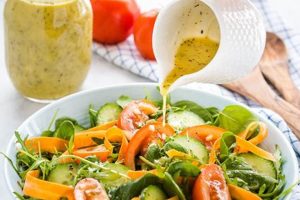
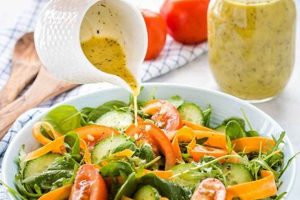
A vibrant, tangy, and slightly sweet dressing typically crafted from a base of ketchup, vinegar, and oil, often enriched with Worcestershire sauce, onion, and garlic. Variations may include sweeteners like sugar, corn syrup, or honey, as well as additional spices like paprika, mustard, or chili powder. This customizable condiment allows for adjustments to sweetness and tanginess according to individual preferences, making it a versatile addition to various dishes beyond salads.
Crafting this dressing from scratch provides control over ingredients, allowing for healthier choices and customization to dietary needs or taste preferences. Avoiding preservatives and additives found in commercial dressings contributes to a potentially more wholesome option. Historically, versions of this dressing have been enjoyed for nearly a century, becoming a staple in many kitchens due to its ease of preparation and adaptability. Its tangy-sweet profile complements a wide range of dishes, from salads and slaws to marinades and dipping sauces, showcasing its versatility.
The following sections will explore the preparation process in detail, including ingredient selection, step-by-step instructions, variations for different flavor profiles, and suggestions for usage.
Tips for Crafting Exceptional Catalina Salad Dressing
Elevating a simple salad dressing to culinary excellence involves attention to detail and an understanding of flavor dynamics. The following tips offer guidance on achieving optimal results when preparing catalina dressing at home.
Tip 1: Balance Sweetness and Acidity: The foundation of a successful dressing lies in the harmonious balance between sweet and tangy elements. Taste and adjust the proportions of ketchup, vinegar, and sweetener to achieve the desired profile.
Tip 2: Embrace Quality Ingredients: Opting for high-quality ketchup, vinegar, and oil significantly impacts the final flavor. Consider using apple cider vinegar for a nuanced tang or experimenting with different oil varieties like avocado or extra virgin olive oil.
Tip 3: Freshly Minced Aromatics: Freshly minced onion and garlic enhance the dressing’s complexity and freshness. Avoid pre-minced or powdered versions for a more vibrant flavor profile.
Tip 4: Emulsification Technique: Achieving a stable emulsion prevents separation and delivers a smooth, cohesive texture. Whisking the oil slowly into the vinegar-ketchup mixture while continuously whisking helps create a stable emulsion.
Tip 5: Seasoning Adjustments: Precise seasoning elevates the dressing’s overall flavor. A pinch of salt and freshly ground black pepper are essential. Experiment with additional spices like paprika, dry mustard, or cayenne pepper for a customized touch.
Tip 6: Rest and Re-taste: Allowing the dressing to rest for at least 30 minutes after preparation allows the flavors to meld and deepen. Re-taste and adjust seasoning before serving.
Tip 7: Creative Variations: The base recipe serves as a canvas for creative exploration. Incorporate ingredients such as grated horseradish, Dijon mustard, or finely chopped celery for unique flavor profiles.
By adhering to these tips, one can consistently produce catalina dressing that rivals or surpasses commercial counterparts. Mastery of these techniques ensures a flavorful and versatile condiment.
This understanding of the preparation process and flavor nuances sets the stage for incorporating this versatile dressing into a wide array of culinary applications.
1. Ingredient Selection

Ingredient selection significantly impacts the final flavor profile and quality of homemade catalina salad dressing. The foundation of this dressing lies in the ketchup, vinegar, and oil. Opting for a high-quality ketchup with a rich tomato flavor is crucial. Different vinegars, such as apple cider, white wine, or distilled white vinegar, impart distinct levels of acidity and subtle flavor nuances. Oil selection also plays a role; extra virgin olive oil contributes a fruity note while a neutral oil like canola allows other flavors to shine. For example, using a ketchup with a smoky flavor profile combined with apple cider vinegar will yield a dressing with a deeper, more complex taste than one made with standard ketchup and white vinegar.
Beyond the core ingredients, careful consideration of additional components further refines the dressing’s character. Freshly minced onion and garlic provide a brighter, more pungent flavor compared to dried or powdered alternatives. The type of sweetener used, whether granulated sugar, honey, or corn syrup, influences both sweetness and texture. Spices such as paprika, cayenne pepper, or dry mustard contribute complexity and depth. A dressing featuring honey and paprika offers a different flavor experience than one incorporating granulated sugar and cayenne pepper. The synergistic interplay of these ingredients ultimately defines the dressing’s overall flavor profile.
Understanding the impact of each ingredient allows for tailored adjustments to achieve specific flavor goals. Prioritizing quality components and recognizing their individual contributions are essential for crafting a superior homemade catalina dressing. This approach ensures a flavorful, balanced dressing tailored to individual preferences.
2. Flavor Balance

Flavor balance represents a cornerstone of successful catalina dressing preparation. This delicate interplay between sweet, tangy, and savory elements defines the dressing’s character. A harmonious balance elevates the sensory experience, while an imbalance can lead to a one-dimensional or unappetizing result. The primary flavor componentsketchup (sweet and umami), vinegar (tangy), and oil (richness)establish the foundation. However, the careful incorporation of additional ingredients like sugar, onion, garlic, and spices determines the final flavor profile. For instance, excessive sugar can create an overly sweet dressing that masks other flavors, whereas insufficient vinegar might result in a bland, flat taste. Similarly, an overabundance of onion or garlic can overpower the more subtle nuances of the other components.
Achieving optimal flavor balance necessitates an iterative approach. Initial ingredient proportions serve as a starting point, followed by careful tasting and adjustment. Adding small increments of vinegar can heighten the tanginess, while a touch more sugar might enhance sweetness. The complexity of spices like paprika or cayenne pepper can be modulated by adjusting their quantities. A pinch of salt often enhances the overall flavor profile by balancing the other tastes. Consider a scenario where the initial tasting reveals an overly sweet dressing. A judicious addition of vinegar restores the balance by introducing the necessary acidity to counteract the sweetness. Conversely, if the dressing tastes excessively tangy, a small amount of sugar or honey can temper the acidity, bringing the flavors into harmony.
Mastery of flavor balance requires attentiveness and a willingness to experiment. Understanding the impact of each ingredient and their interactions enables informed adjustments. This iterative process, driven by tasting and refinement, ensures a well-rounded and flavorful catalina dressing. It distinguishes a truly exceptional dressing from a mediocre one, ultimately enhancing the culinary experience.
3. Emulsification

Emulsification plays a vital role in achieving the desired texture and stability of homemade catalina salad dressing. It refers to the process of combining two immiscible liquids, typically oil and vinegar, into a stable mixture. Without proper emulsification, the dressing will separate, resulting in an unappetizing, oily layer on top and a watery layer below. A stable emulsion ensures a smooth, creamy texture and even distribution of flavor throughout the dressing.
- Temporary Emulsions:
Catalina dressing typically forms a temporary emulsion, meaning the oil and vinegar will eventually separate over time. This separation occurs because the two liquids are not naturally compatible. Shaking or whisking vigorously creates a temporary blend, distributing the oil droplets throughout the vinegar base. However, these droplets eventually coalesce and separate, returning to their distinct layers. This temporary nature necessitates shaking or whisking the dressing before each use to re-emulsify the ingredients.
- Emulsifying Agents:
While catalina dressing does not typically include strong emulsifying agents like egg yolks or mustard, the ketchup acts as a mild emulsifier. The natural pectin and other components within ketchup help to stabilize the emulsion to some degree, although not permanently. This contribution from the ketchup extends the time it takes for the dressing to separate compared to a simple oil and vinegar mixture. Adding ingredients like honey or mustard can further enhance the emulsifying properties, promoting a more stable emulsion.
- Techniques for Emulsification:
The method of incorporating the oil significantly impacts the stability of the emulsion. Slowly drizzling the oil into the vinegar-ketchup mixture while whisking constantly creates smaller oil droplets, increasing the surface area for interaction and promoting a more stable emulsion. Rapid addition of oil results in larger droplets that coalesce more readily, leading to quicker separation. Proper whisking technique creates shear forces that break down the oil into smaller droplets and disperse them uniformly throughout the vinegar base.
- Factors Affecting Stability:
Several factors influence the stability of the emulsion beyond the emulsification process itself. Temperature fluctuations, particularly extreme heat or cold, can destabilize the emulsion. Similarly, the addition of certain ingredients, especially those with high acidity or alkalinity, can disrupt the delicate balance and cause separation. Proper storage in a sealed container at a consistent temperature helps maintain the emulsion’s stability for a longer duration.
Understanding the principles of emulsification and the factors that influence its stability is essential for crafting a homemade catalina dressing with a desirable texture and consistent flavor. While the temporary nature of the emulsion requires occasional re-emulsification before serving, employing proper techniques during preparation and appropriate storage practices maximizes the dressing’s stability and enhances its overall quality.
4. Customization
One of the distinct advantages of preparing catalina dressing at home lies in the extensive possibilities for customization. This flexibility allows adaptation of the recipe to individual preferences, dietary needs, and available ingredients. Unlike commercially produced dressings with fixed formulations, homemade versions empower control over every component, resulting in a truly personalized culinary experience. The following facets highlight the versatility and adaptability inherent in crafting catalina dressing from scratch.
- Flavor Profiles
Customization extends to manipulating the core flavor profile of the dressing. The ratio of ketchup to vinegar determines the balance of sweetness and tanginess. A preference for a sweeter dressing can be achieved by increasing the ketchup or adding a sweetener like honey or corn syrup. Conversely, a more pronounced tang can be achieved by increasing the vinegar component. Furthermore, the type of vinegar usedapple cider, white wine, or balsamicintroduces subtle flavor nuances. For instance, a dressing intended for a fruit salad might benefit from the mellow sweetness of apple cider vinegar, while a dressing accompanying a savory dish might be enhanced by the sharper notes of white wine vinegar.
- Spice and Herb Incorporation
The addition of spices and herbs presents another avenue for customization. Classic additions such as paprika, onion powder, and garlic powder offer familiar flavor profiles. However, incorporating less conventional spices like smoked paprika, cumin, or chili powder can create unique and exciting variations. Fresh herbs, such as chopped chives, parsley, or dill, introduce vibrant, fresh notes. A preference for a Southwestern-inspired salad might lead to the inclusion of cumin and chili powder, while a Mediterranean-inspired dish could benefit from the addition of fresh oregano and basil.
- Dietary Adaptations
Customization also caters to specific dietary requirements. For individuals seeking to reduce sugar intake, alternative sweeteners like stevia or sugar substitutes can be employed. Those with allergies or sensitivities can omit certain ingredients or substitute them with suitable alternatives. For example, individuals with gluten intolerance can ensure the use of gluten-free Worcestershire sauce or omit it altogether. Similarly, those avoiding certain oils can substitute with preferred options like avocado or grapeseed oil. This adaptability ensures that everyone can enjoy a delicious and personalized catalina dressing regardless of dietary restrictions.
- Textural Variations
The texture of the dressing can also be customized. A smoother dressing can be achieved by blending all ingredients until completely homogenous. Conversely, a chunkier texture can be achieved by coarsely chopping the onion and garlic or by incorporating ingredients like chopped pickles or olives. For instance, a dressing intended as a marinade might benefit from a smoother consistency for better coating, while a dressing used as a dip might be enhanced by a chunkier texture providing textural contrast.
These customizable elements highlight the transformative potential of homemade catalina dressing. This inherent flexibility empowers individuals to craft dressings tailored to their precise preferences, dietary needs, and desired culinary applications. This level of control elevates the simple act of dressing preparation to an art form, allowing for creative expression and culinary exploration. By understanding the interplay of these components and embracing the possibilities of customization, one can consistently create exceptional and personalized catalina dressings that enhance any dish.
5. Storage

Proper storage is essential for maintaining the quality, flavor, and safety of homemade catalina salad dressing. Because this dressing typically does not contain the preservatives found in commercial counterparts, it is more susceptible to spoilage. Appropriate storage practices significantly extend shelf life and preserve the dressing’s desirable characteristics. Neglecting proper storage can lead to undesirable outcomes like bacterial growth, flavor degradation, and textural changes, rendering the dressing unsafe or unpalatable. For instance, storing the dressing at room temperature allows rapid bacterial proliferation, potentially causing foodborne illness. Conversely, storing it in a tightly sealed container in the refrigerator inhibits microbial growth and maintains quality for a longer period.
Several factors influence optimal storage practices. Air exposure accelerates oxidation and flavor deterioration. Storing the dressing in an airtight container minimizes oxidation and preserves freshness. Temperature also plays a critical role; refrigeration at temperatures below 40F (4C) inhibits bacterial growth and slows enzymatic activity that can degrade flavor and texture. Freezing, while possible, can negatively impact the dressing’s texture upon thawing, leading to separation and a less desirable consistency. The chosen storage container also influences quality. Glass containers are generally preferred over plastic, as they are less likely to absorb odors or leach chemicals into the dressing. Choosing appropriate containers and maintaining consistent refrigeration temperatures are crucial for preserving the dressing’s quality and safety. For example, transferring the dressing to a smaller, airtight container after each use minimizes headspace and reduces exposure to air, further extending its shelf life.
Effective storage practices directly impact the quality and longevity of homemade catalina dressing. Adhering to recommended storage guidelines ensures food safety and preserves the desired flavor and texture, allowing enjoyment of the dressing for an extended period. Failing to observe these practices compromises both quality and safety. Understanding the factors that influence storage and implementing appropriate measures are therefore crucial for maximizing the shelf life and preserving the culinary value of this versatile condiment. This knowledge empowers individuals to safely enjoy the fruits of their culinary efforts while minimizing food waste.
Frequently Asked Questions
This section addresses common inquiries regarding the preparation and utilization of homemade catalina salad dressing.
Question 1: What is the typical shelf life of homemade catalina dressing?
When stored correctly in an airtight container in the refrigerator, homemade catalina dressing typically remains fresh for one to two weeks. Factors influencing shelf life include ingredient quality and storage temperature consistency.
Question 2: Can homemade catalina dressing be frozen?
While freezing is possible, it’s generally not recommended. Freezing can alter the texture and consistency of the dressing, potentially leading to separation upon thawing. Refrigeration is the preferred storage method for maintaining optimal quality.
Question 3: What are common signs of spoilage?
Indicators of spoilage include mold growth, a noticeably off odor, or a significant change in color or texture. If any of these signs are present, the dressing should be discarded.
Question 4: How can one adjust the sweetness or tanginess of the dressing?
Sweetness can be increased by adding small increments of sugar, honey, or corn syrup. Tanginess can be amplified by adding more vinegar, such as apple cider or white wine vinegar. Taste and adjust incrementally until the desired balance is achieved.
Question 5: Beyond salads, what other culinary applications exist for catalina dressing?
Catalina dressing’s versatility extends beyond salads. It serves as an excellent marinade for meats, poultry, or fish. It can also function as a dipping sauce for vegetables, chips, or crackers, or as a flavorful topping for grilled or roasted dishes.
Question 6: Can specific ingredients be omitted or substituted due to dietary restrictions or preferences?
Customization accommodates dietary needs and preferences. Specific ingredients can be omitted or substituted with appropriate alternatives. For example, sugar can be replaced with sugar substitutes, and certain oils can be swapped for others based on individual requirements. Consulting substitution charts or resources can provide guidance on appropriate substitutions.
Understanding these frequently asked questions enables informed decision-making throughout the preparation and storage of homemade catalina dressing. Adherence to recommended practices ensures a safe and enjoyable culinary experience.
The subsequent section will explore various recipe variations and offer creative suggestions for incorporating homemade catalina dressing into diverse culinary creations.
Homemade Catalina Salad Dressing Recipe
Exploration of homemade catalina salad dressing recipes reveals a versatile condiment adaptable to individual preferences and dietary needs. Key elements, including ingredient selection, flavor balance, emulsification techniques, customization options, and proper storage, contribute significantly to the final product’s quality and longevity. Emphasis on fresh, high-quality ingredients, coupled with a nuanced understanding of flavor dynamics, allows customization beyond the limitations of commercially produced dressings. Mastery of these facets empowers creation of dressings tailored to specific culinary applications, from vibrant salads to savory marinades.
The ability to craft catalina dressing from scratch represents more than a simple culinary skill; it embodies an understanding of flavor principles and the transformative potential of fresh ingredients. This knowledge translates into a deeper appreciation for culinary artistry and the ability to elevate everyday meals through conscious ingredient selection and mindful preparation. Continued exploration and experimentation promise further refinement of technique and a broader understanding of this versatile condiment’s potential within the culinary landscape.