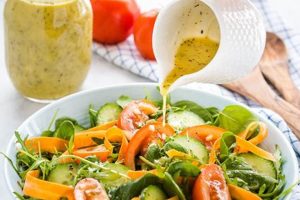
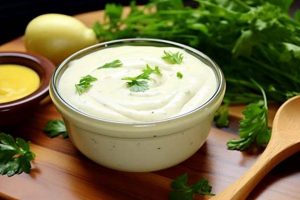
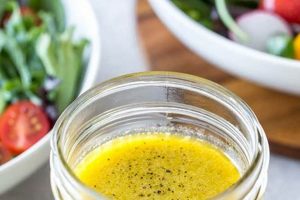
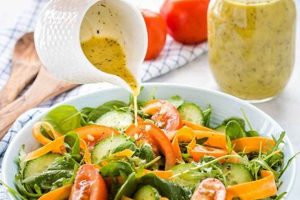
Dressings featuring the tart juice and jewel-toned arils of the pomegranate fruit offer a vibrant and flavorful addition to a variety of salads. These dressings can range from light and tangy vinaigrettes, often paired with citrus and fresh herbs, to richer, creamier emulsions incorporating yogurt, tahini, or even a touch of honey. A simple example involves whisking together pomegranate juice, olive oil, lemon juice, Dijon mustard, and a pinch of salt and pepper.
The unique flavor profile of pomegranate, balancing sweetness and acidity, elevates salads beyond the ordinary. Beyond taste, the fruit’s antioxidants and potential health benefits contribute to a nutritious meal. Historically, pomegranates have symbolized abundance and prosperity in various cultures, adding a layer of culinary significance. Their inclusion in contemporary cuisine reflects an appreciation for both their flavor and nutritional value.
This exploration will delve into the diverse applications of pomegranate in salad dressings, covering specific recipe examples, variations suitable for different dietary needs, and tips for selecting and preparing the freshest ingredients.
Tips for Crafting Exceptional Pomegranate Dressings
Creating a balanced and flavorful pomegranate dressing requires attention to a few key details. These tips offer guidance for achieving optimal results, whether preparing a simple vinaigrette or a more complex emulsion.
Tip 1: Balance Sweetness and Acidity: The naturally tart flavor of pomegranate juice benefits from a touch of sweetness. A small amount of honey, maple syrup, or even a pinch of sugar can create a harmonious balance. Taste and adjust accordingly.
Tip 2: Consider Oil Selection: Extra virgin olive oil provides a robust flavor that complements pomegranate well. For a milder option, consider grapeseed or avocado oil.
Tip 3: Enhance with Aromatics: Fresh herbs, such as mint, parsley, or cilantro, can add depth and complexity. Shallots, garlic, or ginger can provide a savory counterpoint.
Tip 4: Embrace Texture: Toasted nuts, such as walnuts or pecans, or seeds, like sesame or pumpkin, can add a satisfying crunch. Crumbled feta cheese offers a salty, creamy contrast.
Tip 5: Proper Emulsification: For creamy dressings, ensure thorough emulsification by whisking ingredients vigorously or using a blender. This creates a stable and smooth texture.
Tip 6: Freshness is Key: Use fresh pomegranate juice whenever possible for the best flavor and nutritional value. If using bottled juice, choose one without added sugars or preservatives.
Tip 7: Experiment with Spices: A pinch of ground cumin, coriander, or cinnamon can add warmth and intrigue. A small amount of black pepper can enhance the other flavors.
By following these guidelines, one can create pomegranate dressings that elevate any salad, offering a delightful balance of flavors and textures.
These tips provide a solid foundation for crafting exceptional pomegranate dressings, enhancing culinary creativity and ensuring a flavorful dining experience. The following section will explore specific recipe variations in greater detail.
1. Flavor Profiles (Sweet, Tart)

The hallmark of pomegranate-based dressings lies in their distinctive sweet-tart flavor profile. This delicate balance is crucial for creating a dressing that complements, rather than overwhelms, the other salad components. The inherent tartness of pomegranate juice provides a refreshing counterpoint to richer ingredients like nuts, cheeses, or roasted vegetables. Conversely, the subtle sweetness prevents the dressing from becoming overly acidic, ensuring a palatable and enjoyable experience. This dynamic interplay of sweet and tart notes allows these dressings to enhance a wide range of salads, from simple greens to more complex compositions.
Consider a salad featuring peppery arugula, creamy goat cheese, and candied pecans. A purely tart dressing might clash with the existing flavors, while an excessively sweet dressing could overwhelm the delicate greens. A well-balanced pomegranate dressing, however, bridges the gap, its tartness cutting through the richness of the cheese and nuts, while its sweetness harmonizes with the candied pecans and mellows the peppery arugula. This balance is achievable through careful ingredient selection and proportioning. For instance, the addition of a touch of honey or maple syrup can temper excessive tartness, while a squeeze of lemon or lime juice can brighten the sweetness.
Understanding the interplay of sweet and tart flavors is fundamental to crafting successful pomegranate dressings. This knowledge empowers culinary exploration, enabling the creation of dressings tailored to specific salad compositions. Achieving this balance not only elevates the overall flavor profile but also contributes to a more nuanced and satisfying dining experience. Mastery of this balance distinguishes a truly exceptional pomegranate dressing from a merely adequate one.
2. Ingredient Combinations

Ingredient combinations significantly influence the final character of pomegranate-based salad dressings. The pomegranate’s unique sweet-tart profile provides a versatile foundation for a wide array of complementary flavors. Careful consideration of these combinations is essential to achieving a balanced and harmonious dressing. For example, the robust flavor of extra virgin olive oil pairs well with pomegranate, creating a classic Mediterranean-inspired dressing. However, nut oils, such as walnut or hazelnut, can introduce a nuanced complexity. The selection of an acidic component further shapes the flavor profile. While lemon juice provides a bright, citrusy note, balsamic vinegar contributes a deeper, more tangy dimension.
Beyond oils and acids, other ingredients contribute to the overall complexity and texture of the dressing. Fresh herbs, such as mint, parsley, or chives, provide a refreshing herbaceous element. Spices, like ground cumin or coriander, introduce warm, earthy undertones. The inclusion of aromatics, such as shallots or garlic, adds a savory depth. Furthermore, incorporating ingredients like Dijon mustard or honey can act as emulsifiers, contributing to a smoother, more cohesive texture. The interplay of these ingredients, balanced against the backdrop of pomegranate, determines the ultimate taste and texture of the dressing.
Understanding the interplay of ingredients allows for the creation of dressings tailored to specific culinary applications. A lighter, brighter dressing featuring fresh herbs and lemon juice might complement a delicate salad of spring greens. Conversely, a richer, more complex dressing incorporating toasted nuts, spices, and balsamic vinegar might enhance a salad featuring roasted root vegetables or grilled meats. Careful selection and balancing of ingredients are paramount to achieving a successful pomegranate salad dressing, transforming a simple mixture into a culinary highlight.
3. Culinary Applications

The culinary applications of pomegranate-based salad dressings extend far beyond simply drizzling them over mixed greens. Their versatility allows for creative integration into a wide range of dishes, enhancing both flavor and visual appeal. The unique sweet-tart profile of these dressings offers a refreshing counterpoint to various ingredients and cuisines, making them a valuable asset in any culinary repertoire.
- Salads:
The most obvious application lies in enhancing various salads. From delicate spring mixes to hearty grain salads, a pomegranate dressing provides a vibrant flavor dimension. Consider a simple salad of baby spinach, crumbled feta cheese, toasted walnuts, and a light pomegranate vinaigrette. The dressing’s tartness cuts through the richness of the cheese and nuts, while its sweetness complements the spinach. Similarly, a more robust pomegranate dressing, perhaps incorporating balsamic vinegar and Dijon mustard, can elevate a salad composed of roasted root vegetables, quinoa, and grilled chicken.
- Marinades:
Pomegranate dressings can also function as flavorful marinades for proteins. The acidity in the pomegranate juice helps tenderize the meat, while the other ingredients infuse it with flavor. A pomegranate and herb marinade works particularly well with chicken or fish, adding a bright, tangy dimension to the final dish. Marinating time can range from 30 minutes for delicate fish to several hours for denser meats. This application highlights the dressing’s versatility beyond its traditional role.
- Glazes:
Reduced pomegranate dressings offer a unique glaze for roasted or grilled meats. The concentrated flavors create a sticky, flavorful coating that caramelizes beautifully under heat. This application works exceptionally well with poultry, pork, or even vegetables like carrots or Brussels sprouts. The glaze adds a touch of sweetness and acidity, balancing the savory flavors of the main ingredient. This technique offers a simple yet elegant way to elevate a dish.
- Dipping Sauces:
Pomegranate dressings can be used as dipping sauces for various appetizers and snacks. Their sweet-tart profile pairs well with everything from spring rolls and samosas to grilled vegetables and falafel. The dressing’s vibrant color and refreshing flavor make it a welcome addition to any appetizer platter. This application demonstrates the dressing’s adaptability to different culinary contexts.
These diverse culinary applications demonstrate the versatility of pomegranate-based salad dressings. Their ability to enhance salads, marinades, glazes, and dipping sauces underscores their value in a wide range of culinary endeavors. From simple weeknight meals to more elaborate culinary creations, the incorporation of these dressings offers a pathway to flavorful and visually appealing dishes.
4. Health Benefits

Pomegranate-based salad dressings offer more than just flavor; they contribute significant health benefits derived from the nutritional richness of pomegranates. These fruits are abundant in antioxidants, particularly punicalagins and ellagic acid, known for their potent free-radical scavenging properties. Studies suggest these antioxidants may play a role in reducing oxidative stress, which is implicated in various chronic diseases. Consuming pomegranate dressings, therefore, can contribute to a diet rich in these protective compounds. This is particularly relevant considering that salads often incorporate other antioxidant-rich ingredients like leafy greens and vegetables, creating a synergistic effect.
Beyond antioxidants, pomegranates are a source of vitamins, minerals, and fiber. Vitamin C supports immune function, while potassium contributes to healthy blood pressure regulation. The fiber content aids digestion and promotes satiety, potentially assisting in weight management. Incorporating pomegranate dressings into meals can increase the overall nutrient density of one’s diet. For example, a salad featuring a pomegranate vinaigrette, mixed greens, and various vegetables provides a substantial dose of vitamins, minerals, and antioxidants. This nutritional boost is especially beneficial for individuals seeking to improve their dietary intake.
While the health benefits of pomegranates are well-documented, it is important to note that the overall healthfulness of a salad dressing also depends on other ingredients. Dressings high in added sugars or unhealthy fats can negate the positive contributions of pomegranate. Opting for dressings made with natural sweeteners like honey or maple syrup, and incorporating healthy fats like olive or avocado oil, maximizes the nutritional value. Careful consideration of ingredient composition ensures that the dressing complements a health-conscious approach to eating. This holistic perspective allows individuals to fully leverage the nutritional power of pomegranate-infused salad dressings.
5. Preparation Techniques

Preparation techniques significantly influence the final quality and character of pomegranate-based salad dressings. Understanding these techniques allows for greater control over flavor, texture, and overall consistency. From the extraction of pomegranate juice to the emulsification of ingredients, each step plays a crucial role in achieving the desired outcome. Mastery of these techniques elevates the dressing from a simple mixture to a carefully crafted culinary element.
- Juice Extraction:
Several methods exist for extracting pomegranate juice, each yielding slightly different results. The most common involve juicing the arils in a citrus reamer or blending them and straining the resulting pulp. Alternatively, some recipes call for gently pressing the arils through a fine-mesh sieve to extract the juice while minimizing bitterness from the pith. The chosen method impacts the final flavor and clarity of the dressing.
- Ingredient Incorporation:
The order in which ingredients are combined can impact the emulsification and overall stability of the dressing. Generally, whisking together the acidic components (such as pomegranate juice and vinegar) before slowly drizzling in the oil while continuously whisking creates a more stable emulsion. Alternatively, using a blender ensures thorough incorporation and creates a smoother, more homogenous texture, particularly beneficial for dressings containing thicker ingredients like tahini or yogurt.
- Balancing Flavors:
Achieving the ideal balance of sweet, tart, and savory flavors is crucial for a successful pomegranate dressing. Tasting and adjusting throughout the preparation process is essential. Adding small increments of sweeteners like honey or maple syrup allows for precise control over sweetness. Similarly, adjusting acidity with lemon juice or vinegar ensures the desired level of tartness. This iterative process of tasting and adjusting ensures a harmonious flavor profile tailored to specific preferences and salad compositions.
- Storage and Serving:
Proper storage techniques maintain the quality and flavor of the dressing. Storing the dressing in an airtight container in the refrigerator prevents oxidation and preserves its freshness for several days. Before serving, bringing the dressing to room temperature or gently warming it can enhance its flavor and aroma. This attention to detail ensures that the dressing delivers its full potential at every meal.
These preparation techniques, when executed with precision and care, transform simple ingredients into a vibrant and flavorful pomegranate-based salad dressing. Mastery of juice extraction, ingredient incorporation, flavor balancing, and proper storage ensures a dressing that complements and elevates any salad, showcasing the culinary potential of this versatile fruit.
6. Recipe Variations

Recipe variations within the realm of pomegranate-based salad dressings demonstrate the fruit’s adaptability and offer a spectrum of flavor profiles to complement diverse culinary creations. The inherent balance of sweetness and tartness in pomegranate juice provides a versatile foundation upon which numerous flavor combinations can be built. This allows for customization based on personal preference, dietary restrictions, and the specific ingredients comprising the accompanying salad. A simple vinaigrette, for instance, might consist solely of pomegranate juice, olive oil, and a touch of honey. However, variations incorporating Dijon mustard, balsamic vinegar, or maple syrup introduce nuanced complexities, showcasing the interplay of contrasting flavors.
Further expanding the possibilities, the inclusion of fresh herbs, spices, and aromatics transforms the character of the dressing. A dressing infused with mint and a hint of lime zest offers a refreshing, bright counterpoint to grilled chicken or fish. Conversely, a dressing featuring toasted cumin, coriander, and a touch of chili flake lends a warm, earthy dimension to roasted vegetables or grain-based salads. The texture of the dressing also offers opportunities for variation. While a classic vinaigrette remains smooth and light, the addition of toasted nuts, crumbled cheese, or even a dollop of Greek yogurt introduces textural contrast and complexity. These examples illustrate the expansive potential inherent within pomegranate-based dressings, enabling culinary exploration and personalized flavor experiences.
Understanding the breadth of recipe variations empowers culinary creativity and ensures the dressing harmonizes with the overall dish. Whether seeking a light and refreshing vinaigrette or a richer, more complex emulsion, exploring variations based on complementary ingredients, spices, and textural elements elevates the salad from a simple dish to a culinary experience. This adaptability solidifies the role of pomegranate-based dressings as a versatile and valuable component of contemporary cuisine, offering a spectrum of flavors to suit a wide range of palates and culinary applications.
7. Cultural Significance
Pomegranates hold symbolic weight in numerous cultures, often representing abundance, fertility, and prosperity. This rich history influences contemporary culinary practices, including the use of pomegranate in salad dressings. The fruit’s historical significance adds a layer of depth to its culinary applications, transforming a simple ingredient into a culturally resonant element. In some cultures, pomegranates are traditionally consumed during festivals and celebrations, symbolizing good fortune and health. This cultural context informs the inclusion of pomegranate-infused dishes in festive meals, adding a symbolic dimension to the dining experience. For instance, in some Middle Eastern and Mediterranean regions, pomegranate arils are sprinkled over salads or incorporated into dressings during special occasions, representing wishes for prosperity and good health.
This cultural reverence for pomegranates influences not only when the fruit is consumed but also how it is prepared and presented. Traditional recipes often highlight the fruit’s natural flavors, emphasizing its sweetness and tartness. This respect for the fruit’s inherent qualities translates into culinary practices that prioritize simplicity and freshness. For example, in certain regions, a simple pomegranate molasses, made by reducing pomegranate juice, serves as a base for salad dressings, highlighting the fruit’s concentrated flavor without masking its natural character. Such practices demonstrate a culinary appreciation rooted in cultural tradition and a respect for the fruit’s inherent qualities. This reverence for the fruit elevates its use in salad dressings beyond mere flavor enhancement, transforming it into a culinary expression of cultural heritage.
Understanding the cultural significance of pomegranates provides valuable insight into the culinary traditions surrounding its use in salad dressings. This awareness enriches the culinary experience, adding depth and meaning to what might otherwise be considered a simple ingredient. From symbolic associations with prosperity and good health to traditional preparation methods, the cultural context surrounding pomegranates informs contemporary culinary practices, highlighting the interconnectedness of food and culture. This understanding fosters a deeper appreciation for the ingredients used in our food, transforming a simple salad dressing into a connection to a rich and vibrant cultural heritage.
Frequently Asked Questions
This section addresses common inquiries regarding the utilization of pomegranate in salad dressings, offering practical guidance and clarifying potential uncertainties.
Question 1: How can one ensure a balanced flavor profile when using pomegranate juice, considering its inherent tartness?
Balancing the tartness of pomegranate juice requires careful consideration of complementary ingredients. Sweeteners such as honey, maple syrup, or a pinch of sugar can temper the acidity. The degree of sweetness adjustment depends on personal preference and the other components of the dressing.
Question 2: What types of oils pair best with pomegranate juice in salad dressings?
Extra virgin olive oil provides a robust flavor that complements pomegranate well. For a milder option, grapeseed or avocado oil are suitable alternatives. Nut oils, such as walnut or hazelnut, offer a more nuanced flavor profile, but their stronger character might not suit all applications.
Question 3: Can pomegranate-based dressings be used for purposes other than salads?
The versatility of pomegranate dressings extends beyond salads. They function effectively as marinades for poultry and fish, adding a tangy dimension. Reduction of these dressings creates glazes for roasted meats or vegetables. They also serve well as dipping sauces for appetizers.
Question 4: What are the key considerations when selecting bottled pomegranate juice?
When selecting bottled pomegranate juice, prioritize those without added sugars or preservatives. Examining the ingredient list ensures the juice contains minimal additives, preserving the natural flavor profile and maximizing health benefits.
Question 5: How long can pomegranate-based salad dressings be stored?
Properly stored in an airtight container in the refrigerator, pomegranate dressings typically remain fresh for up to five days. Checking for any changes in aroma or appearance before consumption ensures quality. Always prioritize food safety guidelines.
Question 6: Are there specific dietary considerations when using pomegranate seeds in dressings?
While pomegranate arils (seeds) are generally safe for consumption, individuals with certain digestive sensitivities might experience discomfort. Moderation is key. Consulting a healthcare professional addresses specific dietary concerns related to pomegranate consumption.
Careful consideration of these frequently asked questions enables informed choices regarding the use and preparation of pomegranate-based salad dressings, ensuring optimal flavor and a positive culinary experience.
This concludes the frequently asked questions section. The following section will offer a collection of curated pomegranate salad dressing recipes.
Conclusion
Exploration of pomegranate-infused salad dressings reveals a versatile culinary ingredient capable of enhancing a wide array of dishes. From the vibrant color and distinctive sweet-tart flavor profile to the potential health benefits and cultural significance, the incorporation of pomegranate offers a multifaceted culinary experience. Key considerations include achieving a balance between sweetness and acidity, selecting complementary ingredients, understanding appropriate preparation techniques, and recognizing the fruit’s historical and cultural context. Recipe variations demonstrate adaptability to diverse culinary applications, from light vinaigrettes to rich emulsions, enhancing salads, marinades, glazes, and dipping sauces.
The culinary potential of pomegranate-based salad dressings remains a subject worthy of continued exploration and innovation. Further investigation into flavor combinations, culinary applications, and potential health benefits promises to expand the appreciation and utilization of this versatile fruit. Culinary practitioners and enthusiasts alike are encouraged to experiment with pomegranate’s unique properties, enriching both personal and collective culinary experiences.