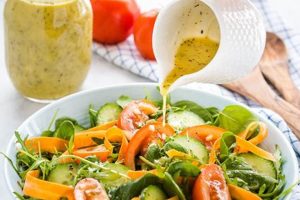
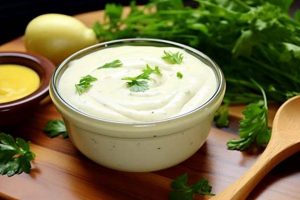
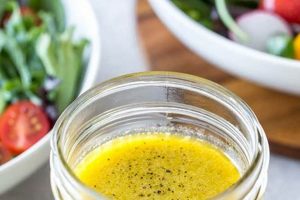
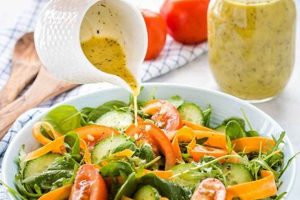
Dressings designed to minimize inflammation leverage ingredients known for their potential to reduce or counteract inflammatory responses within the body. These typically include healthy fats like extra virgin olive oil and avocado oil, as well as spices such as turmeric and ginger, and often incorporate ingredients rich in antioxidants like berries and leafy greens. An example might combine olive oil, lemon juice, minced ginger, and chopped fresh parsley.
Consuming foods that combat inflammation can contribute to overall well-being. Chronic inflammation is linked to various health issues, and dietary choices play a significant role in managing inflammatory responses. By incorporating dressings with anti-inflammatory properties, individuals can potentially mitigate these risks and support long-term health. While the scientific understanding of inflammation and its impact on health continues to evolve, the historical use of herbs and spices for medicinal purposes underscores the potential benefits of incorporating these ingredients into everyday meals.
This article will explore specific ingredients commonly used in these beneficial dressings, discuss their individual properties, and provide practical recipes for easy implementation into daily diets.
Tips for Crafting Anti-Inflammatory Salad Dressings
Creating dressings that contribute to reducing inflammation involves careful ingredient selection and mindful preparation. The following tips provide guidance for maximizing potential benefits.
Tip 1: Prioritize Extra Virgin Olive Oil. Extra virgin olive oil offers a robust flavor profile and is rich in oleocanthal, a compound with anti-inflammatory properties. Opting for high-quality extra virgin olive oil ensures maximum benefit.
Tip 2: Embrace the Power of Ginger and Turmeric. These spices are renowned for their anti-inflammatory effects. Freshly grated ginger or ground turmeric can be incorporated directly into dressings.
Tip 3: Incorporate Antioxidant-Rich Berries. Berries, particularly blueberries and raspberries, are packed with antioxidants that combat oxidative stress, a contributor to inflammation. Pureeing berries into dressings adds flavor and valuable nutrients.
Tip 4: Explore the Versatility of Citrus. Lemon and lime juice contribute a bright, acidic note to dressings while providing vitamin C and other antioxidants. Freshly squeezed juice is preferred over bottled varieties.
Tip 5: Feature Fresh Herbs. Parsley, cilantro, and dill offer distinct flavors and contain beneficial compounds. Freshly chopped herbs enhance both the taste and nutritional value of dressings.
Tip 6: Limit Processed Ingredients. Avoiding added sugars, refined oils, and artificial additives ensures the dressing remains focused on promoting health.
Tip 7: Experiment with Seeds. Flaxseeds and chia seeds provide omega-3 fatty acids, known for their anti-inflammatory properties. Grinding these seeds before adding them to dressings enhances their bioavailability.
By adhering to these guidelines, individuals can create flavorful and healthful dressings that contribute to an anti-inflammatory diet. These simple adjustments to dietary habits can offer significant long-term health benefits.
Incorporating these tips can lead to a more informed approach to dietary choices and contribute to overall wellness.
1. Healthy Fats

Healthy fats form the foundation of effective anti-inflammatory salad dressings. These fats provide not only the desired texture and mouthfeel but also contribute essential fatty acids that play a crucial role in modulating inflammatory responses within the body. Selecting the appropriate fats is paramount for maximizing the dressing’s intended benefits.
- Monounsaturated Fats
Found abundantly in extra virgin olive oil and avocados, monounsaturated fats are known for their anti-inflammatory properties. Olive oil, in particular, contains oleocanthal, a compound with potent anti-inflammatory effects similar to ibuprofen. Incorporating these fats into dressings contributes significantly to their overall efficacy.
- Omega-3 Fatty Acids
Sources like flaxseed oil and walnut oil provide omega-3 fatty acids, known for their ability to reduce inflammation and promote overall health. While these oils can be incorporated directly into dressings, their delicate nature requires careful storage to prevent oxidation. Ground flaxseeds or chia seeds offer a convenient alternative, adding both omega-3s and a pleasant texture.
- Avocado Oil
Avocado oil provides a neutral flavor profile and a high smoke point, making it suitable for various culinary applications. Its rich monounsaturated fat content contributes to its anti-inflammatory properties, making it a versatile option for salad dressings.
- Avoiding Inflammatory Fats
While certain fats contribute to reducing inflammation, others can exacerbate it. Oils high in omega-6 fatty acids, such as corn oil and soybean oil, should be avoided in anti-inflammatory dressings. These oils, often found in processed foods, can contribute to an imbalance in omega-3 to omega-6 ratios, potentially promoting inflammation.
The careful selection of healthy fats is fundamental to creating truly effective anti-inflammatory salad dressings. Prioritizing monounsaturated and omega-3 rich oils, while avoiding pro-inflammatory options, ensures that the dressing contributes positively to overall health and well-being, complementing the benefits of other anti-inflammatory ingredients.
2. Antioxidant-rich Ingredients

Antioxidant-rich ingredients play a vital role in anti-inflammatory salad dressing recipes. Oxidative stress, an imbalance between free radicals and antioxidants within the body, contributes significantly to inflammation. By incorporating ingredients rich in antioxidants, these dressings combat oxidative stress, thereby reducing inflammation and promoting cellular health. This effect creates a synergistic relationship between the other anti-inflammatory components of the dressing, amplifying their overall impact. Darkly colored berries, such as blueberries and blackberries, offer a potent source of antioxidants, including anthocyanins, which contribute to their vibrant hues and potent free-radical scavenging abilities. Leafy greens like spinach and kale provide additional antioxidants, including vitamin C and carotenoids. These ingredients not only enhance the nutritional value but also contribute diverse flavors and textures to the dressing.
The practical significance of including antioxidant-rich ingredients extends beyond simply reducing inflammation. These compounds offer a wide range of health benefits, including protection against chronic diseases, improved cardiovascular health, and enhanced immune function. For instance, the vitamin C found in many antioxidant-rich fruits and vegetables plays a crucial role in collagen synthesis, supporting healthy skin and connective tissue. Furthermore, the inclusion of these ingredients adds depth and complexity to the flavor profile of the dressing, making it more palatable and encouraging consistent consumption. Berries offer a naturally sweet and tangy flavor, while leafy greens contribute an earthy undertone. This combination of flavor and functionality underscores the importance of incorporating antioxidant-rich ingredients in anti-inflammatory salad dressings.
In summary, antioxidant-rich ingredients are essential components of effective anti-inflammatory salad dressings. Their ability to combat oxidative stress directly addresses a key driver of inflammation, complementing the effects of other beneficial ingredients. The inclusion of these components contributes significantly to both the nutritional value and palatability of the dressing, promoting consistent consumption and maximizing potential health benefits. Challenges may include sourcing high-quality ingredients and ensuring proper storage to maintain their antioxidant potency. However, the overall benefits of incorporating these ingredients significantly outweigh these considerations, making them a crucial aspect of any anti-inflammatory dietary strategy.
3. Anti-inflammatory Spices

Specific spices possess potent anti-inflammatory properties, making them valuable additions to dressings designed to mitigate inflammation. Their inclusion not only enhances flavor complexity but also contributes significantly to the overall health benefits of these dressings. Integrating these spices strategically elevates a simple salad dressing into a functional food that actively supports well-being.
- Turmeric
Turmeric contains curcumin, a compound renowned for its potent anti-inflammatory and antioxidant properties. Studies suggest curcumin can modulate numerous inflammatory pathways within the body. In salad dressings, turmeric adds a warm, earthy flavor and a vibrant yellow hue. Combining turmeric with black pepper enhances curcumin’s bioavailability, maximizing its potential benefits.
- Ginger
Gingerol, the bioactive compound in ginger, possesses significant anti-inflammatory and antioxidant effects. Ginger has a long history of use in traditional medicine for its various health benefits. Its inclusion in salad dressings adds a pungent, slightly sweet, and spicy flavor that complements both sweet and savory ingredients. Freshly grated or ground ginger can be readily incorporated into dressings.
- Cinnamon
Cinnamon offers anti-inflammatory and antioxidant properties, attributed to its cinnamaldehyde content. Research indicates cinnamon may contribute to improved blood sugar control and reduced risk of chronic diseases. In dressings, cinnamon adds a warm, sweet spice note, particularly well-suited for dressings featuring fruits or nuts.
- Garlic
Garlic contains allicin, a compound with potent anti-inflammatory and antimicrobial properties. Studies suggest garlic may support cardiovascular health and immune function. In salad dressings, garlic adds a pungent, savory flavor. Freshly minced or crushed garlic offers the most pronounced health benefits.
The strategic incorporation of these anti-inflammatory spices significantly enhances the functional value of salad dressings. Their combined effects contribute to a more holistic approach to reducing inflammation through dietary choices. These spices not only provide distinctive flavor profiles but also offer a range of potential health benefits beyond their anti-inflammatory properties, solidifying their role as key ingredients in health-conscious culinary practices.
4. Fresh Herbs
Fresh herbs contribute more than just vibrant flavor to anti-inflammatory salad dressings; they provide a potent source of antioxidants and phytonutrients that actively contribute to reducing inflammation. These compounds work synergistically with other anti-inflammatory ingredients, such as olive oil and spices, to amplify the overall health benefits of the dressing. Parsley, for instance, contains apigenin, a flavonoid with demonstrated anti-inflammatory and anticancer properties. Similarly, dill boasts a unique array of volatile compounds with antioxidant and anti-inflammatory potential. Incorporating these herbs not only elevates the flavor profile of the dressing but also enhances its functional value. The use of fresh herbs aligns with a holistic approach to diet, recognizing the interconnectedness of flavor, nutrition, and well-being.
The practical application of this understanding involves selecting herbs based on both their flavor profiles and their specific health benefits. For example, a dressing featuring salmon might benefit from the addition of dill, which complements the fish’s flavor while providing anti-inflammatory properties. Similarly, a Mediterranean-inspired dressing could incorporate parsley and oregano, both rich in antioxidants and known for their ability to combat inflammation. Furthermore, the use of fresh herbs offers a versatile approach to flavor customization. The subtle nuances of different herbs allow for the creation of unique flavor combinations that cater to individual preferences while maintaining the core anti-inflammatory focus of the dressing. This approach emphasizes the importance of considering both taste and functionality when designing dietary strategies.
Incorporating fresh herbs represents a simple yet effective way to amplify the health benefits of anti-inflammatory salad dressings. Their potent antioxidant and anti-inflammatory properties contribute significantly to the overall efficacy of the dressing. While challenges may include seasonal availability and proper storage techniques to maintain freshness, the advantages of incorporating fresh herbs clearly outweigh these considerations. This approach underscores the significance of viewing food as medicine, recognizing the potential of dietary choices to positively impact health and well-being. The synergistic interplay between flavor and function highlights the potential of culinary practices to contribute to a proactive and preventative approach to health management.
5. Minimal Processing

Minimally processed ingredients are crucial for maximizing the efficacy of anti-inflammatory salad dressings. Processing often introduces detrimental elements, such as added sugars, unhealthy fats, and artificial additives, which can counteract the intended health benefits and potentially exacerbate inflammation. Prioritizing whole, unprocessed ingredients ensures the dressing remains focused on delivering beneficial nutrients and supporting the body’s natural anti-inflammatory processes.
- Whole Food Emphasis
Minimally processed dressings emphasize whole foods like fresh fruits, vegetables, herbs, and spices. For example, using fresh ginger root instead of powdered ginger maximizes the bioavailability of its anti-inflammatory compounds. This focus on whole ingredients ensures a higher concentration of beneficial nutrients and avoids potentially harmful additives.
- Limited Added Sugars
Added sugars contribute to inflammation and various health issues. Minimally processed dressings avoid refined sugars, relying on the natural sweetness of fruits or small amounts of unrefined sweeteners like honey or maple syrup. This reduces the overall inflammatory potential of the dressing.
- Healthy Fat Selection
Minimally processed dressings utilize healthy fats like extra virgin olive oil and avocado oil, avoiding refined and processed oils often found in commercial dressings. These refined oils may contain pro-inflammatory omega-6 fatty acids in imbalanced ratios, negating the benefits of other anti-inflammatory ingredients.
- Additive Avoidance
Artificial additives, preservatives, and thickeners are common in commercially produced dressings but are absent in minimally processed versions. These additives can contribute to inflammation and other health concerns. Making dressings from scratch allows for complete control over ingredients, ensuring the absence of potentially harmful substances.
By adhering to minimal processing principles, individuals can create anti-inflammatory salad dressings that truly support health and well-being. This approach maximizes the nutritional value and minimizes the potential for introducing pro-inflammatory elements. The focus on whole, unprocessed ingredients ensures the dressing contributes positively to overall health, aligning with a dietary approach that prioritizes natural, unadulterated foods.
6. Flavor Balance

Flavor balance plays a crucial role in the long-term success of incorporating anti-inflammatory salad dressings into one’s diet. While the health benefits of such dressings are paramount, palatability ensures consistent consumption. A well-balanced dressing encourages adherence to an anti-inflammatory dietary approach, maximizing its potential benefits. Without careful attention to flavor, even the most healthful dressing may be neglected, undermining its intended purpose.
- Balancing Acidity and Sweetness
The interplay between acidity and sweetness is fundamental to flavor balance. Acidity, often provided by citrus juice or vinegar, cuts through the richness of the oil and provides brightness. A touch of sweetness, derived from natural sources like berries or a small amount of honey, can temper excessive acidity and enhance overall palatability. For example, a dressing featuring lemon juice and olive oil might benefit from the addition of a few raspberries to balance the tartness of the lemon.
- Integrating Savory and Aromatic Notes
Savory elements, such as garlic, ginger, and herbs, contribute depth and complexity to the flavor profile. Aromatic spices like turmeric and cumin add warmth and earthiness. Balancing these elements ensures that no single flavor dominates, creating a harmonious and enjoyable sensory experience. A dressing featuring garlic and ginger might benefit from the addition of fresh cilantro to balance the pungent flavors.
- Considering Texture and Mouthfeel
Texture contributes significantly to the overall sensory experience of a salad dressing. A smooth, emulsified dressing provides a different mouthfeel than a chunky dressing with added texture from ingredients like chopped nuts or seeds. The texture should complement the salad’s ingredients and enhance the overall enjoyment of the meal. For example, a creamy avocado-based dressing might pair well with a hearty salad, while a light vinaigrette might suit a delicate salad with leafy greens.
- Adapting to Individual Preferences
Flavor preferences are subjective, and what constitutes “balance” varies from person to person. Adapting recipes to individual tastes ensures consistent use and maximizes the potential health benefits of anti-inflammatory dressings. This may involve adjusting the amount of certain ingredients, substituting ingredients based on dietary restrictions or preferences, or experimenting with different flavor combinations to discover personalized favorites.
Achieving optimal flavor balance transforms anti-inflammatory salad dressings from a health-focused addition to a genuinely enjoyable culinary experience. This balance ensures consistent consumption, maximizing the potential long-term health benefits of incorporating these dressings into one’s diet. The interplay of acidity, sweetness, savory notes, aromatics, and texture ultimately determines the overall palatability and effectiveness of the dressing in promoting a sustainable and healthful dietary pattern.
Frequently Asked Questions
This section addresses common inquiries regarding dressings designed to minimize inflammation.
Question 1: How frequently should one consume these types of dressings to experience potential benefits?
Regular incorporation into the diet, ideally with most salads consumed, is recommended to maximize potential benefits. The frequency may vary based on individual dietary needs and overall health goals.
Question 2: Are there specific medical conditions where such dressings are particularly advantageous or contraindicated?
Individuals with specific medical conditions, particularly those involving inflammatory responses, should consult a healthcare professional or registered dietitian before significantly altering their diet. While these dressings offer potential benefits, personalized advice is crucial.
Question 3: Can these dressings be used with all types of salads?
Their versatility allows for pairing with various salad ingredients, from leafy greens to grain-based salads. Flavor profiles can be adjusted to complement specific ingredients.
Question 4: How does storage impact the efficacy of these dressings, and what methods are recommended for optimal preservation?
Proper storage is essential for maintaining ingredient quality and minimizing oxidation, especially for those rich in healthy fats. Refrigeration in airtight containers is recommended, ideally for no longer than one week.
Question 5: Are commercially available dressings comparable to homemade versions in terms of anti-inflammatory properties?
Commercially produced dressings often contain added sugars, unhealthy fats, and additives that may counteract potential health benefits. Homemade versions offer greater control over ingredients and generally provide superior anti-inflammatory properties.
Question 6: Beyond salads, what other culinary applications can benefit from the inclusion of these anti-inflammatory ingredients?
The principles of using anti-inflammatory ingredients extend beyond salads. These ingredients can be incorporated into marinades, dips, sauces, and roasted vegetables to expand their health benefits across various dishes.
Prioritizing whole, unprocessed ingredients and understanding individual dietary needs are key takeaways for maximizing potential health benefits.
The following section provides a collection of recipes designed to incorporate these principles into practical and delicious meal preparations.
Conclusion
Exploration of dressings designed to minimize inflammation reveals the significant impact dietary choices can have on overall well-being. Prioritizing specific ingredients, such as extra virgin olive oil, turmeric, ginger, and antioxidant-rich berries, offers a proactive approach to mitigating inflammation through culinary practices. Careful consideration of flavor balance and minimal processing ensures these dressings become a sustainable and enjoyable part of a health-conscious diet. The synthesis of culinary arts and nutritional science empowers individuals to make informed choices that support long-term health.
The potential of food to act as medicine underscores the importance of continued research into the interplay between diet and inflammation. Further exploration of specific ingredients and their synergistic effects promises to refine our understanding of how dietary choices can contribute to a healthier future. Empowering individuals with the knowledge and tools to make informed dietary decisions represents a crucial step toward a proactive and preventative approach to health management. Cultivating a deeper understanding of the connection between food and well-being paves the way for a future where dietary choices play a central role in promoting health and longevity.