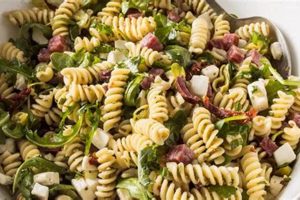
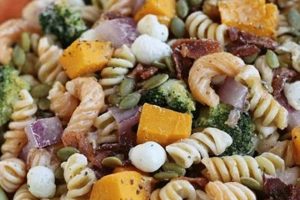
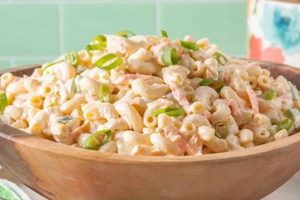
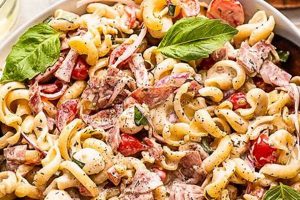
A dish featuring cooked pasta, typically chilled, combined with a sesame-based dressing and various complementary ingredients. These ingredients can include vegetables such as shredded carrots, chopped bell peppers, and edamame; proteins like grilled chicken or shrimp; and garnishes like toasted sesame seeds, chopped scallions, or cilantro. Variations exist with different types of pasta, dressings, and add-ins, offering a wide range of flavor profiles and nutritional value.
This type of dish offers a refreshing and customizable meal option, suitable for a light lunch, a side dish, or a potluck contribution. The sesame dressing provides a rich, nutty flavor, while the pasta offers a substantial base. The incorporation of fresh vegetables and lean proteins enhances the nutritional content, making it a healthy and satisfying choice. The adaptable nature of the dish allows for seasonal variations, catering to different dietary needs and preferences. Its relative ease of preparation contributes to its popularity, particularly during warmer months.
The following sections will explore different aspects of creating this culinary delight, covering variations in ingredients, dressing preparation methods, tips for achieving optimal pasta texture, and suggestions for presentation and serving.
Tips for Creating a Delicious Sesame Pasta Salad
Achieving a well-balanced and flavorful dish requires attention to detail. These tips offer guidance for optimizing each component and elevating the overall culinary experience.
Tip 1: Pasta Selection and Cooking: Opt for pasta shapes that hold the dressing well, such as rotini, fusilli, or farfalle. Cook the pasta al dente to maintain its texture and prevent a mushy salad. Rinse the cooked pasta under cold water to stop the cooking process and cool it down quickly.
Tip 2: Dressing Emulsification: A stable emulsion is crucial for a creamy and flavorful dressing. Whisk the sesame oil, vinegar, and any other liquid ingredients vigorously to ensure they combine thoroughly. Gradually add the remaining ingredients while whisking constantly.
Tip 3: Ingredient Balance: Strive for a harmonious blend of flavors and textures. Combine crunchy vegetables like carrots and bell peppers with softer elements like edamame or cooked chicken. Consider adding a touch of sweetness with dried cranberries or mandarin oranges.
Tip 4: Sesame Flavor Enhancement: Toasting sesame seeds before adding them to the salad enhances their nutty flavor and adds a pleasant crunch. Alternatively, sesame oil can be briefly heated in a pan to intensify its aroma.
Tip 5: Fresh Herb Incorporation: Fresh herbs like cilantro, mint, or parsley provide a burst of freshness and aromatic complexity. Add them just before serving to maintain their vibrancy and prevent wilting.
Tip 6: Marinating Time: Allowing the salad to marinate in the refrigerator for at least 30 minutes allows the flavors to meld and the pasta to absorb the dressing. However, avoid marinating for too long, as the vegetables may become soggy.
Tip 7: Garnishing Techniques: A visually appealing presentation enhances the dining experience. Garnish the salad with toasted sesame seeds, chopped scallions, or a sprinkle of red pepper flakes for a touch of color and added flavor.
By following these guidelines, one can create a dish that is both delicious and visually appealing. Attention to these details elevates a simple combination of ingredients into a memorable culinary experience.
The following section will provide a selection of variations on this versatile dish, offering inspiration for customization and exploration of different flavor profiles.
1. Pasta Choice
Pasta selection significantly influences the final outcome of a sesame pasta salad. The chosen shape affects both the aesthetic presentation and the practical matter of how well the pasta holds the dressing and interacts with other ingredients. Appropriate pasta selection ensures a balanced and enjoyable culinary experience.
- Shape and Texture:
Different pasta shapes offer varying textures and surface areas, impacting how effectively they capture and retain the sesame dressing. Long, thin noodles like spaghetti tend to clump together and may not hold the dressing evenly. Short, twisted shapes like rotini, fusilli, or farfalle, with their crevices and folds, are ideal for trapping the dressing and ensuring each bite is flavorful. The chosen shape also contributes to the overall mouthfeel of the salad.
- Size and Weight:
Larger, heavier pasta shapes, such as penne or rigatoni, can overpower the delicate flavors of the sesame dressing and other ingredients. Smaller, lighter shapes like orzo or ditalini might become lost amongst the other components. A medium-sized pasta offers the best balance, providing a substantial base without overshadowing the other flavors.
- Gluten Content and Cooking Properties:
Different types of pasta, including whole wheat, gluten-free, and traditional semolina pasta, have different cooking properties. Overcooked pasta can result in a mushy salad, while undercooked pasta can be too firm. Understanding the specific cooking time and characteristics of the chosen pasta is crucial for achieving the desired texture.
- Visual Appeal:
The visual presentation of the salad is enhanced by selecting a pasta shape that complements the other ingredients. A visually interesting shape can add to the overall appeal of the dish. Consider the colors and shapes of the other ingredients when choosing the pasta to create a harmonious and attractive presentation.
Careful consideration of these factors when selecting pasta contributes significantly to the overall success of the sesame pasta salad. A well-chosen pasta complements the sesame dressing, interacts harmoniously with the other ingredients, and provides a pleasing textural experience. The shape, size, and cooking properties of the pasta all play a role in creating a delicious and visually appealing dish.
2. Sesame Dressing

Sesame dressing serves as the defining characteristic of a sesame pasta salad, directly influencing its flavor profile and overall appeal. The dressing’s quality and composition are paramount to the dish’s success. A well-executed sesame dressing provides a harmonious balance of savory, sweet, acidic, and nutty notes, complementing the pasta and other ingredients. Conversely, a poorly balanced or bland dressing can detract significantly from the overall culinary experience. A classic example is a dressing featuring toasted sesame oil, rice vinegar, soy sauce, honey, and ginger, offering a complex interplay of umami, sweetness, and tanginess. This understanding underscores the critical role of dressing preparation in achieving a flavorful and balanced sesame pasta salad.
Variations in sesame dressing formulations provide opportunities for customization and culinary exploration. Incorporating ingredients like tahini, miso paste, or chili garlic sauce allows for adjustments in creaminess, saltiness, and spice levels. These variations cater to individual preferences and dietary requirements, offering a wider range of flavor profiles within the sesame pasta salad category. For instance, adding tahini creates a richer, more substantial dressing, while miso paste contributes a fermented depth of flavor. Understanding these variations empowers culinary creativity and expands the possibilities within this seemingly simple dish.
Successful integration of the sesame dressing with the other salad components requires careful consideration of flavor interactions and textural balance. The dressing’s intensity should complement, not overpower, the flavors of the pasta and chosen vegetables or proteins. Furthermore, the dressing’s consistency plays a role in how effectively it coats the pasta and other ingredients. A dressing that is too thin may not adhere properly, while a dressing that is too thick can become cloying. Achieving the ideal balance ensures a cohesive and enjoyable dining experience, highlighting the crucial link between the sesame dressing and the overall success of the sesame pasta salad.
3. Vegetable Selection
Vegetable selection significantly impacts the flavor, texture, nutritional value, and visual appeal of a sesame pasta salad. The choice of vegetables contributes not only to the dish’s sensory experience but also to its overall nutritional balance. Thoughtful vegetable selection elevates the salad from a simple combination of ingredients to a complex and satisfying meal. For instance, incorporating crunchy vegetables like shredded carrots, sliced bell peppers, or snap peas provides textural contrast to the softness of the pasta, while the inclusion of water-rich vegetables like cucumbers or chopped celery adds a refreshing element, particularly beneficial in warmer weather. Nutrient-dense options such as broccoli florets, edamame, or spinach further enhance the salad’s health benefits. The interplay of flavors and textures resulting from careful vegetable selection is crucial for a well-rounded and enjoyable sesame pasta salad.
Beyond individual vegetable characteristics, the overall combination of vegetables influences the final flavor profile. Balancing flavors and textures creates a harmonious blend that complements the sesame dressing. For example, the sweetness of bell peppers can offset the savory notes of the sesame dressing, while the earthiness of mushrooms can add depth and complexity. Combining a variety of colors not only enhances the visual appeal but also ensures a broader range of vitamins and nutrients. A salad incorporating red bell peppers, orange carrots, green snap peas, and purple cabbage not only presents a vibrant appearance but also offers a wider spectrum of nutritional benefits. This mindful combination of vegetables demonstrates a deeper understanding of culinary balance and nutritional value within the context of a sesame pasta salad recipe.
Strategic vegetable selection addresses practical considerations like seasonality, availability, and personal preferences. Utilizing seasonal vegetables maximizes flavor and nutritional value while often being a more economical choice. Adapting the recipe to incorporate readily available vegetables provides flexibility and reduces food waste. Accommodating dietary restrictions or preferences ensures inclusivity and broadens the appeal of the sesame pasta salad. For example, substituting gluten-free pasta and incorporating a variety of colorful vegetables caters to a wider range of dietary needs and preferences, demonstrating the adaptability and inclusivity achievable through thoughtful vegetable selection. This adaptability reinforces the importance of vegetable selection as a key factor contributing to the versatility and overall success of a sesame pasta salad recipe.
4. Protein Options
Protein incorporation transforms a sesame pasta salad from a side dish into a complete and satisfying meal. Protein choices significantly influence the salad’s nutritional profile and overall flavor dynamics. Selecting lean protein sources like grilled chicken breast, poached shrimp, or flaked salmon enhances the nutritional value while complementing the nutty sesame flavor. These options provide essential amino acids and contribute to satiety, making the salad a more substantial and balanced meal. Conversely, richer protein options like crispy tofu or seared steak introduce different textural elements and flavor profiles, expanding the culinary possibilities within the sesame pasta salad framework. The careful selection of protein, therefore, directly impacts the salad’s nutritional content and culinary complexity.
The interplay between protein and other salad components requires consideration. Certain proteins pair particularly well with sesame flavors. For instance, the subtle sweetness of grilled chicken or shrimp harmonizes with the nutty notes of the sesame dressing, creating a balanced flavor profile. The firm texture of tofu provides a pleasant contrast to the softness of the pasta, while the richness of seared steak adds depth and complexity to the overall dish. Furthermore, the choice of protein should complement the chosen vegetables. A salad featuring grilled chicken, bell peppers, and snap peas offers a lighter, more refreshing profile, while a salad incorporating seared steak, mushrooms, and spinach delivers a heartier, more robust experience. Thus, successful protein integration necessitates a holistic approach, considering its interaction with both the sesame dressing and the accompanying vegetables.
Practical considerations such as preparation time, dietary restrictions, and personal preferences influence protein selection. Pre-cooked or easily prepared protein options like rotisserie chicken or canned tuna streamline the salad assembly process. Catering to dietary needs requires mindful protein choices. Vegetarian or vegan diets necessitate plant-based proteins like tofu, tempeh, or chickpeas. Individuals with shellfish allergies must avoid shrimp or other seafood options. Adapting protein choices to individual preferences further personalizes the sesame pasta salad experience. Some may prefer the light and flaky texture of fish, while others may opt for the heartiness of red meat. Ultimately, understanding the interplay of nutritional value, flavor profiles, and practical considerations allows for informed protein selection, transforming the sesame pasta salad into a versatile and adaptable meal option.
5. Flavor Balance
Flavor balance is paramount in a successful sesame pasta salad recipe. It dictates the overall enjoyment and satisfaction derived from the dish. A harmonious blend of flavors elevates the salad beyond a simple sum of its parts, creating a complex and nuanced culinary experience. A well-balanced sesame pasta salad avoids extremes in any single flavor, ensuring no single element overpowers the others. This balance allows the distinct characteristics of each ingredient to shine while contributing to a cohesive whole.
- Savory Foundation:
The savory foundation of the sesame pasta salad often originates from the sesame dressing itself. Ingredients such as sesame oil, soy sauce, or miso paste contribute umami richness and depth. This savory base provides a grounding element for other flavors to build upon. For example, the nutty depth of toasted sesame oil provides a backdrop against which other flavors can stand out. Without a sufficient savory base, the salad may taste bland or incomplete.
- Acidity as a Counterpoint:
Acidity plays a crucial role in balancing the richness of the sesame dressing and other ingredients. Rice vinegar, lemon juice, or lime juice introduce a bright, tangy element that cuts through the fattiness of the sesame oil and prevents the salad from feeling heavy. This acidic counterpoint also enhances the perception of other flavors, making them more pronounced. For example, the sharpness of rice vinegar balances the sweetness of added dried cranberries or the richness of grilled chicken. Without sufficient acidity, the salad may taste overly rich or cloying.
- Sweetness as a Complement:
A touch of sweetness rounds out the flavor profile, adding complexity and depth. Honey, maple syrup, or even a small amount of sugar can complement the savory and acidic elements. This sweetness should be subtle, enhancing rather than dominating the overall flavor profile. For example, a drizzle of honey complements the nuttiness of the sesame and the tanginess of the vinegar, creating a more complex and balanced flavor. Excessive sweetness, however, can make the salad taste overly sugary and mask the other flavors.
- Spice as an Accent:
A hint of spice can add an exciting dimension to the sesame pasta salad, providing a contrasting element to the other flavors. A pinch of red pepper flakes, a dash of sriracha, or a sprinkle of black pepper can introduce a subtle heat that elevates the overall sensory experience. This spice element should be used judiciously, acting as an accent rather than a dominant flavor. For example, a small amount of chili garlic sauce adds a pleasant warmth without overwhelming the other flavors. Too much spice, however, can make the salad unpleasantly hot and mask the delicate balance of other flavors.
Achieving optimal flavor balance in a sesame pasta salad involves a careful interplay of these four elements. The savory foundation provides the base, while acidity, sweetness, and spice act as counterpoints and complements, creating a harmonious and nuanced flavor profile. This intricate balance elevates the dish from a simple combination of ingredients to a complex and satisfying culinary experience. By understanding these interactions, one can create a sesame pasta salad that is not only delicious but also exemplifies the art of culinary balance. Further experimentation with different ingredients and flavor combinations allows for customization and exploration within this versatile dish.
6. Presentation
Presentation elevates the sesame pasta salad experience, transforming a simple dish into a visually appealing culinary creation. Consideration of visual elements enhances the perceived value and enjoyment. A thoughtfully presented salad entices the appetite and contributes to a more satisfying dining experience. Effective presentation techniques showcase the vibrant colors, textures, and overall composition of the salad, making it as visually appealing as it is flavorful.
- Color and Contrast:
Visual appeal begins with color. A vibrant and varied color palette stimulates appetite and enhances enjoyment. Incorporating a mix of colorful vegetables, such as red bell peppers, orange carrots, green edamame, and purple cabbage, creates visual interest and suggests a range of nutrients. Contrast in color between ingredients and serving dishes further amplifies the visual impact. A dark-colored serving bowl provides a striking backdrop for a brightly colored salad, highlighting the individual components. This interplay of colors contributes significantly to the overall presentation and perceived freshness of the dish.
- Texture and Height:
Varying textures create visual and tactile interest. Combining elements like the smooth pasta, crunchy vegetables, and potentially a sprinkle of toasted sesame seeds adds depth and complexity to the presentation. Creating height within the salad adds dimension and visual appeal. Rather than simply tossing all ingredients together, consider mounding the salad on a platter or in individual bowls, creating a more dynamic presentation. This attention to textural variation enhances the overall sensory experience of the sesame pasta salad.
- Garnishing and Plating:
Strategic garnishing adds a finishing touch, elevating the visual appeal and hinting at the underlying flavors. A sprinkle of toasted sesame seeds, chopped fresh herbs, or a drizzle of sesame oil adds a pop of color, texture, and aroma. The choice of serving dish also plays a role. A rustic wooden bowl might suit a casual setting, while a sleek white platter lends a more elegant touch. Individual portions in small glass bowls or jars offer a modern and convenient presentation for larger gatherings. These details demonstrate attention to detail and enhance the overall dining experience.
- Photography and Sharing:
In the digital age, visual documentation of culinary creations has become increasingly common. Capturing a well-composed photograph of the sesame pasta salad allows for sharing the experience with others and inspiring culinary creativity. Natural lighting and a simple background best showcase the salad’s vibrant colors and textures. Sharing these images online can inspire others to try the recipe, fostering a sense of community and culinary exploration. This aspect of presentation extends beyond the immediate dining experience, reaching a wider audience and contributing to the appreciation of culinary artistry.
Consideration of these presentational elements elevates the sesame pasta salad from a simple dish to a visually appealing and satisfying culinary experience. The interplay of color, texture, garnishing, and plating contributes significantly to the overall enjoyment, reflecting a deeper appreciation for the art of food presentation. These techniques demonstrate how attention to visual details can enhance the perception of flavor and create a more memorable dining experience. This holistic approach to presentation reinforces the importance of visual appeal as a key component of a successful sesame pasta salad recipe.
Frequently Asked Questions
This section addresses common inquiries regarding sesame pasta salad preparation, offering practical solutions and clarifying potential misconceptions. Understanding these points contributes to a more successful and enjoyable culinary experience.
Question 1: Can the dressing be made in advance?
The dressing can be prepared up to three days in advance and stored in an airtight container in the refrigerator. Whisking the dressing again before serving helps to re-emulsify any separated ingredients.
Question 2: What type of sesame oil is recommended?
Toasted sesame oil is recommended for its richer, nuttier flavor. A small amount of regular sesame oil can be added for a lighter flavor profile.
Question 3: How long can the salad be stored?
The salad can be stored in an airtight container in the refrigerator for up to three days. However, the texture of the vegetables may soften over time.
Question 4: Can different types of pasta be used?
Various pasta shapes can be used, but shapes that hold the dressing well, such as rotini, fusilli, or farfalle, are recommended.
Question 5: How can the salad be made gluten-free?
Using gluten-free pasta and ensuring all other ingredients, including soy sauce, are gluten-free allows for a gluten-free version of the salad. Tamari is a good gluten-free soy sauce substitute.
Question 6: What are some suitable protein alternatives to meat or seafood?
Tofu, tempeh, edamame, chickpeas, or lentils offer excellent plant-based protein alternatives, contributing to a vegetarian or vegan version of the salad.
Addressing these frequently asked questions provides clarity and facilitates successful sesame pasta salad preparation. A thorough understanding of these points enhances the overall culinary experience, allowing for greater confidence and creativity in the kitchen.
The following section provides a sample recipe, allowing for practical application of the information and techniques discussed throughout this article.
Sesame Pasta Salad Recipe
Exploration of sesame pasta salad recipes reveals a dish offering versatility and adaptability. Careful consideration of pasta selection, dressing composition, vegetable incorporation, protein choices, and flavor balance contributes to a successful outcome. Presentation elevates the dining experience, transforming a simple combination of ingredients into a visually appealing culinary creation. Understanding these elements allows for customization and creative exploration within this seemingly simple dish. Addressing common preparation questions further empowers culinary experimentation.
The adaptable nature of sesame pasta salad recipes encourages culinary creativity and personal expression. Opportunities for flavor exploration and dietary adaptation ensure broad appeal. Continued experimentation with ingredients and techniques promises further evolution and refinement of this versatile dish, solidifying its place as a culinary staple.