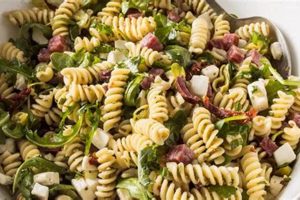
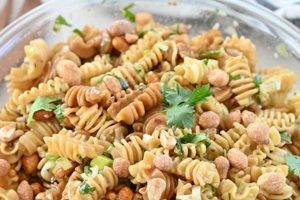
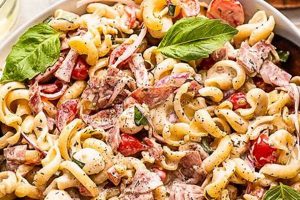
Autumn-inspired pasta salads offer a refreshing departure from traditional summer versions, incorporating seasonal ingredients like roasted butternut squash, Brussels sprouts, cranberries, pecans, and apples. These salads can feature both warm and cold preparations, with dressings ranging from light vinaigrettes to creamy maple-Dijon combinations. An example might include roasted root vegetables tossed with farfalle pasta, toasted walnuts, dried cranberries, and a cider vinaigrette.
These dishes provide a versatile and convenient way to enjoy the flavors of fall. They are ideal for potlucks, picnics, or light lunches and dinners. The adaptability of pasta salads allows for creative ingredient combinations catering to diverse dietary needs and preferences. Historically, pasta salads evolved from simple macaroni salads to more complex variations reflecting culinary trends and seasonal availability of produce. The increasing popularity of autumnal ingredients has led to a rise in these specific recipes, offering a lighter and more flavorful alternative to heavier fall dishes.
This article will further explore various autumnal pasta salad recipes, delving into specific ingredient combinations, preparation techniques, and suggested pairings. It will also provide guidance on selecting the right pasta shapes, creating balanced flavors, and achieving optimal textures for a satisfying culinary experience.
Tips for Creating Autumnal Pasta Salads
Achieving a well-balanced and flavorful autumnal pasta salad requires careful consideration of ingredients, textures, and preparation techniques. The following tips offer guidance for crafting delicious and visually appealing dishes.
Tip 1: Roast Vegetables for Enhanced Flavor: Roasting vegetables like butternut squash, Brussels sprouts, or sweet potatoes before adding them to the salad intensifies their natural sweetness and creates a richer, more complex flavor profile.
Tip 2: Embrace Seasonal Ingredients: Utilize ingredients readily available during the fall season, such as apples, cranberries, pecans, and pomegranates, to capture the essence of autumn in each bite.
Tip 3: Consider Pasta Shape and Texture: Choose pasta shapes that complement the other ingredients and hold the dressing well. Rotini, fusilli, or farfalle are excellent choices for capturing thicker dressings, while penne or rigatoni offer a heartier texture.
Tip 4: Balance Sweet and Savory Elements: Combine sweet elements like roasted butternut squash or dried cranberries with savory components such as toasted nuts, crumbled cheese, or bacon to create a balanced flavor profile.
Tip 5: Experiment with Dressings: Explore different dressing options beyond traditional vinaigrettes. Maple-Dijon, apple cider vinaigrette, or even a creamy pumpkin-based dressing can add unique flavor dimensions.
Tip 6: Don’t Overcook the Pasta: Cook pasta al dente to ensure a pleasant texture in the salad. Overcooked pasta can become mushy and unappetizing.
Tip 7: Add Fresh Herbs: Incorporate fresh herbs like sage, thyme, or rosemary to enhance the aromatic complexity and complement the other fall flavors.
By following these tips, one can create autumnal pasta salads that showcase the season’s bounty and offer a delightful culinary experience. These flavorful and versatile dishes are perfect for any occasion.
The following section will present a collection of specific recipe ideas to inspire culinary creativity and encourage exploration of various flavor combinations.
1. Seasonal Ingredients
The essence of a successful fall pasta salad lies in the utilization of seasonal ingredients. These ingredients, at their peak ripeness during autumn, offer optimal flavor and nutritional value. This seasonality translates to a more vibrant and authentic culinary experience. For example, butternut squash, harvested in the fall, provides a natural sweetness and creamy texture that complements the savory notes of other ingredients. Similarly, cranberries contribute a tartness that balances the richness of roasted nuts or cheeses. Apples, another fall staple, offer a crisp texture and a subtly sweet and tart flavor profile.
Employing seasonal ingredients offers several advantages. Availability is generally higher during peak season, leading to potentially lower costs and supporting local farmers. The inherent freshness of these ingredients requires less manipulation to achieve optimal flavor, reducing the need for excessive seasoning or complex preparation methods. This focus on simplicity allows the natural flavors of the season to shine through. Furthermore, using ingredients like pumpkin, Brussels sprouts, and pecans introduces a range of vitamins, minerals, and antioxidants, enhancing the nutritional profile of the dish.
Selecting seasonal produce enhances both the flavor and the overall quality of fall pasta salads. This approach not only results in a more satisfying culinary experience but also promotes a deeper connection to the natural rhythm of the seasons. Challenges may arise in regions with limited access to specific fall produce, but creative substitutions with locally available alternatives can often achieve similar results. Ultimately, prioritizing seasonal ingredients elevates the pasta salad from a simple dish to a celebration of autumn’s bounty.
2. Complementary Textures

Texture plays a crucial role in the overall enjoyment of fall pasta salads. A successful recipe balances various textures to create a more engaging and satisfying culinary experience. The interplay of contrasting textures, such as creamy, crunchy, and chewy elements, elevates the dish beyond simple flavor combinations.
- Crunchy Elements
Crunchy elements provide a textural counterpoint to softer ingredients. Toasted nuts, such as pecans or walnuts, offer a satisfying crunch and nutty flavor. Seeds, like pumpkin or sunflower seeds, contribute a similar textural element. Croutons or crispy bacon bits also add a delightful crunch.
- Creamy Components
Creamy textures add richness and depth. Roasted butternut squash, with its naturally smooth and creamy texture, provides a pleasing contrast to crunchier elements. Cheese, such as crumbled goat cheese or feta, offers a creamy, tangy counterpoint. A creamy dressing, like a maple-Dijon vinaigrette, coats the other ingredients and binds the flavors together.
- Chewy Textures
The pasta itself contributes a chewy texture, which serves as the foundation of the salad. Choosing the appropriate pasta shape is crucial. Shorter pasta shapes, like rotini or farfalle, offer a more substantial chew, while longer, thinner shapes, like spaghetti, provide a different textural experience. Dried cranberries or other dried fruits also add a pleasant chewiness.
- Fresh and Crisp Additions
Incorporating fresh, crisp elements introduces a refreshing contrast. Diced apples or pears provide a crisp, juicy bite. Shredded raw Brussels sprouts or kale offer a slightly bitter, crisp element. Fresh herbs, like parsley or sage, add a bright, fresh flavor and textural complexity.
The careful consideration of these textural components elevates fall pasta salads from simple dishes to complex and satisfying culinary creations. The interplay of textures creates a dynamic eating experience that enhances the enjoyment of autumnal flavors. Balancing these elements ensures a harmonious blend of textures, contributing to a more memorable and delightful meal.
3. Balanced Flavors
Balanced flavors are essential for creating a harmonious and satisfying fall pasta salad. The interplay of sweet, savory, tangy, and earthy notes elevates the dish beyond simple ingredient combinations. A well-balanced flavor profile ensures that no single element overpowers the others, resulting in a complex and nuanced culinary experience.
- Sweetness
Sweetness provides a foundational element in many fall pasta salads. Roasted root vegetables, such as butternut squash or sweet potatoes, offer natural sweetness. Dried fruits, like cranberries or chopped dates, contribute concentrated sweetness and chewiness. A touch of maple syrup or honey in the dressing can further enhance the sweet notes. The level of sweetness should be carefully calibrated to complement the other flavor components without becoming cloying.
- Savory Notes
Savory elements provide a counterpoint to sweetness, creating a more complex and balanced flavor profile. Toasted nuts, such as pecans or walnuts, offer a savory crunch and nutty depth. Crumbled cheeses, like feta, goat cheese, or Parmesan, add salty, umami notes. Bacon or pancetta can introduce a smoky, savory dimension. These savory components prevent the salad from becoming overly sweet and add a layer of richness.
- Tangy Accents
Tangy flavors provide brightness and acidity, cutting through the richness of other ingredients. Apple cider vinegar or balsamic vinegar in the dressing adds a refreshing tartness. Citrus fruits, such as orange segments or lemon zest, contribute a zesty, acidic note. Dried cranberries or pomegranate seeds offer a tart-sweet element that balances the overall flavor profile.
- Earthy Undertones
Earthy undertones add depth and complexity to the flavor profile. Roasted root vegetables, like beets or parsnips, offer earthy sweetness. Mushrooms, such as sauted shiitake or cremini, contribute an earthy, umami flavor. Fresh herbs, like sage or thyme, add earthy, aromatic notes that complement the other ingredients. These earthy flavors ground the sweetness and tanginess, creating a more balanced and nuanced taste experience.
The careful orchestration of these flavor componentssweet, savory, tangy, and earthyis crucial for creating a successful fall pasta salad. Achieving a harmonious balance among these elements results in a dish that is not only flavorful but also complex and satisfying. The interplay of these flavors enhances the overall culinary experience, making the salad more than just the sum of its parts. This nuanced approach to flavor balancing distinguishes exceptional fall pasta salads from ordinary ones.
4. Versatile Dressings

The versatility of dressings significantly impacts the overall flavor profile and adaptability of fall pasta salads. Dressings serve not merely as a coating but as an integral component that harmonizes diverse ingredients and elevates the dish beyond a simple combination of components. A well-chosen dressing complements the inherent flavors of seasonal produce, creating a cohesive and balanced culinary experience. For instance, a maple-Dijon vinaigrette enhances the sweetness of roasted butternut squash and the earthiness of pecans, while a light apple cider vinaigrette complements the tartness of cranberries and the sharpness of crumbled goat cheese. The ability to adapt dressings to specific ingredient combinations expands the potential of fall pasta salads, allowing for diverse flavor profiles ranging from sweet and savory to tangy and bright. This adaptability makes these salads suitable for a variety of occasions and palates.
The choice of dressing also affects the textural experience of the salad. A creamy dressing, perhaps incorporating pumpkin puree or Greek yogurt, adds a richness and coats the pasta and other ingredients, creating a more substantial and satisfying dish. Conversely, a lighter vinaigrette allows the individual textures of the ingredients to shine through, resulting in a brighter and more refreshing salad. Understanding the interplay between dressing and texture allows for careful calibration of the overall sensory experience. For example, a creamy dressing might be ideal for a salad featuring roasted vegetables and hearty pasta shapes, while a vinaigrette would complement a salad with lighter ingredients like spinach and orzo pasta. This nuanced approach to dressing selection ensures that the final dish offers a balanced and harmonious combination of flavors and textures.
In conclusion, the adaptability of dressings is essential for maximizing the potential of fall pasta salad recipes. Careful consideration of flavor profiles, textural impact, and ingredient compatibility allows for the creation of diverse and satisfying dishes. The ability to tailor dressings to specific preferences and dietary needs further enhances the versatility of these salads, solidifying their role as a staple for autumnal gatherings and everyday meals. Challenges such as balancing flavor intensity and accommodating dietary restrictions can be addressed through careful ingredient selection and creative formulation of dressings, ultimately expanding the possibilities and appeal of fall pasta salads.
5. Appropriate Pasta Shapes
Pasta shape selection significantly influences the success of fall pasta salads. The chosen shape affects not only the aesthetic presentation but also the dish’s functionality, impacting how well the pasta holds the dressing and interacts with other ingredients. Careful consideration of pasta shape ensures a balanced and enjoyable culinary experience.
- Short, Sturdy Shapes
Short, sturdy pasta shapes like rotini, fusilli, and farfalle (bowties) are excellent choices for fall pasta salads. Their crevices and folds effectively capture thicker dressings, ensuring even coating and flavor distribution. These shapes also hold up well when combined with heavier ingredients like roasted vegetables or creamy cheeses, maintaining their structure and preventing the salad from becoming mushy. Examples include a butternut squash and sage pasta salad with rotini, or a cranberry and pecan salad with farfalle.
- Tube-Shaped Pasta
Tube-shaped pasta, such as penne or rigatoni, offers a hearty texture and ample surface area for clinging to dressings. Their hollow centers can also capture smaller ingredients, adding to the overall flavor experience. Penne is particularly versatile, working well with both lighter vinaigrettes and heavier cream-based dressings. A roasted Brussels sprouts and pancetta pasta salad with penne exemplifies this versatility.
- Small, Shaped Pasta
Smaller pasta shapes like orzo or ditalini provide a delicate texture and work well in salads with lighter ingredients and dressings. Orzo, resembling rice, offers a unique visual appeal and absorbs flavors effectively. Ditalini, small tubes, provide a pleasant chewiness. These shapes are ideal for salads featuring fresh herbs, lighter vegetables, and vinaigrette-based dressings. An example is a spinach and artichoke orzo pasta salad with a lemon vinaigrette.
- Considerations for Avoiding Issues
While long, thin pasta shapes like spaghetti or linguine are less suitable for fall pasta salads due to their tendency to clump and difficulty holding heavier dressings, they can be incorporated if broken into smaller pieces. However, overcooked pasta, regardless of shape, should be avoided as it creates a mushy texture that detracts from the overall salad experience. Properly cooked, al dente pasta provides the ideal texture and ensures a more enjoyable dish.
Selecting appropriate pasta shapes enhances the overall enjoyment of fall pasta salads. By considering the texture, size, and ability to hold dressings and ingredients, one can create a well-balanced and visually appealing dish. The chosen pasta shape contributes significantly to the salad’s success, ensuring a harmonious blend of flavors, textures, and presentation.
6. Creative Combinations

Creative ingredient combinations distinguish exceptional fall pasta salads from standard fare. This creativity manifests in the thoughtful pairing of seasonal produce, proteins, cheeses, and other complementary elements. The resulting synergy elevates the dish, offering complex flavor profiles and textural contrasts that engage the palate. For instance, the combination of roasted butternut squash, toasted pecans, and crumbled goat cheese exemplifies this principle. The sweetness of the squash harmonizes with the nutty pecans, while the tangy goat cheese provides a contrasting flavor note and creamy texture. Similarly, pairing roasted Brussels sprouts with dried cranberries and bacon creates a balance of savory, sweet, and smoky flavors, demonstrating the impact of thoughtful ingredient selection. Such combinations transform simple ingredients into a cohesive and satisfying culinary experience.
The practical significance of creative combinations lies in their ability to enhance both flavor and nutritional value. Combining diverse ingredients introduces a wider range of vitamins, minerals, and antioxidants, contributing to a more healthful meal. Furthermore, innovative pairings can offer unique and unexpected flavor experiences, stimulating culinary interest and encouraging exploration of seasonal ingredients. For example, incorporating lesser-known autumnal produce like delicata squash or Romanesco broccoli alongside more common ingredients expands culinary horizons and adds novelty to the dish. Moreover, creative combinations allow for adaptability to dietary preferences and restrictions. Substituting traditional pasta with gluten-free alternatives, or incorporating plant-based proteins like roasted chickpeas or lentils, expands accessibility without compromising flavor or creativity.
In summary, creative ingredient combinations serve as a cornerstone of compelling fall pasta salad recipes. These combinations not only enhance flavor and nutritional value but also offer opportunities for culinary exploration and adaptability. While adherence to basic flavor principles remains essential, venturing beyond conventional pairings often yields the most rewarding results. The challenge lies in balancing diverse flavors and textures to create a cohesive and harmonious dish. Successfully navigating this challenge, however, elevates the pasta salad from a simple side dish to a culinary centerpiece, showcasing the bounty and versatility of autumnal ingredients.
Frequently Asked Questions
This section addresses common inquiries regarding autumnal pasta salads, providing concise and informative responses to facilitate a deeper understanding of recipe preparation and ingredient selection.
Question 1: Can these salads be prepared in advance?
Yes, many variations can be prepared a day or two in advance. However, adding dressings immediately before serving is often recommended to prevent the pasta from becoming soggy. Certain ingredients, such as fresh herbs or crunchy toppings, are best added just prior to serving to maintain optimal texture and flavor.
Question 2: What are suitable protein additions?
Grilled chicken, shrimp, or chickpeas offer excellent protein sources. Cubed ham, crispy bacon, or roasted tofu can also complement autumnal flavors. The chosen protein should complement the other ingredients and overall flavor profile.
Question 3: How can one adapt recipes for dietary restrictions?
Gluten-free pasta can easily replace traditional pasta. Dairy-free cheese alternatives or omitting cheese altogether accommodate lactose intolerance. Adjusting dressings and using maple syrup or agave nectar instead of honey caters to vegan preferences.
Question 4: What are the best storage practices?
Store prepared pasta salads in airtight containers in the refrigerator. Keeping dressings separate until serving helps maintain optimal texture. Consume within three to five days for best quality.
Question 5: How can one prevent the salad from becoming dry?
Adding a small amount of olive oil to the cooked pasta before combining it with other ingredients can help prevent dryness. Ensuring the pasta is cooked al dente also contributes to a more desirable texture. Furthermore, using a sufficient amount of dressing and distributing it evenly throughout the salad keeps the ingredients moist and flavorful.
Question 6: What are some suitable pairings for these salads?
Roasted meats, grilled vegetables, or soups complement autumnal pasta salads. These salads also serve as stand-alone light lunches or dinners. Consider flavor profiles when selecting pairings, ensuring complementary tastes and textures.
Careful consideration of these frequently asked questions ensures successful preparation and enjoyment of autumnal pasta salads. Adaptability and thoughtful ingredient selection are key to maximizing their versatility and appeal.
The subsequent section will explore various specific recipe examples, offering inspiration and practical guidance for incorporating these suggestions into culinary creations.
Conclusion
Exploration of autumnal pasta salad recipes reveals the potential for culinary creativity through the utilization of seasonal ingredients. Careful consideration of pasta shapes, complementary textures, and balanced flavor profiles elevates these dishes beyond simple side dishes. The adaptability of dressings contributes to their versatility, accommodating diverse dietary preferences and expanding their suitability for various occasions. From the sweetness of roasted butternut squash to the tartness of cranberries and the earthiness of pecans, the incorporation of autumn’s bounty yields flavorful and satisfying meals.
The versatility inherent in these recipes encourages culinary exploration and personal adaptation. The potential for innovative ingredient combinations, coupled with an understanding of foundational culinary principles, empowers individuals to create unique and memorable dishes. Ultimately, autumnal pasta salads offer a canvas for celebrating seasonal flavors and expressing culinary creativity, inviting continued exploration of textures, flavors, and presentations.