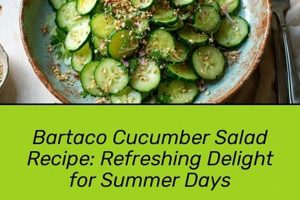
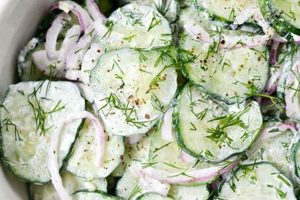
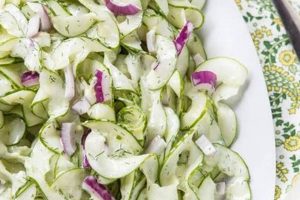
Currently popular preparations of this refreshing dish often incorporate diverse ingredients and methods, reflecting evolving culinary preferences. Examples include Asian-inspired versions with soy sauce, sesame oil, and rice vinegar, or Mediterranean variations featuring feta cheese, olives, and lemon vinaigrette. Spicy variations with chili flakes or jalapeos also demonstrate the adaptability of this simple dish.
The cyclical nature of food trends contributes to renewed interest in classic dishes like cucumber salad. These resurgences often involve innovative twists on traditional recipes, adding modern flavors and techniques while capitalizing on seasonal ingredient availability. This generates excitement within the culinary community and provides home cooks with fresh inspiration for meal preparation. The adaptability of the dish allows for catering to various dietary needs, including vegan, vegetarian, and gluten-free preferences.
This exploration of contemporary cucumber salad variations will delve into specific ingredient combinations, preparation techniques, and presentation styles that contribute to their current popularity. Furthermore, it will analyze the cultural and seasonal influences driving these trends, offering readers a comprehensive understanding of the evolution of this versatile dish.
Tips for Creating a Contemporary Cucumber Salad
Achieving optimal flavor and texture in a cucumber salad requires attention to detail. The following tips offer guidance for creating a dish that reflects current culinary trends.
Tip 1: Salt and Drain Excess Moisture: Salting sliced cucumbers and allowing them to drain removes excess water, preventing a watery salad and promoting crispness. This step is crucial for achieving a desirable texture.
Tip 2: Embrace Thin Slices: Utilizing a mandoline or sharp knife to create uniformly thin cucumber slices ensures even flavor distribution and a delicate texture. This also enhances the visual appeal of the finished dish.
Tip 3: Explore Diverse Vinegars: Experimenting beyond standard white vinegar can elevate the flavor profile. Rice vinegar, apple cider vinegar, or champagne vinegar offer unique nuances that complement cucumbers.
Tip 4: Incorporate Fresh Herbs: Fresh herbs like dill, mint, or parsley provide brightness and complexity. Consider using a combination of herbs for a more layered flavor experience.
Tip 5: Balance Flavors: Achieving a harmonious balance between acidity, sweetness, and saltiness is key. Taste and adjust seasonings throughout the preparation process.
Tip 6: Consider Textural Variety: Adding toasted nuts, seeds, or croutons introduces contrasting textures, enhancing the overall sensory experience.
Tip 7: Chill Thoroughly: Chilling the salad for at least 30 minutes before serving allows the flavors to meld and enhances the refreshing quality of the dish.
By following these tips, one can create a cucumber salad that is not only flavorful and visually appealing but also reflects current culinary trends by emphasizing fresh ingredients and balanced flavors.
These techniques provide a foundation for culinary exploration, encouraging creativity and personalization in cucumber salad preparation.
1. Fresh, Seasonal Ingredients

The utilization of fresh, seasonal ingredients plays a crucial role in contemporary cucumber salad recipes. This emphasis on seasonality contributes significantly to the flavor, texture, and overall appeal of the dish, aligning with broader culinary trends that prioritize ingredient quality and provenance.
- Peak Season Cucumbers:
Cucumbers harvested during their peak season offer superior flavor and texture compared to those grown out of season. Peak season cucumbers tend to be crisper, more flavorful, and less watery, enhancing the overall quality of the salad. Recipes often highlight this by employing minimal additions, allowing the cucumber’s natural flavor to shine.
- Complementary Seasonal Produce:
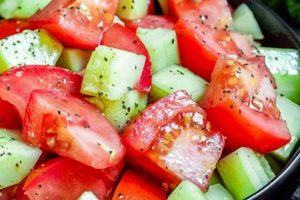
Trending cucumber salads often incorporate other seasonal produce that complements the cucumber’s flavor profile. Examples include ripe tomatoes in summer, crisp apples in autumn, or vibrant citrus segments in winter. This practice not only enhances the flavor complexity but also adds visual appeal and nutritional value to the dish.
- Locally Sourced Ingredients:
The trend towards local sourcing is reflected in popular cucumber salad recipes. Utilizing locally grown cucumbers and other ingredients reduces transportation costs and environmental impact while supporting local farmers and promoting community-based food systems. Locally sourced produce is often perceived as fresher and more flavorful, further elevating the dish.
- Herbs and Aromatics:
Fresh herbs and aromatics play a vital role in amplifying the flavor profile of trending cucumber salads. Seasonal herbs like dill, mint, parsley, and chives are frequently incorporated, adding brightness and complexity. The use of fresh herbs further emphasizes the focus on ingredient quality and seasonality, contributing to the overall sensory experience.
By prioritizing fresh, seasonal ingredients, trending cucumber salad recipes achieve optimal flavor and texture. This emphasis also aligns with broader culinary movements that value sustainability, local sourcing, and the celebration of peak season produce. The result is a dish that is not only delicious but also reflects a conscious approach to food preparation.
2. Vibrant Flavor Combinations

Vibrant flavor combinations drive the evolution of trending cucumber salad recipes. The refreshing, neutral base of cucumber provides a versatile canvas for diverse flavor profiles, enabling culinary creativity and experimentation. The incorporation of bold, contrasting, and complementary flavors elevates the simple cucumber salad from a basic side dish to a more complex and engaging culinary experience. This emphasis on flavor complexity reflects broader culinary trends that prioritize diverse taste experiences and global culinary influences.
Several factors contribute to the creation of vibrant flavor combinations in trending cucumber salads. Acidity, often from vinegar or citrus juice, provides brightness and balances the cucumber’s subtle sweetness. The addition of herbs and spices introduces aromatic complexity and depth. Sweetness, sometimes derived from honey, maple syrup, or fruit, adds another layer of flavor and balances the acidity. Umami-rich ingredients, such as soy sauce, fish sauce, or nutritional yeast, contribute savory depth. Chili flakes or other spicy elements introduce heat, adding another dimension to the flavor profile. The interplay of these elements results in a dynamic and satisfying sensory experience, crucial for a recipe’s trending status.
Specific examples illustrate this trend. A Thai-inspired cucumber salad might combine lime juice (acidity), fish sauce (umami), chili flakes (heat), and cilantro (herbs). A Mediterranean variation might incorporate feta cheese (salty, tangy), Kalamata olives (briny), lemon juice (acidity), and oregano (herbs). These examples demonstrate how diverse flavor profiles can transform a simple cucumber salad into a dish that reflects global culinary influences and caters to evolving palates. Understanding the interplay of these flavors allows for greater culinary creativity and adaptation of recipes to individual preferences.
3. Creative Presentations

Presentation plays a significant role in the popularity of trending cucumber salad recipes. Visual appeal enhances the dining experience, making a dish more shareable and enticing. In the context of online food culture, visually appealing dishes are more likely to be photographed and shared, contributing to their viral spread and trending status. Therefore, creative presentation is no longer an afterthought but an integral aspect of recipe development, particularly for dishes aiming to capture widespread attention.
- Plating Techniques:
Moving beyond basic bowl service, trending cucumber salads utilize various plating techniques to elevate visual appeal. Examples include arranging cucumber ribbons on a platter, layering ingredients in a glass jar for a visually appealing parfait effect, or using individual serving spoons or small bowls for portion control and aesthetic presentation. These methods enhance the perceived value of the dish and contribute to a more refined dining experience.
- Garnishes and Color Contrast:
Thoughtful garnishes contribute significantly to a cucumber salad’s visual appeal. Fresh herbs, edible flowers, a sprinkle of spices, or a drizzle of a contrasting sauce can transform a simple salad into a visually captivating dish. Consideration of color contrast is also crucial. Incorporating ingredients with contrasting colors, such as vibrant red tomatoes against the pale green cucumber, creates visual interest and stimulates appetite.
- Texture and Height:
Visual appeal extends beyond color to encompass texture and height. Incorporating ingredients with varying textures, such as toasted nuts, croutons, or crumbled cheese, adds visual depth and provides a more engaging sensory experience. Creating height on the plate, by mounding the salad or layering ingredients, adds dimension and makes the dish more visually dynamic.
- Photography and Styling:
In the digital age, the way a dish is photographed and styled significantly impacts its popularity. Natural lighting, appealing backdrops, and strategic placement of props contribute to a visually compelling image that is more likely to be shared online. Food bloggers and recipe developers often employ professional photography techniques to showcase their creations, further emphasizing the importance of visual presentation in trending food culture.
Creative presentation elevates trending cucumber salad recipes beyond basic preparations. By focusing on plating techniques, garnishes, texture, height, and photography, these dishes become more visually appealing and shareable, contributing to their popularity in online and offline culinary spaces. These visual elements, combined with flavorful ingredient combinations, contribute to a holistic and satisfying dining experience.
4. Simple Preparation Methods
The prevalence of simple preparation methods in trending cucumber salad recipes reflects a broader culinary shift towards convenience and accessibility without sacrificing flavor or quality. Time-constrained home cooks seek recipes that deliver impressive results with minimal effort. This preference for simplicity also aligns with the increasing popularity of weeknight meals and the desire for quick, healthy meal options. Furthermore, simple preparation methods often highlight the quality of fresh ingredients, allowing their natural flavors to shine through.
- Minimal Cooking Required:
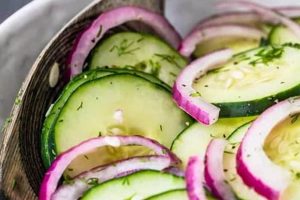
Many trending cucumber salad recipes require no cooking, relying on fresh ingredients and simple techniques like slicing, chopping, and whisking. This eliminates the need for extensive cooking equipment and reduces preparation time, appealing to those seeking quick and easy meal solutions. A classic cucumber and onion salad, for example, requires only slicing the vegetables and tossing them with a simple vinaigrette.
- Quick Marinades and Dressings:
Flavor development in trending cucumber salads often relies on quick marinades and dressings rather than lengthy cooking processes. These marinades and dressings, often composed of readily available pantry staples like vinegar, oil, and spices, infuse the cucumbers with flavor in a short amount of time. A simple Asian-inspired marinade might consist of rice vinegar, soy sauce, sesame oil, and ginger, requiring only a few minutes to prepare and impart flavor.
- Emphasis on Fresh Ingredients:
Simple preparation methods often emphasize the quality of fresh ingredients. By minimizing cooking and complex techniques, the natural flavors of the cucumbers and other components, such as fresh herbs or ripe tomatoes, are allowed to take center stage. This aligns with broader culinary trends that prioritize fresh, seasonal produce and highlight the inherent flavors of high-quality ingredients.
- Adaptability and Customization:
Simple cucumber salad recipes are often highly adaptable, allowing for customization based on individual preferences and available ingredients. A basic recipe can be easily modified with different herbs, spices, or additional vegetables to create unique flavor combinations. This adaptability contributes to the longevity of these recipes, as they can be adjusted to suit various tastes and dietary needs.
The emphasis on simple preparation methods in trending cucumber salad recipes contributes to their accessibility and widespread appeal. By minimizing cooking time and complexity while highlighting fresh, flavorful ingredients, these recipes cater to the needs of modern home cooks seeking convenient and delicious meal options. This focus on simplicity allows for greater culinary exploration and customization, empowering individuals to create personalized versions of these refreshing and versatile dishes.
5. Dietary Adaptability (Vegan, Gluten-Free)

Dietary adaptability represents a significant factor contributing to the rising popularity of contemporary cucumber salad recipes. Increasing awareness of dietary restrictions and preferences, including veganism and gluten-free diets, fuels demand for adaptable recipes. Cucumber salad, inherently plant-based and gluten-free, offers a versatile foundation for accommodating these dietary needs. This inherent adaptability contributes to its prevalence in trending recipe searches and online food platforms.
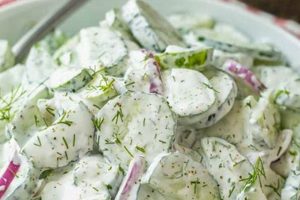
The ease with which cucumber salad can be adapted to vegan and gluten-free diets expands its potential audience considerably. Traditional recipes often rely on dairy-based dressings or croutons containing gluten. However, substitutions using plant-based yogurt, nut-based cheeses, or gluten-free bread alternatives allow for seamless adaptation without compromising flavor or texture. For example, a vegan cucumber salad might incorporate a cashew cream-based dressing flavored with dill and lemon, while a gluten-free version could utilize rice vinegar and tamari in place of traditional soy sauce. These simple modifications make the dish accessible to a wider range of individuals, contributing to its trending status.
The connection between dietary adaptability and trending cucumber salad recipes reflects a broader shift in culinary culture towards inclusivity and health-consciousness. Recipes that cater to specific dietary needs are no longer niche but increasingly mainstream. This trend underscores the importance of recipe developers and food bloggers considering dietary restrictions when creating and sharing content. The ability to easily adapt a cucumber salad to vegan or gluten-free requirements enhances its appeal and ensures its relevance within a diverse and evolving culinary landscape. This adaptability ultimately contributes to the dish’s continued popularity and positions it as a versatile and inclusive culinary staple.
6. Cultural Influences (Asian, Mediterranean)
Cultural influences, particularly Asian and Mediterranean cuisines, play a significant role in shaping trending cucumber salad recipes. These influences introduce diverse flavor profiles, ingredients, and techniques, contributing to the evolution of this classic dish beyond traditional preparations. The increasing globalization of food culture and the growing popularity of international cuisines drive this trend, making diverse culinary traditions more accessible and influencing contemporary recipe development.
Asian-inspired cucumber salads often feature ingredients like rice vinegar, soy sauce, sesame oil, ginger, and chili. These components contribute umami, acidity, spice, and aromatic complexity, resulting in flavor profiles distinct from Westernized versions. Specific examples include Japanese sunomono, featuring thinly sliced cucumbers marinated in rice vinegar and sugar, or a Korean oi muchim, seasoned with gochugaru (Korean chili flakes), sesame oil, and garlic. Mediterranean variations, on the other hand, frequently incorporate ingredients like feta cheese, olives, lemon juice, oregano, and mint. These additions contribute salty, briny, and herbaceous notes, creating a refreshing and flavorful salad characteristic of the region. A Greek cucumber salad, for instance, might combine cucumbers, tomatoes, red onion, feta, and a simple lemon-oregano vinaigrette.
Understanding these cultural influences provides valuable insights into the diversity and evolution of cucumber salad recipes. This knowledge allows for greater culinary exploration and creativity, enabling the adaptation and fusion of different culinary traditions. Recognizing the distinct flavor profiles and ingredient combinations associated with specific cultural influences empowers individuals to create cucumber salads that reflect diverse global tastes and culinary heritages. This cross-cultural exchange enriches culinary experiences and contributes to the dynamic landscape of trending food.
7. Emphasis on Texture and Crispness
Texture and crispness are paramount in trending cucumber salad recipes, significantly influencing overall enjoyment and contributing to a dish’s popularity. A refreshing, crisp cucumber salad offers a welcome contrast to heavier or richer meal components. Contemporary recipes prioritize methods that enhance and preserve this desirable textural element, distinguishing them from older preparations that may have resulted in softer, less appealing textures.
- Ingredient Selection and Preparation:
Choosing firm, fresh cucumbers is essential for achieving optimal crispness. Specific preparation techniques, such as salting and draining sliced cucumbers, further enhance this quality by removing excess moisture. Recipes often specify precise slicing methods, such as thin ribbons or mandoline-cut rounds, to maximize surface area and contribute to a delicate, crisp texture.
- Balancing Moisture Content:
Careful consideration of moisture content is crucial. While crispness is desired, excessive moisture can dilute flavors and create a watery salad. Techniques like salting and draining, as well as the judicious use of hydrating ingredients like tomatoes, contribute to a balanced moisture level that preserves crispness without compromising flavor.
- Incorporating Contrasting Textures:
While crispness is central, trending recipes often incorporate contrasting textures to create a more dynamic sensory experience. Toasted nuts, seeds, croutons, or crispy fried onions provide a textural counterpoint to the cool, crisp cucumbers, adding complexity and interest. This interplay of textures elevates the dish beyond a simple salad, making it more engaging and satisfying.
- Serving Temperature and Timing:
Serving temperature and timing also influence perceived crispness. Thoroughly chilling the salad before serving enhances the refreshing quality and maintains optimal texture. Recipes often recommend specific chilling times to ensure the cucumbers remain crisp without becoming overly chilled. Additionally, avoiding prolonged storage after dressing helps prevent the salad from becoming soggy, preserving the desired crispness.
The emphasis on texture and crispness in trending cucumber salad recipes reflects a broader culinary appreciation for sensory details. By prioritizing techniques that enhance and preserve crispness, while also incorporating contrasting textural elements, contemporary recipes elevate this simple dish into a more complex and satisfying culinary experience. This focus on texture, combined with vibrant flavors and creative presentations, contributes to the widespread appeal and trending status of these refreshing salads.
Frequently Asked Questions
This section addresses common inquiries regarding the preparation and enjoyment of trending cucumber salad recipes.
Question 1: How can excess moisture be prevented in cucumber salad?
Salting sliced cucumbers and allowing them to drain for approximately 15-20 minutes effectively draws out excess moisture, preventing a watery salad and preserving crispness.
Question 2: What vinegars are suitable for cucumber salad beyond standard white vinegar?
Rice vinegar, apple cider vinegar, and champagne vinegar offer distinct flavor profiles that complement cucumbers. Experimentation is encouraged to discover preferred nuances.
Question 3: What herbs pair well with cucumber in contemporary recipes?
Dill, mint, parsley, and chives are frequently incorporated, adding brightness and complexity. Combining herbs can create a more layered flavor experience.
Question 4: How can one ensure a cucumber salad remains crisp?
Thorough chilling before serving and avoiding prolonged storage after dressing helps maintain crispness. Utilizing firm, fresh cucumbers and employing salting and draining techniques are also crucial.
Question 5: How can cucumber salads be adapted for vegan diets?
Substituting traditional dairy components with plant-based alternatives, such as cashew cream or vegan yogurt, allows for seamless adaptation without compromising flavor or texture. Ensuring all additional ingredients, such as dressings and toppings, are also vegan-friendly is essential.
Question 6: What are examples of cultural influences in trending cucumber salad recipes?
Asian-inspired versions may incorporate soy sauce, sesame oil, and rice vinegar, while Mediterranean variations might include feta cheese, olives, and lemon vinaigrette. These influences introduce diverse flavor profiles and ingredients.
Understanding these key aspects of preparation contributes to a successful and enjoyable cucumber salad experience.
The following section will explore specific trending cucumber salad recipes incorporating these principles.
Trending Cucumber Salad Recipes
This exploration of trending cucumber salad recipes reveals a dynamic interplay of culinary influences, emphasizing fresh ingredients, vibrant flavor combinations, creative presentations, and dietary adaptability. The focus on simple preparation methods, coupled with an understanding of cultural nuances and textural considerations, contributes to the widespread appeal of these dishes. From Asian-inspired variations featuring sesame and ginger to Mediterranean interpretations incorporating feta and olives, contemporary cucumber salads demonstrate a remarkable versatility and capacity for culinary innovation.
The continued evolution of trending cucumber salad recipes reflects a broader culinary movement towards health-conscious, globally-inspired cuisine. This adaptability ensures the enduring relevance of this classic dish, offering a refreshing and flavorful canvas for ongoing culinary exploration and creative expression. By embracing these trends and understanding the underlying principles, culinary enthusiasts can elevate the simple cucumber salad into a sophisticated and satisfying culinary experience.