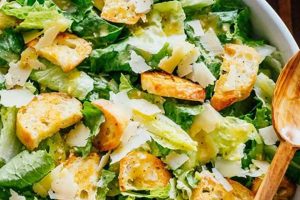
This dish typically combines cooked quinoa, diced avocado, and other complementary ingredients. These additions can include vegetables such as tomatoes, cucumbers, red onion, corn, or bell peppers. Often, a vibrant dressing enhances the flavor profile, with options ranging from a simple vinaigrette to more complex citrus or herb-based blends. Variations may also incorporate protein sources like chickpeas, black beans, grilled chicken, or fish.
A combination of whole grain, healthy fats, and fresh produce offers a nutritionally balanced meal option. The complex carbohydrates in quinoa provide sustained energy, while the monounsaturated fats in avocado contribute to heart health. The inclusion of diverse vegetables further boosts the vitamin and mineral content. This type of salad can be a satisfying and refreshing choice for lunch, dinner, or a side dish, aligning well with contemporary dietary preferences for fresh, wholesome ingredients.
Further exploration of this culinary concept will delve into specific ingredient combinations, preparation techniques, dressing options, and nutritional information. Various adaptations for dietary restrictions and preferences will also be considered.
Tips for a Perfect Quinoa and Avocado Salad
Optimizing ingredient selection and preparation techniques elevates this dish from simple to exceptional. Attention to detail ensures a balanced flavor profile and desirable texture.
Tip 1: Rinse the quinoa thoroughly. Rinsing removes the naturally occurring bitter coating (saponins) resulting in a cleaner taste.
Tip 2: Cook quinoa according to package directions. Proper cooking yields fluffy, separate grains, avoiding a mushy texture.
Tip 3: Select ripe, but firm avocados. Overripe avocados can become mushy when combined with other ingredients. Slightly firm avocados will hold their shape and provide a smoother texture.
Tip 4: Add avocado close to serving time. This prevents browning and maintains the vibrant green color and fresh flavor. A light squeeze of lemon or lime juice can further deter oxidation.
Tip 5: Incorporate a variety of textures. Toasted nuts, seeds, or crumbled feta cheese can provide a satisfying crunch.
Tip 6: Balance flavors with the dressing. A citrus vinaigrette complements the avocado and quinoa well. Experiment with herbs and spices to create a unique flavor profile.
Tip 7: Consider chilling the salad before serving. This enhances the refreshing qualities, particularly in warmer weather.
Adherence to these guidelines ensures a flavorful, visually appealing, and texturally satisfying culinary experience.
By understanding these key elements, one can confidently create a customized version to suit individual preferences.
1. Ingredient Quality

Ingredient quality significantly impacts the overall success of a quinoa and avocado salad. Superior ingredients elevate flavor, texture, and nutritional value. Careful selection and proper handling contribute to a more satisfying culinary experience.
- Quinoa Selection
Opting for high-quality quinoa contributes to a pleasant, slightly nutty flavor and fluffy texture. Look for quinoa that has been pre-rinsed to remove any residual saponins, which can impart bitterness. Different varieties, such as red, black, or white quinoa, offer subtle variations in flavor and visual appeal. Choosing organic quinoa can also be a consideration for those prioritizing pesticide-free options.
- Avocado Ripeness and Variety
Avocado selection plays a crucial role in both flavor and texture. Ripe, yet firm avocados are ideal for salads, maintaining their shape and providing a creamy texture. Overripe avocados can become mushy and contribute to an unpleasant texture. Different avocado varieties, such as Hass or Fuerte, offer subtle differences in flavor and texture. Selecting the right avocado is key for optimal enjoyment.
- Freshness of Produce
Incorporating fresh, high-quality produce enhances the flavor, nutritional value, and visual appeal of the salad. Peak-season vegetables, such as ripe tomatoes, crisp cucumbers, and vibrant bell peppers, offer optimal flavor. Farmers’ markets or local sources often provide the freshest options. Thoroughly washing and properly storing produce maintains its quality and prevents spoilage.
- Supporting Ingredients
The supporting ingredients, such as herbs, spices, nuts, seeds, and dressings, contribute complexity and depth of flavor. Fresh herbs, like cilantro or parsley, offer bright, aromatic notes. Toasted nuts or seeds introduce textural contrast. High-quality oils and vinegars create balanced and flavorful dressings. Selecting flavorful additions elevates the overall sensory experience.
By prioritizing ingredient quality across all components, one can maximize the flavor, nutritional value, and aesthetic appeal of this dish. Thoughtful selection and proper handling contribute to a more satisfying and enjoyable culinary experience.
2. Flavor Balance

Flavor balance is paramount in a successful quinoa and avocado salad recipe. The inherent mildness of quinoa and the creamy richness of avocado create a neutral canvas requiring careful consideration of complementary flavors. A harmonious blend of tastes sweet, sour, salty, bitter, and umami elevates this dish from simple to sophisticated. The interplay of these elements creates a dynamic and satisfying sensory experience.
For example, the slight bitterness of raw red onion can be balanced by the sweetness of roasted corn or dried cranberries. The acidity of a lime vinaigrette complements the richness of the avocado, while a sprinkle of sea salt enhances the overall flavor profile. Incorporating umami-rich ingredients, such as crumbled feta cheese or toasted pine nuts, adds depth and complexity. Understanding these flavor interactions allows for strategic ingredient selection and customized flavor profiles.
Achieving flavor balance requires more than just combining ingredients; it necessitates a thoughtful approach to proportions and preparation techniques. Overly acidic dressings can overpower the delicate flavors of the other components, while insufficient seasoning can result in a bland dish. Properly balancing flavors maximizes the potential of each ingredient, creating a synergistic and enjoyable culinary experience. This understanding empowers culinary exploration and customization while ensuring a consistently delicious and well-balanced salad.
3. Textural Contrast

Textural contrast significantly contributes to the enjoyment of a quinoa and avocado salad. The foundational elementscooked quinoa and avocadooffer a relatively soft and creamy base. Incorporating ingredients with contrasting textures elevates the sensory experience. This interplay of textures prevents monotony and adds complexity to each bite.
Consider the addition of toasted nuts or seeds. The crunch of toasted pepitas or slivered almonds provides a stark contrast to the soft quinoa and creamy avocado. Similarly, incorporating chopped raw vegetables, such as bell peppers or cucumbers, introduces a crisp and refreshing element. Even crumbled feta cheese or cotija can offer a pleasant crumbly texture. These additions prevent the salad from becoming overly homogenous and create a more dynamic and satisfying culinary experience. The interplay of textures stimulates the palate and adds depth to each bite.
Understanding the importance of textural contrast allows for strategic ingredient selection and preparation methods. Roasting vegetables, for example, can create a slightly charred exterior while maintaining a tender interior, adding another layer of textural complexity. Toasted coconut flakes offer a delicate crispness, while incorporating cooked chickpeas provides a slightly firm, yet yielding texture. Mastering this element elevates a simple quinoa and avocado salad from palatable to truly delightful. This attention to detail transforms the dish into a more engaging and satisfying culinary creation.
4. Nutritional Value

Nutritional value represents a significant aspect of a quinoa and avocado salad recipe. This dish inherently offers a compelling nutritional profile due to the synergistic combination of nutrient-rich ingredients. Quinoa, a complete protein source, provides all nine essential amino acids, alongside dietary fiber and iron. Avocado contributes healthy monounsaturated fats, potassium, and vitamin K. The inclusion of fresh vegetables further enhances the vitamin, mineral, and antioxidant content. This combination creates a nutrient-dense meal option suitable for a variety of dietary needs and preferences. For example, a salad incorporating spinach adds a significant boost of vitamins A and C, while the addition of bell peppers contributes vitamin C and antioxidants.
The nutritional value of this salad can be further optimized through mindful ingredient selection and preparation methods. Choosing whole-grain quinoa over refined grains maximizes fiber content. Incorporating a variety of colorful vegetables broadens the spectrum of micronutrients. Limiting added oils and processed dressings helps control overall calorie and sodium intake. Proper storage and handling of ingredients preserve vitamin content and prevent nutrient degradation. For instance, storing cut vegetables properly minimizes vitamin C loss. Understanding these factors allows for the creation of a highly nutritious and flavorful meal that supports overall well-being.
The practical significance of this nutritional understanding allows individuals to tailor recipes to specific dietary requirements and health goals. Adjusting portion sizes and incorporating specific ingredients can address individual needs. This knowledge empowers informed choices, contributing to healthier eating patterns. While variations exist depending on specific ingredients, the foundational combination of quinoa, avocado, and fresh vegetables establishes a strong nutritional base. This inherent nutritional value positions the quinoa and avocado salad as a valuable component of a balanced and health-conscious diet.
5. Presentation Aesthetics
Presentation aesthetics play a crucial role in the overall perception and enjoyment of a quinoa and avocado salad. While flavor and nutritional value remain paramount, visual appeal enhances the dining experience. A thoughtfully presented salad entices the appetite and elevates the perceived value of the dish. This principle applies to both home-cooked meals and professional culinary settings.
Several factors contribute to a visually appealing presentation. Color plays a significant role; the vibrant green of avocado, the varied hues of fresh vegetables, and the contrasting tones of additional ingredients create visual interest. Strategic arrangement of components highlights these colors and textures. For instance, arranging avocado slices around the perimeter of the bowl with a colorful mix of quinoa and vegetables in the center creates a visually balanced and appealing presentation. Incorporating garnishes, such as a sprinkle of fresh herbs or a drizzle of dressing, adds a finishing touch. The choice of servingware also contributes to the overall aesthetic. A simple white bowl can emphasize the vibrant colors of the salad, while a rustic wooden bowl can create a more casual and natural feel. Attention to detail in these areas demonstrates care and elevates the perceived quality of the dish.
The practical significance of understanding presentation aesthetics lies in its ability to transform a simple salad into a visually captivating culinary creation. Whether preparing a meal for oneself, family, or guests, attention to presentation enhances the overall dining experience. In professional settings, such as restaurants or catering events, visually appealing food presentation contributes to customer satisfaction and brand perception. While taste remains the ultimate measure of success, visual appeal significantly influences the initial perception and overall enjoyment of a quinoa and avocado salad. Mastering this aspect elevates the dish beyond mere sustenance and transforms it into a truly satisfying sensory experience.
6. Preparation Method
Preparation method significantly influences the final outcome of a quinoa and avocado salad recipe. Proper techniques ensure optimal flavor, texture, and presentation. A systematic approach, from ingredient preparation to final assembly, contributes to a successful and enjoyable culinary experience. Understanding these methods allows for consistent results and customization based on individual preferences.
- Quinoa Cooking Technique
Proper quinoa cooking is fundamental. Rinsing the quinoa before cooking removes saponins, which can impart a bitter flavor. The recommended cooking ratio is typically two parts liquid to one part quinoa. Bringing the liquid to a boil, adding the rinsed quinoa, reducing heat, covering, and simmering for approximately 15-20 minutes, or until the liquid is absorbed, yields fluffy and perfectly cooked quinoa. Overcooking can result in a mushy texture, while undercooking leads to a hard and unpleasant bite.
- Avocado Handling and Incorporation
Avocado handling requires careful attention to prevent browning. Dicing or slicing the avocado close to serving time minimizes oxidation. Gentle tossing prevents the avocado from becoming overly mashed. A light coating of lemon or lime juice can further inhibit browning and enhance flavor. Proper handling preserves the vibrant green color, creamy texture, and fresh flavor of the avocado.
- Ingredient Combination and Order of Addition
The order of ingredient addition impacts flavor distribution and textural integrity. Combining the cooked and cooled quinoa with the other ingredients before adding the avocado helps prevent the avocado from being overly mashed. Adding more delicate ingredients, such as fresh herbs, towards the end prevents them from wilting or becoming bruised. This strategic approach ensures that each ingredient contributes optimally to the final dish.
- Dressing Preparation and Incorporation
Dressing preparation and incorporation significantly influence the final flavor profile. Whisking together the dressing ingredients thoroughly emulsifies the mixture and ensures even distribution of flavors. Adding the dressing to the salad close to serving time prevents the salad from becoming soggy. Gently tossing the salad with the dressing coats the ingredients evenly, enhancing flavor and preventing the avocado from breaking down.
Mastery of these preparation methods ensures a consistently delicious and visually appealing quinoa and avocado salad. Consistent application of these techniques contributes to a satisfying culinary experience while allowing for creative variations and personalized adaptations. Understanding the interplay of these methods empowers individuals to create a customized salad that meets individual preferences and dietary needs, while maximizing flavor, texture, and nutritional value.
Frequently Asked Questions
This section addresses common inquiries regarding quinoa and avocado salad preparation and variations.
Question 1: Can quinoa be prepared in advance for this salad?
Yes, quinoa can be cooked ahead of time. Refrigerate cooked quinoa in an airtight container for up to 3 days. Bring to room temperature or lightly warm before incorporating into the salad.
Question 2: How can browning of avocados be prevented?
Adding lemon or lime juice to diced avocado helps prevent oxidation and browning. Incorporating the avocado into the salad close to serving time also minimizes exposure to air.
Question 3: What are suitable substitutes for quinoa?
Couscous, farro, or brown rice can be substituted for quinoa, though nutritional content and flavor profiles will vary. These alternatives offer similar textural qualities and can be incorporated using similar preparation methods.
Question 4: Can this salad be adapted for specific dietary restrictions?
Yes, this salad is highly adaptable. Gluten-free variations can be achieved by ensuring all additional ingredients are gluten-free. Vegan adaptations exclude cheese or other animal products. Adjustments to sodium content can be made by selecting low-sodium dressings or omitting added salt.
Question 5: What dressing options complement this salad?
Citrus vinaigrettes, particularly lime or lemon-based dressings, pair well with the flavors of quinoa and avocado. Herbaceous dressings with cilantro, parsley, or mint also provide complementary flavors. Creamy dressings, such as those made with tahini or Greek yogurt, offer a richer alternative. The specific choice depends on individual preference and dietary considerations.
Question 6: How should this salad be stored?
Store leftover salad without the dressing in an airtight container in the refrigerator for up to 2 days. Add dressing just before serving to maintain optimal texture and prevent sogginess. Avocado may naturally brown slightly during storage, but this does not affect the flavor significantly.
Careful consideration of these frequently asked questions ensures optimal preparation and enjoyment of a quinoa and avocado salad. Addressing these points enhances the overall culinary experience and allows for customization based on individual needs and preferences.
This information provides a comprehensive foundation for creating a delicious and nutritious quinoa and avocado salad.
Conclusion
Exploration of quinoa and avocado salad recipes reveals a versatile dish offering nutritional value and culinary adaptability. Key elements include ingredient quality, flavor balance, textural contrast, nutritional content, presentation aesthetics, and proper preparation methods. From selecting ripe avocados and rinsing quinoa to balancing flavors and achieving appealing presentation, attention to detail elevates this simple combination of ingredients into a satisfying and healthful meal.
Culinary experimentation with diverse ingredients and flavor profiles allows for personalized variations. This adaptability positions the quinoa and avocado salad as a valuable component within a balanced diet, suitable for diverse palates and dietary needs. Continued exploration of flavor combinations and preparation techniques further enhances culinary creativity and appreciation for this versatile dish.