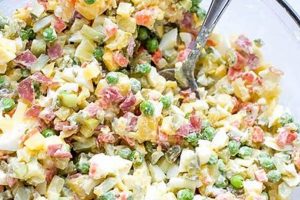
A layered deli-style salad, typically assembled in a long, loaf-shaped container, features a variety of cold cuts, cheeses, and vegetables. Common ingredients include ham, salami, provolone, lettuce, tomatoes, onions, and peppers, often dressed with a vinaigrette or Italian dressing. This layered arrangement gives the dish a visually appealing cross-section resembling a submarine sandwich, hence the name. Variations might include different meats, cheeses, or the addition of olives, giardiniera, or other pickled vegetables.
This make-ahead dish offers convenience for potlucks, picnics, and large gatherings. Its portability and customizable nature make it a popular choice for casual entertaining. The separation of ingredients helps prevent the salad from becoming soggy, preserving freshness and texture. Historically, such layered salads have been a staple of Italian-American cuisine, reflecting a resourceful approach to using readily available ingredients to create a satisfying and flavorful meal.
The following sections will explore variations on this classic dish, offering step-by-step instructions for preparation and tips for ingredient selection and storage. Recipes will be presented for both traditional and contemporary interpretations, catering to diverse dietary preferences and culinary skill levels.
Tips for Creating a Delicious Layered Deli Salad
Achieving optimal flavor and texture in a layered deli salad requires attention to detail and careful ingredient selection. These tips offer guidance for creating a successful dish.
Tip 1: High-Quality Ingredients: Opt for premium deli meats and cheeses. Freshly sliced options from a local deli often provide superior flavor and texture compared to pre-packaged alternatives.
Tip 2: Crisp Vegetables: Choose vegetables that retain their crispness, such as romaine lettuce, bell peppers, and red onions. Avoid overly ripe or bruised produce.
Tip 3: Layering Technique: Create distinct layers to prevent sogginess. Start with a layer of lettuce or other leafy greens, followed by a layer of cheese, then meats, and finally, additional vegetables. Repeat this layering pattern.
Tip 4: Dressing Application: Add dressing just before serving to maintain the salad’s freshness. Consider serving the dressing on the side to allow guests to customize their portions.
Tip 5: Proper Storage: Store the assembled salad, without dressing, in an airtight container in the refrigerator for up to 24 hours. Keep the dressing separate until ready to serve.
Tip 6: Flavor Balancing: Consider the balance of flavors when selecting ingredients. Pair salty meats with milder cheeses and incorporate a variety of textures and colors for visual appeal.
Tip 7: Creative Variations: Don’t hesitate to experiment with different ingredients. Consider adding marinated artichoke hearts, roasted red peppers, or other flavorful additions.
By following these tips, one can ensure a visually appealing and flavorful layered deli salad that is perfect for any occasion.
These guidelines provide a strong foundation for creating a successful layered deli salad. The following section offers specific recipes for both traditional and innovative variations.
1. Ingredients

Ingredient selection significantly impacts the overall quality and character of a submarine salad. Careful consideration of components ensures a balance of flavors, textures, and visual appeal, crucial for a successful final product. The following facets explore the key ingredient categories and their respective roles within this layered composition.
- Meats
Contributing savory depth and protein, meat choices form the foundation of most submarine salads. Common selections include cured Italian meats such as salami, mortadella, capicola, and prosciutto. Leaner options like ham, turkey, or roast beef offer lighter alternatives. The selection influences the overall flavor profile, ranging from robust and spicy to mild and savory. The quantity of meat used also affects the richness and heartiness of the salad.
- Cheeses
Cheese provides a creamy texture and complementary flavor notes. Provolone, mozzarella, and Swiss are popular choices due to their mild flavors and ability to hold their shape. Sharper cheeses like cheddar or pepper jack can add a more pronounced flavor dimension. The choice of cheese contributes to the overall saltiness and richness of the salad.
- Vegetables
Vegetables contribute freshness, crunch, and visual appeal. Crisp lettuce varieties like romaine or iceberg form the base, while additions like sliced tomatoes, onions, bell peppers, cucumbers, and olives introduce varied textures and flavors. These ingredients offer nutritional value and contribute to the overall vibrancy and balance of the salad.
- Dressing/Condiments
Dressings and condiments provide essential moisture and enhance flavor profiles. Vinaigrettes, Italian dressing, or simple oil and vinegar combinations are common choices. Other additions, such as pepperoncini, giardiniera, or banana peppers, introduce spicy or tangy elements. The choice of dressing or condiment significantly influences the overall flavor and moisture level of the salad.
The interplay of these ingredient categories defines the character of the submarine salad. A thoughtful combination of high-quality meats, cheeses, and fresh vegetables, complemented by a flavorful dressing, results in a balanced and satisfying dish. Harmonizing these elements elevates the submarine salad from a simple collection of ingredients to a cohesive and enjoyable culinary experience.
2. Layering

Layering is a defining characteristic of a submarine salad, distinguishing it from a traditional tossed salad. This technique is not merely aesthetic; it plays a crucial role in preserving the integrity of individual ingredients, optimizing flavor, and enhancing the overall dining experience. Understanding the nuances of layering is essential for creating a successful submarine salad.
- Preventing Sogginess
Strategic layering prevents the salad from becoming soggy, a common issue with tossed salads where the dressing comes into contact with all ingredients simultaneously. By separating components into distinct layers, the vegetables remain crisp, and the meats and cheeses retain their textures. This is particularly important for make-ahead salads, where prolonged contact with dressing can lead to undesirable softening.
- Flavor Distribution
Layering influences flavor distribution and allows for a more balanced taste experience with each bite. Rather than a homogenous mixture, distinct layers offer a nuanced progression of flavors. For example, a layer of spicy pepperoncini can be strategically placed to provide a burst of heat, while a layer of mild provolone offers a balancing creaminess. This controlled distribution enhances the complexity and enjoyment of the salad.
- Visual Appeal
The layered construction contributes significantly to the visual appeal of the submarine salad. The distinct bands of color and texture create an attractive presentation, making it a visually engaging dish, particularly when served in a clear container or presented sliced for individual portions. The careful arrangement of ingredients transforms the salad into a visually appealing centerpiece.
- Ease of Serving
Layering simplifies portioning and serving, especially for large gatherings. The structured arrangement allows for clean cuts and ensures that each portion contains a balanced representation of all ingredients. This eliminates the need for individual mixing or serving utensils, enhancing convenience and efficiency.
The layering technique is integral to the success of a submarine salad. It is not simply a matter of aesthetics but a functional element that preserves freshness, enhances flavor, and contributes to a more satisfying dining experience. Mastering the art of layering elevates this dish from a simple combination of ingredients to a carefully constructed culinary creation.
3. Preparation

Preparation significantly influences the final outcome of a submarine salad recipe. Proper techniques ensure food safety, optimize flavor, and contribute to the overall quality of the dish. Careful attention to detail during the preparatory stages is essential for a successful and enjoyable culinary experience. The following facets delve into crucial aspects of preparation.
- Ingredient Handling
Proper handling of ingredients is paramount for food safety and optimal flavor. Washing vegetables thoroughly removes potential contaminants and ensures freshness. Properly storing ingredients at appropriate temperatures maintains quality and prevents spoilage. For example, leafy greens should be washed and dried thoroughly before storage, and deli meats should be kept refrigerated until ready for use. Careful handling minimizes risks and enhances the overall quality of the finished product.
- Slicing Techniques
Consistent slicing techniques are crucial for achieving uniform layers and even distribution of ingredients. Uniformly sliced meats and cheeses contribute to both the visual appeal and balanced flavor of each portion. Thinly sliced components layer more evenly, whereas thicker cuts create a more substantial texture. The choice of slicing technique influences both the aesthetics and the eating experience.
- Layering Order
The order in which ingredients are layered impacts both flavor and texture. Placing a bed of lettuce at the bottom of the container creates a barrier against moisture from other ingredients. Distributing heavier items evenly prevents the salad from becoming compressed. For example, layering wetter ingredients like tomatoes above drier components like lettuce prevents the bottom layer from becoming soggy. Strategic layering maximizes flavor and maintains the desired texture of each component.
- Dressing Timing
The timing of dressing application is critical for preventing sogginess and preserving the integrity of individual ingredients. Adding the dressing immediately before serving ensures optimal flavor and texture. Alternatively, offering dressing on the side allows individuals to customize their portion and further mitigates the risk of sogginess, particularly when preparing the salad in advance. Careful consideration of dressing timing is essential for maintaining the desired freshness and crispness.
Meticulous preparation is essential for a successful submarine salad recipe. From ingredient handling to layering order and dressing timing, each step contributes significantly to the final product’s quality, flavor, and presentation. Attention to detail during these preparatory stages ensures a satisfying and enjoyable culinary experience.
4. Presentation
Presentation plays a crucial role in the overall enjoyment of a submarine salad. While flavor and freshness are paramount, visual appeal significantly enhances the dining experience. Thoughtful presentation elevates the dish from a simple meal to a visually engaging culinary creation, increasing its perceived value and stimulating appetite. The following facets explore key elements of presentation and their impact on the enjoyment of a submarine salad.
- Choice of Container
The container significantly influences the visual impact of the salad. A clear glass or acrylic container showcases the vibrant layers and creates an enticing display. Alternatively, a rustic wooden bowl or serving platter offers a more informal presentation. The choice of container should complement the overall style and occasion, whether a casual gathering or a more formal setting. For individual portions, smaller, clear containers enhance portability and individual presentation.
- Garnishing
Garnishing adds a finishing touch and elevates the visual appeal. Fresh herbs like parsley or dill provide a pop of color and freshness. A sprinkle of paprika or a drizzle of olive oil can enhance visual contrast and add subtle flavor notes. Thoughtful garnishing enhances the sensory experience, stimulating both visual and olfactory senses, making the salad even more appealing.
- Slicing and Arrangement
The way the salad is sliced and arranged impacts its presentation. Clean, even slices create a professional and visually appealing look, particularly when served in a clear container. Arranging the sliced portions on a platter with accompanying crackers or bread adds to the overall presentation and provides a complete serving experience. Consideration of slicing technique contributes to both aesthetics and ease of serving.
- Accompaniments
Serving the submarine salad with complementary accompaniments enhances the overall presentation and provides a more complete meal. Crusty bread, crackers, or a side of olives or pickles create a visually appealing spread and offer textural and flavor contrasts. The choice of accompaniments should complement the salad’s flavors and contribute to a balanced and satisfying dining experience.
Effective presentation enhances the enjoyment of a submarine salad. From the choice of container and garnishes to the slicing technique and accompanying elements, each aspect contributes to a visually appealing and appetizing experience. A well-presented submarine salad not only tastes delicious but also adds a touch of elegance and sophistication to any dining occasion.
5. Storage
Proper storage is crucial for maintaining the quality, safety, and flavor of a submarine salad. Improper storage can lead to spoilage, bacterial growth, and undesirable textural changes, compromising both the taste and safety of the dish. Understanding and implementing appropriate storage techniques is essential for maximizing the shelf life and preserving the desired characteristics of this layered salad.
- Temperature Control
Maintaining a consistent, low temperature is paramount for inhibiting bacterial growth and preserving ingredient freshness. Refrigeration between 34F and 40F (1C and 4C) is crucial. Fluctuations in temperature can accelerate spoilage. Consistent refrigeration ensures the safety and quality of the salad.
- Airtight Containers
Storing the salad in an airtight container minimizes exposure to oxygen, which can contribute to oxidation and discoloration of ingredients, particularly meats and vegetables. An airtight seal also helps retain moisture, preventing the salad from drying out. Proper containers are essential for maintaining the desired texture and appearance.
- Separate Storage of Dressing
Storing the dressing separately from the salad components is crucial for preventing premature sogginess. The acidic nature of many dressings can also react with certain ingredients over time, leading to undesirable flavor changes. Separate storage maintains the crispness of vegetables and preserves the intended flavor profile.
- Shelf Life Considerations
Even with proper storage, submarine salads have a limited shelf life. Generally, they are best consumed within 24-48 hours of preparation. Beyond this timeframe, the quality and safety of the ingredients may be compromised. Adhering to recommended storage times minimizes the risk of foodborne illness and ensures optimal flavor and texture.
Effective storage practices are integral to ensuring the safety and enjoyment of a submarine salad. By adhering to these guidelines, one can maximize the shelf life of the salad while preserving its intended flavor, texture, and visual appeal. Proper storage ensures a satisfying and safe dining experience.
6. Variations

The inherent adaptability of the submarine salad recipe lends itself to extensive variation. Exploring these variations provides opportunities to cater to diverse dietary preferences, utilize seasonal ingredients, and experiment with creative flavor combinations. This adaptability ensures the enduring appeal of this layered dish, allowing for personalized interpretations while maintaining its core characteristics.
- Dietary Adaptations
Dietary restrictions need not limit enjoyment of a submarine salad. Vegetarian versions can incorporate marinated tofu, tempeh, or grilled vegetables in place of meat. Vegan options can utilize plant-based cheeses and ensure all other components align with vegan principles. Gluten-free variations focus on selecting gluten-free breads or omitting bread altogether. These adaptations broaden accessibility and ensure inclusivity for those with dietary limitations.
- Regional Influences
Regional influences can inspire unique and flavorful variations. An Italian-inspired version might feature Genoa salami, provolone, pepperoncini, and a red wine vinaigrette. A Greek-inspired version could incorporate feta cheese, Kalamata olives, artichoke hearts, and a lemon-herb dressing. Exploring regional flavors adds depth and complexity to the traditional submarine salad framework.
- Seasonal Ingredients
Utilizing seasonal ingredients offers opportunities to maximize freshness and flavor while supporting local agriculture. A spring variation might incorporate fresh asparagus, peas, and mint. A summer version could feature ripe tomatoes, cucumbers, and basil. Embracing seasonal produce enhances flavor profiles and adds variety throughout the year.
- Creative Flavor Combinations
Beyond traditional ingredient combinations, exploring creative flavor profiles can elevate the submarine salad to new culinary heights. Incorporating roasted vegetables, such as sweet potatoes or Brussels sprouts, adds depth and complexity. Experimenting with different cheeses, such as smoked gouda or goat cheese, introduces unique flavor notes. Unconventional additions, like dried cranberries or toasted nuts, provide textural contrast and unexpected flavor dimensions.
The versatility of the submarine salad recipe allows for endless customization. By exploring dietary adaptations, regional influences, seasonal ingredients, and creative flavor combinations, individuals can create personalized versions that cater to specific preferences and occasions. This inherent adaptability ensures the submarine salad remains a relevant and enjoyable culinary creation.
Frequently Asked Questions
This section addresses common inquiries regarding layered deli salads, providing concise and informative responses to clarify potential uncertainties and offer practical guidance.
Question 1: What is the optimal storage duration for a layered deli salad?
Properly stored in an airtight container in the refrigerator, a layered deli salad typically maintains optimal quality for 24-48 hours. Beyond this timeframe, the risk of spoilage increases, and the texture and flavor may be compromised.
Question 2: Can a layered deli salad be prepared in advance for a large gathering?
Advance preparation is a key advantage of this dish. Assemble the salad without the dressing up to 24 hours prior to serving. Store the dressing separately and add it just before serving to prevent sogginess.
Question 3: What measures can be taken to prevent the salad from becoming watery?
Thoroughly drying all vegetables before layering helps minimize excess moisture. Additionally, placing a layer of lettuce at the bottom of the container creates a barrier, preventing moisture from wetter ingredients from seeping into other layers.
Question 4: What are suitable alternatives to traditional deli meats for a healthier option?
Leaner alternatives such as roasted turkey, chicken, or ham offer lower fat content. Vegetarian options include marinated tofu, tempeh, or grilled vegetables.
Question 5: Are there suitable substitutes for individuals with dairy sensitivities?
Plant-based cheese alternatives, available in various flavors and textures, provide suitable substitutes for traditional dairy cheeses. Ensure compatibility with other ingredients and dietary restrictions.
Question 6: Can this type of salad be frozen for later consumption?
Freezing is not generally recommended for layered deli salads. Freezing alters the texture of many components, particularly vegetables, resulting in a less desirable consistency upon thawing. Fresh preparation is preferred for optimal quality.
Understanding these common points of concern allows for effective preparation and storage, maximizing enjoyment and ensuring food safety.
The following section offers a collection of diverse recipes to guide culinary exploration and inspire personalized variations on this classic dish.
Submarine Salad Recipe
This exploration of the submarine salad recipe has provided a comprehensive overview of its key elements, from ingredient selection and layering techniques to presentation and storage. Emphasis has been placed on the importance of ingredient quality, proper handling, and strategic layering for achieving optimal flavor, texture, and visual appeal. Variations discussed demonstrate the adaptability of this classic dish, accommodating diverse dietary preferences and culinary creativity. Proper storage techniques ensure food safety and maximize shelf life, preserving the desired characteristics of this layered creation.
The submarine salad recipe represents more than a simple combination of ingredients; it embodies a culinary tradition adaptable to evolving tastes and dietary needs. Its enduring popularity stems from its versatility, ease of preparation, and satisfying nature. Further exploration of flavor profiles and regional adaptations promises continued evolution and enjoyment of this layered culinary classic.