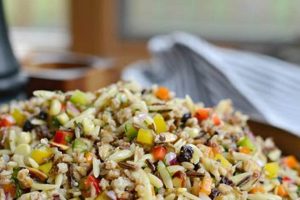
Cabbage, often finely shredded, forms the base of this versatile dish, typically combined with a creamy dressing. Variations abound, incorporating ingredients such as carrots, onions, peppers, and fruits like apples or raisins. Dressings range from mayonnaise-based classics to tangier vinegar and oil options, offering diverse flavor profiles from sweet and creamy to savory and tangy.
As a refreshing and often economical side dish, this culinary creation offers nutritional benefits derived from cabbage, a source of vitamins and fiber. Its adaptable nature allows for customization to suit diverse palates and dietary needs, making it a popular accompaniment to grilled meats, barbecue, and picnics. Its origins trace back to shredded cabbage salads enjoyed in the Netherlands, eventually evolving into the creamy variations popular today.
This exploration delves into a variety of preparations, covering classic recipes, innovative twists, and tips for achieving the perfect texture and flavor balance. Whether seeking a traditional side or a contemporary interpretation, the following information provides a comprehensive guide to preparing and enjoying this popular salad.
Tips for Exceptional Coleslaw
Achieving optimal flavor and texture requires attention to detail. These tips offer guidance for creating a truly satisfying culinary experience.
Tip 1: Cabbage Selection and Preparation: Opt for fresh, crisp cabbage. Remove the core and finely shred the leaves for optimal texture. Soaking shredded cabbage in ice water for 30 minutes before dressing enhances crispness.
Tip 2: Dressing Mastery: Thoroughly combine dressing ingredients, ensuring emulsification for a smooth, creamy consistency. Taste and adjust seasonings to achieve the desired flavor profile.
Tip 3: Flavor Balancing: Balance sweetness, acidity, and savory notes in the dressing. A touch of sugar or honey complements the tang of vinegar or lemon juice.
Tip 4: Ingredient Incorporation: Add other vegetables like shredded carrots, diced onions, or chopped bell peppers for added flavor, texture, and visual appeal.
Tip 5: Timing is Key: Dress the coleslaw shortly before serving to prevent the cabbage from becoming soggy. This preserves its crispness and maintains a fresh flavor.
Tip 6: Creative Enhancements: Explore flavor variations by incorporating ingredients such as shredded apples, raisins, dried cranberries, or toasted nuts. These additions offer unique textural and flavor dimensions.
Tip 7: Proper Storage: Store leftover coleslaw in an airtight container in the refrigerator for up to three days. Note that the texture may soften slightly over time.
By following these guidelines, one can elevate a simple coleslaw to a delightful culinary creation, enhancing any meal or occasion.
From classic preparations to innovative variations, understanding these fundamental principles allows for confident experimentation and consistent results.
1. Ingredients

Ingredient selection significantly impacts the final character of coleslaw. Cabbage, the foundational element, offers textural and flavor nuances depending on the variety chosen. Green cabbage provides a neutral base, while red cabbage introduces a peppery note and vibrant color. Carrots contribute sweetness and visual appeal. Other vegetables, such as red onion or bell peppers, introduce complexity and contrasting textures. The choice of ingredients directly influences the overall flavor profile, whether aiming for a classic creamy slaw or a tangy vinegar-based version.
For instance, a creamy coleslaw benefits from the inclusion of shredded carrots and finely diced red onion, complementing the richness of the mayonnaise-based dressing. Conversely, a vinegar slaw might incorporate shredded green cabbage, julienned carrots, and thinly sliced red bell pepper to emphasize a crisp, refreshing texture and a vibrant flavor contrast. Understanding the interplay of these components allows for tailored recipes that cater to specific preferences.
Successful coleslaw hinges on the thoughtful selection and combination of ingredients. Consideration of texture, flavor, and color ensures a well-balanced and appealing final product. This understanding allows for both adherence to traditional recipes and creative exploration of flavor profiles, resulting in a versatile dish adaptable to various culinary contexts.
2. Dressing
Dressing is pivotal in defining the character of coleslaw. It acts as the unifying element, binding the shredded vegetables and imparting the dominant flavor profile. The choice of dressing dictates whether the final product leans towards creamy richness, tangy sharpness, or a balanced profile. This crucial component influences not only the taste but also the overall texture and mouthfeel. Classic mayonnaise-based dressings contribute a creamy texture and rich flavor, often balanced by a touch of sweetness and acidity. Vinaigrettes, on the other hand, offer a lighter, more refreshing alternative, highlighting the crispness of the vegetables with tangy notes. For example, a creamy coleslaw typically employs a dressing of mayonnaise, vinegar, and sugar, while a vinegar-based slaw might utilize a blend of oil, vinegar, and herbs. Understanding this interplay allows for informed decisions when crafting or selecting a recipe.
The interplay between dressing and ingredients is essential. A robust, creamy dressing complements the subtle flavors of cabbage and carrots, while a lighter vinaigrette enhances the natural sweetness of shredded apples or the peppery notes of red cabbage. Achieving balance is key. Overly rich dressings can overwhelm delicate vegetables, while overly acidic dressings can render the slaw unpalatable. A well-balanced dressing complements the ingredients without masking their individual flavors. This understanding permits the creation of harmonious flavor profiles, whether aiming for a traditional or innovative coleslaw variation. Consider a slaw featuring shredded Brussels sprouts and dried cranberries; a light vinaigrette with Dijon mustard and maple syrup complements the earthy sprouts and tart cranberries without overpowering their distinct flavors. This exemplifies how dressing choices directly influence the final product’s success.
The choice of dressing ultimately determines the culinary experience. It influences not only flavor but also how the coleslaw interacts with other dishes in a meal. A creamy coleslaw pairs well with barbecued meats, providing a cooling counterpoint to smoky flavors. A tangy vinegar slaw complements fried foods, cutting through richness and offering a refreshing contrast. Mastery of dressing preparation and selection elevates coleslaw from a simple side dish to a carefully considered culinary component. Recognizing the profound influence of dressing on the final result allows for confident experimentation and successful recipe development.
3. Technique

Technique plays a crucial role in determining the final quality and enjoyment of coleslaw. Proper execution of specific techniques influences texture, flavor release, and overall presentation, impacting the sensory experience. From the initial preparation of the cabbage to the final mixing of the dressing, each step contributes to the overall success of the dish. Understanding these techniques allows for greater control over the final product, ensuring a consistently satisfying outcome.
- Cabbage Preparation
Proper cabbage preparation is fundamental. Thinly slicing or shredding creates a pleasant texture and ensures the cabbage absorbs the dressing evenly. Different methods, such as using a sharp knife, mandoline, or food processor, yield varying results. Knife-shredded cabbage offers a slightly coarser texture, while a mandoline produces uniform, thin shreds. A food processor allows for quick shredding but may result in a finer texture that can become soggy more quickly. The chosen method influences both the final texture and how the cabbage interacts with the dressing.
- Dressing Emulsification
Creating a stable emulsion for creamy dressings is essential for a smooth, evenly distributed coating. Proper whisking or blending of ingredients, such as mayonnaise, vinegar, and seasonings, ensures the emulsion does not separate, resulting in a cohesive dressing that clings to the cabbage. A broken emulsion can lead to a watery, unevenly coated slaw, diminishing both flavor and visual appeal. Understanding the principles of emulsification ensures a consistently creamy and flavorful dressing.
- Ingredient Incorporation
The way ingredients are incorporated affects the final texture and flavor distribution. Gently tossing the shredded cabbage and other vegetables with the dressing ensures even coating without damaging delicate ingredients. Overmixing can bruise the cabbage and release excess moisture, leading to a soggy slaw. The proper technique preserves the crispness of the vegetables and ensures a balanced flavor distribution throughout the salad.
- Resting and Chilling
Allowing the coleslaw to rest after dressing allows the flavors to meld and the cabbage to soften slightly. Chilling further enhances the crispness of the vegetables and allows the flavors to deepen. The duration of resting and chilling influences the final texture and flavor intensity. A shorter rest period results in a crisper slaw with more distinct individual flavors, while a longer chill allows the flavors to marry and the cabbage to absorb the dressing more fully.
Mastery of these techniques elevates coleslaw from a simple side dish to a carefully crafted culinary creation. Precise execution of each step ensures a consistently satisfying result, enhancing texture, flavor, and overall enjoyment. Understanding the nuances of these techniques allows for greater control over the final product and empowers culinary exploration, whether following a traditional recipe or experimenting with innovative variations.
4. Variations

The adaptability of coleslaw allows for extensive variation, transforming a basic recipe into a diverse range of culinary expressions. Exploring these variations expands the possibilities of this versatile dish, catering to a wide spectrum of flavor preferences and dietary needs. From classic creamy versions to vibrant, internationally inspired interpretations, understanding the potential for variation unlocks a world of culinary creativity within the seemingly simple framework of coleslaw.
- Classic Creamy Coleslaw
This foundational variation emphasizes a creamy, rich dressing, typically mayonnaise-based, often balanced with vinegar, sugar, and seasonings. It serves as a benchmark, providing a familiar and comforting flavor profile. Classic creamy coleslaw often accompanies barbecue, fried chicken, or sandwiches, offering a cooling contrast to richer dishes. Its widespread popularity stems from its simplicity and adaptability to various culinary contexts.
- Vinegar Coleslaw
Vinegar-based coleslaws offer a lighter, tangier alternative to creamy versions. Emphasis is placed on the acidity of the dressing, often complemented by oil, herbs, and spices. This variation highlights the crispness of the cabbage and other vegetables. Vinegar coleslaw pairs well with grilled meats, fish, and tacos, providing a refreshing contrast to savory flavors. Its tangy profile makes it a popular choice for those seeking a lighter, less rich option.
- International Inspirations
Coleslaw’s adaptability extends to incorporating flavors and ingredients from diverse culinary traditions. Examples include Asian-inspired slaws with sesame oil, ginger, and soy sauce, or Mexican-influenced versions with lime juice, cilantro, and jalapeo. These variations demonstrate the potential for global fusion within the coleslaw format, offering unique and exciting flavor combinations. An Asian-inspired slaw might accompany grilled salmon or vegetable stir-fry, while a Mexican slaw complements tacos or grilled fish, demonstrating the versatility of these international interpretations.
- Dietary Adaptations
Coleslaw can be readily adapted to accommodate various dietary needs. Vegan versions utilize plant-based mayonnaise or creamy cashew-based dressings, while low-fat options substitute Greek yogurt or reduced-fat mayonnaise. These adaptations demonstrate the inherent flexibility of coleslaw, ensuring its accessibility to individuals with diverse dietary restrictions. A vegan coleslaw, for example, provides a plant-based alternative without sacrificing flavor or texture, while a low-fat version caters to health-conscious individuals seeking a lighter option.
The spectrum of coleslaw variations demonstrates the versatility of this seemingly simple dish. From the classic creamy rendition to globally inspired interpretations and dietary adaptations, the potential for customization is vast. Understanding these variations allows for informed choices based on personal preferences and culinary contexts, ensuring a satisfying culinary experience. Exploring these variations allows individuals to both appreciate the traditional foundations of coleslaw and embrace the innovative possibilities it offers, transforming a simple side dish into a versatile culinary expression.
5. Storage
Proper storage is crucial for maintaining the quality and safety of coleslaw. This seemingly simple step significantly impacts texture, flavor, and the prevention of spoilage. Neglecting proper storage techniques can lead to undesirable outcomes, ranging from a soggy, unappetizing texture to potential bacterial growth. Understanding the relationship between storage practices and the final quality of coleslaw is essential for maximizing enjoyment and ensuring food safety.
Coleslaw, particularly mayonnaise-based versions, is susceptible to bacterial growth if left at room temperature for extended periods. Harmful bacteria thrive in warm, moist environments, and the combination of shredded vegetables and creamy dressing provides an ideal breeding ground. Therefore, refrigeration is paramount. Storing coleslaw in an airtight container at or below 40F (4C) inhibits bacterial growth and preserves freshness. Leaving coleslaw unrefrigerated for more than two hours significantly increases the risk of foodborne illness. For instance, a picnic or outdoor gathering requires careful attention to coleslaw storage, utilizing coolers and ice packs to maintain safe temperatures. Practical application of food safety guidelines is essential in such contexts.
Beyond food safety, proper storage impacts the textural quality of coleslaw. Cabbage, the primary ingredient, releases moisture over time, especially when dressed. This can lead to a soggy texture if the coleslaw is not stored correctly. Airtight containers minimize moisture loss and prevent the absorption of odors from other foods in the refrigerator. Proper storage, therefore, maintains the desired crispness of the cabbage and prevents the coleslaw from becoming watery. While some softening is inevitable over time, proper storage techniques significantly extend the window of optimal texture and flavor. This understanding allows for informed decisions regarding preparation timing and serving schedules, optimizing the culinary experience.
Frequently Asked Questions
This section addresses common inquiries regarding optimal preparation and enjoyment, offering concise and informative responses to enhance understanding and address potential concerns.
Question 1: How long can one store this type of salad safely?
Refrigeration in an airtight container at or below 40F (4C) is crucial. Consume within three to five days for optimal quality and safety. Discard any salad left at room temperature for more than two hours.
Question 2: Can alternative ingredients be substituted for cabbage?
While cabbage provides the traditional base, finely shredded vegetables like Brussels sprouts, broccoli stems, or kohlrabi can offer interesting textural and flavor variations.
Question 3: What causes a watery consistency, and how can it be prevented?
Excess moisture from the cabbage is often the culprit. Salting shredded cabbage and allowing it to rest before dressing draws out excess water. Thorough draining is essential.
Question 4: How can one adapt recipes for specific dietary restrictions?
Substitutions readily accommodate dietary needs. Vegan mayonnaise or cashew-based creams replace traditional mayonnaise for vegan diets. Greek yogurt or low-fat mayonnaise create lighter variations.
Question 5: What are the key indicators of spoilage?
Discard if a sour odor, slimy texture, or discoloration develops. Adhering to recommended storage times minimizes spoilage risk.
Question 6: Can one freeze this type of salad?
Freezing is not recommended. The texture of the cabbage and other vegetables degrades significantly upon thawing, resulting in an undesirable consistency.
Understanding these key aspects of preparation and storage enhances enjoyment and ensures a safe and satisfying culinary experience. Addressing these common inquiries provides a foundation for successful preparation and enjoyment.
This information serves as a practical guide for maximizing the quality and safety of this versatile dish. The following sections offer further insights into specific recipe variations and culinary applications.
Conclusion
Exploration of coleslaw salad recipes reveals a dish adaptable to diverse culinary preferences and occasions. From classic creamy variations to lighter, tangier options, ingredient selection, dressing preparation, and proper technique influence the final product significantly. Understanding these elements allows for consistent results and encourages culinary creativity. Proper storage maintains quality and safety, extending enjoyment.
Coleslaw’s versatility extends beyond traditional side dish applications, offering potential for innovative interpretations and integration into diverse culinary traditions. Continued exploration of flavor profiles and ingredient combinations promises further evolution of this adaptable and refreshing culinary staple.