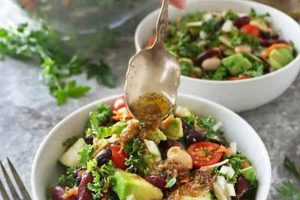
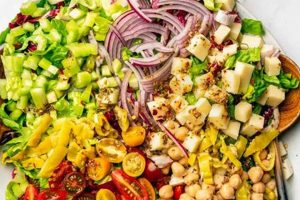
Dried, salted cod, reconstituted and flaked, forms the base of a refreshing and flavorful salad prevalent in Italian cuisine. This dish typically incorporates ingredients such as tomatoes, olives, potatoes, capers, onions, and parsley, dressed with olive oil and often red wine vinegar. Variations may include other vegetables, chickpeas, or hard-boiled eggs, reflecting regional preferences and seasonal availability.
This culinary tradition stems from methods of preserving cod, allowing communities to enjoy this nutritious fish year-round, particularly in coastal regions and during periods of fasting. The dish offers a balanced source of protein and healthy fats, while the combination of ingredients provides a complex tapestry of flavors and textures. Its enduring popularity lies in its simplicity, versatility, and adaptability to both everyday meals and festive occasions.
Further exploration of this topic will encompass variations in regional preparations, tips for selecting and rehydrating the cod, and suggestions for complementary pairings.
Tips for Preparing a Delicious Baccal Salad
Achieving optimal flavor and texture requires attention to detail in the preparation process. The following tips will ensure a successful outcome.
Tip 1: Soaking the Cod: Thorough desalination is crucial. Submerge the dried cod in cold water, refrigerated, for 24-48 hours, changing the water several times. This removes excess salt and rehydrates the fish properly.
Tip 2: Selecting Ingredients: Use ripe, flavorful tomatoes, preferably in season. High-quality olive oil and olives contribute significantly to the final taste.
Tip 3: Flaking the Cod: Once desalted, gently flake the cod, removing any skin or bones. Avoid over-shredding, which can result in a mushy texture.
Tip 4: Balancing Flavors: The interplay of saltiness, acidity, and freshness is key. Adjust the amount of vinegar and capers according to preference. A touch of sweetness from chopped red onion can enhance the overall profile.
Tip 5: Potato Preparation: Boil potatoes until tender but not overly soft. Allow them to cool completely before adding to the salad to prevent them from absorbing excessive oil.
Tip 6: Combining Ingredients: Gently toss the ingredients together, ensuring the cod is evenly distributed. Avoid overmixing, as this can bruise the ingredients.
Tip 7: Resting Time: Allow the salad to rest for at least 30 minutes before serving to allow the flavors to meld. This enhances the overall taste and texture.
By following these guidelines, one can create a vibrant and satisfying salad showcasing the unique character of this traditional Italian dish.
The subsequent section will provide variations and adaptations for customizing the recipe to individual preferences.
1. High-quality dried cod

The foundation of an authentic baccal salad rests upon the selection of high-quality dried cod. This ingredient dictates the final dish’s texture, flavor, and overall success. Understanding the characteristics of superior dried cod is essential for achieving optimal results.
- Appearance and Texture:
High-quality dried cod typically exhibits a creamy white to pale yellow color, a firm, dry texture, and a mild, almost sweet aroma. Avoid cod with a strong fishy odor, discoloration, or excessive dryness, as these indicate inferior quality or improper storage. The chosen piece should be thick and meaty, promising a pleasing texture once rehydrated.
- Processing Method:
Traditionally, cod is dried and salted naturally, a process that preserves its flavor and contributes to its unique texture. Look for cod that has been dried using traditional methods, as these often yield a superior product. Modern drying techniques can sometimes result in a tougher, less flavorful product. The salting process also plays a vital role; proper salting prevents spoilage without excessively dehydrating the fish.
- Origin and Sourcing:
Different regions boast specific drying and salting traditions, influencing the final product’s characteristics. Knowing the origin of the cod can provide insights into its quality and potential flavor profile. For instance, Norwegian klippfisk and Italian stoccafisso (dried unsalted cod), while not technically baccal, represent distinct drying traditions with unique qualities suitable for similar preparations. Sourcing from reputable suppliers specializing in quality dried cod is recommended.
- Impact on the Final Dish:
The quality of the dried cod directly impacts the baccal salad’s final flavor and texture. Superior cod, properly rehydrated, yields a tender, flaky texture and a delicate, slightly salty taste that complements the other salad ingredients. Inferior cod, conversely, can result in a tough, stringy texture or an overly salty, fishy flavor that overwhelms the dish.
By prioritizing high-quality dried cod, one ensures a baccal salad that embodies the authentic flavors and textures of this cherished Italian tradition. The careful selection of this core ingredient elevates the dish, transforming it from a simple salad into a culinary experience.
2. Thorough Desalination
Thorough desalination is paramount in preparing baccal salad. The intense saltiness of preserved cod necessitates this crucial step, ensuring a palatable and enjoyable dish. Insufficient desalination renders the salad inedibly salty, overpowering the delicate flavors of accompanying ingredients. This process significantly influences the final texture and taste, making it a cornerstone of authentic baccal salad preparation.
- Impact on Flavor:
Excessive salt masks the nuanced flavors of the other ingredients, such as fresh tomatoes, olives, and herbs. Proper desalination allows these flavors to emerge, creating a balanced and harmonious taste profile. The cod itself, once desalted, offers a subtly briny flavor that complements the other components without overwhelming them.
- Texture Enhancement:
Desalination not only affects flavor but also plays a critical role in the cod’s texture. Soaking the dried cod rehydrates the flesh, transforming it from a stiff, hard substance to a tender, flaky texture ideal for salads. The process also removes excess salt that could contribute to a tough, chewy consistency.
- Food Safety and Preservation:
While salt traditionally preserves cod, excessive levels can create an environment conducive to unwanted bacterial growth once rehydrated. Thorough desalination, coupled with proper refrigeration during soaking, mitigates this risk and ensures food safety.
- Methods and Best Practices:
Effective desalination involves submerging the dried cod in cold water, refrigerated, for a period of 24-48 hours, with multiple water changes. The frequency of water changes depends on the thickness and saltiness of the cod. Cold water is essential, preventing bacterial growth and maintaining the fish’s texture. Testing a small piece of cod after soaking provides an indication of adequate desalination.
The desalination process is integral to baccal salad preparation. This meticulous approach transforms preserved cod into a palatable, texturally pleasing ingredient, laying the foundation for a flavorful and authentic culinary experience.
3. Fresh, Seasonal Vegetables
The vibrancy and freshness of baccal salad are significantly enhanced by the incorporation of seasonal vegetables. These ingredients contribute not only textural complexity but also a bright, refreshing counterpoint to the richness of the rehydrated cod. Prioritizing seasonal produce elevates the salad from a simple dish to a celebration of flavor and freshness, deeply rooted in Italian culinary tradition.
- Tomatoes:
Ripe, juicy tomatoes provide a burst of sweetness and acidity, balancing the saltiness of the cod. In-season tomatoes, whether heirloom varieties or classic San Marzano, offer superior flavor and texture compared to out-of-season options. Their vibrant color also enhances the salad’s visual appeal.
- Onions:
Red onions, with their sharp, pungent bite, add a crucial layer of complexity. Their sweetness mellows when thinly sliced and macerated in the salad dressing, contributing a refreshing crispness and a subtle sweetness that complements the other ingredients. Other varieties, such as scallions or shallots, can also be incorporated, offering subtle variations in flavor.
- Parsley:
Fresh parsley provides a clean, herbaceous note, brightening the overall flavor profile. Its slightly peppery taste and vibrant green color add a refreshing element. Flat-leaf parsley is generally preferred for its delicate flavor and texture.
- Other Seasonal Additions:
Beyond the core vegetables, seasonal additions can further enhance the salad’s complexity. Artichokes, bell peppers, celery, and fennel, when in season, offer unique flavors and textures that complement the traditional ingredients. These additions reflect regional variations and seasonal availability, showcasing the adaptability of the baccal salad.
The emphasis on fresh, seasonal vegetables underscores the connection between baccal salad and the Italian culinary philosophy of utilizing the best ingredients available. This approach maximizes flavor, texture, and nutritional value, resulting in a dish that is both satisfying and deeply connected to the rhythms of nature. The careful selection of seasonal produce elevates the salad beyond a simple combination of ingredients, transforming it into a vibrant expression of Italian culinary tradition.
4. Extra Virgin Olive Oil

Extra virgin olive oil is not merely a dressing for baccal salad; it’s an integral component that elevates the dish, contributing significantly to its flavor profile, texture, and overall culinary experience. The quality of the olive oil profoundly impacts the final result, underscoring the importance of selecting an extra virgin variety.
- Flavor Enhancement:
Extra virgin olive oil possesses a distinct fruity, peppery flavor that complements the delicate, slightly salty taste of the rehydrated cod. Its richness enhances the other ingredients, such as tomatoes, olives, and herbs, creating a harmonious blend of flavors. The oil’s inherent bitterness and pungency provide a counterpoint to the richness of the fish, preventing the salad from becoming overly heavy.
- Texture and Mouthfeel:
The viscosity of extra virgin olive oil contributes to the salad’s luxurious mouthfeel. It coats the ingredients, creating a smooth, velvety texture that enhances the overall sensory experience. This richness contrasts with the flakiness of the cod and the firmness of the vegetables, creating a delightful interplay of textures.
- Health Benefits and Nutritional Value:
Extra virgin olive oil, rich in monounsaturated fats and antioxidants, offers potential health benefits. Its inclusion aligns with the Mediterranean diet principles often associated with Italian cuisine. These healthy fats contribute to satiety, making the salad a more satisfying meal.
- Regional Variations and Pairings:
Different regions of Italy produce extra virgin olive oils with distinct flavor profiles, reflecting the local terroir and olive varieties. Selecting an oil from a specific region can further enhance the authenticity and complexity of the baccal salad. For instance, a Tuscan olive oil with its robust, peppery flavor might pair well with a heartier version of the salad, while a Ligurian oil, with its delicate, fruity notes, could complement a lighter preparation.
The choice of extra virgin olive oil is essential in achieving an authentic and flavorful baccal salad. Its contribution extends beyond simply binding the ingredients together; it acts as a flavor enhancer, a textural component, and a reflection of Italian culinary heritage. By understanding the nuances of extra virgin olive oil and its impact on the final dish, one can fully appreciate the complexity and depth of this classic Italian salad.
5. Balanced Acidity

Balanced acidity is crucial to a successful baccal salad recipe. The inherent saltiness of the rehydrated cod requires a counterpoint, preventing the dish from becoming overly savory. Acidity brightens the flavors, adds complexity, and enhances the overall palate experience. Achieving this balance is essential for a harmonious and refreshing final product.
- Sources of Acidity:
Several ingredients contribute acidity to baccal salad. Red wine vinegar is a common choice, offering a sharp, pungent tang. Lemon juice provides a brighter, citrusy acidity. Capers, while also salty, contribute a unique acidic note. The choice of acidulating agent depends on regional preferences and desired flavor profiles. Some recipes may also incorporate ingredients like chopped pickled peppers or marinated artichoke hearts for additional layers of acidity.
- Balancing Salt and Acid:
The interplay between salt and acid is pivotal. The desalination process for the cod significantly influences the final balance. Thoroughly desalted cod requires less acidity, whereas incomplete desalination necessitates a more assertive acidic component. The other ingredients also play a role; salty olives, for instance, might require more acidity than milder vegetables. Careful tasting and adjustment are essential throughout the preparation process.
- Impact on Flavor Profile:
Acidity enhances the overall flavor profile of the salad. It cuts through the richness of the olive oil and the saltiness of the cod, creating a more refreshing and vibrant taste. The specific type of acid used contributes unique flavor notes; red wine vinegar adds a subtle fruitiness, while lemon juice provides a zesty brightness. The acidity also interacts with the other ingredients, enhancing the flavors of the tomatoes, onions, and herbs.
- Enhancing Freshness and Texture:
Acidity contributes to the salad’s perceived freshness. It brightens the flavors and creates a more vibrant, lively taste experience. Furthermore, acidic ingredients can slightly firm the textures of certain vegetables, such as onions, adding a pleasant crispness to the salad. This contrast in texturesthe tender cod, the firm vegetables, and the smooth olive oilcreates a more dynamic and enjoyable sensory experience.
Balancing acidity is an essential element of crafting a truly delicious baccal salad. It’s a delicate dance between salt and acid, influencing not only the taste but also the texture and overall enjoyment of the dish. Mastering this balance ensures a vibrant, refreshing, and authentically Italian culinary experience.
6. Proper Rehydration

Proper rehydration is paramount in preparing baccal salad. The dried, salted cod, the dish’s cornerstone, requires careful rehydration to achieve optimal texture and palatability. This process directly impacts the salad’s final quality, influencing both flavor and mouthfeel. Insufficient rehydration results in a tough, chewy, and excessively salty final product, while over-rehydration can lead to a mushy, unappetizing texture. The rehydration process, therefore, becomes a defining step in achieving an authentic and enjoyable baccal salad.
The method involves submerging the dried cod in cold water for an extended period, typically 24-48 hours, depending on the cod’s thickness and salt content. Frequent water changes, at least every 4-6 hours, are essential to leach out excess salt and ensure even rehydration. Refrigeration during this process is crucial for food safety, preventing bacterial growth. The desired outcome is cod that is tender yet firm, retaining a pleasant, slightly chewy texture without excessive saltiness. This delicate balance distinguishes properly rehydrated baccal, ready for incorporation into the salad, from improperly prepared cod, which can compromise the entire dish.
Proper rehydration transforms the dried cod, initially hard and intensely salty, into a tender, flavorful ingredient suitable for the salad. This transformation underscores the significance of this often-overlooked step. The resulting texture and diminished saltiness allow the subtle flavors of the cod to emerge, harmonizing with the other salad componentstomatoes, olives, capers, and olive oil. Mastery of rehydration, therefore, elevates the baccal salad from a simple assembly of ingredients to a carefully orchestrated culinary experience, reflecting a deep understanding of Italian culinary traditions.
7. Gentle Ingredient Combination
The construction of baccal salad is not a forceful amalgamation of ingredients; rather, it necessitates a gentle approach. This careful combination preserves the integrity of each component, ensuring a harmonious blend of textures and flavors. Aggressively mixing the salad can compromise the delicate flakes of rehydrated cod, bruise the vegetables, and result in a less appealing final product. The gentle combination technique distinguishes a thoughtfully prepared baccal salad from a carelessly assembled one.
- Preserving Textural Integrity:
Rehydrated baccal, while tender, can easily break down if handled roughly. Gentle combination prevents the fish from becoming mushy, ensuring a pleasant, flaky texture. Similarly, delicate vegetables like tomatoes and fresh herbs retain their structure and contribute to a more appealing visual presentation and a more enjoyable eating experience.
- Flavor Distribution and Melding:
Gentle tossing ensures even distribution of the dressing and allows the flavors to meld subtly without overpowering one another. This approach avoids the creation of flavor pockets or an overly homogenized mixture, allowing the individual tastes of the cod, vegetables, and seasonings to shine through.
- Visual Appeal and Presentation:
A gently combined baccal salad maintains an appealing aesthetic. The ingredients retain their distinct shapes and colors, creating a visually appealing dish that invites enjoyment. A roughly mixed salad, conversely, can appear muddled and less appetizing.
- Respect for Tradition:
The gentle combination technique reflects a respect for the traditional preparation of baccal salad. It embodies the Italian culinary philosophy of highlighting the quality and integrity of individual ingredients, allowing their natural flavors and textures to speak for themselves.
The gentle combination of ingredients in baccal salad is more than just a technique; it represents a mindful approach to food preparation. This delicate handling elevates the dish, ensuring a harmonious balance of textures and flavors that exemplifies the essence of Italian culinary craftsmanship. This attention to detail distinguishes a truly exceptional baccal salad from a merely adequate one.
Frequently Asked Questions
The following addresses common inquiries regarding the preparation and enjoyment of authentic baccal salad.
Question 1: How long should dried cod soak?
Soaking duration depends on the cod’s thickness and salt content, generally ranging between 24 and 48 hours. Thicker pieces require longer soaking. Changing the water every 4-6 hours is crucial for optimal desalination.
Question 2: Can other types of fish be substituted for cod?
While other dried, salted fish may be used, the authentic recipe specifies dried cod (baccal). Substitutions will yield a different flavor profile and texture, deviating from the traditional dish.
Question 3: What type of olive oil is recommended?
Extra virgin olive oil is essential for authentic flavor and texture. Its fruity notes and rich mouthfeel complement the other ingredients. Select a high-quality extra virgin olive oil for optimal results.
Question 4: Is it necessary to use fresh tomatoes?
Fresh, ripe tomatoes, preferably in season, contribute significantly to the salad’s flavor and texture. Canned tomatoes, while acceptable in some preparations, lack the vibrant flavor and texture of fresh tomatoes.
Question 5: Can the salad be prepared in advance?
While the salad can be assembled a few hours in advance, allowing the flavors to meld, it’s generally best served fresh. Extended refrigeration can affect the texture of certain ingredients, particularly the tomatoes.
Question 6: How should leftover baccal salad be stored?
Store leftover salad in an airtight container in the refrigerator for up to 24 hours. Consume promptly to ensure optimal quality and food safety.
Understanding these aspects of baccal salad preparation ensures a successful and authentic culinary outcome. Careful attention to each element contributes to a dish that embodies the rich traditions of Italian cuisine.
Exploring regional variations provides further insight into the versatility and adaptability of this classic dish.
Baccal Salad Recipe Italian
This exploration of baccal salad has illuminated the critical elements that contribute to its unique character within Italian cuisine. From the careful selection and rehydration of dried cod to the nuanced balance of acidity and the incorporation of fresh, seasonal vegetables, each step plays a vital role in the final dish. The importance of extra virgin olive oil and the gentle combination of ingredients further underscore the attention to detail required to create an authentic and flavorful experience. The dish represents more than a simple salad; it embodies a culinary tradition rooted in resourcefulness, seasonality, and a deep appreciation for simple, high-quality ingredients.
Baccal salad stands as a testament to the enduring power of culinary tradition. Its continued presence on tables across Italy and beyond speaks to its adaptability and enduring appeal. Further exploration of regional variations and personal adaptations promises to unlock even greater depths of flavor and appreciation for this classic dish. Encouraging culinary experimentation within the framework of established techniques allows this tradition to evolve while preserving its essential character.