Dishes featuring flaked, cooked salmon combined with various ingredients like mayonnaise, celery, onion, and seasonings constitute a popular and versatile meal option. These preparations can range from simple mixtures suitable for sandwiches to more elaborate presentations served on lettuce cups or crackers. A classic example involves canned salmon, mayonnaise, diced celery, and chopped red onion, seasoned with salt and pepper.
Such dishes offer a healthy and convenient way to enjoy this nutritious fish. Salmon is rich in omega-3 fatty acids, protein, and vitamins, contributing to heart health, brain function, and overall well-being. The adaptability of these preparations allows for customization based on dietary preferences and available ingredients, accommodating various flavor profiles and cultural influences. Historically, similar preparations likely originated with the availability of canned salmon, becoming increasingly popular in the 20th century as a readily accessible and affordable protein source.
This exploration will delve into variations on these preparations, including ingredient selection, preparation methods, and serving suggestions. Nutritional information, health benefits, and tips for achieving optimal flavor and texture will also be discussed.
Tips for Creating Exceptional Salmon Dishes
Optimizing flavor and texture requires attention to several key aspects of preparation. Consider these recommendations for enhancing culinary results.
Tip 1: Quality Ingredients Matter: Begin with high-quality canned or fresh salmon. Fresh salmon should exhibit a firm texture and vibrant color. If using canned salmon, opt for varieties packed in water or olive oil rather than those packed in soybean oil.
Tip 2: Proper Drainage is Crucial: Thoroughly drain canned salmon to remove excess liquid, preventing a watery final product. Fresh salmon should be cooked and flaked before incorporating it into the mixture.
Tip 3: Freshness Enhances Flavor: Utilize freshly chopped herbs and vegetables for optimal taste and texture. Avoid pre-chopped ingredients, as these can often lack vibrancy.
Tip 4: Mindful Mayonnaise Selection: Choose a high-quality mayonnaise as it significantly impacts the overall flavor profile. Consider using mayonnaise made with olive oil or avocado oil for a healthier option.
Tip 5: Seasoning is Key: Seasoning should extend beyond salt and pepper. Explore complementary flavors such as dill, lemon juice, or Dijon mustard to elevate the taste.
Tip 6: Achieve Desired Texture: Do not overmix the ingredients. Overmixing can result in a mushy texture. Gently combine ingredients until just incorporated.
Tip 7: Chill for Enhanced Flavor: Allowing the mixture to chill in the refrigerator for at least 30 minutes before serving allows the flavors to meld and enhances the overall experience.
By following these tips, one can ensure a delicious and satisfying culinary experience. Attention to detail and the use of fresh, high-quality ingredients contribute significantly to the final outcome.
With these preparations mastered, the next section will explore various serving suggestions and creative presentation ideas.
1. Ingredient Selection

Ingredient selection significantly impacts the final flavor profile and overall quality of salmon salad. The choice of salmon itself represents the foundational decision. Opting for wild-caught salmon generally yields a richer, more pronounced flavor, while farmed salmon often presents a milder taste and softer texture. Canned salmon offers convenience, but attention should be paid to the canning liquid; water-packed or olive oil-packed varieties are preferred over those packed in soybean oil. Beyond the salmon, the remaining ingredients contribute layers of flavor and texture. For example, using fresh dill and lemon zest introduces a bright, citrusy note, whereas incorporating capers and red onion provides a briny, pungent counterpoint.
The interplay between ingredients creates a delicate balance. The creaminess of mayonnaise serves as a binding agent and provides a backdrop for other flavors. The crispness of celery and red onion offers textural contrast to the flaked salmon. The judicious use of seasonings, such as salt, pepper, and paprika, enhances and unifies the overall flavor profile. Consider the impact of each ingredient: Dijon mustard adds tang, chopped chives contribute a mild onion flavor, and a squeeze of lemon juice provides brightness. Experimentation with various combinations allows for customization and the development of unique flavor profiles. A classic preparation might involve mayonnaise, celery, and red onion, while a more adventurous approach could incorporate ingredients like chopped apples, grapes, or walnuts.
Thoughtful ingredient selection elevates salmon salad from a simple dish to a culinary experience. Understanding the interplay of flavors and textures empowers one to craft preparations tailored to specific preferences. The quality of ingredients directly correlates with the final result; fresh, high-quality components yield a superior product. Careful consideration of each ingredient’s contribution ensures a harmonious and flavorful outcome. This conscious approach to ingredient selection underscores the potential for creativity and customization within the realm of salmon salad preparation.
2. Preparation Techniques

Preparation techniques significantly influence the final texture, flavor, and overall quality of salmon salad. Proper execution of these techniques ensures a cohesive and palatable dish, preventing common pitfalls such as overmixing, which can lead to a mushy texture, or improper flaking, which can result in uneven consistency. These techniques, though seemingly simple, play a crucial role in elevating the dish beyond basic ingredients.
- Flaking the Salmon
Proper flaking is essential for achieving the desired texture. Overly aggressive flaking can result in a paste-like consistency, while insufficient flaking leaves large, unwieldy chunks. The goal is to achieve a balancesmall, distinct flakes that maintain their integrity while integrating seamlessly with other ingredients. For canned salmon, this involves gently separating the pieces with a fork. For cooked fresh salmon, the process involves using two forks to carefully break the fish into desired flakes, removing any skin or bones encountered.
- Mixing the Ingredients
The mixing process requires a delicate touch. Overmixing can lead to a dense, compact mixture, whereas undermixing results in uneven distribution of flavors and ingredients. The objective is to gently combine the components until just incorporated. This ensures a light and airy texture, allowing individual flavors to shine through. A rubber spatula or large spoon proves most effective for this task, minimizing the risk of crushing delicate ingredients.
- Seasoning and Flavor Balancing
Seasoning is paramount. It transcends merely adding salt and pepper; it involves a nuanced understanding of flavor profiles and how they interact. Consider the inherent saltiness of capers or the brightness of lemon juice when adjusting overall seasoning. Tasting and adjusting throughout the process is crucial for achieving a harmonious balance. This iterative process ensures the final product reflects a well-rounded flavor profile, enhancing the natural flavors of the salmon and other ingredients.
- Chilling and Resting
Chilling the prepared salmon salad allows the flavors to meld and deepen. A minimum of 30 minutes in the refrigerator is recommended, although longer chilling periods can further enhance the flavor profile, especially with more complex ingredient combinations. This chilling period allows the ingredients to marry, creating a more cohesive and flavorful final product.
Mastery of these preparation techniques is fundamental to achieving high-quality salmon salad. Attention to detail in each step, from flaking the salmon to the final chilling, contributes significantly to the overall sensory experience. The careful execution of these techniques elevates the dish from a simple mixture of ingredients to a carefully constructed culinary creation.
3. Flavor Combinations

Flavor combinations play a crucial role in defining the character and complexity of salmon salad recipes. The inherent richness and subtle flavor of salmon provide a versatile canvas for a wide range of complementary and contrasting tastes. Understanding these flavor dynamics allows for the creation of dishes that extend beyond basic preparations, offering nuanced and sophisticated flavor profiles. The interplay of ingredients contributes significantly to the overall sensory experience, transforming a simple mixture into a carefully orchestrated culinary creation.
Classic combinations, such as dill and lemon, highlight the natural flavors of the salmon, enhancing its inherent richness with bright citrus notes. The addition of capers introduces a briny, salty element that cuts through the richness of the mayonnaise, creating a balanced flavor profile. Red onion contributes a pungent bite, adding another layer of complexity. These classic combinations represent a starting point, offering a familiar and well-balanced flavor profile. More adventurous combinations, however, can elevate the dish to new heights. Consider the incorporation of chopped apples for sweetness and textural contrast, or the addition of toasted walnuts for a nutty depth and satisfying crunch. These additions demonstrate the potential for creativity within the realm of salmon salad, allowing for customization based on individual preferences and culinary exploration.
The practical significance of understanding flavor combinations lies in the ability to create balanced and harmonious dishes. The interplay of sweet, sour, salty, and savory elements contributes to a more complete and satisfying sensory experience. Balancing the richness of the salmon and mayonnaise with brighter, acidic notes prevents the dish from becoming overly heavy or monotonous. The strategic use of herbs, spices, and other flavoring agents allows for endless variations, ensuring that each preparation offers a unique and enjoyable culinary experience. The careful consideration of flavor combinations transforms salmon salad from a simple staple into a dish capable of surprising and delighting the palate.
4. Serving Suggestions
Serving suggestions represent a crucial element in maximizing the enjoyment and versatility of salmon salad recipes. The manner in which the salad is presented influences not only the visual appeal but also the overall dining experience. Consideration of various serving methods allows for adaptation to different occasions and preferences, transforming a simple dish into a culinary centerpiece or a convenient, portable meal. Exploring these options expands the possibilities of salmon salad beyond traditional applications.
- Classic Sandwiches and Wraps
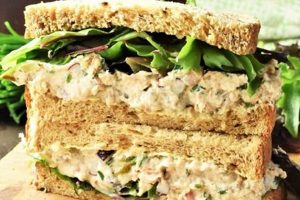
Salmon salad finds a natural home nestled between slices of bread or tucked into a tortilla wrap. The choice of bread significantly impacts the overall experience; a crusty sourdough adds a robust counterpoint, while a soft croissant offers a delicate, buttery complement. Adding crisp lettuce, juicy tomato slices, and thinly sliced red onion enhances both flavor and texture. Wraps offer a convenient and portable option, ideal for picnics or quick lunches. The flexibility of this serving style allows for customization based on individual preferences and dietary restrictions.
- Elegant Lettuce Cups or Avocado Halves
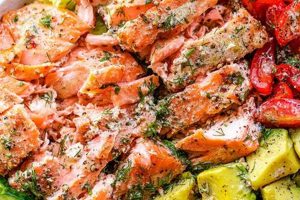
For a lighter and more visually appealing presentation, consider serving salmon salad in crisp lettuce cups or halved avocados. This approach reduces carbohydrate intake and provides a refreshing contrast to the richness of the salad. Butter lettuce, romaine hearts, or endive leaves offer elegant vessels for the salmon mixture. The vibrant green hues of the lettuce or the creamy texture of avocado complement the salmon’s color and flavor, creating an aesthetically pleasing and healthy option.
- Crackers and Crostini
Serving salmon salad with crackers or crostini provides a simple yet sophisticated approach, perfect for appetizers or light meals. The variety of cracker options, from buttery Ritz to seeded multigrain, allows for customization of texture and flavor. Crostini, toasted slices of baguette, offer a more substantial base, capable of holding a generous portion of salad. Garnishing with fresh herbs or a drizzle of olive oil elevates the presentation, enhancing the visual appeal and adding a touch of elegance.
- Salads and Bowls
Incorporating salmon salad into a larger salad or grain bowl provides a substantial and nutritious meal. A bed of mixed greens, quinoa, or brown rice creates a foundation for the salmon mixture. Adding other vegetables, such as cucumber, bell peppers, or cherry tomatoes, enhances the nutritional value and provides textural variety. A light vinaigrette or a dollop of Greek yogurt complements the flavors without overpowering the delicate taste of the salmon.
These diverse serving suggestions showcase the adaptability of salmon salad, demonstrating its potential beyond a simple sandwich filling. By considering the occasion, desired portion size, and accompanying flavors, one can elevate this versatile dish to suit a variety of culinary contexts. The thoughtful presentation of salmon salad enhances its appeal and contributes to a more satisfying dining experience, showcasing the culinary possibilities of this simple yet adaptable dish.
5. Nutritional Value
Nutritional value represents a significant aspect of salmon salad recipes, contributing to their appeal as a healthy and satisfying meal option. Understanding the nutritional composition of these preparations allows for informed dietary choices and highlights the health benefits associated with consuming salmon. This exploration delves into the key nutrients found in salmon salad and their impact on overall well-being.
- Omega-3 Fatty Acids
Salmon is renowned for its high omega-3 fatty acid content, specifically EPA and DHA. These essential fatty acids play crucial roles in cardiovascular health, reducing the risk of heart disease, stroke, and high blood pressure. They also contribute to brain health, supporting cognitive function and potentially reducing the risk of age-related cognitive decline. The omega-3 content in salmon salad provides a readily accessible source of these vital nutrients.
- High-Quality Protein
Salmon offers a complete protein source, containing all nine essential amino acids required for building and repairing tissues. Protein plays a vital role in maintaining muscle mass, supporting immune function, and promoting satiety, contributing to weight management. The protein content in salmon salad makes it a substantial and satisfying meal option.
- Vitamins and Minerals
Salmon salad provides a range of essential vitamins and minerals, contributing to overall health and well-being. Salmon is a good source of vitamin D, crucial for bone health and immune function, and vitamin B12, important for nerve function and red blood cell production. It also contains minerals such as selenium, an antioxidant that protects against cell damage, and potassium, essential for maintaining fluid balance and blood pressure. The variety of micronutrients in salmon salad contributes to its nutritional density.
- Impact of Additional Ingredients
The nutritional profile of salmon salad can vary depending on the additional ingredients incorporated. Mayonnaise, while contributing to flavor and texture, adds calories and fat. Incorporating fresh vegetables, such as celery, onion, and bell peppers, increases the fiber and micronutrient content, enhancing the overall nutritional value. Choosing whole-grain bread or crackers for serving further boosts fiber intake. Mindful ingredient selection optimizes the nutritional balance of the final dish.
The nutritional composition of salmon salad positions it as a valuable addition to a balanced diet. The abundance of omega-3 fatty acids, high-quality protein, essential vitamins, and minerals contributes to a range of health benefits, from supporting cardiovascular health to promoting optimal brain function. Understanding these nutritional components allows individuals to appreciate the health-promoting properties of salmon salad and make informed choices regarding ingredient selection and preparation methods. The nutritional density and versatility of this dish make it a compelling choice for those seeking a nutritious and flavorful meal.
6. Storage & Preservation

Proper storage and preservation are critical for maintaining the quality, safety, and flavor of salmon salad. Salmon, being a highly perishable protein source, requires careful handling to prevent bacterial growth and spoilage. Improper storage can lead to foodborne illnesses and compromise the sensory experience of the dish. Effective preservation methods safeguard against these risks and extend the shelf life of the prepared salad, allowing for enjoyment over multiple meals.
Refrigeration represents the primary method for preserving salmon salad. The prepared salad should be stored in an airtight container at a temperature of 40F (4C) or below. This cool temperature inhibits bacterial growth, slowing down the spoilage process. Maintaining a consistent, low temperature is crucial for maximizing shelf life and ensuring food safety. Ideally, salmon salad should be consumed within three to four days of preparation. Beyond this timeframe, the risk of bacterial contamination increases significantly, even under refrigeration. Freezing, while possible, is generally not recommended for salmon salad as it can negatively impact the texture and consistency of the ingredients, particularly the mayonnaise, resulting in a less desirable final product upon thawing.
Practical application of these principles involves diligent attention to temperature control and storage practices. Promptly refrigerating the prepared salad after mixing is essential. Using airtight containers prevents exposure to air and cross-contamination from other foods in the refrigerator. Labeling the container with the date of preparation facilitates accurate tracking and ensures consumption within the safe timeframe. Adhering to these guidelines minimizes the risk of foodborne illness and maintains the optimal quality and flavor of the salmon salad. Understanding and implementing these storage and preservation techniques contributes significantly to a safe and enjoyable culinary experience.
Frequently Asked Questions
This section addresses common inquiries regarding the preparation, storage, and variations of salmon salad.
Question 1: What type of salmon is best suited for salmon salad?
Both canned and fresh salmon are suitable. Canned salmon offers convenience, while fresh salmon allows for greater control over flavor and texture. If using canned salmon, opt for varieties packed in water or olive oil. For fresh salmon, poaching or baking are recommended cooking methods.
Question 2: How long can salmon salad be stored in the refrigerator?
Properly stored in an airtight container at 40F (4C) or below, salmon salad should be consumed within three to four days. Beyond this timeframe, the risk of spoilage increases significantly.
Question 3: Can salmon salad be frozen?
Freezing is generally not recommended. The mayonnaise-based dressing can separate and become watery upon thawing, negatively impacting the texture and overall quality of the salad.
Question 4: What are some healthy alternatives to mayonnaise in salmon salad?
Greek yogurt or avocado can be substituted for mayonnaise, offering a healthier alternative with lower fat content and distinct flavor profiles. These alternatives provide creaminess while reducing overall caloric intake.
Question 5: How can one prevent salmon salad from becoming too watery?
Thoroughly draining canned salmon and ensuring fresh salmon is fully cooked and cooled before flaking are crucial for preventing excess moisture. Additionally, avoid overmixing the salad, as this can release excess liquid from the ingredients.
Question 6: What are some variations on the classic salmon salad recipe?
Numerous variations exist, allowing for customization based on individual preferences. Consider incorporating ingredients such as chopped apples, grapes, walnuts, or different herbs and spices like dill, chives, or tarragon. Exploring different flavor profiles expands the culinary possibilities of this versatile dish.
Addressing these frequently asked questions provides a comprehensive understanding of essential aspects related to salmon salad preparation and storage. These insights contribute to a safer and more enjoyable culinary experience.
This concludes the exploration of salmon salad recipes. The information provided serves as a guide for creating delicious and nutritious variations of this versatile dish.
Salmon Salad Recipes
Exploration of salmon salad recipes reveals a dish offering both nutritional value and culinary versatility. From ingredient selection and preparation techniques to flavor combinations and serving suggestions, careful consideration of each element contributes to a superior culinary outcome. Emphasis on fresh, high-quality ingredients, proper handling, and balanced flavor profiles ensures a dish that satisfies both health-conscious individuals and culinary enthusiasts. Understanding proper storage and preservation techniques further maximizes the enjoyment and safety of this adaptable protein source.
The adaptability of salmon salad recipes allows for continuous exploration and innovation within the culinary landscape. Further experimentation with diverse ingredients and flavor combinations promises an evolving array of culinary creations. Continued appreciation of this versatile dish underscores its enduring appeal as a nutritious and flavorful meal option.