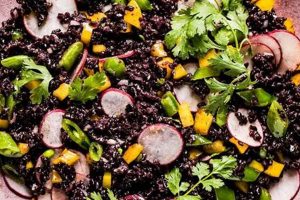
A superior imitation crab salad involves a careful balance of high-quality ingredients and thoughtful preparation. Typically, this includes succulent imitation crab meat, crisp vegetables like celery and cucumber, a creamy dressing often based on mayonnaise, and subtle seasonings. A well-executed version might also incorporate elements such as sesame seeds, tobiko (flying fish roe), or a touch of sriracha for added flavor and texture.
The appeal of a well-crafted imitation crab salad lies in its refreshing, light, and flavorful profile. It offers a convenient and affordable alternative to traditional seafood salads, making it a popular choice for potlucks, picnics, or quick lunches. Historically, imitation crab, or surimi, has roots in East Asian cuisine, where it has been enjoyed for centuries. Its modern adaptation in salad form has broadened its appeal globally.
The following sections will delve deeper into specific techniques and variations for achieving optimal flavor and texture, covering topics such as ingredient selection, dressing preparation, and creative presentation.
Tips for an Exceptional Imitation Crab Salad
Achieving a truly delicious imitation crab salad relies on attention to detail and quality ingredients. The following tips offer guidance for elevating this simple dish to something extraordinary.
Tip 1: Prioritize Quality Imitation Crab: Opt for imitation crab sticks with a firm texture and a delicate, slightly sweet flavor. Avoid products with an overly fishy odor or a rubbery consistency.
Tip 2: Properly Thaw and Drain: Ensure the imitation crab is fully thawed before use. Gently squeeze out any excess moisture to prevent a watery salad.
Tip 3: Precision in Chopping: Uniformly chop vegetables to ensure a balanced texture and even distribution of flavor. Aim for small, bite-sized pieces.
Tip 4: Dressing Mastery: The dressing is crucial. A classic mayonnaise base can be enhanced with a hint of rice vinegar for tanginess, a touch of sesame oil for richness, or a dash of sriracha for a subtle kick.
Tip 5: Mindful Ingredient Incorporation: Gently fold in the ingredients to avoid breaking the delicate imitation crab pieces. Overmixing can result in a mushy texture.
Tip 6: Chill for Optimal Flavor: Allowing the salad to chill in the refrigerator for at least 30 minutes before serving allows the flavors to meld and the salad to reach its ideal temperature.
Tip 7: Consider Garnishes: Elevate the presentation and flavor profile with carefully chosen garnishes. Toasted sesame seeds, finely sliced green onions, or a sprinkle of tobiko add visual appeal and textural complexity.
By following these guidelines, one can create an imitation crab salad that is both flavorful and visually appealing. Careful preparation and attention to detail transform simple ingredients into a satisfying and refreshing dish.
These tips represent a starting point for crafting exceptional imitation crab salad. Experimentation and personal preference can further refine techniques and flavor profiles.
1. Fresh, High-Quality Ingredients

The foundation of an exceptional kani salad rests upon the selection of fresh, high-quality ingredients. Subpar components directly impact the final dish, compromising flavor, texture, and overall appeal. Understanding the nuances of ingredient selection is paramount to achieving a truly superior kani salad.
- Imitation Crab (Surimi)
The star of the salad, imitation crab, should be chosen carefully. Look for a product with a firm, slightly springy texture and a delicate, sweet flavor. Avoid options with a noticeably fishy smell or a rubbery consistency. Higher-grade surimi typically contains a higher percentage of white fish, resulting in a better taste and texture. The quality of the surimi significantly influences the overall enjoyment of the salad.
- Vegetables
Crisp, fresh vegetables provide essential textural contrast and contribute to the salad’s refreshing nature. Common choices include celery and cucumber. Select firm, unblemished vegetables. Proper storage and handling, such as refrigeration and thorough washing, are crucial for maintaining peak freshness. Limp or discolored vegetables detract from both the visual appeal and the overall culinary experience.
- Mayonnaise
Mayonnaise forms the base of the dressing, contributing creaminess and richness. Utilizing high-quality mayonnaise enhances the overall flavor profile. Consider using Japanese mayonnaise for a slightly sweeter and tangier flavor. The choice of mayonnaise can significantly impact the salad’s richness and overall balance.
- Seasonings and Flavor Enhancers
Seasonings elevate the flavor profile of the salad. Rice vinegar adds a touch of acidity, while sesame oil contributes a nutty richness. A small amount of sriracha provides a subtle kick. Freshly grated ginger or a hint of wasabi can also add complexity. Using quality seasonings in appropriate quantities ensures a well-balanced and nuanced flavor profile.
The careful selection of each ingredient contributes to the overall quality and enjoyment of the kani salad. Compromising on ingredient quality will inevitably result in a less satisfying final product. Prioritizing fresh, high-quality components ensures a vibrant, flavorful, and texturally appealing salad that elevates this simple dish to a culinary delight.
2. Balanced Flavor Profile

A balanced flavor profile is paramount in achieving a superlative kani salad. The delicate flavor of imitation crab meat serves as a blank canvas, necessitating careful consideration of complementary and contrasting tastes. A harmonious blend of sweet, salty, sour, and umami notes distinguishes a truly exceptional kani salad from a mediocre one. This balance prevents any single flavor from dominating, resulting in a more nuanced and enjoyable culinary experience. For instance, the subtle sweetness of the kani is enhanced by the mild acidity of rice vinegar, while the richness of mayonnaise is balanced by the savory notes of soy sauce or sesame oil. The addition of umami-rich ingredients, such as a small amount of tobiko or a pinch of MSG, further amplifies the complexity of the flavor profile.
The interplay of textures also contributes to the overall balance. The soft, slightly chewy texture of the kani contrasts with the crispness of vegetables like celery and cucumber. This textural diversity adds another layer of complexity and prevents the salad from becoming monotonous. Consider the impact of a uniformly bland salad compared to one with a vibrant interplay of flavors and textures. The former offers little to engage the palate, while the latter provides a more dynamic and satisfying sensory experience. This highlights the practical significance of understanding flavor balance in the context of kani salad preparation. Overly sweet dressings or an overwhelming abundance of a single spice can mask the delicate flavor of the kani and diminish the overall enjoyment of the dish.
A well-balanced flavor profile elevates kani salad from a simple side dish to a culinary highlight. The careful orchestration of flavors and textures is crucial for maximizing the potential of this versatile ingredient. Understanding and implementing the principles of flavor balance allows for the creation of a kani salad that is not only delicious but also demonstrates a sophisticated understanding of culinary principles. It transforms a simple combination of ingredients into a dish that offers both immediate gratification and a lingering appreciation of its nuanced flavors.
3. Appropriate Texture
Texture plays a crucial role in a successful kani salad, contributing significantly to the overall sensory experience. A “best” recipe necessitates a carefully considered balance of textures, primarily contrasting the soft, slightly chewy nature of imitation crab meat with crisp, fresh vegetables. This interplay prevents a monotonous mouthfeel, creating a dynamic and more enjoyable culinary experience. Consider the difference between a salad composed solely of soft ingredients and one that incorporates contrasting textures. The former can feel heavy and unappealing, while the latter offers a more stimulating and refreshing sensation.
Achieving this optimal texture involves several key considerations. Precise knife skills are essential for creating uniformly sized vegetable pieces, ensuring a consistent texture throughout the salad. Over-mixing can damage the delicate kani, resulting in a mushy, undesirable consistency. Similarly, over-dressing can lead to a soggy salad, compromising the crispness of the vegetables. For instance, finely diced celery and cucumber offer a satisfying crunch, contrasting beautifully with the softer kani. Incorporating ingredients like water chestnuts or finely shredded carrots can introduce additional textural nuances. However, adding too many crunchy elements can overwhelm the delicate kani, highlighting the importance of balance.
Understanding the impact of texture on the overall quality of kani salad is essential for recipe development and execution. It transforms a simple dish into a more complex and satisfying culinary creation. A harmonious blend of textures elevates the eating experience, demonstrating a thoughtful approach to ingredient preparation and combination. Failure to consider textural balance can result in a dish that is less appealing, highlighting the practical significance of this understanding in achieving a truly “best” kani salad recipe. This knowledge empowers one to create a salad that is not only flavorful but also offers a delightful textural journey, maximizing the potential of this versatile dish.
4. Proper Chilling Time
Proper chilling time is integral to a “best” kani salad recipe, significantly influencing the final flavor profile and overall enjoyment. Chilling allows the diverse flavorsfrom the subtle sweetness of the imitation crab to the tanginess of the dressing and the crispness of the vegetablesto meld and harmonize. This integration of flavors creates a more cohesive and nuanced taste experience compared to a freshly made salad where the individual components might taste disjointed. Chilling also enhances the refreshing quality of the salad, a particularly desirable attribute, especially in warmer weather. A chilled salad offers a welcome contrast to ambient temperatures, making it more palatable and enjoyable.
The chemical processes occurring during chilling contribute to flavor development. Lower temperatures suppress volatile aroma compounds, preventing them from dissipating too quickly and preserving the delicate balance of flavors. Chilling also allows the dressing to further permeate the ingredients, resulting in a more evenly distributed and pronounced flavor profile. For instance, a freshly made kani salad might taste predominantly of mayonnaise, with the other flavors less pronounced. However, after proper chilling, the flavors of the kani, vegetables, and seasonings become more apparent and integrated with the dressing, creating a more complex and harmonious flavor profile. Furthermore, chilling firms the texture of the imitation crab, enhancing its appeal and preventing it from becoming mushy.
Insufficient chilling can result in a salad with underdeveloped flavors and a less refreshing quality. Conversely, excessive chilling can negatively impact the texture of the vegetables, making them overly firm or even slightly icy. The optimal chilling time typically ranges from 30 minutes to an hour, allowing sufficient time for flavor integration without compromising textural integrity. This understanding of the impact of chilling time highlights its practical significance in achieving a “best” kani salad recipe. It’s a critical step that elevates the dish from simply palatable to truly exceptional, showcasing a nuanced understanding of culinary principles and attention to detail. Mastering this element contributes to a more satisfying and enjoyable dining experience.
5. Visually Appealing Presentation
Visual appeal plays a crucial role in the perception and enjoyment of food, including kani salad. While taste and texture are primary factors, presentation elevates the dining experience, transforming a simple dish into something more enticing and memorable. A visually appealing kani salad signals care and attention to detail, enhancing its perceived value and creating a sense of anticipation. This connection between visual presentation and the “best” designation stems from the understanding that culinary excellence encompasses not only flavor and texture but also the aesthetic dimension of the dish. A visually uninspired salad, even if well-executed in terms of flavor, might be perceived as less impressive than a beautifully presented one.
Several factors contribute to a visually appealing kani salad. Color contrast is key; the pale imitation crab meat benefits from the inclusion of brightly colored vegetables like vibrant green cucumbers, orange carrots, or red bell peppers. Strategic use of garnishes, such as black sesame seeds, bright green scallions, or vibrant orange tobiko (flying fish roe), adds visual interest and elevates the dish’s aesthetic appeal. The choice of serving vessel also plays a role; a simple white bowl provides a clean backdrop that allows the colors of the salad to pop, while a more elaborate serving dish can add a touch of elegance. Consider a kani salad served in a plain plastic container versus one artfully arranged on a bed of crisp lettuce in a stylish bowl. The latter immediately appears more appetizing, demonstrating the practical significance of visual presentation.
The impact of visual presentation extends beyond mere aesthetics. A well-presented dish stimulates appetite and enhances enjoyment. It signals quality and care, contributing to a more positive dining experience. While a visually appealing presentation cannot compensate for deficiencies in flavor or texture, it amplifies the overall impression of quality and elevates a simple kani salad to a more refined and enjoyable culinary experience. Understanding this connection allows for a more holistic approach to recipe development, recognizing the importance of visual appeal as an integral component of a truly “best” kani salad. This knowledge empowers one to create a dish that is not only delicious but also visually captivating, maximizing its potential to impress and delight.
Frequently Asked Questions
This section addresses common inquiries regarding the preparation and enjoyment of high-quality kani salad.
Question 1: What is the best type of imitation crab to use for kani salad?
Higher-grade imitation crab, often labeled as “surimi” with a higher percentage of white fish, generally yields superior flavor and texture. Look for a firm, slightly springy texture and a delicate, sweet flavor, avoiding products with a strong fishy odor or a rubbery consistency.
Question 2: Can kani salad be made ahead of time?
Yes, kani salad benefits from chilling, allowing flavors to meld. Prepare it up to 24 hours in advance, storing it in an airtight container in the refrigerator. However, consume within two days for optimal quality.
Question 3: How can one prevent kani salad from becoming watery?
Thoroughly thaw and drain the imitation crab before incorporating it into the salad. Gently squeezing out excess moisture prevents a watery consistency. Ensuring vegetables are dry also helps.
Question 4: What are some suitable alternatives to mayonnaise in kani salad dressing?
Plain Greek yogurt or a mixture of Greek yogurt and mayonnaise offer a lighter alternative while maintaining creaminess. Avocado-based dressings provide a vegan option.
Question 5: How long does kani salad last in the refrigerator?
Kani salad typically lasts for two to three days when stored properly in an airtight container in the refrigerator. Monitor for changes in texture or smell before consuming.
Question 6: Can frozen vegetables be used in kani salad?
While fresh vegetables are preferred for optimal texture and flavor, frozen vegetables can be used in a pinch. Ensure they are fully thawed and thoroughly drained before incorporating them into the salad to avoid excess moisture.
Understanding these common points of inquiry allows for a more informed approach to kani salad preparation and enjoyment. Prioritizing quality ingredients and proper handling techniques ensures a satisfying culinary experience.
For further exploration of specific recipe variations and serving suggestions, consult the following resources.
Crafting the Best Kani Salad
Achieving a truly exceptional kani salad requires a nuanced understanding of several key factors. Ingredient quality stands as a foundational element; prioritizing fresh, high-quality imitation crab and crisp vegetables is paramount. A balanced flavor profile, achieved through the harmonious interplay of sweet, savory, tangy, and umami notes, distinguishes a superior salad. Attention to texturebalancing the soft kani with crisp vegetablescreates a dynamic and enjoyable mouthfeel. Proper chilling allows flavors to meld and develop fully. Finally, thoughtful presentation elevates the dining experience, transforming a simple dish into a visually appealing culinary creation. Each of these elements contributes to the overall quality and enjoyment of kani salad, underscoring the attention to detail required for crafting the “best” rendition.
The pursuit of the perfect kani salad represents a journey of culinary exploration. Understanding the interplay of these key elements empowers individuals to create a dish that transcends mere sustenance and becomes a celebration of flavor, texture, and presentation. Continued experimentation and refinement of technique promise further evolution and innovation within this seemingly simple, yet surprisingly complex, culinary domain.