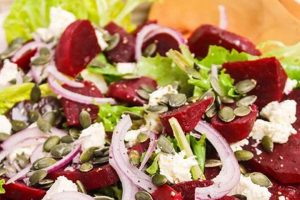
Nutritious, low-calorie salads offer a versatile approach to managing weight. These meals typically incorporate fresh vegetables, lean proteins, and healthy fats, while minimizing high-calorie dressings and processed ingredients. For instance, a spinach salad with grilled chicken, avocado, and a light vinaigrette provides essential nutrients while remaining calorie-conscious.
Consuming such meals contributes to satiety, reduces overall caloric intake, and supports the maintenance of a balanced diet crucial for weight management. Historically, salads have been recognized for their health benefits, evolving from simple vegetable combinations to more complex and nutritionally complete meals. This evolution underscores the increasing awareness of dietary choices and their impact on well-being.
The following sections delve into specific ingredients, preparation methods, and sample recipes suitable for incorporating into a weight-conscious dietary plan. These resources offer practical guidance for creating flavorful, satisfying, and effective salads tailored to individual needs and preferences.
Tips for Creating Effective Weight-Management Salads
Strategic ingredient selection and mindful preparation techniques maximize the weight-management benefits of salads. The following tips provide practical guidance for crafting nutritious and satisfying meals.
Tip 1: Prioritize Nutrient-Dense Greens. Opt for nutrient-rich bases such as spinach, kale, or romaine lettuce. These greens offer vitamins, minerals, and fiber, promoting satiety and overall health.
Tip 2: Incorporate Lean Protein. Grilled chicken, fish, beans, lentils, or tofu provide essential protein for muscle maintenance and satiety, crucial for managing hunger and supporting weight loss.
Tip 3: Embrace Healthy Fats. Avocados, nuts, and seeds offer healthy fats that promote satiety and provide essential fatty acids. Portion control remains essential, as these ingredients are calorie-dense.
Tip 4: Choose Low-Calorie Dressings. Opt for light vinaigrettes or lemon juice instead of creamy dressings to minimize added calories and unhealthy fats. Alternatively, consider making dressings from scratch using healthy oils and vinegar.
Tip 5: Load Up on Vegetables. Colorful vegetables such as bell peppers, cucumbers, carrots, and broccoli add volume, nutrients, and fiber, enhancing both flavor and satiety while keeping calorie counts low.
Tip 6: Limit Processed Ingredients. Minimize croutons, bacon bits, and cheese, as these tend to be high in calories, unhealthy fats, and sodium, potentially hindering weight-loss efforts.
Tip 7: Prepare Ingredients Freshly. Freshly chopped vegetables and lean proteins offer optimal flavor and nutritional value. Pre-packaged salads can sometimes contain hidden sugars and preservatives.
Tip 8: Practice Mindful Portion Control. Even healthy salads can contribute to weight gain if consumed in excessive quantities. Pay attention to serving sizes to manage calorie intake effectively.
By adhering to these guidelines, individuals can create salads that support weight-management goals while providing essential nutrients for optimal health and well-being.
The subsequent section offers sample recipes that illustrate these principles in practice, providing tangible examples for incorporating these strategies into daily meal planning.
1. Nutrient-Dense Ingredients

Nutrient density plays a crucial role in the effectiveness of weight-loss salad recipes. Foods high in nutrients relative to their caloric content contribute significantly to satiety and overall health while minimizing caloric intake. This relationship is fundamental to successful weight management. Incorporating nutrient-dense ingredients into salads provides essential vitamins, minerals, and fiber, supporting bodily functions and reducing the likelihood of nutrient deficiencies often associated with restrictive diets. For example, a salad featuring kale, a rich source of vitamins A, K, and C, alongside lean protein like grilled chicken, offers a substantial nutritional profile with fewer calories compared to a salad composed primarily of iceberg lettuce and croutons.
Prioritizing nutrient density enables individuals to consume satisfying portions while adhering to caloric goals. Fiber-rich vegetables like broccoli and spinach add bulk and promote digestive health, contributing to feelings of fullness. Lean proteins, including fish and legumes, support muscle maintenance and further enhance satiety. The strategic inclusion of these ingredients facilitates adherence to a weight-loss plan by mitigating hunger and cravings. Conversely, salads lacking nutrient density may leave individuals feeling unsatisfied, potentially leading to overconsumption of less healthy options later.
Selecting nutrient-dense ingredients forms the foundation of effective weight-loss salad recipes. This approach not only supports weight management but also contributes to long-term health and well-being by providing the necessary nutrients for optimal bodily function. Careful consideration of ingredient choices empowers individuals to create salads that are both satisfying and conducive to achieving weight goals while maintaining overall health. Neglecting this aspect can undermine the efficacy of even the most meticulously planned weight-loss strategies.
2. Portion Control

Portion control plays a critical role in the effectiveness of weight-loss salad recipes. Even the healthiest of salads can contribute to weight gain if consumed in excessive quantities. Calorie control remains fundamental to weight management, and understanding appropriate portion sizes is essential for achieving desired outcomes. A large salad overflowing with calorie-dense ingredients, such as avocados, nuts, or cheese, can easily exceed recommended caloric intake for a single meal, potentially hindering weight-loss progress. Conversely, a smaller, balanced salad featuring appropriate portions of nutrient-dense ingredients can contribute significantly to a calorie-controlled diet, supporting weight-loss goals without sacrificing essential nutrients.
Consider two examples: a large salad with grilled chicken, avocado, cheese, nuts, and a creamy dressing, versus a smaller salad with grilled chicken, a moderate amount of avocado, a sprinkle of nuts, and a light vinaigrette. While both contain healthy ingredients, the larger salad likely contains significantly more calories. The importance of portion control becomes evident when comparing these examples. The smaller, portion-controlled salad aligns better with weight-loss objectives by managing calorie intake without compromising nutritional value. This principle underscores the significance of mindful portioning, even when consuming nutrient-rich foods.
Effective weight management relies not only on consuming healthy foods but also on consuming them in appropriate quantities. Portion control empowers individuals to incorporate satisfying and nutritious salads into their diets while adhering to calorie goals. Practical application involves using measuring tools, being mindful of serving sizes, and understanding the caloric density of various ingredients. This understanding empowers individuals to create and consume salads that support weight-loss objectives effectively. Neglecting portion control can undermine the benefits of healthy eating habits and impede progress toward desired weight goals.
3. Calorie Awareness

Calorie awareness forms an integral component of effective weight loss strategies incorporating healthy salad recipes. Weight management fundamentally hinges on the principle of energy balance: consuming fewer calories than expended leads to weight loss. Understanding the caloric content of salad ingredients is crucial for managing overall calorie intake and achieving desired weight outcomes. While salads generally promote health, simply labeling a meal a “salad” does not guarantee low caloric content. Ingredient choices significantly influence the overall calorie count, underscoring the importance of informed decision-making.
Consider two seemingly similar salads: one composed of leafy greens, grilled chicken breast, and a light vinaigrette, and another featuring the same greens but with fried chicken, cheese, croutons, and a creamy dressing. The latter, despite being a salad, can contain significantly more calories than the former due to the higher caloric density of its components. This disparity highlights the necessity of calorie awareness. Choosing lean proteins, such as grilled chicken or fish, over fried options, opting for low-calorie dressings, and minimizing high-calorie toppings like cheese and croutons contribute significantly to creating a truly weight-loss-friendly salad. Further, understanding portion sizes, even for healthy ingredients, is vital. A large portion of avocado, while nutritious, contributes a substantial number of calories.
Successfully integrating salads into a weight-loss plan requires a comprehensive understanding of caloric content. This awareness empowers informed choices regarding ingredients and portion sizes, enabling individuals to create salads that align with their weight-loss goals. Without calorie awareness, salads can inadvertently contribute to excess calorie consumption, hindering progress. Practical application involves consulting nutritional information, using food tracking apps, and developing an understanding of the relative caloric density of various foods. This knowledge translates into the ability to construct salads that support weight loss while providing essential nutrients. Ultimately, calorie awareness empowers individuals to utilize salads effectively as a tool for achieving and maintaining a healthy weight.
4. Balanced Macronutrients
Balanced macronutrient intake forms a cornerstone of effective weight loss strategies employing healthy salad recipes. Macronutrientsproteins, carbohydrates, and fatseach play distinct yet interconnected roles in supporting bodily functions and influencing weight management. A balanced approach ensures adequate intake of each macronutrient, optimizing energy levels, promoting satiety, and supporting overall health during weight loss. Salads, offering a versatile platform for combining various food groups, provide an ideal medium for achieving this macronutrient balance. Neglecting any one macronutrient can lead to suboptimal outcomes, hindering weight loss efforts and potentially compromising overall health. For instance, insufficient protein intake can result in muscle loss, negatively impacting metabolism and reducing satiety, potentially leading to increased calorie consumption.
Consider a salad comprising leafy greens (carbohydrates), grilled chicken (protein), and avocado (healthy fats). This combination exemplifies macronutrient balance within a single meal. The carbohydrates provide energy, the protein supports muscle maintenance and satiety, and the healthy fats contribute to satiety and hormone regulation. Such a balanced approach contrasts sharply with a salad consisting solely of leafy greens and a low-fat dressing, which may lack the protein and healthy fats necessary for sustained energy and satiety. This distinction underscores the practical significance of macronutrient balance. A balanced salad provides sustained energy, promotes feelings of fullness, and supports overall well-being throughout the weight loss process. An unbalanced approach, conversely, can lead to energy crashes, increased hunger, and potential nutrient deficiencies.
Achieving and maintaining a healthy weight through salad consumption hinges on incorporating a balanced macronutrient profile. Practical application involves consciously combining appropriate portions of protein sources (lean meats, fish, legumes), healthy carbohydrates (leafy greens, vegetables), and healthy fats (nuts, seeds, avocado). Understanding the roles and relative proportions of each macronutrient empowers individuals to create salads that support not only weight loss but also overall health and well-being. This holistic approach ensures sustainable weight management and minimizes the potential negative consequences of restrictive or unbalanced dietary practices.
5. Fresh, Unprocessed Foods
Fresh, unprocessed foods constitute a cornerstone of effective weight-loss salad recipes. These foods, minimally altered from their natural state, offer superior nutritional value compared to processed counterparts often laden with added sugars, unhealthy fats, and sodium. This distinction holds significant implications for weight management. Consuming fresh produce, lean proteins, and whole grains maximizes nutrient intake while minimizing empty calories, supporting satiety and overall health. This approach contrasts sharply with salads incorporating processed ingredients like croutons, pre-made dressings, or cured meats, which can contribute excess calories, unhealthy fats, and sodium, potentially hindering weight-loss efforts. For instance, a salad featuring fresh spinach, grilled chicken breast, and a homemade vinaigrette provides a wealth of nutrients and supports satiety without the added burden of processed ingredients. Conversely, a salad relying on iceberg lettuce, processed deli meats, and a bottled dressing, while convenient, may lack essential nutrients and contain hidden calories and unhealthy additives.
The impact of fresh, unprocessed foods extends beyond mere calorie control. These foods often boast higher fiber content, crucial for digestive health and promoting satiety. Fiber adds bulk to meals, slowing digestion and contributing to feelings of fullness, which can naturally reduce overall calorie consumption. Processed foods, stripped of their natural fiber content, offer less satiety and may contribute to overeating. Moreover, fresh, unprocessed ingredients retain more of their inherent vitamins and minerals, supporting overall health and well-being during weight loss. This nutritional integrity is often compromised in processed foods due to refining and additive inclusion. The practical application of this understanding involves prioritizing whole, unprocessed ingredients like fresh vegetables, fruits, lean proteins, and whole grains when constructing weight-loss salads. For example, opting for a salad featuring roasted sweet potatoes, quinoa, and chickpeas provides a nutrient-rich, fiber-packed meal, significantly more conducive to weight loss than a salad containing refined grains, processed cheese, and high-sodium dressings.
Prioritizing fresh, unprocessed foods in weight-loss salad recipes represents a fundamental principle of effective and sustainable weight management. This approach optimizes nutrient intake, promotes satiety, and supports overall health. Conversely, relying on processed ingredients can undermine weight-loss efforts through hidden calories, unhealthy additives, and diminished nutritional value. Recognizing this distinction empowers informed dietary choices conducive to achieving and maintaining a healthy weight while supporting long-term well-being. The consistent application of this principle, combined with other healthy lifestyle choices, contributes significantly to the efficacy of weight-loss endeavors.
6. Flavorful Variety
Flavorful variety plays a crucial role in the long-term success of weight-loss salad recipes. Dietary adherence often falters due to monotony, particularly in restrictive eating plans. A diverse range of flavors and textures in salads helps prevent this, promoting sustained engagement with healthy eating habits. Variety stimulates the palate, preventing boredom and reducing the temptation to deviate from weight-loss goals. For example, incorporating a variety of seasonal vegetables, herbs, spices, and lean protein sources into salads keeps meals interesting and satisfying, promoting continued adherence to a weight-loss dietary plan. Conversely, repetitive salads featuring limited ingredients can lead to dietary fatigue, potentially increasing the likelihood of seeking less healthy, more flavorful alternatives.
Beyond mere enjoyment, flavorful variety contributes to nutritional balance. Different ingredients offer unique nutritional profiles. A diverse salad incorporating various vegetables, fruits, nuts, and seeds maximizes the intake of essential vitamins, minerals, and antioxidants. This nutritional breadth supports overall health while promoting weight loss. Furthermore, variety can facilitate exploration of different culinary traditions and cooking methods. Experimenting with global flavors, such as incorporating Asian-inspired dressings or Mediterranean herbs, not only enhances the sensory experience but also broadens nutritional intake through the inclusion of diverse ingredients. This exploration transforms salads from a simple dietary staple into a culinary adventure, promoting long-term engagement with healthy eating.
Successful weight management relies on sustainable dietary changes. Flavorful variety in salads contributes significantly to this sustainability by mitigating dietary boredom and maximizing nutritional intake. This understanding translates into practical application through the conscious incorporation of diverse ingredients, exploration of new flavors, and adaptation of recipes to individual preferences. Addressing the challenge of dietary monotony through flavorful variety empowers individuals to maintain healthy eating habits, ultimately promoting successful and sustainable weight loss.
Frequently Asked Questions
This section addresses common inquiries regarding the role of salads in weight management, providing clear and concise responses based on established nutritional principles.
Question 1: Can salads truly contribute to weight loss?
Salads can significantly contribute to weight loss when strategically composed. Prioritizing nutrient-dense, low-calorie ingredients like leafy greens, lean proteins, and healthy fats, while minimizing high-calorie dressings and processed toppings, creates a calorie-controlled meal conducive to weight management.
Question 2: Are all salads inherently healthy for weight loss?
Not all salads are created equal. Salads laden with calorie-dense ingredients like fried meats, cheese, croutons, and creamy dressings can hinder weight loss efforts. Careful ingredient selection and portion control remain crucial.
Question 3: How can one ensure a salad is both nutritious and weight-loss friendly?
Focus on incorporating nutrient-dense ingredients such as leafy greens, lean proteins (grilled chicken, fish, beans), and a variety of colorful vegetables. Opt for light vinaigrettes or lemon juice as dressing and limit processed toppings.
Question 4: What role does protein play in weight-loss salads?
Protein promotes satiety, preserving muscle mass during weight loss and contributing to a higher metabolism. Including lean protein sources like grilled chicken, fish, tofu, or beans enhances the effectiveness of weight-loss salads.
Question 5: How frequently should one consume salads for weight loss?
The frequency of salad consumption for weight loss depends on individual dietary needs and preferences. Incorporating salads regularly, as part of a balanced meal plan, can contribute significantly to weight management goals.
Question 6: Can store-bought salads be as effective as homemade salads for weight loss?
Store-bought salads can be convenient, but caution is advised. Pre-made salads often contain high-calorie dressings and processed toppings. Opting for fresh ingredients and preparing dressings separately allows for greater control over calorie and nutrient content.
Understanding these key considerations empowers informed choices, enabling individuals to create and select salads that effectively support their weight-loss journeys.
The information provided here offers foundational knowledge; consulting a registered dietitian or healthcare professional provides personalized guidance tailored to individual needs and health conditions.
Weight Loss Healthy Salad Recipes
Effective weight management through dietary choices often necessitates a nuanced understanding of food preparation and consumption. This exploration of weight-loss healthy salad recipes has highlighted key components for crafting nutritious, calorie-conscious meals. Strategic ingredient selection, emphasizing fresh, unprocessed foods like nutrient-dense leafy greens, lean proteins, and healthy fats, forms the foundation. Portion control, calorie awareness, and balanced macronutrient intake are essential considerations for optimizing salad composition and aligning intake with weight-loss objectives. Furthermore, flavorful variety sustains dietary adherence, preventing monotony and promoting long-term engagement with healthy eating habits. Understanding these elements empowers informed choices, enabling individuals to utilize salads effectively as a tool for achieving and maintaining a healthy weight.
The efficacy of weight-loss healthy salad recipes rests upon informed application of these principles. Strategic meal planning, combined with other healthy lifestyle choices, contributes significantly to sustainable weight management. Continued exploration of culinary techniques and nutritional knowledge further empowers individuals to personalize dietary strategies and achieve long-term health and well-being.