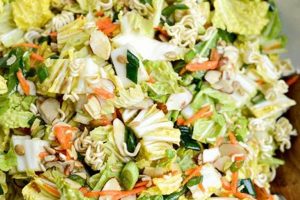
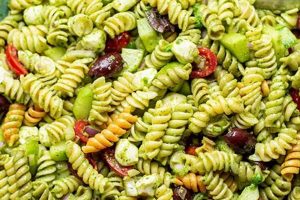
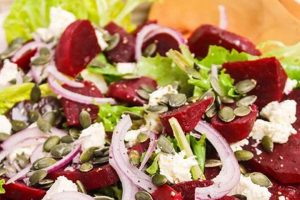
Vibrant, nutrient-rich salads featuring seasonal produce are a hallmark of springtime cuisine. These dishes often incorporate fresh greens like spinach, arugula, and watercress, along with early-season vegetables such as asparagus, peas, and radishes. A light, flavorful dressing, perhaps a vinaigrette with lemon juice or herbs, typically complements the fresh ingredients.
Such culinary creations offer numerous advantages. They provide essential vitamins, minerals, and antioxidants, contributing to overall well-being. The emphasis on fresh, unprocessed ingredients aligns with dietary guidelines promoting healthy eating habits. Furthermore, the availability of seasonal produce allows for culinary creativity and exploration of diverse flavors. Historically, the consumption of fresh greens and vegetables in spring played a vital role in replenishing nutrient stores after winter’s limited access to fresh produce.
The following sections will delve into specific examples, exploring variations based on key ingredients, dietary restrictions, and preparation techniques. Guidance on ingredient selection, dressing preparation, and presentation will also be provided.
Tips for Creating Vibrant Spring Salads
Optimal selection and preparation techniques enhance the flavor and nutritional value of seasonal salads. The following tips offer guidance for crafting exceptional spring dishes.
Tip 1: Embrace Seasonal Variety: Farmers’ markets provide access to the freshest, locally sourced produce. Selecting ingredients at their peak ripeness guarantees optimal flavor and nutritional content. Asparagus, peas, radishes, and spring onions are excellent choices.
Tip 2: Prioritize Fresh Greens: Delicate greens like baby spinach, arugula, and watercress offer a mild, peppery flavor. Heartier options such as romaine or butter lettuce provide a crisp texture.
Tip 3: Incorporate Colorful Vegetables: Adding a variety of colorful vegetables, such as carrots, bell peppers, and cucumbers, not only enhances visual appeal but also provides a wider range of nutrients.
Tip 4: Enhance with Herbs and Edible Flowers: Fresh herbs like mint, dill, and chives add depth of flavor. Edible flowers, such as pansies or nasturtiums, provide a touch of elegance and subtle flavor.
Tip 5: Choose a Light and Flavorful Dressing: A simple vinaigrette with lemon juice, olive oil, and herbs complements the fresh ingredients without overpowering their delicate flavors.
Tip 6: Add Protein for a Balanced Meal: Grilled chicken or fish, boiled eggs, or legumes such as chickpeas or lentils transform a light salad into a satisfying main course.
Tip 7: Prepare Ingredients Properly: Washing and drying greens thoroughly prevents wilting. Cutting vegetables into bite-sized pieces ensures even distribution of flavors and textures.
By following these guidelines, one can create nutritious and flavorful salads that showcase the best of spring’s bounty. These dishes contribute to a healthy diet while offering a delightful culinary experience.
These tips offer a starting point for crafting personalized spring salads. Experimentation with various ingredients and flavor combinations allows for the creation of unique and satisfying dishes.
1. Fresh, Seasonal Ingredients

The cornerstone of healthy spring salads lies in the utilization of fresh, seasonal ingredients. These ingredients, harvested at their peak ripeness, offer optimal flavor and nutritional value. A direct correlation exists between the freshness of produce and its nutrient density. Vitamins and minerals, susceptible to degradation over time, are most abundant in recently harvested fruits and vegetables. Moreover, seasonal produce, grown locally, often requires less transportation and storage, further preserving nutrient content. For instance, spring asparagus, harvested in its prime, provides a rich source of vitamins K and C, along with folate and antioxidants. Similarly, incorporating fresh spring peas offers a dose of vitamin K, manganese, and fiber. Choosing ingredients based on seasonal availability ensures access to the most nutritious options.
This emphasis on seasonality extends beyond mere nutritional benefits. Flavor profiles reach their peak during the natural growing season. Spring vegetables, bursting with vibrant flavors, require minimal culinary intervention. A simple vinaigrette allows the natural sweetness of fresh peas or the slight bitterness of dandelion greens to shine through. This approach not only enhances the culinary experience but also reduces the need for excessive seasonings or rich dressings, aligning with healthy eating principles. Consider a salad featuring fresh strawberries, spinach, and crumbled feta cheese; the sweetness of the berries complements the earthy spinach and tangy feta, creating a balanced and flavorful dish without relying on heavy dressings.
Prioritizing fresh, seasonal ingredients provides a foundation for healthy and flavorful spring salads. This practice contributes to increased nutrient intake, supports local agriculture, and reduces environmental impact. Furthermore, it fosters an appreciation for the natural rhythms of food production and encourages culinary creativity through the exploration of diverse seasonal offerings. The challenges associated with limited availability can be addressed through careful meal planning and preservation techniques, allowing for the enjoyment of spring flavors throughout the year. Incorporating these principles into meal preparation offers a pathway to a healthier and more sustainable lifestyle.
2. Nutrient-Rich Greens

Nutrient-rich greens form the foundation of healthy spring salad recipes. Their inclusion provides essential vitamins, minerals, and antioxidants, contributing significantly to the overall nutritional value of the dish. Understanding the diverse range of greens available and their specific contributions allows for the creation of salads optimized for both flavor and health benefits.
- Vitamin and Mineral Content
Leafy greens offer a dense source of essential vitamins and minerals. Spinach, for example, provides significant amounts of vitamin K, crucial for blood clotting and bone health. Arugula contributes folate, vital for cell growth and development. Watercress, a peppery green, is rich in vitamin C, an antioxidant supporting immune function. These micronutrients play critical roles in maintaining optimal physiological function.
- Antioxidant Properties
Many spring greens possess potent antioxidant properties, combating oxidative stress and protecting cells from damage. Kale, a hearty green, contains antioxidants like beta-carotene and lutein, associated with eye health. These compounds help neutralize free radicals, unstable molecules implicated in various chronic diseases.
- Fiber Content
Greens contribute dietary fiber, promoting digestive health and regularity. Fiber aids in satiety, contributing to feelings of fullness, which can assist in weight management. It also plays a role in regulating blood sugar levels. Incorporating a variety of greens ensures adequate fiber intake.
- Flavor and Texture Variety
Nutrient-rich greens offer a diverse range of flavors and textures, enhancing the sensory experience of spring salads. The peppery bite of arugula contrasts with the mild sweetness of baby spinach. The crisp texture of romaine lettuce provides a structural element, while the delicate leaves of butter lettuce offer a soft counterpoint. This variety allows for the creation of complex and appealing salads.
By strategically incorporating a variety of nutrient-rich greens, spring salads transform into potent sources of essential nutrients, contributing to overall well-being. The diverse flavors and textures of these greens enhance the culinary experience while promoting a healthy and balanced diet. This approach maximizes the nutritional impact of spring salads, aligning with dietary guidelines promoting optimal health.
3. Light, Flavorful Dressings

Light, flavorful dressings play a crucial role in healthy spring salad recipes, enhancing the overall taste and nutritional value without compromising dietary goals. Heavy, cream-based dressings often add excessive calories, saturated fat, and sodium, detracting from the health benefits of fresh produce. Conversely, light dressings, typically vinaigrette-based, complement the delicate flavors of spring vegetables while contributing beneficial nutrients. Olive oil, a common vinaigrette ingredient, provides monounsaturated fats, associated with cardiovascular health. Lemon juice or vinegar adds acidity, balancing sweetness and enhancing flavor complexity. Fresh herbs, such as dill or mint, contribute antioxidants and aromatic complexity. For example, a lemon-herb vinaigrette drizzled over a salad of spring greens, asparagus, and peas enhances the natural flavors without adding unnecessary calories or unhealthy fats. This approach allows the freshness of the produce to shine.
The practical significance of choosing light dressings extends beyond calorie control. Nutrient absorption can be influenced by the type of fat consumed. The monounsaturated fats in olive oil facilitate the absorption of fat-soluble vitamins, such as vitamins A, D, E, and K, present in many salad vegetables. Furthermore, the acidity in vinegar-based dressings can improve mineral bioavailability, enhancing the absorption of nutrients like iron and calcium. This synergistic effect maximizes the nutritional benefits derived from the salad ingredients. For instance, a salad with spinach (rich in iron) and bell peppers (rich in vitamin C) benefits from a vinaigrette, as the vitamin C enhances iron absorption. Therefore, selecting a light and flavorful dressing not only contributes to a healthier nutritional profile but also optimizes nutrient bioavailability.
In summary, light, flavorful dressings are essential components of healthy spring salad recipes. They enhance flavor, contribute beneficial nutrients, and optimize nutrient absorption without adding excessive calories or unhealthy fats. Choosing a dressing thoughtfully elevates the salad from a simple collection of ingredients to a nutritionally balanced and flavorful dish. The synergy between fresh, seasonal produce and a well-crafted light dressing exemplifies a balanced approach to healthy eating, maximizing both taste and nutritional value. This understanding empowers informed culinary choices that support overall well-being.
4. Variety of Textures
Textural diversity significantly contributes to the enjoyment and nutritional value of spring salads. A combination of crisp, crunchy, tender, and creamy elements elevates a simple salad from palatable to engaging. This interplay of textures stimulates sensory receptors, enhancing the overall dining experience. Beyond mere enjoyment, textural variety encourages thorough chewing, promoting better digestion and nutrient absorption. For example, incorporating toasted nuts and seeds alongside tender greens and soft cheeses creates a multifaceted textural profile, promoting satiety and preventing monotony. This variety can also encourage consumption of a wider range of nutrient-rich ingredients.
Consider the practical application of this principle. A salad composed solely of leafy greens might lack the textural complexity to be fully satisfying. However, the addition of crunchy elements like sliced radishes, chopped cucumbers, or toasted pumpkin seeds introduces contrasting textures, making the salad more appealing and promoting a greater sense of fullness. Similarly, incorporating creamy components, such as avocado or crumbled feta cheese, adds another layer of textural complexity and provides healthy fats, essential for nutrient absorption and overall well-being. These additions not only diversify the salad’s texture but also contribute valuable nutrients, illustrating the interconnectedness of texture, flavor, and nutritional value.
In summary, incorporating a variety of textures in spring salads enhances palatability, promotes better digestion, and encourages consumption of a wider range of nutrient-rich ingredients. This understanding allows for the creation of more satisfying and nutritionally complete salads, contributing to a more enjoyable and healthful eating experience. Thoughtful consideration of textural elements elevates the salad from a basic dish to a culinary creation that satisfies both the palate and the body’s nutritional needs.
5. Balanced Flavor Profiles

Balanced flavor profiles are essential to crafting satisfying and healthy spring salad recipes. A harmonious blend of sweet, sour, salty, bitter, and umami elements elevates a salad beyond a simple combination of ingredients, creating a complex and enjoyable culinary experience. This balance not only enhances palatability but also encourages consumption of a wider variety of nutrient-rich foods, contributing to a more balanced and healthful diet. Over-reliance on a single flavor profile, such as excessive sweetness or saltiness, can mask the subtle flavors of fresh produce and lead to overconsumption. A balanced approach, however, allows the natural flavors of each ingredient to shine, promoting appreciation for diverse tastes and textures. For instance, a salad featuring peppery arugula, sweet strawberries, tangy goat cheese, and crunchy walnuts offers a complex interplay of flavors that satisfies the palate without the need for excessive salt or sugar. This balance encourages mindful eating and fosters a deeper connection with food.
The practical application of this principle involves the strategic combination of ingredients to achieve flavor harmony. Sweetness can be derived from fruits like berries or mangoes, while acidity can be introduced through citrus fruits or vinegar-based dressings. Salty notes can be achieved with cheeses, nuts, or a sprinkle of sea salt. Bitter elements, often found in greens like dandelion or radicchio, provide a counterpoint to sweetness, while umami, a savory flavor, can be derived from ingredients like roasted vegetables, mushrooms, or a small amount of Parmesan cheese. Carefully balancing these elements ensures that no single flavor dominates, resulting in a more nuanced and satisfying culinary experience. For example, the bitterness of kale can be balanced with the sweetness of roasted sweet potatoes and the saltiness of toasted pecans, creating a flavor profile that is both complex and harmonious. This understanding empowers the creation of salads tailored to individual preferences while adhering to healthy eating principles.
In conclusion, achieving balanced flavor profiles in spring salads enhances palatability, promotes mindful eating, and encourages the consumption of a diverse range of nutrient-rich ingredients. This approach fosters a deeper appreciation for the natural flavors of fresh produce and contributes to a more balanced and healthful dietary pattern. Understanding the interplay of different flavor elements allows for the creation of salads that are not only nutritious but also deeply satisfying, promoting both physical and sensory well-being. This holistic approach to salad creation underscores the interconnectedness of flavor, nutrition, and overall health.
6. Creative Presentation

Creative presentation elevates healthy spring salad recipes from simple sustenance to visually appealing, engaging culinary experiences. Visual appeal plays a significant role in food enjoyment and can influence perceived flavor and satisfaction. A thoughtfully arranged salad entices the appetite and encourages consumption, particularly important when incorporating a variety of nutrient-rich ingredients. The arrangement of colors, textures, and heights transforms a basic salad into an aesthetically pleasing dish, promoting a more positive dining experience. For example, arranging spring greens, colorful bell peppers, sliced radishes, and crumbled feta cheese in distinct sections, rather than simply tossing them together, creates visual interest and highlights the diversity of ingredients. This presentation style showcases the vibrancy of fresh produce and elevates the perceived value of the meal.
Furthermore, creative presentation can influence dietary choices and promote healthier eating habits. An attractively presented salad featuring a variety of colorful vegetables and lean protein sources can make healthy options more appealing, particularly to those who may be hesitant to consume salads regularly. Consider a salad composed of grilled chicken breast, sliced avocado, cherry tomatoes, and mixed greens. Arranging these components artfully on a plate, rather than simply piling them in a bowl, significantly enhances visual appeal and encourages consumption. This approach can be particularly effective in encouraging children to consume more vegetables and develop healthier eating habits. Additionally, creative presentation can transform simple ingredients into elegant dishes suitable for special occasions or social gatherings, expanding the culinary versatility of healthy salads.
In conclusion, creative presentation enhances the enjoyment and consumption of healthy spring salad recipes by stimulating visual appeal and promoting a more positive dining experience. This aspect, often overlooked, plays a significant role in encouraging healthier eating habits and transforming simple salads into visually appealing culinary creations. Understanding the impact of visual presentation empowers individuals to create dishes that are both nutritious and aesthetically pleasing, contributing to a more holistic and satisfying approach to healthy eating. This recognition elevates salad preparation from a functional task to an artistic expression, enhancing the overall dining experience.
Frequently Asked Questions
Addressing common inquiries regarding the creation of nutritious and flavorful spring salads provides clarity and facilitates informed culinary choices.
Question 1: How can one ensure optimal freshness when selecting ingredients for spring salads?
Prioritizing locally sourced, seasonal produce from farmers’ markets or reputable grocers ensures optimal freshness. Selecting produce that appears vibrant, firm, and free from blemishes is crucial. Proper storage techniques, such as refrigeration in airtight containers, further preserve freshness.
Question 2: What are effective strategies for incorporating a variety of textures in spring salads?
Textural diversity can be achieved by combining crisp elements (e.g., chopped cucumbers, radishes), crunchy elements (e.g., toasted nuts, seeds), tender elements (e.g., leafy greens), and creamy elements (e.g., avocado, crumbled cheese). This variety enhances sensory appeal and promotes satiety.
Question 3: What are some suitable light and flavorful dressing options for spring salads?
Vinaigrettes, typically composed of olive oil, lemon juice or vinegar, and herbs, offer a light and flavorful alternative to heavy, cream-based dressings. These dressings complement the delicate flavors of spring produce without adding excessive calories or unhealthy fats.
Question 4: How can individuals adapt spring salad recipes to accommodate dietary restrictions or preferences?
Flexibility is key. Substitutions can be readily implemented. For example, individuals avoiding dairy can opt for plant-based cheeses or creamy avocado. Gluten-free diets can incorporate quinoa or rice instead of croutons. Adapting recipes to individual needs ensures inclusivity and promotes dietary adherence.
Question 5: What are some strategies for preserving the nutritional value of spring salad ingredients during preparation?
Minimizing exposure to heat and air helps preserve nutrient content. Washing produce gently and storing it appropriately until consumption minimizes nutrient loss. Consuming salads soon after preparation maximizes nutrient availability.
Question 6: How can one incorporate protein into spring salads to create a more complete and satisfying meal?
Grilled chicken or fish, boiled eggs, legumes (e.g., chickpeas, lentils), or nuts and seeds offer excellent protein sources for spring salads. Adding protein enhances satiety and contributes to a more balanced nutritional profile.
Understanding these key aspects of spring salad preparation empowers individuals to create nutritious, flavorful, and visually appealing dishes that contribute to a healthy and balanced diet.
Exploring specific recipe examples further illustrates the practical application of these principles.
Conclusion
Exploration of optimal approaches to crafting vibrant, nutritious spring salads reveals the importance of ingredient selection, balanced flavor profiles, and mindful preparation techniques. Prioritizing fresh, seasonal produce maximizes nutrient density and flavor complexity. Harmonizing textures and tastes elevates salads from basic sustenance to engaging culinary experiences. Thoughtful consideration of dressings enhances flavor without compromising dietary goals.
Cultivating an understanding of these principles empowers informed culinary choices that support individual well-being. The integration of these concepts into dietary habits fosters a deeper appreciation for the nutritional and sensory potential of seasonal cuisine, contributing to a more healthful and sustainable lifestyle.