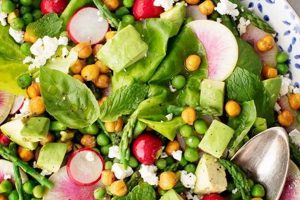
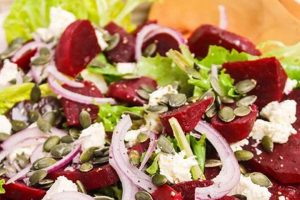
A combination of fresh spinach, dried cranberries, and other complementary ingredients creates a vibrant and flavorful salad. Often, such salads include nuts like pecans or walnuts, crumbled cheese such as feta or goat cheese, and a sweet-tart vinaigrette. Variations might incorporate other fruits, vegetables, or proteins like grilled chicken or salmon.
This type of salad offers a balance of nutrients and flavors. Spinach provides vitamins and minerals, while cranberries contribute antioxidants. The added ingredients offer healthy fats, protein, and additional vitamins. The blend of sweet, tart, and savory elements makes it a popular choice for both casual meals and festive occasions. Its adaptability allows for customization based on dietary preferences and seasonal availability.
The following sections will explore variations on this foundational combination, providing detailed recipes, ingredient substitutions, and tips for achieving optimal flavor and presentation.
Tips for a Perfect Spinach Cranberry Salad
Achieving optimal flavor and texture in a spinach cranberry salad requires attention to detail. These tips offer guidance for creating a successful dish.
Tip 1: Baby Spinach is Key: Opt for baby spinach leaves. Their tender texture and mild flavor complement the other ingredients without overpowering the salad’s delicate balance.
Tip 2: High-Quality Cranberries: Select plump, dried cranberries. Look for those without added sugar for a more natural tartness.
Tip 3: Nut Selection: Toasted nuts, such as pecans or walnuts, enhance the salad’s flavor profile. Toasting intensifies their natural oils, resulting in a richer, more complex taste.
Tip 4: Cheese Pairing: Crumbled feta or goat cheese provide a creamy, tangy counterpoint to the sweetness of the cranberries. Blue cheese offers a more pungent option.
Tip 5: Vinaigrette Variety: A simple vinaigrette made with olive oil, apple cider vinegar, and a touch of honey or maple syrup complements the salad perfectly. Consider adding Dijon mustard for a subtle tang.
Tip 6: Proper Storage: Store ingredients separately and combine just before serving. This maintains the crispness of the spinach and prevents the salad from becoming soggy.
Tip 7: Ingredient Balance: Strive for a balance of flavors and textures. Adjust ingredient quantities to suit individual preferences.
By following these tips, one can create a spinach cranberry salad that is both flavorful and visually appealing. Attention to these details elevates the dish from simple to exceptional.
These preparatory steps ensure a delightful culinary experience. The subsequent section offers specific recipe variations to inspire further exploration of this versatile salad.
1. Fresh Spinach

Fresh spinach serves as the foundational component of a spinach cranberry salad recipe, contributing significantly to both its nutritional value and overall culinary appeal. The choice of fresh spinach over frozen or other alternatives impacts the salad’s texture, flavor, and visual presentation. Fresh spinach offers a tender, slightly earthy flavor that balances the sweetness of dried cranberries and other ingredients. Its delicate leaves provide a pleasant contrast to crunchy nuts or creamy cheese, creating a more dynamic sensory experience. For instance, using fresh spinach allows the vinaigrette to lightly coat the leaves without causing them to wilt prematurely, which can occur with frozen spinach. This characteristic maintains the salads fresh appearance and desirable texture.
Beyond its textural and flavor contributions, fresh spinach introduces essential nutrients. It is a rich source of vitamins A and C, as well as folate and iron. These nutrients contribute to the salads health benefits, making it a nutritious meal option. Furthermore, the vibrant green color of fresh spinach enhances the salads visual appeal, making it more appetizing. Consider a salad prepared with wilted or discolored spinach; the overall impression would be less inviting despite containing the same ingredients. The freshness of the spinach directly impacts the perceived quality and enjoyment of the final dish.
In summary, the use of fresh spinach is paramount in a spinach cranberry salad recipe. It is not merely a base ingredient but a crucial element that dictates the salads overall success. Its impact extends beyond flavor and texture to encompass nutritional value and visual appeal. Selecting fresh, high-quality spinach ensures a flavorful, nutritious, and visually appealing salad, maximizing the culinary experience.
2. Dried Cranberries

Dried cranberries play a crucial role in a spinach cranberry salad recipe, contributing significantly to its characteristic flavor profile and textural complexity. Their inherent tartness and sweetness offer a counterpoint to the mild earthiness of spinach, creating a balanced and dynamic flavor combination. This interplay of contrasting flavors is essential to the recipe’s success; without the cranberries, the salad would lack its signature sweet-tart element. For instance, imagine substituting dried cranberries with raisins. While both offer sweetness, raisins lack the necessary tartness to balance the spinach, resulting in a fundamentally different flavor profile. The specific tartness of cranberries is a defining characteristic of the salad.
Beyond flavor, dried cranberries contribute textural diversity. Their chewy texture contrasts with the tender spinach leaves and any added crunchy elements like nuts or seeds. This interplay of textures creates a more engaging and satisfying culinary experience. Consider the difference between a salad with only spinach and one with added cranberries. The latter offers a more dynamic textural experience due to the cranberries’ chewiness. Furthermore, the concentrated flavor of dried cranberries, developed through the drying process, intensifies their impact on the overall flavor profile of the salad. This concentrated flavor allows for a smaller quantity of cranberries to achieve the desired effect, preventing the salad from becoming overly sweet or tart.
In summary, dried cranberries are an indispensable component of a spinach cranberry salad recipe. Their unique combination of tartness, sweetness, and chewiness contributes significantly to the salad’s overall appeal. Their concentrated flavor and contrasting texture elevate the salad beyond a simple combination of ingredients, creating a complex and satisfying culinary experience. Understanding the role of dried cranberries allows for informed recipe adjustments and substitutions, ensuring a consistently delicious and balanced salad.
3. Complementary Ingredients

Complementary ingredients are essential for elevating a spinach cranberry salad recipe beyond its basic components. They contribute layers of flavor, texture, and visual appeal, transforming a simple salad into a more complex and satisfying dish. The strategic selection of these ingredients hinges on understanding their individual characteristics and how they interact with the core flavors of spinach and cranberry. For example, toasted nuts, such as pecans or walnuts, introduce a buttery richness and satisfying crunch, contrasting with the tender spinach and chewy cranberries. The toasting process intensifies the nuts’ natural oils, enhancing their flavor contribution. Similarly, crumbled cheese, like feta or goat cheese, adds a creamy, tangy element that balances the sweetness of the cranberries. The sharpness of the cheese prevents the salad from becoming overly sweet, creating a more balanced flavor profile.
Further enhancing the salad can be achieved through the addition of other fruits and vegetables. Sliced red onion provides a pungent bite, while thinly sliced apples offer a crisp sweetness and contrasting texture. These additions not only diversify the flavor and texture but also introduce visual interest through varied colors and shapes. For a more substantial salad, grilled chicken or salmon can be incorporated, adding protein and transforming the salad into a complete meal. The choice of complementary ingredients allows for customization based on dietary preferences and desired flavor profiles. A vegetarian option might include roasted chickpeas for added protein and texture, while a vegan version could incorporate toasted sunflower seeds for healthy fats and crunch. Understanding the interplay of these ingredients enables the creation of a salad tailored to specific needs and preferences.
In conclusion, complementary ingredients are integral to a successful spinach cranberry salad recipe. They move beyond mere additions to become essential components that define the salad’s overall character. The careful selection and balance of these ingredients contribute not only to flavor and texture but also to nutritional value and visual appeal. Recognizing the role and impact of each complementary ingredient allows for informed decision-making, ultimately leading to a more satisfying and well-rounded culinary experience. This understanding allows for adaptation and improvisation, opening up a wide range of possibilities for creative variations within the fundamental framework of a spinach cranberry salad.
4. Flavorful Dressing
A flavorful dressing is paramount to a successful spinach cranberry salad recipe. It serves as a unifying element, binding the individual ingredients and creating a cohesive flavor profile. The dressing should complement, not overpower, the inherent flavors of the spinach, cranberries, and other components. Its role extends beyond simply adding moisture; it contributes significantly to the overall sensory experience.
- Acidity
Acidity is crucial for balancing the sweetness of the cranberries and cutting through the richness of any added nuts or cheese. A vinaigrette with a base of apple cider vinegar or red wine vinegar provides the necessary tartness. The level of acidity should be carefully calibrated to enhance, not dominate, the other flavors. Too much vinegar can make the salad unpleasantly sharp, while too little can leave it tasting bland.
- Sweetness
A touch of sweetness in the dressing complements the tartness of the cranberries and creates a more balanced flavor profile. Honey, maple syrup, or a small amount of sugar can be used to achieve this. The sweetness should be subtle, enhancing the other flavors rather than masking them. An overly sweet dressing can obscure the delicate flavors of the spinach and other ingredients. For example, a dressing with excessive honey might overpower the subtle nuttiness of toasted pecans.
- Oil
Oil provides richness and helps distribute the flavors of the dressing throughout the salad. Extra virgin olive oil is a classic choice, offering a fruity flavor that complements the other ingredients. The type of oil can significantly impact the dressing’s overall flavor. A robust olive oil might clash with delicate ingredients, while a neutral oil like grapeseed oil allows the other flavors to shine through. The amount of oil also affects the salad’s texture, contributing to a desirable coating without making it soggy.
- Seasoning
Seasoning enhances the overall flavor complexity of the dressing. Salt and freshly ground black pepper are essential, while other additions, like Dijon mustard, garlic powder, or onion powder, can add depth and nuance. The choice of seasonings should complement the other ingredients in the salad. For example, a pinch of cinnamon might enhance the sweetness of the cranberries, while a dash of paprika can add a subtle smokiness. Careful seasoning elevates the dressing from simple to sophisticated.
These facets of a flavorful dressing work synergistically to create a cohesive and balanced spinach cranberry salad. The interplay of acidity, sweetness, oil, and seasoning determines the overall flavor profile and contributes significantly to the salad’s success. A well-crafted dressing elevates the individual ingredients, creating a harmonious and satisfying culinary experience. Consideration of these elements ensures a dressing that not only complements the existing flavors but also enhances the overall enjoyment of the spinach cranberry salad.
5. Proper Ingredient Balance

Proper ingredient balance is crucial for a successful spinach cranberry salad recipe. It ensures that no single element overwhelms the others, creating a harmonious blend of flavors and textures. This balance considers the relative proportions of spinach, cranberries, other complementary ingredients, and the dressing. An imbalance can lead to a salad that is too sweet, too tart, too oily, or lacks textural diversity. For example, an overabundance of cranberries might make the salad excessively tart, masking the delicate flavor of the spinach. Conversely, too much spinach could dilute the impact of the other ingredients, resulting in a bland and uninteresting salad. The balance extends beyond simply measuring ingredients; it involves understanding how different flavors and textures interact. A salad with a large quantity of crunchy nuts might overwhelm the tender spinach if not balanced with a creamy cheese or a sufficient amount of dressing.
Achieving proper balance requires careful consideration of the chosen ingredients and their respective characteristics. The sweetness of dried cranberries must be balanced by the tartness of the dressing and potentially the sharpness of a cheese like feta. The tender spinach benefits from textural contrast provided by crunchy nuts or seeds. A rich, creamy dressing needs to be balanced by the acidity of the vinegar and the earthiness of the spinach. A practical example of this balance can be seen in the ratio of spinach to other ingredients. Too little spinach, and the salad becomes dominated by the additions; too much, and the salad becomes diluted and less flavorful. The quantity of dressing also plays a crucial role. Too little dressing, and the salad becomes dry and difficult to eat; too much, and the spinach wilts, and the flavors become muddled.
Understanding the importance of proper ingredient balance allows for informed adjustments and substitutions within a spinach cranberry salad recipe. It empowers one to tailor the recipe to individual preferences while maintaining the integrity of the dish. This understanding is essential for consistently creating a flavorful, texturally appealing, and visually satisfying salad. Challenges can arise when substituting ingredients with significantly different flavor or texture profiles. For example, replacing dried cranberries with a sweeter dried fruit like raisins necessitates adjustments to the dressing’s acidity to maintain balance. Similarly, substituting a different type of nut might require adjusting the quantity to achieve the desired textural impact. Ultimately, achieving proper ingredient balance is a key factor in maximizing the culinary potential of a spinach cranberry salad recipe.
6. Serving Suggestions

Serving suggestions enhance the versatility of a spinach cranberry salad recipe, transforming it from a simple side dish to a customizable component of a larger meal. Consideration of these suggestions allows for adaptation to different occasions and palates, maximizing the recipe’s potential. They provide a framework for incorporating the salad into various culinary contexts, extending its utility beyond a standalone dish.
- Meal Pairing
The spinach cranberry salad complements a range of main courses. Its sweet-tart profile and fresh, vibrant flavors pair well with richer dishes. Grilled chicken or fish, roasted pork tenderloin, or even a simple quiche benefit from the salad’s contrasting flavors and textures. For example, the lightness of the salad balances the richness of grilled salmon, creating a harmonious meal. Conversely, pairing the salad with a similarly light dish, like steamed vegetables, might result in a less satisfying overall meal experience due to a lack of contrast.
- Seasonal Adaptations
Seasonal ingredients can enhance the salad’s flavor and visual appeal. In autumn, roasted butternut squash or pecans can complement the cranberries. During summer, fresh berries or grilled peaches offer a lighter, brighter twist. These adaptations align the salad with seasonal produce, maximizing freshness and flavor. For instance, incorporating winter citrus fruits like oranges or grapefruits adds a refreshing element during colder months. These seasonal variations provide opportunities for culinary creativity while maintaining the salad’s core identity.
- Presentation Styles
Presentation significantly impacts the perceived appeal of the salad. Serving it on a bed of mixed greens adds volume and visual interest. Garnishing with toasted nuts or crumbled cheese elevates the presentation further. Individual portions in small bowls or jars offer a more elegant approach for special occasions. Consider the difference between a salad simply tossed in a bowl and one artfully arranged on a platter with carefully chosen garnishes. The latter presentation elevates the dining experience, demonstrating attention to detail and enhancing visual appeal.
- Temperature Variations
While traditionally served chilled, the salad can also be served at room temperature, particularly when incorporating warmer ingredients like roasted vegetables or grilled protein. The temperature influences the perception of flavors and textures. A chilled salad emphasizes the crispness of the spinach and the tartness of the cranberries, while a room-temperature salad allows the flavors to meld and mellow, potentially enhancing the sweetness of certain ingredients.
These serving suggestions demonstrate the adaptability of the spinach cranberry salad recipe. By considering these facets, one can transform a basic salad into a versatile dish suitable for various occasions and palates. These suggestions highlight the potential for customization and encourage culinary exploration, solidifying the spinach cranberry salad as a versatile and adaptable culinary creation.
7. Storage Techniques

Proper storage techniques are essential for maintaining the quality and maximizing the lifespan of a spinach cranberry salad. These techniques preserve the freshness of individual components and prevent premature spoilage, ensuring optimal flavor and texture. Effective storage considers the different characteristics of the ingredients and aims to minimize undesirable changes, such as wilting, oxidation, and bacterial growth.
- Ingredient Separation
Storing ingredients separately is crucial, particularly for maintaining the crispness of the spinach and preventing the salad from becoming soggy. The dressing, especially if vinaigrette-based, should always be stored separately and added just before serving. Similarly, crunchy elements like nuts and seeds should be stored separately to maintain their texture. Combining all ingredients prematurely, especially those with varying moisture content, leads to undesirable textural changes and compromises the overall quality of the salad.
- Refrigeration
Refrigeration is essential for preserving the freshness of spinach and other perishable components. Storing the salad in an airtight container in the refrigerator helps maintain optimal temperature and humidity, slowing down the deterioration process. However, even with proper refrigeration, the salad’s quality degrades over time. Consuming the salad within a day or two of preparation is recommended for optimal flavor and texture.
- Container Selection
Choosing the right container plays a significant role in preserving the salad. Airtight containers prevent oxidation and moisture loss, helping maintain the freshness of the ingredients. Avoid using metal containers, as they can react with acidic ingredients like vinegar in the dressing, affecting flavor. Glass or high-quality plastic containers are ideal for storing spinach cranberry salad.
- Freezing (Limitations)
While some salad components, like nuts and dried cranberries, can be frozen, freezing a fully assembled spinach cranberry salad is generally not recommended. The high water content of spinach causes undesirable textural changes upon thawing, resulting in a wilted and less palatable salad. Freezing also affects the texture of the dressing, making it separate and less appealing. Therefore, it is advisable to prepare and consume the salad fresh rather than attempting to freeze it.
Applying these storage techniques ensures the longevity and maintains the quality of a spinach cranberry salad. Understanding the perishability of individual ingredients and their interaction within the assembled salad allows for informed storage decisions. Proper storage maximizes the enjoyment of the salad by preserving its intended flavors, textures, and visual appeal. Neglecting these techniques can lead to a less satisfying culinary experience, compromising the carefully balanced flavors and textures that define a well-made spinach cranberry salad.
Frequently Asked Questions
This section addresses common inquiries regarding spinach cranberry salad preparation and variations.
Question 1: Can frozen spinach be used?
While frozen spinach can be used, it is generally not recommended. Frozen spinach contains excess moisture, which can lead to a soggy salad. If using frozen spinach, it must be thoroughly thawed and squeezed dry before incorporating it into the salad.
Question 2: What type of cranberries are best?
Dried cranberries, preferably without added sugar, are recommended. Their tart-sweet flavor balances the other ingredients. Fresh cranberries can be used but require additional preparation, such as chopping and sweetening.
Question 3: Can the dressing be made ahead of time?
Yes, the dressing can be prepared in advance and stored separately in an airtight container in the refrigerator. This allows the flavors to meld. However, it’s best to add the dressing to the salad just before serving to prevent the spinach from wilting.
Question 4: What are good nut substitutions for those with allergies?
Sunflower seeds, pumpkin seeds, or roasted chickpeas offer comparable texture and flavor profiles for individuals with nut allergies. These alternatives provide a satisfying crunch and complement the other salad components effectively.
Question 5: How long can the salad be stored?
For optimal quality, the salad should be consumed within one to two days of preparation, even when stored properly in the refrigerator. The spinach will gradually wilt, and the other ingredients may lose their optimal texture and flavor beyond this timeframe.
Question 6: Can this salad be served warm?
While traditionally served chilled, the salad can be adapted for a warm presentation. Wilting the spinach slightly with a warm vinaigrette or incorporating roasted vegetables, such as sweet potatoes or butternut squash, can create a warm salad variation.
Understanding these common points of inquiry helps ensure successful preparation and enjoyment. Addressing these potential concerns allows for a more informed and satisfying culinary experience.
The subsequent sections will offer specific recipe variations and further explore the customization options within this versatile salad framework.
Spinach Cranberry Salad Recipe
Exploration of the spinach cranberry salad recipe reveals a dish characterized by nuanced flavor profiles and adaptable composition. Careful consideration of core ingredientsfresh spinach, dried cranberriesalongside complementary components such as nuts, cheeses, and flavorful dressings, underscores the potential for culinary creativity. Proper ingredient balance, attentive preparation, and appropriate storage techniques are essential for maximizing the salad’s sensory appeal and nutritional value. Serving suggestions highlight the recipe’s adaptability across various culinary contexts, from light lunches to elegant accompaniments for more substantial meals. Addressing common preparation inquiries further empowers culinary exploration and ensures consistent, high-quality results.
The spinach cranberry salad recipe offers more than a simple combination of ingredients; it presents an opportunity for culinary expression. Its adaptability encourages exploration of flavor combinations and presentation styles, ensuring continued relevance within a diverse and evolving culinary landscape. Understanding the foundational principles outlined herein empowers individuals to personalize and refine the recipe, ultimately contributing to a richer and more satisfying dining experience.