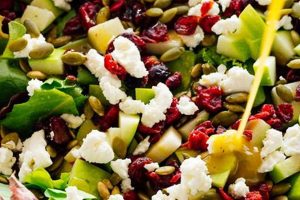
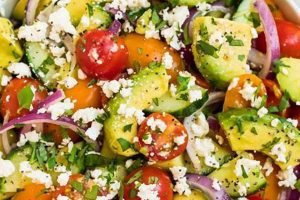
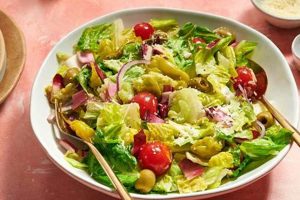
A Bulgarian culinary staple, this salad typically combines fresh tomatoes, cucumbers, onions, and peppers, topped with a generous layer of grated sirene cheese. Variations may include parsley, roasted red peppers, or a simple vinaigrette. A quintessential example involves dicing ripe tomatoes and cucumbers, thinly slicing onions, and mixing these with roasted red peppers. Crumbled or grated sirene cheese is then generously sprinkled over the vegetables.
This simple yet flavorful dish offers a refreshing and nutritious option, rich in vitamins and minerals. Its popularity stems from the readily available, seasonal ingredients, making it a budget-friendly and accessible culinary creation. Deeply rooted in Bulgarian culinary heritage, it serves as a frequent accompaniment to grilled meats or enjoyed as a light meal on its own. The combination of fresh produce and the unique salty and tangy flavor of sirene creates a distinctive and beloved taste profile.
Further exploration will delve into regional variations, preparation techniques, and serving suggestions for this vibrant salad. Discussions on ingredient selection and the impact of seasonal produce on the final dish will also be presented.
Tips for Preparing an Excellent Shopska Salad
Optimizing ingredient selection and preparation techniques enhances the flavor profile and overall quality of this traditional salad.
Tip 1: Selecting Tomatoes: Opt for ripe, flavorful tomatoes. Locally sourced, in-season varieties generally offer superior taste and texture. Avoid overly ripe or bruised tomatoes.
Tip 2: Cucumber Preparation: Peel the cucumbers if the skin is thick or bitter. Consider removing the seeds to prevent excess moisture in the final salad.
Tip 3: Onion Choices and Treatment: Mild onions, such as red or white onions, are preferred. Soaking thinly sliced onions in cold water for a few minutes can mellow their pungency.
Tip 4: Sirene Cheese Selection: Authentic Bulgarian sirene cheese provides the characteristic salty and tangy flavor. If unavailable, feta cheese can be substituted, although the taste will differ slightly.
Tip 5: Proper Vegetable Chopping: Consistent chopping ensures even distribution of flavors and an appealing presentation. Aim for bite-sized pieces of relatively uniform size.
Tip 6: Enhancing Flavor with Peppers: Roasted red peppers add a sweet and smoky dimension. Fresh green peppers offer a crisp, slightly peppery contrast.
Tip 7: Dressing Considerations: While traditional versions often omit dressing, a light vinaigrette made with high-quality olive oil and vinegar can complement the flavors.
Tip 8: Serving Suggestions: Allow the salad to rest briefly before serving, allowing the flavors to meld. Serve chilled or at room temperature as a side dish or light meal.
Attention to these details elevates a simple salad into a culinary delight, showcasing the vibrant flavors of fresh, high-quality ingredients.
The following section will provide concluding remarks and summarize key takeaways for preparing an exceptional version of this classic dish.
1. Fresh, High-Quality Ingredients

The success of a Shopska salad hinges directly on the quality of its ingredients. This salad, with its simple composition, showcases the flavors of fresh produce. Subpar ingredients cannot be masked by complex sauces or cooking techniques. Ripe, flavorful tomatoes contribute sweetness and juiciness. Crisp cucumbers provide refreshing coolness and textural contrast. Pungent onions add a sharp bite, while quality sirene cheese delivers a crucial salty and tangy element. Using inferior produce results in a bland, watery, and ultimately disappointing salad. For instance, out-of-season tomatoes lacking flavor, or cucumbers with thick, bitter skin, detract significantly from the intended taste profile.
Sourcing the freshest ingredients elevates the salad from simple to exceptional. Locally grown, seasonal produce offers optimal ripeness and flavor. Farmers’ markets often provide access to such ingredients. Careful selection at grocery stores, prioritizing firmness, vibrant color, and aroma, also yields positive results. Consider the origin and variety of the produce; certain tomato varieties, for example, offer superior flavor for salads. Similarly, the quality of sirene cheese impacts the final product significantly. Bulgarian sirene, with its specific texture and taste, is ideal. Substitutions, if necessary, should prioritize similar qualities in terms of saltiness and tanginess.
Prioritizing fresh, high-quality ingredients ensures a vibrant and flavorful Shopska salad. The simplicity of the recipe amplifies the taste of each component. This understanding empowers informed ingredient selection, contributing directly to a superior culinary outcome. Investing time and effort in sourcing premium produce and cheese ultimately results in a more satisfying and authentic culinary experience. This principle extends beyond Shopska salad, emphasizing the critical role of ingredient quality in any dish, particularly those showcasing fresh, uncooked components.
2. Authentic Sirene Cheese

Authentic sirene cheese plays a pivotal role in defining the characteristic flavor profile of Shopska salad. This brined white cheese, traditionally made from sheep’s milk or a combination of sheep’s and cow’s milk, possesses a distinct salty and tangy flavor that complements the fresh vegetables in the salad. Its crumbly texture also contributes to the overall sensory experience. Substituting other cheeses, while possible, alters the authenticity and traditional taste. Feta, for instance, while similar in appearance, exhibits a different flavor profile, resulting in a noticeable deviation from the classic Shopska salad experience. Bulgarian culinary tradition dictates the use of sirene, emphasizing its importance as a core ingredient. One can observe this connection in numerous Bulgarian restaurants and households, where the presence of sirene is non-negotiable in an authentic Shopska salad.
The importance of using authentic sirene stems from its unique contribution to the salad’s overall balance. The saltiness of the cheese offsets the sweetness of the tomatoes and peppers, while its tanginess provides a counterpoint to the mildness of the cucumbers and onions. This interplay of flavors creates a complex and harmonious taste that distinguishes Shopska salad. Furthermore, the slightly grainy texture of sirene contrasts pleasantly with the smooth, watery texture of the vegetables, adding another layer of sensory interest. Consider, for example, a Shopska salad made with a bland, creamy cheese: the salad would lack the characteristic salty bite and textural contrast that sirene provides. This highlights the practical significance of understanding sirene’s contribution to the dish.
In summary, authentic sirene cheese serves as a cornerstone of Shopska salad, contributing significantly to its unique flavor and textural profile. While substitutions may be employed due to availability, recognizing the specific role of sirene underscores its importance in achieving an authentic and flavorful result. Appreciating the interplay of flavors and textures within the salad highlights the culinary wisdom embedded within traditional recipes and underscores the importance of respecting authentic ingredients.
3. Precise Vegetable Chopping
Precise vegetable chopping contributes significantly to the overall success of shopska salad recipes. Uniformly sized pieces ensure even distribution of flavors and contribute to a visually appealing presentation. Consistent chopping also affects the texture and mouthfeel of the salad. Consider the difference between a salad with roughly chopped, uneven pieces and one with precisely diced vegetables. The former may result in some bites dominated by a single ingredient, while the latter offers a balanced blend of flavors in each mouthful. This consistency elevates the sensory experience, highlighting the interplay of fresh ingredients. For instance, uniformly diced tomatoes and cucumbers ensure that each bite contains the sweetness of the tomato balanced by the refreshing coolness of the cucumber, showcasing the intended flavor profile.
Beyond flavor and aesthetics, precise chopping influences the structural integrity of the salad. Evenly sized pieces prevent the salad from becoming watery, as excess moisture release is minimized. This maintains a desirable texture and prevents the flavors from becoming diluted. Overly large pieces, conversely, may release more moisture as they sit, leading to a less appealing, watery salad. Furthermore, precise chopping ensures that the sirene cheese, a key ingredient, distributes evenly throughout the salad, enhancing the balance of salty, tangy, and fresh flavors. This demonstrates the practical significance of consistent knife skills in achieving the desired culinary outcome.
In summary, precise vegetable chopping, often overlooked, represents a crucial step in preparing a successful shopska salad. It directly influences flavor distribution, textural consistency, and overall visual appeal. Understanding the impact of chopping techniques on the final product allows for a more mindful and deliberate approach to preparation, ultimately leading to a more enjoyable and authentic culinary experience. This principle, while illustrated through the lens of shopska salad, applies broadly to culinary practices where the size and shape of ingredients directly influence the final dish.
4. Optional Simple Vinaigrette

While traditional Shopska salad often omits a dressing, a simple vinaigrette can provide a subtle yet impactful enhancement, aligning with contemporary culinary preferences. This optional addition offers a nuanced layer of flavor, balancing the inherent saltiness of the sirene cheese and the freshness of the vegetables. A light vinaigrette, typically composed of high-quality olive oil and a mild vinegar such as white wine vinegar or apple cider vinegar, introduces a subtle acidity that brightens the overall flavor profile. Furthermore, the olive oil contributes a smooth, velvety texture, enhancing the mouthfeel. One might observe, for example, that a Shopska salad without dressing, while undeniably refreshing, can sometimes benefit from the added dimension of flavor and texture that a well-executed vinaigrette provides. The absence of a dressing highlights the individual flavors of the ingredients, while the presence of a vinaigrette harmonizes and unifies them.
The decision to include a vinaigrette often depends on individual preferences and the desired balance of flavors. Some appreciate the purity of the traditional undressed salad, emphasizing the natural flavors of the ingredients. Others find that a touch of acidity enhances the overall taste and complements the richness of the sirene. A vinaigrette can also serve a practical purpose, lightly coating the vegetables and preventing them from drying out, particularly if the salad is prepared in advance. Furthermore, the choice of vinegar can influence the final flavor profile. A robust red wine vinegar, for instance, might overpower the delicate flavors of the vegetables, while a milder white wine vinegar complements them harmoniously. One could imagine a scenario where a chef, seeking to modernize a traditional Shopska salad, incorporates a lemon-herb vinaigrette, adding a bright, citrusy note that resonates with contemporary palates.
In conclusion, the inclusion of a simple vinaigrette in Shopska salad, while optional, offers a valuable opportunity to enhance and refine the dish. Understanding the potential benefits and flavor nuances associated with different vinaigrettes allows for informed choices tailored to individual preferences and desired culinary outcomes. This demonstrates how seemingly minor adjustments, such as the addition of a simple dressing, can significantly influence a dish’s overall character and appeal. The judicious use of a vinaigrette exemplifies the dynamic interplay between tradition and innovation in culinary practice.
5. Traditional Bulgarian Heritage

Shopska salad embodies Bulgarian culinary heritage, reflecting the country’s agricultural traditions and regional influences. Its composition highlights readily available, seasonal ingredientstomatoes, cucumbers, onions, pepperscommon in Bulgarian gardens and markets. Understanding this connection provides insight into the salad’s enduring popularity and cultural significance within Bulgaria.
- Regional Variations:
While the basic recipe remains consistent, regional variations exist, showcasing the diverse culinary landscape within Bulgaria. Some regions might emphasize specific pepper varieties, while others incorporate different herbs or spices, reflecting local preferences and ingredient availability. These variations demonstrate the adaptability of the core recipe and its integration into diverse regional culinary traditions. For instance, some areas might favor the use of roasted red peppers, imparting a smoky sweetness, while others might prefer the fresh, crisp bite of green peppers.
- Seasonal Consumption:
Shopska salad’s reliance on fresh, seasonal produce underscores its connection to agricultural cycles. Peak enjoyment coincides with summer and early autumn when tomatoes, cucumbers, and peppers are at their prime. This seasonality reinforces the salad’s traditional role as a refreshing summer dish, deeply embedded within the rhythm of Bulgarian life. Historically, winter consumption would have been less common due to limited access to fresh produce.
- Cultural Significance:
Beyond its culinary appeal, Shopska salad carries cultural weight, often served during national holidays and celebrations. Its presence on festive tables symbolizes national pride and culinary identity. The salad’s vibrant colorsred, green, and whitefurther echo the colors of the Bulgarian flag, strengthening this symbolic connection. This association elevates the dish beyond mere sustenance, imbuing it with cultural meaning and patriotic sentiment.
- Evolution and Adaptation:
While rooted in tradition, Shopska salad recipes have demonstrated adaptability over time. Modern interpretations might incorporate ingredients like olives or different cheeses, reflecting evolving culinary trends and global influences. This adaptability ensures the salad’s continued relevance within contemporary Bulgarian cuisine, bridging tradition with innovation. The core elements, however, typically remain consistent, preserving the essence of the original dish.
These facets intertwine to establish Shopska salad as a significant element of Bulgarian culinary heritage. More than a simple combination of fresh ingredients, it represents a tangible link to the country’s agricultural past, regional diversity, and evolving culinary landscape. Appreciating this connection enriches the dining experience, transforming a simple salad into a celebration of Bulgarian culture and tradition.
Frequently Asked Questions about Shopska Salad Recipes
This section addresses common inquiries regarding Shopska salad preparation and its variations.
Question 1: Can feta cheese be substituted for sirene cheese?
While feta can be used as a substitute, it alters the authentic flavor profile. Sirene possesses a distinct tanginess and saltiness that feta does not fully replicate. If using feta, opt for a sheep’s milk feta for a closer flavor approximation.
Question 2: Should the cucumbers be peeled?
Peeling cucumbers depends on personal preference and the cucumber itself. If the skin is thick or bitter, peeling is recommended. Seed removal can also prevent excess moisture in the salad.
Question 3: What type of onion works best?
Mild onions, such as red or white onions, are preferred. Soaking thinly sliced onions in cold water for a few minutes can mellow their pungency.
Question 4: Is a dressing necessary?
Traditional Shopska salad often omits dressing. However, a light vinaigrette with olive oil and vinegar can enhance the flavor and prevent the vegetables from drying out.
Question 5: How should the vegetables be chopped?
Uniformly sized, bite-sized pieces ensure even flavor distribution and a pleasing presentation. Consistent chopping also contributes to a balanced texture.
Question 6: Can other ingredients be added?
While traditional recipes emphasize simplicity, variations exist. Roasted red peppers or fresh parsley can be added for enhanced flavor and visual appeal. However, significant deviations from the core ingredients compromise the salad’s authenticity.
Understanding these common inquiries clarifies key aspects of Shopska salad preparation and encourages informed choices based on individual preferences and desired outcomes.
The following sections will explore further details regarding specific ingredient selection, preparation methods, and regional variations of this classic Bulgarian dish.
Shopska Salad Recipes
Exploration of Shopska salad recipes reveals a dish deeply rooted in Bulgarian culinary tradition. Emphasis on fresh, high-quality ingredients, particularly ripe tomatoes, cucumbers, and authentic sirene cheese, underscores the salad’s commitment to simplicity and flavor. Precise vegetable chopping contributes to both aesthetic appeal and balanced taste, while the optional addition of a light vinaigrette offers further nuance. An understanding of regional variations and the salad’s cultural significance enriches appreciation for this culinary staple.
Shopska salad represents more than a mere combination of ingredients; it embodies a cultural narrative. Its continued presence on Bulgarian tables signifies an enduring connection to agricultural heritage and culinary tradition. Further investigation into regional adaptations and evolving interpretations promises deeper insight into the dynamic relationship between food and culture. Preserving authenticity while embracing culinary innovation ensures the enduring legacy of this simple yet profound dish.