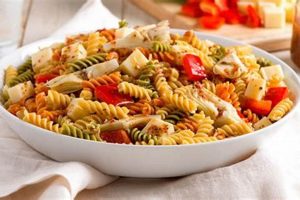
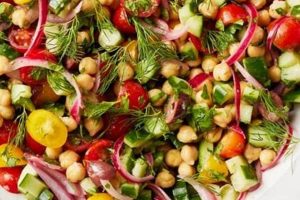
Simple rice salads offer a versatile and convenient meal option. They typically involve cooked rice combined with various ingredients such as vegetables, proteins, herbs, and a flavorful dressing. A classic example might include chilled long-grain rice, chopped cucumbers, tomatoes, bell peppers, chickpeas, and a lemon-herb vinaigrette.
The appeal of these dishes lies in their adaptability, affordability, and suitability for various occasions. They can be served as a light lunch, a side dish at a barbecue, or a component of a potluck meal. Historically, rice salads have evolved from simple grain-based dishes to more elaborate preparations reflecting diverse culinary influences and ingredient availability. Their ease of preparation and customization contribute to their enduring popularity.
The following sections will explore specific variations, offering detailed guidance on ingredient selection, preparation techniques, and tips for achieving optimal flavor and texture. Discussions will also address nutritional considerations and offer suggestions for adapting recipes to accommodate dietary restrictions and preferences.
Tips for Effortless Rice Salads
Creating flavorful and satisfying rice salads with minimal effort requires attention to a few key details. The following tips offer guidance on ingredient selection, preparation methods, and flavor balancing.
Tip 1: Rice Selection and Preparation: Opt for long-grain rice varieties, such as basmati or jasmine, which remain separate and fluffy when cooked. Rinsing the rice before cooking removes excess starch and contributes to a better texture. Cooling the rice completely before adding other ingredients prevents the salad from becoming mushy.
Tip 2: Vegetable Variety and Texture: Incorporating a variety of colorful vegetables adds visual appeal and nutritional value. Consider crisp vegetables like cucumbers, bell peppers, and carrots for textural contrast. Blanching or roasting certain vegetables beforehand can enhance their flavor and tenderness.
Tip 3: Protein Power: Adding protein elevates the salad from a side dish to a complete meal. Options include cooked chicken or fish, canned beans, lentils, or chickpeas. Tofu cubes, marinated and pan-fried, offer a plant-based alternative.
Tip 4: Flavorful Dressings: Vinaigrettes offer a light and refreshing counterpoint to the other ingredients. Experiment with different flavor profiles, such as lemon-herb, balsamic, or Asian-inspired sesame ginger. Adding a touch of sweetness, like honey or maple syrup, can balance the acidity.
Tip 5: Fresh Herbs and Aromatics: Incorporating fresh herbs like parsley, cilantro, or mint adds brightness and complexity. Chopped red onion or a small amount of minced garlic can provide a subtle pungent note.
Tip 6: Make-Ahead Convenience: Rice salads can be prepared in advance, making them ideal for meal prepping or entertaining. Store the cooked rice and prepared vegetables separately and combine them with the dressing shortly before serving to maintain optimal texture and flavor.
Tip 7: Proper Storage: Store leftover rice salad in an airtight container in the refrigerator for up to three days. Avoid adding overly delicate ingredients, like avocado, until just before serving, as they may not hold up well in storage.
By following these simple guidelines, one can consistently create delicious and satisfying rice salads that are both easy to prepare and adaptable to individual preferences.
This comprehensive approach to simple rice salad preparation ensures a consistently satisfying and flavorful outcome. The concluding section offers recipe variations and further inspiration for incorporating these versatile dishes into meal plans.
1. Simple Ingredients

The ease of rice salad recipes hinges significantly on the simplicity of their ingredients. Accessibility and affordability are paramount; readily available components minimize preparation time and complexity. For example, utilizing pantry staples like canned beans, rice, and common vegetables (onions, carrots, celery) forms a foundation for a quick and economical meal. Fresh herbs from a garden or readily available dried spices provide flavor enhancement without requiring specialized ingredients. This principle extends to dressings; a simple vinaigrette using oil, vinegar, and common seasonings offers a flavorful complement without necessitating elaborate preparation.
Emphasis on simple ingredients allows for adaptability and creativity. Substituting ingredients based on availability or dietary restrictions becomes straightforward. Swapping brown rice for white rice, or chickpeas for black beans, alters the nutritional profile and flavor subtly without fundamentally changing the preparation process. Similarly, seasonal vegetables can be incorporated readily, providing variety throughout the year. This inherent flexibility enables cooks to personalize recipes while maintaining the ease of preparation that defines these dishes.
Understanding the role of simple ingredients in these recipes unlocks their full potential. It enables efficient meal preparation, facilitates customization, and promotes resourcefulness in the kitchen. While seemingly basic, the focus on readily available components is central to the accessible and adaptable nature of easy rice salads, fostering culinary creativity within a framework of simplicity.
2. Quick Preparation

Quick preparation is a defining characteristic of easy rice salad recipes, directly contributing to their widespread appeal. The ability to assemble a nutritious and flavorful meal within a limited timeframe makes these dishes practical for busy individuals and weeknight meals. This section will explore the facets contributing to the speed and efficiency of rice salad preparation.
- Pre-cooked Ingredients
Utilizing pre-cooked ingredients significantly reduces active cooking time. Cooked rice, canned beans, and rotisserie chicken are prime examples. These readily available components eliminate the need for lengthy cooking processes, enabling rapid assembly. Pre-chopped vegetables, while sometimes less economical, offer further convenience. In the context of easy rice salads, pre-cooked elements streamline the process, allowing for meal creation in minutes rather than hours.
- Simple Techniques
Easy rice salad recipes rely on straightforward culinary techniques. Combining ingredients, whisking dressings, and chopping vegetables are common steps, all achievable with basic kitchen skills. The absence of complex procedures, such as sauting, braising, or baking, ensures minimal active cooking time. This simplicity contributes directly to the “easy” aspect of these recipes, making them accessible to a wide range of cooking experience levels.
- Minimal Cookware
The limited use of cookware further contributes to quick preparation. Often, a single pot for cooking rice and a bowl for mixing ingredients suffice. Reduced cookware minimizes both preparation and cleanup time. This streamlined approach aligns with the overall goal of efficiency, making rice salads an appealing option when dishwashing is a concern.
- Adaptable Timeframes
While quick to assemble, these recipes also offer flexibility in their timeframes. Components can be prepared in advance. Cooking rice the day before, or chopping vegetables ahead of time, allows for even faster assembly when needed. This adaptability accommodates various schedules and lifestyles, further solidifying the convenience factor associated with easy rice salads. Making a large batch on the weekend, for example, provides quick lunch or dinner options throughout the week.
The convergence of these factorspre-cooked ingredients, simple techniques, minimal cookware, and adaptable timeframesdefines the quick preparation aspect of easy rice salads. This efficiency makes them an ideal choice for time-constrained individuals seeking nutritious and flavorful meals without extensive kitchen involvement. The ease of preparation encourages frequent inclusion in meal plans, contributing to a healthy and balanced diet without sacrificing valuable time.
3. Versatile Flavor Profiles
The adaptability of rice salad recipes to diverse flavor profiles is a significant advantage, contributing to their sustained popularity. This versatility stems from the neutral base provided by rice, allowing a wide range of ingredients and seasonings to shape the final taste. Exploring this facet reveals the potential of these simple dishes to cater to various culinary preferences and dietary needs.
- Global Inspiration
Rice salads can readily incorporate flavors from various cuisines. A Mediterranean-inspired version might include olives, feta cheese, and a lemon-herb vinaigrette. An Asian-inspired variant could feature soy sauce, sesame oil, ginger, and edamame. Mexican influences might introduce corn, black beans, avocado, and a lime-cilantro dressing. This global adaptability allows for culinary exploration and caters to diverse palates.
- Seasonal Adaptations
The flexible nature of rice salads allows for seamless integration of seasonal ingredients. Springtime asparagus and peas, summer tomatoes and zucchini, autumnal squash and cranberries, and winter root vegetables can all find a place in these dishes. This adaptability ensures access to fresh, flavorful ingredients throughout the year, aligning with seasonal eating patterns and maximizing nutritional value.
- Dietary Accommodations
Versatile flavor profiles facilitate catering to specific dietary requirements. Vegan versions can utilize plant-based proteins like tofu or tempeh and omit dairy products. Gluten-free variations simply require attention to ingredient selection, avoiding soy sauce or other gluten-containing components. This adaptability broadens accessibility and ensures inclusivity in meal planning.
- Flavor Balancing
Rices neutral base provides a canvas for exploring flavor balancing techniques. Sweet, sour, salty, bitter, and umami elements can be incorporated and adjusted to create harmonious and complex flavor profiles. Balancing acidity in dressings with sweetness from dried fruits, or contrasting the bitterness of certain vegetables with the richness of nuts, exemplifies this potential for nuanced flavor development within a simple framework.
The versatility of flavor profiles in easy rice salad recipes is a key strength. It contributes significantly to their appeal, allowing for customization based on individual preferences, seasonal availability, and dietary needs. This adaptability transforms a simple dish into a culinary platform for exploration and creativity, ensuring continued enjoyment and relevance in diverse meal planning contexts.
4. Adaptable to Diets

Dietary adaptability is a crucial aspect of easy rice salad recipes, expanding their utility and appeal. This adaptability stems from the inherent flexibility of rice as a base, allowing for ingredient modifications and substitutions to accommodate diverse dietary needs and preferences. This section explores specific facets of this adaptability, highlighting its relevance to various dietary restrictions and lifestyles.
- Vegetarian and Vegan Diets
Rice salads transition seamlessly into vegetarian and vegan diets. Plant-based protein sources like beans, lentils, tofu, and tempeh readily replace animal-based proteins. Nutrient-rich additions like avocado, nuts, and seeds further enhance nutritional value while maintaining flavor and texture. Omitting dairy-based dressings and substituting with plant-based alternatives, such as tahini or cashew-based dressings, ensures alignment with vegan principles. The inherent adaptability of rice salads simplifies the creation of satisfying and flavorful plant-based meals.
- Gluten-Free Diets
Accommodating gluten-free diets requires careful ingredient selection. Ensuring the rice itself is gluten-free is paramount. Cross-contamination during preparation should be avoided. Furthermore, attention should be paid to dressings and other added ingredients, ensuring they are free from gluten-containing components like soy sauce or certain spice blends. With these considerations, rice salads offer a safe and versatile option for individuals with gluten sensitivities.
- Low-Carb and Ketogenic Diets
While rice is a carbohydrate source, modifications allow for integration into lower-carb dietary approaches. Utilizing cauliflower rice as a substitute reduces carbohydrate content significantly. Focusing on non-starchy vegetables and incorporating healthy fats from sources like avocado, nuts, and seeds shifts the macronutrient profile to align with low-carb or ketogenic guidelines. Portion control also plays a key role in managing carbohydrate intake.
- Food Allergies and Intolerances
The customizable nature of rice salads allows for adjustments based on specific food allergies or intolerances. Ingredient substitutions offer flexibility in omitting allergens while maintaining nutritional value and flavor. For example, individuals with nut allergies can substitute sunflower seeds for nuts, or those with dairy allergies can opt for dairy-free dressings. Careful attention to ingredient labels and preparation methods ensures the creation of safe and enjoyable meals for those with specific dietary restrictions.
The adaptability of easy rice salad recipes to diverse dietary needs reinforces their value as a versatile and inclusive meal option. This inherent flexibility promotes dietary adherence and enables individuals with specific requirements to enjoy flavorful and satisfying meals without compromising their dietary guidelines. The simplicity of modification and substitution further enhances the ease of preparation, solidifying the appeal of rice salads as a practical and adaptable culinary choice.
5. Make-Ahead Convenience

Make-ahead convenience represents a significant advantage of easy rice salad recipes, directly contributing to their practicality and integration into busy lifestyles. This convenience stems from the ability to prepare components in advance, reducing overall preparation time and offering flexibility for meal planning. Cause and effect are evident: the stability of ingredients and the structural integrity of rice salads allow for advance preparation, which, in turn, simplifies mealtimes and reduces reliance on last-minute cooking.
The importance of make-ahead convenience as a component of easy rice salad recipes is underscored by real-life examples. Consider a busy professional preparing a week’s worth of lunches on Sunday. Rice can be cooked and cooled, vegetables chopped, and other components measured and stored separately. Each morning, assembling a rice salad takes mere minutes, eliminating the need for extensive cooking during the workweek. Similarly, for larger gatherings, preparing components like the rice and dressing ahead of time reduces the workload on the day of the event. This allows hosts to focus on other aspects of event preparation, illustrating the practical significance of this make-ahead capability.
The ability to prepare components in advance simplifies meal planning and execution, particularly during busy periods. This feature contributes directly to the “easy” aspect of these recipes. However, certain considerations remain. While rice and most vegetables hold up well when prepared in advance, more delicate ingredients, such as avocado or fresh herbs, are best incorporated just before serving to maintain optimal texture and flavor. Understanding these nuances maximizes the benefits of make-ahead convenience while ensuring a high-quality final product. The strategic preparation of stable components in advance streamlines the process, minimizing time constraints and enhancing the overall ease and accessibility of rice salad recipes.
Frequently Asked Questions
This section addresses common inquiries regarding easy rice salad recipes, providing concise and informative responses to clarify potential uncertainties and enhance understanding of these versatile dishes.
Question 1: What type of rice is best suited for rice salads?
Long-grain rice varieties, such as basmati or jasmine, are generally preferred for their ability to remain separate and fluffy when cooked and cooled, contributing to a desirable texture in the salad.
Question 2: Can rice salads be prepared in advance?
Yes, rice salads are well-suited for advance preparation. Cooking the rice and chopping vegetables a day or two ahead significantly streamlines the process. However, it’s advisable to add delicate ingredients like avocado or fresh herbs just before serving to maintain optimal quality.
Question 3: How long can leftover rice salad be stored?
Leftover rice salad can typically be stored in an airtight container in the refrigerator for up to three days. However, the quality may degrade over time, particularly with the inclusion of more perishable ingredients.
Question 4: How can rice salads be adapted for gluten-free diets?
Ensuring the rice used is certified gluten-free is crucial. Furthermore, attention must be paid to other ingredients, such as dressings and seasonings, to avoid gluten-containing components like soy sauce or certain spice blends. Careful reading of ingredient labels is essential.
Question 5: Are rice salads suitable for weight management?
Rice salads can be incorporated into weight management plans. Choosing whole-grain rice, emphasizing vegetables, and incorporating lean protein sources contribute to a balanced and nutritious meal. Portion control remains essential, as with any dietary strategy.
Question 6: How can one prevent rice salads from becoming mushy?
Rinsing the rice before cooking helps remove excess starch, which can contribute to mushiness. Cooling the rice completely before combining it with other ingredients is crucial. Using a light hand when mixing also helps maintain the integrity of the ingredients.
These responses provide essential information for successfully preparing and enjoying easy rice salads. Understanding these aspects empowers individuals to create flavorful, adaptable, and convenient meals suited to various tastes and dietary needs.
The subsequent sections offer specific recipe examples, further illustrating the principles discussed and providing practical guidance for creating delicious and effortless rice salads.
Simple Rice Salad Recipes
Exploration of simple rice salad recipes reveals their significant culinary value. Ease of preparation, adaptability to various dietary needs and flavor profiles, and inherent convenience position these dishes as practical and versatile meal options. From utilizing readily available ingredients to employing basic culinary techniques, the accessibility of these recipes encourages culinary creativity and empowers individuals to create personalized, nutritious meals with minimal effort. The adaptability to various dietary restrictions, including vegetarian, vegan, gluten-free, and others, broadens inclusivity and reinforces their practicality in diverse dietary contexts. Furthermore, the make-ahead convenience of many variations simplifies meal planning and reduces time constraints, aligning seamlessly with contemporary lifestyles.
The enduring appeal of simple rice salad recipes lies in their capacity to balance simplicity with versatility. They offer a foundation for culinary exploration, encouraging experimentation with flavors, textures, and ingredients while remaining accessible to cooks of all skill levels. This balance of ease and adaptability positions rice salads not merely as a convenient meal option but as a culinary canvas upon which individual creativity and dietary needs can readily converge. Continued exploration and adaptation of these recipes promise ongoing culinary satisfaction and nutritional benefit.