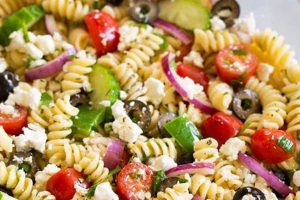
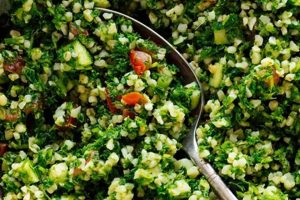
Nutritious and flavorful salads are not limited to the summer months. Cold-weather produce offers a unique array of textures and tastes, allowing for the creation of vibrant and satisfying dishes perfect for the winter season. Examples include salads featuring roasted root vegetables like beets and carrots, combined with hearty greens such as kale or spinach, and often incorporating elements like nuts, seeds, dried fruits, or cheeses for added complexity and richness.
Incorporating fresh produce into one’s diet during winter is crucial for maintaining a healthy immune system and overall well-being. These dishes offer a welcome alternative to heavier comfort foods often consumed during colder months, providing essential vitamins, minerals, and fiber. Historically, winter salads relied on preserved or stored produce, but modern techniques and access to a wider variety of ingredients allow for diverse and exciting culinary creations throughout the year.
The following sections will explore specific seasonal ingredients, offer diverse preparation techniques, and provide examples of delicious and healthful winter salad recipes suitable for various dietary needs and preferences.
Tips for Crafting Delicious Winter Salads
Creating satisfying winter salads involves selecting appropriate ingredients and employing techniques that highlight their unique characteristics. The following tips offer guidance for composing flavorful and nutritious cold-weather salads.
Tip 1: Embrace Seasonal Produce: Select produce at its peak during the winter months. Options include root vegetables like carrots, parsnips, and beets, as well as winter greens such as kale, spinach, and radicchio. These ingredients offer robust flavors and textures well-suited for hearty salads.
Tip 2: Roast for Depth of Flavor: Roasting root vegetables intensifies their sweetness and adds a caramelized dimension to the salad. Toss vegetables with olive oil, herbs, and spices before roasting to enhance their flavor profile.
Tip 3: Incorporate Textural Variety: Combine different textures to create a more interesting and satisfying salad. Consider adding toasted nuts, seeds, dried fruits, or croutons for crunch, and creamy cheeses or avocado for richness.
Tip 4: Experiment with Grains: Adding cooked grains like farro, quinoa, or freekeh provides a substantial base and adds complex carbohydrates to the salad, making it a more complete meal.
Tip 5: Utilize Citrus Fruits: Brighten the salad with segments of oranges, grapefruits, or mandarins. Citrus fruits add a refreshing acidity that balances the richness of other ingredients.
Tip 6: Explore Warm Dressings: A warm dressing can complement the flavors of roasted vegetables and wilted greens. Consider a simple vinaigrette warmed with a touch of honey or maple syrup.
Tip 7: Don’t Forget Herbs: Fresh herbs like parsley, rosemary, or thyme can elevate the flavor profile of a winter salad. Incorporate them into the dressing or sprinkle them directly onto the salad.
By following these tips, one can create flavorful, nutritious, and visually appealing winter salads that offer a satisfying and healthful culinary experience.
By understanding these principles, individuals can confidently create a diverse range of satisfying and nutritious winter salads.
1. Seasonal Ingredients

Seasonal ingredients form the foundation of exceptional winter salads. Utilizing produce at its peak ripeness ensures optimal flavor, nutritional value, and overall culinary success. This section explores key facets of winter produce and their contribution to creating remarkable salads.
- Root Vegetables
Root vegetables, such as beets, carrots, parsnips, and sweet potatoes, offer earthy sweetness and vibrant colors. Roasting intensifies their flavor and creates a caramelized complexity. These hearty vegetables provide a substantial base for winter salads, adding both substance and visual appeal.
- Winter Greens
Hearty winter greens like kale, spinach, and radicchio provide a robust counterpoint to the sweetness of root vegetables. Their slightly bitter notes and sturdy texture hold up well to heavier dressings and roasted ingredients. These nutrient-rich greens add essential vitamins and minerals to the salad.
- Citrus Fruits
Citrus fruits, including oranges, grapefruits, and mandarins, introduce brightness and acidity to winter salads. Their juicy segments offer a refreshing burst of flavor that balances the richness of other ingredients. Citrus fruits also contribute essential vitamins and antioxidants.
- Winter Fruits & Nuts
Fruits like pomegranates, pears, and apples, along with nuts such as walnuts, pecans, and almonds, provide textural and flavor complexity. Pomegranate seeds add a jewel-toned pop of color and sweet-tart flavor, while pears and apples offer sweetness and crunch. Nuts contribute healthy fats, protein, and satisfying texture.
By thoughtfully incorporating these seasonal ingredients, winter salads transcend mere side dishes and become vibrant, flavorful, and nutritionally complete meals. The interplay of textures, colors, and flavors creates a dynamic culinary experience that celebrates the bounty of the winter season.
2. Flavor Balance
Flavor balance is paramount in crafting exceptional winter salads. A harmonious blend of tastes elevates these dishes beyond simple sustenance, creating a complex and satisfying culinary experience. A well-balanced salad engages the palate with contrasting yet complementary flavors, ensuring each bite offers a delightful interplay of sensations.
- Sweetness
Sweetness in winter salads often comes from roasted root vegetables like sweet potatoes or beets, or from winter fruits such as pears or apples. This sweetness provides a foundational flavor that balances other, more assertive tastes. The natural sugars in these ingredients caramelize during roasting, adding depth and complexity.
- Acidity
Acidity provides a crucial counterpoint to sweetness, cutting through richness and brightening the overall flavor profile. Citrus fruits like oranges and grapefruits are excellent sources of acidity, as are vinegar-based dressings. A touch of acidity awakens the palate and prevents the salad from feeling heavy.
- Bitterness
Bitterness adds another layer of complexity and helps to balance the sweetness and richness of other ingredients. Winter greens such as kale and radicchio offer a pleasant bitterness, as do certain nuts and seeds. This element adds a sophisticated edge and prevents the salad from being overly sweet.
- Saltiness & Umami
Saltiness enhances the flavors of all other ingredients and is essential for a well-rounded flavor profile. Salty cheeses like feta or Parmesan, or cured meats like prosciutto, contribute saltiness and umami. Umami, a savory, meaty flavor, adds depth and complexity, further enhancing the overall experience.
The careful interplay of these flavor components creates a symphony of taste in winter salads. By balancing sweetness, acidity, bitterness, saltiness, and umami, these dishes become more than the sum of their parts, offering a sophisticated and satisfying culinary experience that celebrates the bounty of the winter season.
3. Textural Variety

Textural variety elevates winter salads from simple combinations of ingredients to dynamic culinary experiences. A strategic interplay of textures creates a more engaging and satisfying meal. Consider the contrast between the crisp snap of raw vegetables and the tender chewiness of roasted root vegetables. This contrast keeps the palate interested and prevents monotony. Toasted nuts or seeds introduce a welcome crunch, while creamy elements like avocado or cheese provide a luxurious counterpoint. The interplay of these diverse textures stimulates the senses and elevates the overall enjoyment of the salad.
Imagine a winter salad featuring roasted butternut squash, massaged kale, and toasted pecans. The soft sweetness of the squash complements the sturdy texture of the kale, while the pecans provide a satisfying crunch. Further textural contrast can be achieved by adding crumbled goat cheese for creaminess and dried cranberries for a chewy sweetness. This interplay of textures transforms the salad into a multi-sensory experience, enhancing both its appeal and satisfaction. Another example involves a salad composed of roasted beets, thinly sliced fennel, and candied walnuts. The earthy beets contrast with the crisp fennel, while the candied walnuts contribute a sweet crunch. This combination offers a complex textural profile that enhances the overall enjoyment.
Understanding the impact of textural variety allows for the creation of more sophisticated and satisfying winter salads. Consider not only the individual textures of ingredients, but also how they interact with one another. Aim for a balance of crisp, tender, creamy, and crunchy elements to maximize the sensory experience. This attention to detail elevates the salad from a simple dish to a carefully constructed culinary creation, enhancing both its appeal and nutritional value.
4. Hearty Components
Hearty components transform winter salads from light accompaniments into satisfying, main-course meals. These additions provide sustenance and textural depth, contributing to a more complete and enjoyable dining experience. Incorporating these elements elevates the nutritional value and overall appeal of winter salads, aligning with the goal of creating flavorful and nourishing dishes.
- Whole Grains
Whole grains, such as quinoa, farro, or freekeh, introduce complex carbohydrates, fiber, and protein. These nutrients contribute to satiety and sustained energy levels. The nutty flavors and chewy textures of whole grains complement the other salad components, creating a more substantial and satisfying meal. For example, adding cooked quinoa to a kale and roasted sweet potato salad provides a hearty base and enhances the nutritional profile.
- Legumes
Legumes, including lentils, chickpeas, and black beans, offer a significant source of plant-based protein and fiber. Their addition contributes to satiety and enhances the nutritional value of the salad. Roasted chickpeas, for instance, provide a crispy element and a nutty flavor, complementing the flavors and textures of roasted vegetables and winter greens. Lentils, with their earthy flavor, pair well with roasted root vegetables and vinaigrette dressings.
- Roasted Winter Vegetables
Roasted winter vegetables, such as butternut squash, Brussels sprouts, or cauliflower, provide both heartiness and depth of flavor. Roasting concentrates their natural sweetness and creates appealing caramelization. These vegetables add substance and visual appeal to the salad. Consider a salad with roasted butternut squash, kale, and toasted pecans the squash provides a hearty and flavorful base, complementing the other ingredients.
- Protein-Rich Additions
Adding protein further enhances the heartiness and nutritional value of winter salads. Grilled chicken or fish, hard-boiled eggs, or crumbled cheese offer diverse protein sources. These additions contribute to satiety and provide essential amino acids. For example, grilled salmon adds protein and healthy fats to a salad with roasted vegetables and winter greens, creating a balanced and satisfying meal.
By incorporating these hearty components, winter salads become substantial and satisfying meals, providing a balanced combination of nutrients and flavors. These additions elevate the culinary experience, ensuring the salad provides both enjoyment and nourishment. The strategic inclusion of these elements contributes to the creation of truly “great winter salad recipes,” transforming simple salads into complete and satisfying meals.
5. Vibrant Presentation
Vibrant presentation elevates winter salads from nutritious meals to visually appealing culinary creations. The strategic use of color, texture, and arrangement transforms ingredients into an aesthetically pleasing composition, enhancing the overall dining experience. This visual appeal stimulates appetite and contributes to a greater sense of enjoyment. A thoughtfully presented salad entices the senses before the first bite, creating anticipation and enhancing the perceived flavor.
Consider a salad featuring roasted beets, crumbled goat cheese, and candied pecans atop a bed of vibrant green spinach. The deep red of the beets contrasts with the creamy white of the goat cheese and the warm browns of the pecans, creating a visually dynamic composition. This interplay of colors enhances the perceived freshness and flavor of the ingredients. Similarly, a salad composed of orange segments, shaved fennel, and pomegranate seeds against a backdrop of dark green kale offers a striking visual contrast. The bright colors signal freshness and create a sense of anticipation.
Practical application of these principles involves considering the color palette of chosen ingredients and arranging them thoughtfully. Employing contrasting colors and textures creates visual interest. Height can be added by strategically piling ingredients or incorporating leafy greens. Garnishes, such as fresh herbs or a sprinkle of spice, provide finishing touches that further enhance the presentation. Understanding the impact of visual appeal on the overall dining experience underscores the significance of vibrant presentation in crafting truly great winter salad recipes. This attention to detail transforms a simple salad into a culinary masterpiece, enhancing both its aesthetic appeal and perceived enjoyment.
Frequently Asked Questions
This section addresses common inquiries regarding the creation of exceptional winter salads, offering practical guidance and clarifying potential misconceptions.
Question 1: How can winter salads be made as satisfying as summer salads?
Winter salads achieve comparable satisfaction through the incorporation of hearty elements like roasted root vegetables, whole grains, legumes, nuts, seeds, and protein-rich additions such as grilled chicken or fish. These components provide substance and satiety, ensuring a fulfilling meal.
Question 2: What are the best winter greens for salads?
Hearty greens like kale, spinach, radicchio, escarole, and frise withstand heavier dressings and roasted ingredients well. Their robust flavors and textures complement the richness of winter produce.
Question 3: How can one prevent winter salads from becoming bland?
Prevent blandness by incorporating a variety of flavors and textures. Utilize acidic elements like citrus fruits or vinegar-based dressings. Add crunch with toasted nuts, seeds, or croutons. Introduce umami with aged cheeses or roasted vegetables. Consider incorporating dried fruits or spices for depth of flavor.
Question 4: Are winter salads as nutritious as summer salads?
Winter salads offer unique nutritional benefits. Winter produce provides essential vitamins, minerals, and antioxidants. Root vegetables offer fiber and complex carbohydrates, while winter greens are rich in vitamins A and C. Nutritional value further increases with the addition of whole grains, legumes, and lean proteins.
Question 5: Can warm ingredients be incorporated into winter salads?
Warm ingredients enhance winter salads. Roasted vegetables, grilled chicken or fish, and warm grains add depth and complexity. A warm dressing can wilt greens and meld flavors effectively.
Question 6: What are some suitable dressings for winter salads?
Versatile dressings include citrus vinaigrettes, creamy dressings with tahini or yogurt, and warm dressings incorporating maple syrup or honey. The dressing should complement the salad’s flavors and textures, enhancing the overall culinary experience.
Creating satisfying and nutritious winter salads requires an understanding of seasonal ingredients, flavor balance, textural variety, and presentation. These considerations elevate winter salads from simple side dishes to complete and enjoyable meals.
The subsequent section will provide specific recipe examples demonstrating the practical application of these principles.
Great Winter Salad Recipes
Exploration of optimal winter salad creation has revealed the importance of utilizing seasonal ingredients, achieving flavor balance, incorporating textural variety, and prioritizing hearty components for satisfying meals. Vibrant presentation further elevates these dishes, transforming nutritious meals into aesthetically pleasing culinary experiences. From roasted root vegetables and hearty winter greens to citrus fruits, nuts, and seeds, winter’s bounty provides a diverse array of ingredients for crafting exceptional salads.
Culinary innovation within the realm of winter salads offers a continuous opportunity to explore seasonal flavors and textures. By embracing the principles outlined herein, individuals can create nutritious, flavorful, and visually appealing salads that celebrate the unique offerings of the winter season. This approach not only enhances culinary experiences but also promotes healthful eating habits throughout the colder months.