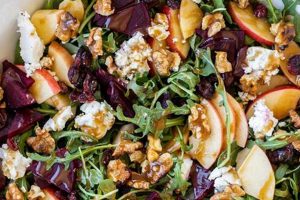
This dish combines the sweetness of cherry-flavored cola with various ingredients, often including fruits (such as cherries, pineapple, or oranges), nuts, and sometimes marshmallows or whipped cream. A thickened, often gelatin-based, component binds the mixture. Variations exist, allowing for customization based on ingredient availability and personal preferences.
The popularity of this dessert, particularly in the Southern United States, likely stems from its ease of preparation, affordability, and the refreshing flavor profile. It offers a sweet and texturally diverse treat suitable for potlucks, picnics, or casual gatherings. Its historical roots likely lie in the mid-20th century with the rise of convenience foods and the accessibility of gelatin mixes. The incorporation of a soft drink offers a unique twist, reflecting a broader cultural trend of incorporating readily available branded products into home cooking.
Further exploration will delve into specific ingredient variations, detailed preparation instructions, and nutritional information. An examination of the dish’s cultural context and evolution within the broader culinary landscape will also be provided.
Tips for Cherry Coke Salad Preparation
Successful preparation of this dessert relies on a few key considerations. Attention to detail ensures a pleasant balance of flavors and textures.
Tip 1: Cola Choice: While variations exist, using a classic cherry-flavored cola provides the intended flavor profile. Alternative cherry-flavored sodas may introduce unexpected sweetness or aftertastes.
Tip 2: Gelatin Management: Complete dissolution of the gelatin is crucial for the desired texture. Follow package instructions precisely for blooming and dissolving the gelatin. Ensure the cola is sufficiently hot to dissolve the gelatin completely but not so hot as to compromise its carbonation.
Tip 3: Fruit Selection: Canned or fresh fruit can be incorporated. Drained canned fruit prevents excess liquid from thinning the salad. Fresh fruit should be firm and ripe. Consider the sweetness of the fruit when balancing overall flavor; tart cherries provide a contrast to the sweet cola.
Tip 4: Nut Incorporation: Chopped pecans or walnuts add a contrasting texture and subtle bitterness. Toasting the nuts beforehand enhances their flavor.
Tip 5: Chilling Time: Sufficient chilling time allows the gelatin to set completely and the flavors to meld. A minimum of four hours is recommended, but overnight chilling is ideal.
Tip 6: Serving Considerations: Serve the salad chilled. Consider garnishing with additional cherries, whipped cream, or a sprinkle of chopped nuts for an enhanced presentation.
Tip 7: Storage: Store leftover salad in an airtight container in the refrigerator for up to three days. The texture may soften slightly over time.
By following these guidelines, one can achieve optimal results, ensuring a delicious and visually appealing cherry coke salad.
These tips provide a comprehensive guide to creating a successful cherry coke salad. The following section concludes with final thoughts and serving suggestions.
1. Ingredients

Ingredient selection directly impacts the final quality and character of a cherry coke salad. The interplay of flavors and textures relies on a careful balance of components. Sweetness, tartness, and textural contrast contribute to the overall sensory experience. For example, the type of cherry cola used influences the base flavor; a traditional cherry cola provides a different profile than a diet or flavored variety. Similarly, the choice of fruitcanned or fresh, sweet or tartaffects both taste and texture.
Specific ingredients serve distinct functions within the salad’s structure. Gelatin acts as a binding agent, creating the necessary cohesion. The cola provides sweetness and the characteristic cherry flavor. Fruits contribute sweetness, tartness, and visual appeal. Nuts introduce textural complexity and a contrasting flavor element. Consider the impact of using maraschino cherries versus fresh sweet cherries; the former contributes an intense sweetness and artificial color, while the latter offers a more nuanced sweetness and natural color. Similarly, pecans introduce a buttery richness, whereas walnuts contribute a slightly bitter, earthy note.
Understanding the role of each ingredient allows for informed substitutions and adjustments. Dietary restrictions or personal preferences can be accommodated through careful ingredient selection. Replacing pecans with walnuts, for instance, offers a comparable textural element while altering the flavor profile. Using sugar-free gelatin and diet cherry cola caters to those seeking to reduce sugar intake. Ultimately, a comprehensive grasp of ingredient contributions allows for a personalized and satisfying culinary outcome.
2. Measurements

Precise measurements are crucial for a successful cherry coke salad. They ensure the proper balance of flavors, the desired texture, and the structural integrity of the dish. Incorrect measurements can lead to a salad that is too sweet, too tart, too firm, or too loose. This section explores the critical role of accurate measurements in achieving a desirable outcome.
- Cola Quantity
The amount of cola directly influences the salad’s sweetness and the gelatin’s setting ability. Too much cola can result in a weak, runny salad, while too little may create an overly firm, overly sweet dessert. Using the specified amount of cola ensures proper hydration of the gelatin and contributes to the intended flavor profile. For example, using a 12-ounce can versus a 16-ounce bottle requires adjusting other ingredient quantities to maintain balance.
- Gelatin Proportion
Gelatin provides the structural framework of the salad. Using the correct amount of gelatin is essential for achieving the desired consistency. Too little gelatin results in a loose, unstable salad, while too much creates a rubbery texture. The gelatin-to-liquid ratio must be precise to ensure proper setting. For example, a recipe might specify one packet of gelatin for two cups of liquid; altering this ratio significantly impacts the final texture.
- Fruit and Nut Ratios
The proportions of fruit and nuts contribute to the salad’s flavor, texture, and visual appeal. Too much fruit can make the salad overly sweet or watery, while too few nuts diminish the textural contrast. Balancing these ingredients creates a harmonious blend of flavors and textures. For example, a recipe might call for one cup of cherries and half a cup of pecans; altering these ratios shifts the balance of sweetness and crunch.
- Ingredient Consistency
Consistent measurements ensure repeatable results. Using standardized measuring tools, such as measuring cups and spoons, promotes accuracy and allows for consistent recreation of the recipe. Estimating ingredient quantities can lead to variations in outcome. For example, using a level measuring cup versus a heaping one alters the amount of an ingredient being added.
Careful attention to measurements in each step of the recipe guarantees a well-balanced and structurally sound cherry coke salad. Understanding the relationship between ingredient quantities and the final product allows for informed adjustments and ensures a consistently satisfying result.
3. Preparation Method

The preparation method of cherry coke salad significantly influences the final product’s quality and consistency. Specific steps, executed in the correct order, ensure proper gelatinization, flavor development, and overall structural integrity. Deviation from established procedures can yield undesirable results, such as a runny consistency, uneven distribution of ingredients, or an unbalanced flavor profile. For instance, failing to fully dissolve the gelatin before incorporating other ingredients can lead to a grainy texture and uneven sweetness. Similarly, adding the fruit before the gelatin has partially set may cause the fruit to sink to the bottom, resulting in an uneven distribution.
Several key stages characterize the typical preparation method. First, the gelatin is dissolved in the heated cherry cola. This step requires precise temperature control; insufficient heat prevents complete gelatin dissolution, while excessive heat can diminish the cola’s carbonation. Subsequently, the mixture is allowed to cool slightly before incorporating the remaining ingredients. This cooling period allows the gelatin to begin setting, preventing the fruit and nuts from sinking. Finally, the mixture is transferred to a mold or serving dish and chilled until fully set. This chilling period allows the flavors to meld and the gelatin to achieve its final consistency. Variations in chilling time can influence texture; a shorter chilling period yields a softer salad, while extended chilling results in a firmer texture.
Understanding the rationale behind each step within the preparation method provides a foundation for successful execution and allows for informed adjustments. For example, if a softer texture is desired, the chilling time can be reduced. Alternatively, if a particular fruit tends to sink, it can be added in stages, allowing each layer to partially set before adding the next. Mastering the preparation method, and understanding the underlying principles of each step, empowers one to achieve consistent and desirable results while accommodating personal preferences or ingredient variations.
4. Chill Time

Chill time constitutes a critical stage in cherry coke salad preparation, directly influencing the final product’s textural and sensory qualities. This period allows the dissolved gelatin to form a stable matrix, solidifying the mixture and integrating the disparate ingredients. Insufficient chill time results in a loose, syrupy consistency, compromising the structural integrity of the salad. Conversely, excessive chilling can lead to an overly firm, rubbery texture. The optimal chill time depends on several factors, including ambient temperature, the specific gelatin used, and the desired final consistency. A typical recipe might specify a chilling period of four to six hours, or even overnight, to ensure complete setting.
The chilling process facilitates flavor melding, allowing the diverse componentscola, fruit, nutsto integrate and create a cohesive flavor profile. During chilling, the cola’s sweetness permeates the fruit, while the fruit’s natural juices contribute nuanced flavors to the overall composition. The nuts, if incorporated, absorb some of the surrounding liquid, softening their texture and allowing their inherent flavors to emerge more prominently. This gradual flavor fusion enhances the salad’s overall palatability. For instance, allowing the salad to chill overnight results in a more pronounced cherry flavor infused throughout the dish, compared to a shorter chilling period. Additionally, the lower temperature enhances the perception of sweetness, creating a more refreshing experience.
Achieving the desired texture and flavor balance requires careful management of chill time. Monitoring the salad’s consistency during the chilling process is recommended to avoid over- or under-chilling. Practical tests, such as gently tilting the container to observe the salad’s movement, can help gauge its firmness. Factors such as refrigerator temperature variations should also be considered. A colder refrigerator will require less chilling time, while a warmer setting necessitates a longer chilling period. Understanding the influence of chill time on the final product allows for adjustments based on specific circumstances and desired outcomes, ultimately contributing to a more successful and enjoyable culinary experience.
5. Serving Suggestions

Serving suggestions enhance the enjoyment of cherry coke salad by presenting the dish in its most appealing form and complementing its flavor profile. Consideration of serving size, accompanying elements, and visual presentation elevates the dining experience. Serving a large portion in a shallow bowl, for example, showcases the salad’s vibrant colors and textural diversity, while smaller, individual portions in dessert glasses offer a more elegant presentation. Appropriate serving suggestions transform a simple dessert into a more memorable culinary experience.
Complementary pairings further enhance the salad’s inherent flavors. The cola’s sweetness and the fruit’s tartness find balance with accompaniments such as a dollop of whipped cream or a scoop of vanilla ice cream. These additions offer textural contrast and temper the sweetness, creating a more nuanced flavor profile. A sprinkle of chopped nuts or a dusting of powdered sugar adds visual appeal and subtle textural variations. The choice of serving vessel also contributes to the overall presentation; a vintage glass bowl imparts a nostalgic charm, while a modern ceramic dish offers a sleek, contemporary aesthetic. Careful selection of accompaniments and serving vessels elevates the perceived value and enjoyment of the dish.
Practical considerations, such as guest preferences and the occasion, inform serving suggestions. For a casual gathering, a large, communal bowl encourages sharing and fosters a relaxed atmosphere. For a more formal setting, individual portions plated on dessert plates project an air of sophistication. Dietary restrictions may necessitate alternative accompaniments; for instance, a dairy-free whipped topping or a fruit coulis can substitute for traditional whipped cream. Thoughtful serving suggestions demonstrate attention to detail and enhance the overall dining experience, transforming a simple cherry coke salad into a considered and memorable culinary offering.
6. Variations
The inherent adaptability of cherry coke salad recipes allows for numerous variations, reflecting individual preferences and ingredient availability. These variations, while departing from a basic formula, retain the core concept of a gelatin-based dessert incorporating cherry cola. Exploring these variations provides insight into the recipe’s versatility and its potential for personalization. Understanding these adaptations allows for creative exploration within established culinary frameworks.
- Fruit Adaptations
Substituting or supplementing the traditional fruit component offers significant flavor and textural variations. While cherries often feature prominently, alternative fruits such as pineapple, oranges, or mandarin oranges provide contrasting sweetness and tartness. Tropical fruits like mango or papaya introduce exotic flavors, while berries offer a fresh, seasonal touch. These adaptations not only diversify the flavor profile but also alter the salad’s visual presentation. For instance, incorporating pineapple introduces a brighter yellow hue and a tangy counterpoint to the cherry cola’s sweetness. The choice of fruit reflects personal preferences and seasonal availability, demonstrating the recipe’s adaptability to diverse culinary contexts.
- Nut Integrations
Variations extend to the inclusion of nuts, impacting both texture and flavor. Pecans and walnuts represent common choices, offering contrasting flavors and degrees of crunch. Almonds, macadamia nuts, or pistachios introduce alternative textures and subtle flavor nuances. Omitting nuts entirely caters to those with allergies or textural preferences, while substituting seeds, such as sunflower or pumpkin seeds, offers a different textural and nutritional profile. For example, substituting pecans with walnuts introduces a slightly more bitter note, while adding slivered almonds creates a more delicate crunch. These variations allow for customization based on individual preferences and dietary considerations.
- Sweetener Modifications
Adjustments to the sweetness level cater to individual preferences and dietary needs. Using diet cherry cola or incorporating alternative sweeteners, such as sugar substitutes or fruit juices, modifies the overall sweetness profile. These adjustments provide options for those seeking to reduce sugar intake without sacrificing the fundamental character of the dish. For instance, using a sugar-free cherry cola in conjunction with naturally sweet fruits like ripe bananas or strawberries creates a lower-sugar version without compromising flavor. These modifications demonstrate the recipe’s adaptability to diverse dietary needs.
- Additions and Enhancements
Further variations involve incorporating additional ingredients or modifying the base recipe. Adding miniature marshmallows creates a textural contrast and enhances sweetness. Incorporating cream cheese or whipped cream introduces a creamy element, while spices like cinnamon or nutmeg add warmth and complexity. These additions offer further opportunities for personalization and creative expression within the basic framework of the recipe. For instance, a layer of cream cheese frosting adds a rich, tangy element, while a sprinkle of cinnamon complements the cherry cola’s sweetness. These enhancements elevate the dessert beyond its basic form and showcase its potential for culinary exploration.
These variations demonstrate the adaptability of the cherry coke salad recipe, highlighting its capacity to accommodate diverse tastes and ingredient availability. From fruit substitutions to nut integrations and sweetener modifications, these adaptations transform a basic formula into a versatile platform for culinary creativity, reflecting individual preferences and dietary considerations while maintaining the core elements that define this classic dessert.
7. Storage

Proper storage maintains the quality and safety of cherry coke salad, extending its lifespan and preserving its desirable characteristics. Neglecting appropriate storage protocols can lead to textural degradation, flavor deterioration, and potential bacterial growth, compromising both palatability and food safety. Understanding and implementing correct storage procedures ensures the dish remains enjoyable and safe for consumption.
- Container Selection
Choosing an appropriate storage container is crucial for maintaining the salad’s quality. An airtight container prevents exposure to air, minimizing oxidation and preserving freshness. The container’s material also plays a role; glass or plastic containers are suitable, while metal containers may impart undesirable flavors or react with acidic ingredients. A lidded container prevents absorption of odors from other refrigerated items. For example, storing the salad in a shallow, uncovered dish allows the surface to dry out and absorb odors, whereas a sealed container preserves moisture and prevents contamination.
- Temperature Control
Refrigeration is essential for preserving cherry coke salad. Maintaining a consistent, low temperature inhibits bacterial growth and slows enzymatic activity, preserving both flavor and texture. Fluctuations in temperature can accelerate spoilage and compromise food safety. The ideal refrigerator temperature for storing the salad is between 34F and 40F (1C and 4C). Storing the salad in warmer areas of the refrigerator, such as the door, exposes it to temperature fluctuations, accelerating spoilage.
- Duration Limitations
While refrigeration extends shelf life, cherry coke salad does not remain palatable indefinitely. Over time, even under refrigeration, textural changes occur, and flavors may diminish. Generally, the salad maintains optimal quality for up to three days when stored correctly. Beyond this point, the texture may become excessively soft, and the flavors may lose their vibrancy. Consuming the salad within the recommended timeframe ensures optimal enjoyment and minimizes food safety risks.
- Thawing and Re-Serving
Freezing is generally not recommended for cherry coke salad, as the freezing and thawing process significantly alters the texture, resulting in a watery, less desirable consistency. If unavoidable, thawing should occur slowly in the refrigerator to minimize textural damage. Avoid refreezing previously thawed salad. Recognizing the limitations of freezing allows for informed decisions regarding storage and preservation methods.
Adhering to these storage guidelines ensures the lasting quality and safety of cherry coke salad. Proper container selection, temperature control, and adherence to duration limitations maintain the dish’s desirable characteristics, preventing spoilage and maximizing enjoyment. By understanding these principles, one can confidently preserve the flavors and textures of this classic dessert, extending its culinary lifespan and minimizing food safety concerns.
Frequently Asked Questions
This section addresses common inquiries regarding cherry coke salad preparation and characteristics, offering concise and informative responses to clarify potential uncertainties and dispel misconceptions.
Question 1: Can diet cherry cola be used?
Diet cherry cola can be substituted, though it may result in a slightly different flavor profile and potentially affect the setting of the gelatin. Adjustments to the amount of gelatin may be necessary.
Question 2: What type of gelatin is recommended?
Unflavored gelatin is typically used, allowing the cherry cola flavor to dominate. Flavored gelatins can be used, but they may alter the intended flavor profile.
Question 3: Can fresh cherries be used instead of canned?
Fresh cherries can be used, but they should be pitted and halved or quartered. Fresh cherries may contribute more juice to the salad, potentially affecting the final consistency. Adjustments to other liquid components might be necessary.
Question 4: How long does the salad last in the refrigerator?
When stored properly in an airtight container, cherry coke salad typically lasts for up to three days in the refrigerator. Beyond this point, textural changes and flavor degradation may occur.
Question 5: Can this salad be frozen?
Freezing is generally not recommended. Freezing and thawing alter the texture of the gelatin, often resulting in a watery consistency.
Question 6: Can the nuts be omitted?
Nuts can be omitted without affecting the structural integrity of the salad. Their absence will alter the textural experience and flavor profile, but the salad remains viable without them.
Understanding these frequently asked questions provides a more comprehensive understanding of cherry coke salad preparation, storage, and potential adaptations. Informed choices regarding ingredients and methods contribute to successful outcomes and address individual preferences.
This FAQ section concludes the discussion on cherry coke salad. Readers are encouraged to explore the recipe and tailor it to their preferences.
Conclusion
Exploration of this subject has encompassed ingredient selection, measurement precision, methodological steps, chilling requirements, serving recommendations, potential variations, and appropriate storage techniques. Each aspect contributes significantly to the successful preparation and enjoyment of this dish. Careful consideration of ingredient ratios, particularly gelatin and cola proportions, directly impacts the final texture and flavor balance. Adherence to established preparation methods ensures proper gelatinization and ingredient integration. Adequate chilling time is essential for achieving the desired consistency and allowing flavors to meld. Serving suggestions enhance presentation and complement flavor profiles. Awareness of potential variations allows for recipe customization based on individual preferences and ingredient availability. Proper storage techniques maintain quality and extend shelf life.
This multifaceted examination provides a comprehensive understanding of the factors influencing successful preparation and enjoyment. Application of these principles empowers culinary exploration and ensures consistent, high-quality results. Further investigation into regional variations and cultural contexts can enrich appreciation for this dish’s unique history and enduring appeal.