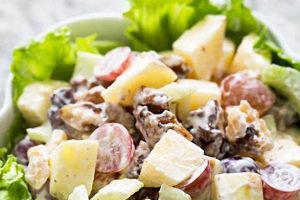
A dish featuring seasoned ground meat, crisp lettuce, tomatoes, cheese, and other typical taco toppings, combined with a tangy, sweet, and slightly spicy Catalina dressing, forms the basis of this culinary creation. Variations exist, including substituting the ground meat with shredded chicken or beef, incorporating black beans or corn, and offering a variety of cheeses, from cheddar to Monterey Jack. A typical preparation involves layering the ingredients, beginning with the lettuce, followed by the meat and other desired toppings, and finishing with a generous drizzle of Catalina dressing.
The appeal lies in the combination of familiar taco flavors with the unique zest of Catalina dressing. This relatively simple dish offers a refreshing alternative to traditional tacos or salads, providing a balance of textures and a complex flavor profile. Its adaptability to individual preferences makes it a versatile option for casual gatherings or weeknight meals. The convenient preparation and customizable nature also contribute to its popularity.
This exploration will delve further into variations of the dish, provide guidance on ingredient selection and preparation, and offer step-by-step instructions for creating a delicious and satisfying meal. Topics will include choosing the best type of ground meat, achieving optimal seasoning, selecting complementary toppings, and mastering the art of Catalina dressing preparation, whether homemade or store-bought.
Tips for an Exceptional Taco Salad with Catalina Dressing
Elevating a simple taco salad with Catalina dressing to an exceptional culinary experience involves attention to detail and thoughtful ingredient selection. The following tips offer guidance for achieving optimal flavor and texture combinations.
Tip 1: Meat Selection and Seasoning: Opting for lean ground beef, or alternatives like ground turkey or chicken, contributes to a healthier dish. Seasoning the meat with a blend of chili powder, cumin, garlic powder, and onion powder enhances the characteristic taco flavor profile.
Tip 2: Achieving Crisp Lettuce: Utilizing crisp, cold lettuce, such as romaine or iceberg, provides a refreshing contrast to the other ingredients. Thoroughly drying the lettuce after washing prevents a soggy salad.
Tip 3: Enhancing Texture with Toppings: Incorporating a variety of textures elevates the overall sensory experience. Consider adding chopped tomatoes, onions, shredded cheese, black olives, or crushed tortilla chips for added crunch.
Tip 4: Catalina Dressing Selection: Choosing a high-quality Catalina dressing, whether store-bought or homemade, is crucial. A balanced blend of sweet, tangy, and subtly spicy notes complements the other flavors.
Tip 5: Layering for Optimal Flavor: Layering the ingredients strategically prevents a soggy salad and ensures even distribution of flavors. Begin with the lettuce, followed by the seasoned meat, and then add the desired toppings.
Tip 6: Portioning the Catalina Dressing: Adding the Catalina dressing just before serving prevents the salad from becoming soggy. Offer additional dressing on the side for individual adjustments.
Tip 7: Garnishing for Visual Appeal: A simple garnish, such as a sprinkle of fresh cilantro or a dollop of sour cream or guacamole, enhances the visual presentation.
By implementing these suggestions, one can transform a basic taco salad with Catalina dressing into a truly memorable and satisfying meal. Attention to these details ensures a harmonious blend of flavors, textures, and visual appeal.
With these tips in mind, the following section will offer a detailed, step-by-step guide for preparing a perfect taco salad with Catalina dressing.
1. Crisp Lettuce Base
The crisp lettuce base forms the foundation of a successful taco salad with Catalina dressing. Its structural integrity is essential for supporting the other ingredients and preventing a soggy salad. The crisp texture provides a refreshing counterpoint to the richer, heavier components, such as the seasoned meat, cheese, and dressing. Imagine a taco salad built on wilted lettuce the flavors would be muddled, and the overall experience far less enjoyable. A crisp lettuce base, typically iceberg or romaine, offers a neutral flavor platform that allows the other ingredients to shine, while its fresh, cool nature balances the overall flavor profile.
The choice of lettuce and its preparation significantly impact the final outcome. Iceberg lettuce, prized for its crispness and neutral flavor, holds up well under the weight of the other ingredients and the moisture of the Catalina dressing. Romaine lettuce offers a slightly more robust flavor and nutritional value while still maintaining a desirable crispness. Washing and thoroughly drying the lettuce are crucial steps in ensuring a crisp base. Excess moisture can lead to a soggy salad, diluting the flavors and compromising the textural integrity of the dish. Furthermore, chilling the lettuce before assembling the salad enhances its refreshing qualities.
A crisp lettuce base is not merely a structural element but an integral component contributing to the overall success of the taco salad with Catalina dressing. Its textural contrast and refreshing qualities enhance the sensory experience, while its structural integrity ensures a visually appealing and enjoyable meal. Understanding the importance of this foundation allows for informed choices in lettuce selection and preparation, ultimately leading to a more satisfying culinary outcome.
2. Seasoned Ground Meat

Seasoned ground meat forms the savory heart of a taco salad with Catalina dressing. Its presence provides a substantial protein element, anchoring the dish and complementing the fresh, crisp components. The seasoning blend, often a combination of chili powder, cumin, garlic powder, and onion powder, imparts the characteristic taco flavor profile that distinguishes this salad from other variations. Without properly seasoned ground meat, the dish risks blandness, failing to capture the essence of taco-inspired cuisine. Consider a taco salad made with unseasoned ground beef the overall flavor profile would be incomplete, lacking the depth and complexity that the spices provide.
The quality and preparation of the ground meat significantly influence the final outcome. Lean ground beef is a common choice, offering a balance of flavor and health considerations. Alternatives such as ground turkey or chicken provide lighter options without sacrificing protein content. Proper cooking techniques, such as browning the meat evenly and draining excess grease, ensure optimal flavor and texture. Overcooked meat can become dry and tough, while undercooked meat presents food safety concerns. Furthermore, the choice of spices and their proportions allow for customization, catering to individual preferences and dietary restrictions. A taco salad featuring ground meat seasoned with a blend of mild chili powder, cumin, and a touch of smoked paprika offers a nuanced flavor profile distinct from one seasoned with a bolder blend of spices.
The interplay between seasoned ground meat and the other components, such as the crisp lettuce, tangy Catalina dressing, and fresh toppings, creates a harmonious balance of flavors and textures. The savory meat provides a substantial counterpoint to the fresh, crisp elements, while the Catalina dressing ties the flavors together. Understanding the importance of properly seasoned ground meat allows for informed decisions regarding meat selection, seasoning blends, and cooking techniques. This attention to detail elevates the taco salad with Catalina dressing from a simple assembly of ingredients to a carefully crafted culinary experience.
3. Tangy Catalina Dressing
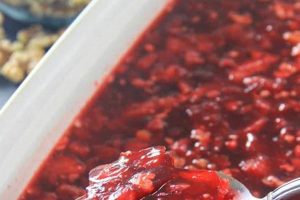
Catalina dressing forms the crucial link between a standard taco salad and the distinct “taco salad Catalina recipe.” Its inclusion introduces a sweet, tangy, and subtly spicy element that transforms the dish. This vibrant dressing, typically a blend of ketchup, vinegar, sugar, and Worcestershire sauce, provides a counterpoint to the savory seasoned meat and the fresh vegetables, uniting the diverse flavors. Consider a taco salad without the Catalina dressing: it becomes a collection of separate components, lacking the cohesive element that the dressing provides. The tangy notes of the Catalina dressing cut through the richness of the meat and cheese, adding a layer of complexity. This is evident when comparing a traditional taco salad with a ranch or vinaigrette-based dressing to one with Catalina; the latter boasts a more dynamic and balanced flavor profile.
Catalina dressing’s importance extends beyond mere flavor enhancement. It contributes to the overall texture and moisture of the salad. The viscous nature of the dressing lightly coats the ingredients, preventing dryness and enhancing the mouthfeel. Furthermore, it contributes to the visual appeal of the dish, adding a vibrant, glossy sheen. Imagine the difference between a dry, matte-looking taco salad and one glistening with Catalina dressing; the visual contrast underscores the dressing’s role in enhancing presentation. In practical applications, the quantity and timing of the dressing application are critical. Adding too much dressing can result in a soggy salad, while adding it too far in advance can have the same effect. Therefore, understanding the properties and impact of Catalina dressing allows for strategic choices in preparation and serving.
In summary, Catalina dressing is not merely an optional addition but a defining characteristic of the “taco salad Catalina recipe.” It provides a critical flavor dimension, contributes to texture and visual appeal, and unites the diverse ingredients into a cohesive whole. The successful execution of this recipe hinges on recognizing the dressing’s multifaceted role. This understanding empowers informed choices regarding dressing selection, preparation, and application, ultimately elevating the dish from a simple salad to a well-balanced culinary creation.
4. Fresh Tomato Salsa

Fresh tomato salsa contributes a vibrant, acidic counterpoint to the richness of the seasoned meat and the sweetness of the Catalina dressing in a taco salad. This seemingly simple addition provides a burst of freshness, enhancing the complexity of the overall flavor profile. The acidity of the tomatoes, often complemented by onions, cilantro, and lime juice, cuts through the heavier elements, preventing the dish from feeling overly rich. Consider a taco salad Catalina recipe without fresh salsa; the flavor profile might lack the bright, acidic notes that balance the other components. A real-life example can be observed in comparing two identical taco salads, one with fresh salsa and one without. The version with salsa offers a more dynamic and refreshing experience, showcasing the interplay of contrasting flavors.
The impact of fresh tomato salsa extends beyond flavor enhancement. The textural contrast between the chunky salsa and the other ingredients, such as the crisp lettuce and the smooth Catalina dressing, adds another dimension to the sensory experience. The salsa introduces a juicy element that complements the crunchy tortilla chips and the tender ground meat. This textural interplay is crucial for preventing a monotonous mouthfeel. Practical applications of this understanding include adjusting the salsa’s consistency to suit individual preferences. A finely diced salsa integrates seamlessly with the other ingredients, while a chunkier salsa provides a more pronounced textural contrast.
Fresh tomato salsa’s contribution to a taco salad Catalina recipe is multifaceted. It enhances the flavor profile, introduces textural complexity, and elevates the overall sensory experience. Recognizing this component’s significance allows for informed choices regarding ingredient selection, preparation techniques, and portioning. Excluding fresh salsa might result in a less dynamic and balanced dish, underscoring its importance in achieving the desired culinary outcome. Challenges might include maintaining the salsa’s freshness and preventing it from making the salad soggy. Careful preparation and strategic timing of addition address these potential issues. Ultimately, understanding the role of fresh tomato salsa is crucial for maximizing the flavor and textural potential of a taco salad Catalina recipe.
5. Crunchy tortilla chips

Crunchy tortilla chips contribute a crucial textural element to the taco salad Catalina recipe. Their presence offers a satisfying contrast to the softer components, such as the seasoned ground meat, lettuce, and Catalina dressing. This textural interplay elevates the sensory experience, preventing a monotonous mouthfeel. Imagine consuming a taco salad lacking this crunchy element; the overall enjoyment would diminish. Consider two versions of the recipe: one incorporates crushed tortilla chips, while the other omits them. The version with tortilla chips offers a more dynamic and satisfying textural experience, demonstrating the component’s practical significance.
The impact of tortilla chips extends beyond mere texture. Crushed chips absorb excess moisture from the other ingredients, particularly the Catalina dressing and the salsa, helping to maintain the salad’s structural integrity and prevent sogginess. This absorption also subtly infuses the chips with the surrounding flavors, creating a flavorful component that complements the other elements. Furthermore, tortilla chips provide a familiar, comforting element reminiscent of traditional tacos, enhancing the dish’s overall appeal. Different types of tortilla chips, such as corn or multigrain, offer variations in flavor and texture, allowing for customization and further enhancement of the dish.
In summary, the inclusion of crunchy tortilla chips in a taco salad Catalina recipe is not merely an optional addition but a deliberate choice that enhances texture, manages moisture, and contributes to the overall flavor profile. Understanding this component’s multifaceted role allows for informed decisions regarding chip selection, preparation, and incorporation. Potential challenges include preventing the chips from becoming stale or overly soggy. Addressing these challenges involves proper storage and strategic timing of adding the chips to the salad. Ultimately, incorporating crunchy tortilla chips elevates the taco salad Catalina recipe, demonstrating the practical significance of understanding the interplay of ingredients in creating a balanced and satisfying culinary experience.
6. Shredded Cheese Blend
Shredded cheese blend plays a crucial role in the overall composition of a taco salad Catalina recipe, contributing to flavor, texture, and visual appeal. The cheese component adds a creamy, savory element that complements the other ingredients, creating a more balanced and satisfying culinary experience. Understanding the nuances of cheese selection and application enhances the final outcome of the dish.
- Flavor Enhancement
The primary function of shredded cheese in this context is to enhance the overall flavor profile. Common choices, such as cheddar, Monterey Jack, or a Mexican blend, offer distinct flavor characteristics that complement the seasoned meat, the tangy Catalina dressing, and the fresh vegetables. Cheddar provides a sharp, slightly tangy note, while Monterey Jack offers a milder, creamier flavor. A Mexican blend often incorporates cheeses like Colby and Monterey Jack, providing a balanced flavor profile. Consider a taco salad without cheese; the dish would lack the savory depth and richness that the cheese contributes. Real-world examples include comparing a taco salad with cheddar versus one with a milder cheese like queso fresco. The choice of cheese significantly influences the final flavor profile.
- Textural Contrast
Shredded cheese contributes to the textural complexity of the taco salad. The soft, meltable texture of the cheese contrasts with the crisp lettuce, the crunchy tortilla chips, and the seasoned ground meat, creating a more dynamic and enjoyable mouthfeel. This textural interplay is crucial for preventing a monotonous sensory experience. Imagine a taco salad without the textural contrast provided by the cheese; the dish would lack the layered complexity that elevates it beyond a simple combination of ingredients. Practical examples include using finely shredded cheese versus coarsely shredded cheese, each offering a slightly different textural contribution.
- Visual Appeal
The visual appeal of a taco salad Catalina recipe is enhanced by the addition of shredded cheese. The cheese adds color and texture, creating a more visually appealing presentation. The vibrant colors of cheddar or the creamy white of Monterey Jack provide visual interest against the backdrop of the other ingredients. Consider the visual difference between a taco salad with a generous sprinkle of shredded cheese versus one without; the cheese clearly enhances the visual presentation. Practical examples include using a blend of different colored cheeses to create a more visually dynamic dish. The strategic placement of the cheese can further enhance the visual appeal.
- Melting Properties and Practical Application
The melting properties of the chosen cheese blend are crucial for practical application. If the taco salad is served immediately, the cheese is typically sprinkled on top. However, if the salad incorporates warm elements, such as heated ground meat, the cheese can melt slightly, creating a creamy, cohesive element that binds the ingredients together. This melting effect can be achieved by layering the warm meat directly onto the cheese. Conversely, if a colder temperature is desired, adding the cheese just before serving prevents excessive melting. Understanding these properties allows for strategic choices in application to achieve the desired outcome. Practical examples include assembling layered taco salads in individual serving bowls to maximize the melting potential of the cheese.
In conclusion, the shredded cheese blend in a taco salad Catalina recipe plays a multifaceted role, contributing to flavor, texture, and visual appeal. Understanding these contributions allows for informed choices in cheese selection and application. Strategic considerations, such as the type of cheese, the degree of shredding, and the timing of application, significantly influence the final outcome. By carefully considering these elements, one can elevate the taco salad Catalina recipe from a simple combination of ingredients to a well-balanced and visually appealing culinary creation.
7. Optional additions (olives, onions)

Optional additions, such as olives and onions, offer opportunities to personalize and enhance the flavor profile of a taco salad Catalina recipe. These additions introduce distinct flavor notes and textural elements that complement the core components of the dish. Olives, whether black or green, contribute a salty, briny flavor and a smooth, meaty texture. Onions, depending on the variety and preparation method, can add sharpness, sweetness, or a pungent bite, alongside a crisp or tender texture. Consider the difference between a taco salad with and without these additions: the inclusion of olives and onions introduces complexity, preventing the flavors from becoming one-dimensional. A real-world example involves comparing a taco salad Catalina recipe with only the standard ingredients to one enhanced with sliced black olives and diced red onions; the latter showcases a broader spectrum of flavors and textures.
The practical significance of understanding the role of optional additions lies in the ability to tailor the recipe to individual preferences and dietary needs. Some individuals might prefer the assertive flavor of black olives, while others might opt for the milder taste of green olives. Similarly, the choice between raw, pickled, or sauted onions allows for customization based on desired flavor intensity and textural preference. Furthermore, these additions can contribute to the nutritional value of the dish. Onions, for instance, are a good source of vitamin C and antioxidants. Understanding the properties of each addition allows for strategic choices that align with specific dietary goals. Practical applications include offering a variety of optional additions as a “topping bar” for individuals to customize their salads. This approach caters to diverse preferences and empowers individuals to create their ideal flavor combinations.
Incorporating optional additions like olives and onions into a taco salad Catalina recipe provides opportunities to elevate the dish beyond its basic components. Strategic selection and application of these additions enhance flavor complexity, contribute textural variety, and cater to individual preferences. Recognizing the impact of each addition empowers informed choices, resulting in a more personalized and satisfying culinary experience. Challenges may arise in balancing flavors and preventing any single addition from overpowering the others. Careful consideration of ingredient combinations and portion control addresses these potential challenges, ultimately contributing to a well-balanced and flavorful taco salad.
Frequently Asked Questions
This section addresses common inquiries regarding the preparation and enjoyment of taco salad with Catalina dressing.
Question 1: Can alternative proteins be used in place of ground beef?
Ground turkey, chicken, or even plant-based crumbles offer suitable alternatives to ground beef, catering to dietary preferences and restrictions.
Question 2: What measures can be taken to prevent a soggy salad?
Thoroughly drying lettuce after washing and adding the Catalina dressing immediately before serving helps maintain crispness. Serving the dressing on the side allows for individual portion control.
Question 3: How can the spice level be adjusted?
Adjusting the amount of chili powder or incorporating other spices like cayenne pepper or paprika allows for customization of the spice level in the meat seasoning. Adding a diced jalapeo or other chili pepper to the salsa also increases the heat.
Question 4: Can this dish be prepared in advance?
While the components can be prepared separately in advance, assembling the salad just before serving is recommended to maintain optimal texture and prevent sogginess. Storing components separately and combining them just before serving ensures the best results.
Question 5: What are suitable substitutions for Catalina dressing if it’s unavailable?
French dressing or Thousand Island dressing can offer a similar tangy, sweet flavor profile, although the distinct flavor of Catalina will be absent. Alternatively, a homemade version can be easily prepared using common pantry staples.
Question 6: How can nutritional value be maximized?
Incorporating lean protein options, increasing the proportion of fresh vegetables, and using whole-grain tortilla chips enhance the nutritional value of the dish.
Careful preparation and attention to detail ensure a satisfying and delicious taco salad experience.
The following section provides a complete recipe with step-by-step instructions for creating a perfect taco salad with Catalina dressing.
Taco Salad Catalina Recipe
This exploration of the taco salad Catalina recipe has delved into its essential components, highlighting the interplay of flavors, textures, and practical considerations. From the crisp lettuce base to the tangy Catalina dressing, each element contributes to the dish’s overall success. Emphasis has been placed on understanding the role of each ingredient, from the seasoned ground meat to the optional additions of olives and onions. The importance of proper preparation techniques, such as thoroughly drying the lettuce and strategically timing the addition of the dressing, has been underscored. Furthermore, potential challenges, such as preventing sogginess and maximizing nutritional value, have been addressed with practical solutions.
The taco salad Catalina recipe represents more than a simple combination of ingredients; it embodies a culinary synthesis, where individual components harmonize to create a balanced and satisfying whole. This exploration serves as a foundation for informed culinary choices, empowering individuals to create personalized versions of this versatile dish. Further experimentation with ingredient variations and preparation techniques promises continued culinary discovery within the realm of the taco salad Catalina recipe. Ultimately, this dish stands as a testament to the potential for culinary creativity and the enduring appeal of combining familiar flavors in innovative ways.