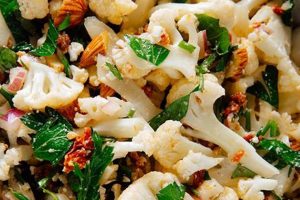
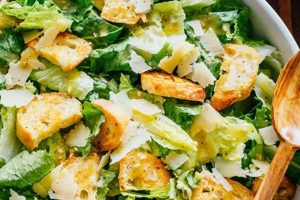
A dish featuring cooked scallops as the primary ingredient, combined with various complementary components, typically includes fresh vegetables, herbs, and a flavorful dressing. Examples range from simple preparations with lemon vinaigrette and arugula to more complex compositions incorporating ingredients like avocado, mango, or roasted corn.
This culinary creation offers a balance of protein, healthy fats, and essential vitamins. The delicate, sweet flavor of scallops pairs well with a wide range of ingredients, allowing for diverse flavor profiles and nutritional value. Historically, shellfish salads have been enjoyed across various cultures, adapting to regional ingredients and culinary traditions. Their popularity stems from the ease of preparation, versatility, and refreshing nature, making them suitable for everything from light lunches to elegant appetizers.
Further exploration of this subject will delve into specific ingredient combinations, preparation techniques, and variations suitable for different dietary needs and preferences. Nutritional information and suggested wine pairings will also be provided.
Tips for a Perfect Scallop Salad
Achieving optimal flavor and texture requires attention to detail throughout the preparation process. The following tips ensure a delightful culinary experience.
Tip 1: High-Quality Ingredients are Essential: Selecting fresh, sushi-grade scallops is paramount. Look for firm, plump scallops with a mild, sweet aroma. Fresh, seasonal produce will further enhance the overall quality of the dish.
Tip 2: Proper Scallop Preparation: Thoroughly pat scallops dry before searing to achieve a beautiful caramelization. Avoid overcrowding the pan to ensure even cooking and prevent steaming.
Tip 3: Achieving the Ideal Sear: Use high heat and a small amount of oil to sear scallops quickly. A perfectly seared scallop will have a golden-brown crust and a tender, opaque interior.
Tip 4: Don’t Overcook: Overcooked scallops become tough and rubbery. Aim for a cook time of 2-3 minutes per side, depending on size.
Tip 5: Balancing Flavors: The dressing should complement the delicate flavor of the scallops. Consider a light vinaigrette with citrus or herbs. Avoid heavy, creamy dressings that can overpower the scallops.
Tip 6: Timing is Key: Dress the salad just before serving to prevent the greens from wilting and the scallops from becoming soggy. This ensures the freshest and most vibrant flavors.
Tip 7: Consider Texture: Incorporate a variety of textures to create a more interesting salad. Crisp vegetables, toasted nuts, or crunchy croutons provide a delightful contrast to the tender scallops.
By following these guidelines, one can create a scallop salad that showcases the exquisite flavor and texture of this prized ingredient. The resulting dish will be a satisfying and sophisticated culinary creation.
The following section will offer specific recipe variations for inspiration and further guidance.
1. Fresh, High-Quality Scallops
Fresh, high-quality scallops form the cornerstone of a successful scallop salad. Their inherent sweetness and delicate texture provide the foundation upon which the other ingredients build. Using subpar scallops, such as those previously frozen or improperly handled, can result in a fishy odor, rubbery texture, and an overall unpleasant dining experience. Conversely, fresh, dry-packed scallops, often referred to as day boat or diver scallops, offer a superior flavor profile and tender consistency, elevating the final dish. For instance, a salad featuring fresh sea scallops seared to a perfect golden brown and paired with bright citrus segments and peppery arugula offers a delightful contrast of flavors and textures. The inherent sweetness of the scallops is accentuated by the citrus, while the arugula provides a peppery bite.
The importance of sourcing premium scallops extends beyond flavor and texture. Fresh scallops are less likely to harbor harmful bacteria, ensuring food safety. Furthermore, their firm texture holds up well during searing, creating an appealing crust without becoming overcooked. Consider a scenario where frozen scallops are used: Their higher water content often leads to steaming in the pan, hindering proper browning and resulting in a less appealing final product. This excess moisture can also dilute the dressing, compromising the overall balance of flavors. Choosing fresh, dry-packed scallops mitigates these risks and ensures a superior culinary outcome.
In summary, the quality of the scallops directly impacts the overall success of the salad. Investing in fresh, high-quality scallops is an investment in the dining experience itself. This attention to ingredient selection reflects a commitment to culinary excellence and lays the groundwork for a truly exceptional dish. Neglecting this crucial element can compromise the entire creation, highlighting the critical link between ingredient quality and final product.
2. Complementary Ingredients

Ingredient selection significantly impacts the overall balance and flavor profile of a scallop salad. Complementary ingredients enhance the natural sweetness and delicate texture of scallops, creating a harmonious and nuanced culinary experience. Careful consideration of flavor pairings and textural contrasts elevates this dish beyond a simple combination of components.
- Acidity:
Balancing the richness of scallops requires a bright acidic element. Citrus fruits, such as grapefruit, orange, or lemon, provide the necessary acidity while contributing a refreshing burst of flavor. A squeeze of lime juice or a splash of white wine vinegar can also achieve this balance. For example, a salad featuring seared scallops, segmented grapefruit, and shaved fennel offers a delightful interplay of sweet, tart, and subtly licorice notes. This acidity cuts through the richness of the scallops, preventing the dish from feeling heavy.
- Fresh Herbs:
Fresh herbs introduce aromatic complexity and visual appeal. Dill, parsley, chives, and mint offer distinct flavor profiles that complement scallops without overpowering their delicate taste. Consider a salad with seared scallops, avocado, and a chiffonade of mint. The herbal freshness of mint enhances the richness of the avocado and complements the sweetness of the scallops, creating a refreshing and flavorful combination.
- Textural Contrast:
A variety of textures elevates the sensory experience. Incorporating crunchy elements, such as toasted nuts, croutons, or crisp vegetables like cucumbers or celery, provides a counterpoint to the tender scallops. Imagine a salad combining seared scallops with toasted pine nuts, shaved parmesan, and a bed of peppery arugula. The interplay of texturestender scallops, crunchy pine nuts, and peppery arugulacreates a multi-dimensional culinary experience.
- Vegetables:
Fresh vegetables contribute essential nutrients, vibrant colors, and varied textures. Arugula, spinach, or watercress add a peppery bite, while shaved fennel or thinly sliced red onion introduce subtle sweetness and a touch of sharpness. A salad composed of seared scallops, roasted corn, cherry tomatoes, and a light vinaigrette exemplifies the harmonious blend of flavors and textures. The sweetness of the corn and tomatoes complements the scallops, while the vinaigrette provides a unifying element.
The careful interplay of these complementary ingredients transforms a basic scallop salad into a refined and balanced culinary creation. Each element contributes to a multi-layered sensory experience, highlighting the versatility and culinary potential of this seafood delicacy. Ingredient synergy is paramount, ensuring each component contributes to a harmonious and delectable whole.
3. Balanced, Flavorful Dressing

A balanced, flavorful dressing is paramount to a successful scallop salad recipe. It serves as the unifying element, harmonizing the diverse components while enhancing the natural sweetness and delicate texture of the scallops. An overly acidic or heavy dressing can mask the subtle flavors of the scallops and other ingredients, while a bland dressing fails to elevate the dish beyond a simple sum of its parts. The dressing should complement, not compete with, the primary ingredients.
- Acidity:
Acidity is crucial for balancing the richness of the scallops and any accompanying fats, such as avocado or nuts. A vibrant acidity cuts through the richness, preventing the salad from feeling heavy. Lemon juice, lime juice, and white wine vinegar are common acidic components in scallop salad dressings. A lemon vinaigrette, for instance, brightens the dish while complementing the seafood’s inherent sweetness. However, excessive acidity can overpower the delicate flavor of the scallops, so careful balancing is essential. A touch of sweetness, often achieved through a small amount of honey or maple syrup, can further enhance the balance.
- Oil:
The oil component contributes richness and texture to the dressing while carrying the flavors of other ingredients. Extra virgin olive oil offers a robust flavor that pairs well with Mediterranean-inspired scallop salads. A lighter oil, such as grapeseed or avocado oil, might be preferred for a more delicate flavor profile. The ratio of oil to acid plays a crucial role in the dressing’s overall texture and mouthfeel. A higher oil content results in a richer, more emulsified dressing, while a higher acid content creates a lighter, more vinaigrette-like consistency.
- Seasoning:
Proper seasoning elevates the dressing and enhances the overall flavor profile of the salad. Salt and freshly ground black pepper are essential, but other seasonings, such as herbs, spices, and aromatics, can add depth and complexity. A pinch of red pepper flakes introduces a subtle heat, while a touch of Dijon mustard adds a nuanced tang. Fresh herbs, such as chives, parsley, or dill, contribute brightness and freshness. The key is to use seasonings judiciously, allowing the natural flavors of the scallops and other ingredients to shine through.
- Emulsification:
Emulsification, the process of combining oil and acid into a stable mixture, is critical for the dressing’s texture and flavor distribution. A properly emulsified dressing coats the ingredients evenly, ensuring a consistent flavor experience in every bite. Whisking the dressing vigorously or using a blender creates a stable emulsion that prevents the oil and acid from separating. This emulsification process also helps to incorporate and distribute other ingredients, such as herbs, spices, and aromatics, throughout the dressing.
The interplay of these elementsacidity, oil, seasoning, and emulsificationdetermines the dressing’s overall success and its impact on the scallop salad. A well-executed dressing elevates the dish, creating a cohesive and harmonious blend of flavors and textures. The delicate nature of scallops requires a nuanced approach to dressing, emphasizing balance and restraint to showcase the seafood’s inherent qualities.
4. Proper Searing Technique

Proper searing technique is crucial for achieving optimal flavor and texture in a scallop salad. Seared scallops offer a desirable contrast between a crisp, caramelized exterior and a tender, succulent interior. This technique significantly impacts the overall sensory experience of the dish, influencing both taste and mouthfeel. The following facets highlight the key elements of proper scallop searing.
- Surface Moisture:
Excess moisture inhibits proper browning and promotes steaming, resulting in a less flavorful and visually appealing scallop. Thoroughly patting scallops dry with paper towels before searing is essential for achieving a beautiful, golden-brown crust. This process ensures direct contact between the scallop’s surface and the hot pan, promoting the Maillard reaction responsible for the characteristic caramelization and flavor development.
- High Heat:
High heat is essential for rapid searing, which creates a flavorful crust while preserving the scallop’s delicate interior. A hot pan ensures a quick sear, minimizing cooking time and preventing the scallops from becoming tough or rubbery. Using a stainless steel or cast iron skillet over medium-high to high heat is recommended for achieving optimal results. Lower temperatures result in longer cooking times, leading to moisture loss and a less desirable texture.
- Sufficient Fat:
An appropriate amount of fat in the pan facilitates even browning and prevents sticking. A thin layer of oil with a high smoke point, such as canola, grapeseed, or avocado oil, is recommended. Butter can also be used, but it should be added towards the end of the searing process to prevent burning. Too little fat can lead to uneven cooking and sticking, while excessive fat can make the scallops greasy.
- Avoiding Overcrowding:
Overcrowding the pan lowers the temperature, hindering proper searing and promoting steaming. Scallops should be arranged in a single layer with ample space between them to ensure even cooking. Working in batches prevents overcrowding and maintains the pan’s temperature, resulting in consistently seared scallops.
Mastering these elements of proper searing technique significantly enhances the flavor and texture of scallops, transforming them into a delectable component of any salad. The resulting caramelized crust and tender interior elevate the overall dining experience, showcasing the culinary potential of this versatile ingredient. The interplay of texture and taste derived from proper searing elevates the scallop salad from a simple dish to a culinary delight.
5. Appropriate Serving Temperature

Serving temperature significantly impacts the overall enjoyment of a scallop salad. Scallops, when served at the appropriate temperature, offer optimal flavor and textural characteristics. Serving temperature considerations should account for the delicate nature of scallops and the other salad components. A salad featuring chilled, seared scallops, crisp lettuce, and a light vinaigrette benefits from being served immediately after preparation. This timing preserves the scallops’ tender texture and the vegetables’ crispness, while preventing the dressing from wilting the greens. Conversely, serving this salad at a warm temperature, or after an extended period, results in a less desirable outcome. Warm scallops develop a less appealing texture, while the lettuce wilts and the dressing loses its vibrancy. This example illustrates the cause-and-effect relationship between serving temperature and overall salad quality.
Room temperature or slightly chilled is generally considered ideal for scallop salads. This temperature range best preserves the scallops’ delicate texture and nuanced flavors. A chilled serving temperature enhances the refreshing qualities of the salad, particularly during warmer months. However, excessively cold temperatures can dull the scallops’ flavor profile and make the other components, such as vegetables and dressing, less palatable. Consider a salad composed of seared scallops, avocado, and a citrus vinaigrette. Serving this salad too cold masks the delicate flavors of the avocado and scallops, while diminishing the brightness of the citrus. Conversely, serving the same salad at room temperature allows the individual flavors to shine, resulting in a more balanced and nuanced culinary experience.
Appropriate serving temperature is essential for maximizing the enjoyment of a scallop salad. Understanding the impact of temperature on both the scallops and the accompanying ingredients allows for informed decisions that enhance the overall dining experience. Attention to this detail reflects a commitment to culinary excellence and ensures the full potential of the dish is realized. Failure to consider serving temperature can compromise the balance of flavors and textures, detracting from the carefully crafted composition. This understanding reinforces the importance of temperature as a key element in creating a truly exceptional scallop salad.
Frequently Asked Questions
This section addresses common inquiries regarding the preparation and enjoyment of scallop salads.
Question 1: What type of scallops is best suited for salads?
Dry-packed sea scallops, either diver or day boat, are recommended for their superior flavor and texture. Wet-packed scallops, which contain a phosphate solution, tend to release excess water during cooking, hindering proper searing and potentially diluting the salad dressing.
Question 2: Can frozen scallops be used?
While fresh scallops are preferred, frozen scallops can be used if thawed properly and thoroughly patted dry before cooking. However, frozen scallops may have a slightly different texture and may release more water during cooking.
Question 3: How can one prevent overcooked scallops?
High heat and a short cooking time are crucial. Sear scallops for 2-3 minutes per side, depending on their size, until they develop a golden-brown crust and become opaque throughout. Overcooking results in a tough, rubbery texture.
Question 4: What dressings complement scallop salads?
Light vinaigrettes with citrus or herb components often best complement the delicate flavor of scallops. Avoid heavy, creamy dressings that can overpower the seafood. A balance of acidity and richness in the dressing enhances the overall flavor profile.
Question 5: What ingredients pair well with scallops in salads?
Fresh, seasonal ingredients like citrus fruits, avocado, tomatoes, corn, and leafy greens create harmonious flavor combinations. Textural contrast can be achieved with toasted nuts, croutons, or crisp vegetables like cucumbers.
Question 6: How long can scallop salad be stored?
Scallop salad is best consumed immediately after preparation to ensure optimal flavor and texture. If storage is necessary, refrigerate the components separately and combine just before serving. Stored dressings may separate and require re-emulsification.
Understanding these key aspects contributes to creating a delicious and satisfying scallop salad experience. Attention to detail, from ingredient selection to serving temperature, ensures a culinary creation that showcases the delicate flavors and textures of this versatile seafood.
This concludes the frequently asked questions section. The following segment will offer a selection of curated recipes for practical application of the techniques and principles discussed.
Scallop Salad Recipe
Exploration of scallop salad recipes reveals the importance of quality ingredients, precise cooking techniques, and balanced flavor profiles. Fresh, high-quality scallops form the foundation of a successful preparation. Proper searing techniques, emphasizing high heat and minimal cooking time, achieve a desirable textural contrast between a caramelized exterior and a tender interior. Complementary ingredients, such as fresh citrus segments, crisp vegetables, and vibrant herbs, enhance the scallops’ natural sweetness. A balanced dressing, often a light vinaigrette with a nuanced acidity, unifies the components. Appropriate serving temperature, typically room temperature or slightly chilled, preserves the delicate flavors and textures.
Culinary exploration extends beyond the technical aspects, encompassing an appreciation for the nuanced interplay of flavors and textures. The delicate nature of scallops demands careful consideration of each element within the recipe, highlighting the transformative potential of culinary expertise. Further exploration may involve regional variations, innovative flavor combinations, and advanced culinary techniques. Ultimately, understanding the fundamental principles of scallop salad preparation empowers culinary enthusiasts to create exceptional dishes that showcase this versatile ingredient.