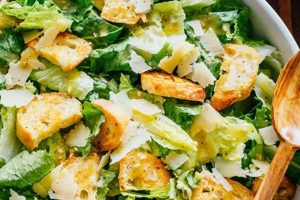
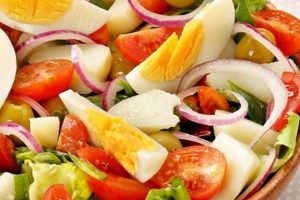
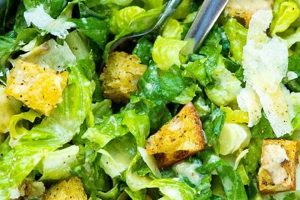
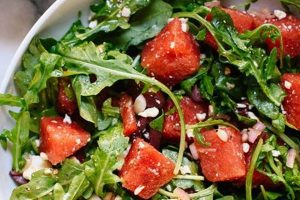
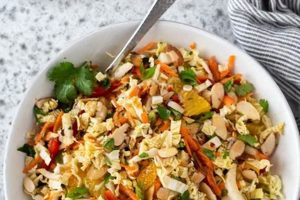
Quick-to-prepare dishes featuring cauliflower as the primary ingredient, often combined with other vegetables, flavorful dressings, and sometimes grains or proteins, offer a versatile and nutritious meal option. For example, a straightforward combination might involve raw or roasted cauliflower florets tossed with chopped carrots, celery, and a light vinaigrette.
These dishes are valued for their nutritional density, featuring vitamins, minerals, and fiber, while often being lower in calories compared to other salad options. The adaptability of cauliflower allows for a wide range of flavors and textures, catering to various dietary needs and preferences. Historically, cauliflower has been a staple in diverse cuisines, and its use in salads reflects a modern emphasis on healthy and convenient meals.
Exploring the nuances of ingredient selection, preparation techniques, and dressing choices can further enhance the culinary experience and unlock the full potential of this versatile vegetable in creating flavorful and healthful salads.
Tips for Cauliflower Salad Success
Creating a delicious and satisfying cauliflower salad involves attention to detail and a few key techniques. The following tips offer guidance for achieving optimal flavor and texture.
Tip 1: Blanch for Texture: Briefly submerging cauliflower florets in boiling water, followed by an ice bath, helps maintain a crisp-tender texture, even after refrigeration. This process also enhances the vibrant color of the cauliflower.
Tip 2: Roast for Depth: Roasting cauliflower florets brings out a nutty, caramelized flavor that adds depth and complexity to the salad. Toss with olive oil and seasonings before roasting for optimal results.
Tip 3: Balance Flavors: Combine cauliflower with ingredients that offer contrasting flavors and textures. Consider adding crunchy elements like nuts or seeds, sweet components like dried fruit, or savory additions such as crumbled cheese or chopped fresh herbs.
Tip 4: Dress Strategically: The dressing should complement, not overpower, the cauliflower. Light vinaigrettes, creamy dressings with yogurt or tahini, or even a simple lemon-herb dressing can be excellent choices.
Tip 5: Season Thoughtfully: Don’t be afraid to experiment with various seasonings. Freshly ground black pepper, garlic powder, onion powder, paprika, or even a pinch of red pepper flakes can elevate the flavor profile.
Tip 6: Consider the Cut: While florets are the most common form, consider alternative cuts like thinly sliced or riced cauliflower for textural variation.
Tip 7: Chill Strategically: While some salads benefit from chilling, avoid over-chilling, which can dull the flavors. Dress the salad just before serving for the freshest taste.
By following these tips, one can elevate a simple cauliflower salad into a culinary masterpiece, showcasing the versatility and deliciousness of this remarkable vegetable.
With a foundation in these key principles, further exploration of specific recipes and variations becomes an exciting culinary journey.
1. Fresh Cauliflower
The foundation of any successful simple cauliflower salad rests upon the quality of the cauliflower itself. Fresh cauliflower offers optimal texture, flavor, and nutritional value, contributing significantly to the overall dish. Understanding the characteristics of fresh cauliflower is crucial for recipe selection and preparation.
- Appearance and Aroma:
Fresh cauliflower heads should be compact, creamy white, and free from blemishes or discoloration. The florets should be tightly clustered and firm. A clean, slightly sweet aroma indicates freshness, while any sour or musty smells suggest spoilage.
- Texture and Density:
The head should feel heavy for its size, indicating good moisture content. The florets should be firm and crisp, not soft or mushy. A dense, compact structure ensures a pleasant texture when raw or cooked.
- Storage and Handling:
Proper storage is essential for maintaining freshness. Uncut heads should be stored in a perforated plastic bag in the refrigerator crisper drawer for up to a week. Cut florets should be stored in an airtight container and used within a few days. Avoid washing the cauliflower until just before use to prevent premature spoilage.
- Culinary Implications:
Fresh cauliflower’s delicate flavor profile makes it versatile for a variety of preparations. Its crisp-tender texture holds up well in salads, whether raw, blanched, or roasted. The subtle sweetness complements various dressings and seasonings, allowing for diverse flavor combinations.
Selecting fresh, high-quality cauliflower ensures the best possible outcome for simple cauliflower salad recipes. Attention to these details elevates the final dish, enhancing both its flavor and nutritional benefits.
2. Easy Preparation
Ease of preparation is a defining characteristic of simple cauliflower salad recipes. This attribute stems from several factors, including the minimal processing required for cauliflower, the availability of pre-cut florets, and the adaptability of cauliflower to various cooking methods, each requiring minimal time and effort. The inherent simplicity translates to accessibility for home cooks of all skill levels, contributing to the popularity of these recipes. For example, a basic cauliflower salad might involve combining pre-cut florets with readily available ingredients like chopped carrots, celery, and a simple vinaigrette, requiring minimal chopping and mixing.
The emphasis on easy preparation directly influences ingredient selection and recipe development. Recipes often favor readily available ingredients and streamlined techniques, maximizing efficiency without compromising flavor. This focus also promotes improvisation and customization. Home cooks can easily adapt recipes based on available ingredients or personal preferences, further simplifying the process. The ability to create a nutritious and flavorful meal with minimal effort makes simple cauliflower salads a practical and appealing choice for busy individuals or those seeking convenient meal options. Recipes emphasizing speed and simplicity often contribute to healthier eating habits by reducing reliance on processed foods and encouraging the consumption of fresh vegetables.
In summary, easy preparation is a cornerstone of simple cauliflower salad recipes. This focus on efficiency expands accessibility, encourages healthy eating habits, and provides a foundation for culinary creativity within a simplified framework. While maintaining simplicity, the potential for diverse flavor combinations and textures remains vast, making these recipes a versatile and valuable addition to any culinary repertoire.
3. Flavorful Combinations

Flavorful combinations are essential for elevating simple cauliflower salad recipes beyond basic preparations. The inherent mildness of cauliflower provides a neutral canvas for a wide range of complementary flavors and textures, allowing for diverse culinary creations. Exploring these combinations unlocks the full potential of cauliflower salads, transforming them into vibrant and satisfying dishes.
- Balancing Textures
Textural contrast adds complexity and interest to cauliflower salads. Combining the tender-crisp nature of cauliflower with crunchy elements such as nuts, seeds, or croutons creates a more engaging mouthfeel. Roasted chickpeas or toasted pepitas provide a satisfying crunch, while slivered almonds offer a delicate crispness. The interplay of textures enhances the overall sensory experience.
- Complementary Flavors
Pairing cauliflower with ingredients that offer contrasting or complementary flavors is crucial for creating a well-balanced salad. The subtle sweetness of cauliflower harmonizes with savory elements like crumbled cheese, chopped fresh herbs, or roasted vegetables. Adding dried fruit, such as cranberries or raisins, introduces a touch of sweetness and chewiness. The interplay of sweet, savory, and acidic notes creates a more dynamic flavor profile.
- Vibrant Colors
Incorporating colorful ingredients enhances the visual appeal of cauliflower salads, making them more enticing. Brightly colored vegetables, such as bell peppers, carrots, or red onion, add vibrancy and contrast to the creamy white cauliflower. Fresh herbs, like parsley or cilantro, contribute a pop of green. The visual appeal stimulates appetite and enhances the overall dining experience.
- Versatile Dressings
The choice of dressing plays a critical role in unifying the flavors of a cauliflower salad. Light vinaigrettes, creamy dressings based on yogurt or tahini, or even a simple lemon-herb dressing can complement the cauliflower and other ingredients. The dressing should enhance, not overpower, the delicate flavors of the salad. A well-chosen dressing ties all the components together, creating a cohesive and harmonious dish.
By carefully considering the interplay of textures, flavors, colors, and dressings, simple cauliflower salad recipes can be transformed into culinary masterpieces. These combinations not only enhance the sensory experience but also provide opportunities for nutritional diversity and creative expression in the kitchen. A well-composed cauliflower salad showcases the versatility of this humble vegetable, demonstrating its potential as a centerpiece for flavorful and satisfying meals.
4. Versatile Dressings

The success of simple cauliflower salad recipes often hinges on the selection of an appropriate dressing. Dressings contribute significantly to the overall flavor profile, texture, and cohesiveness of the salad, transforming a simple combination of ingredients into a harmonious and satisfying dish. The versatility of cauliflower allows it to pair well with a wide array of dressings, from light and tangy to rich and creamy, opening up a world of culinary possibilities.
- Classic Vinaigrettes
Vinaigrettes, typically composed of oil and vinegar, offer a light and tangy counterpoint to the subtle sweetness of cauliflower. A simple lemon vinaigrette, for example, brightens the flavor of the cauliflower while allowing other ingredients to shine. The acidity of the vinegar also helps to balance richer components, such as nuts or cheese. Variations incorporating Dijon mustard, honey, or maple syrup add depth and complexity.
- Creamy Dressings
Creamy dressings provide a richer, more decadent option for cauliflower salads. Greek yogurt or tahini-based dressings offer a healthy and flavorful alternative to traditional mayonnaise-based dressings. These options create a luscious coating on the cauliflower florets, enhancing their texture and providing a satisfying mouthfeel. The addition of herbs, spices, or citrus zest further elevates the flavor profile. For example, a tahini dressing with lemon juice and garlic creates a vibrant and flavorful complement to roasted cauliflower.
- Herbaceous Dressings
Fresh herbs play a vital role in many versatile dressings, adding brightness and complexity to simple cauliflower salads. Parsley, cilantro, dill, and mint are just a few examples of herbs that can be incorporated into vinaigrettes or creamy dressings. These herbaceous additions not only contribute flavor but also provide visual appeal. A simple parsley-lemon vinaigrette, for instance, enhances the fresh flavors of a raw cauliflower salad.
- Global Influences
Drawing inspiration from global cuisines can expand the range of dressing possibilities for cauliflower salads. A dressing inspired by Indian cuisine might incorporate yogurt, spices like cumin and coriander, and a touch of lime juice. Alternatively, a dressing with Asian influences could feature soy sauce, sesame oil, rice vinegar, and ginger. These globally-inspired dressings introduce unique flavor profiles and enhance the versatility of cauliflower salads.
The careful selection of a dressing is an integral step in creating a successful simple cauliflower salad. The right dressing complements the natural flavors of the cauliflower and other ingredients, unifying the dish and creating a cohesive culinary experience. The versatility of cauliflower allows for a wide range of dressing options, encouraging culinary exploration and customization to suit individual preferences and dietary needs. Whether opting for a light vinaigrette, a creamy dressing, or a globally-inspired creation, the choice of dressing significantly impacts the overall enjoyment and satisfaction derived from these simple yet versatile salads.
5. Nutritional Value

Nutritional value represents a significant advantage of simple cauliflower salad recipes. Cauliflower itself offers a wealth of vitamins, minerals, and fiber, contributing to a nutrient-dense meal option. Vitamin C, crucial for immune function, and vitamin K, essential for blood clotting, are present in substantial amounts. The fiber content promotes digestive health and contributes to feelings of satiety. Furthermore, cauliflower is relatively low in calories, making it a suitable choice for those seeking to manage weight. Combining cauliflower with other nutrient-rich vegetables, such as bell peppers, carrots, and leafy greens, further amplifies the nutritional benefits of these salads. For instance, a salad incorporating roasted red peppers adds a significant boost of vitamin A and antioxidants. The inclusion of healthy fats, through ingredients like avocado or nuts, provides essential fatty acids and enhances nutrient absorption.
The nutritional profile of simple cauliflower salad recipes offers several practical advantages. These salads can contribute to a balanced diet, providing a wide range of essential nutrients in a convenient and palatable format. The high fiber content promotes satiety, potentially reducing overall calorie intake. Moreover, the versatility of these recipes allows for customization to meet specific dietary needs. Individuals seeking to increase their protein intake can incorporate legumes, such as chickpeas or lentils, into their salads. Those following a low-carbohydrate diet can opt for dressings based on olive oil and vinegar rather than those containing added sugars. The adaptability of these recipes empowers individuals to prioritize their nutritional goals without compromising flavor or satisfaction.
In summary, the nutritional value inherent in simple cauliflower salad recipes presents a compelling argument for their inclusion in a healthy diet. From providing essential vitamins and minerals to promoting digestive health and aiding in weight management, these salads offer a range of benefits. The ability to customize ingredients and dressings further enhances their practicality and appeal, making them a valuable tool for individuals seeking to improve their dietary habits and overall well-being. This focus on nutritional value, combined with ease of preparation and diverse flavor possibilities, positions simple cauliflower salad recipes as a versatile and beneficial component of a health-conscious lifestyle.
Frequently Asked Questions
This section addresses common inquiries regarding simple cauliflower salad recipes, offering practical guidance and clarifying potential uncertainties.
Question 1: Can cauliflower be consumed raw in salads?
Raw cauliflower offers a crisp texture and mild flavor suitable for salads. Thorough washing and proper storage are crucial for food safety.
Question 2: What methods exist for preparing cauliflower for salads beyond raw consumption?
Roasting or blanching cauliflower enhances its flavor and texture. Roasting imparts a nutty, caramelized flavor, while blanching maintains a crisp-tender texture ideal for salads.
Question 3: How can one prevent a cauliflower salad from becoming watery?
Salting cut or grated cauliflower and allowing it to drain reduces excess moisture. Dressing the salad shortly before serving also helps prevent wateriness.
Question 4: What ingredients pair well with cauliflower in salads?
Versatile ingredients such as nuts, seeds, dried fruits, cheeses, and various herbs and vegetables complement cauliflower. Flavor combinations depend on the desired taste profile.
Question 5: How long can a prepared cauliflower salad be stored?
Properly stored in an airtight container in the refrigerator, a cauliflower salad can typically last for three to five days. However, consuming it sooner maintains optimal freshness and quality.
Question 6: Can these recipes accommodate dietary restrictions, such as vegan or gluten-free diets?
Adapting these recipes to accommodate dietary needs is generally straightforward. Ingredient substitutions and careful dressing selection allow for vegan, gluten-free, and other variations.
Understanding these common points of inquiry facilitates informed decision-making regarding recipe selection, preparation, and storage, maximizing the enjoyment and benefits of simple cauliflower salad recipes.
By exploring these frequently asked questions, one gains valuable insights into the nuances of preparing delicious and nutritious cauliflower salads. This knowledge empowers culinary exploration and confident experimentation with various ingredients and techniques.
Simple Cauliflower Salad Recipes
Exploration of simple cauliflower salad recipes reveals a versatile culinary landscape. Emphasis on fresh ingredients, easy preparation, flavorful combinations, versatile dressings, and nutritional value underscores the appeal of these dishes. From raw preparations showcasing cauliflower’s natural crispness to roasted variations highlighting nuanced caramelized notes, the adaptability of this cruciferous vegetable shines through. Consideration of textural contrasts, complementary flavors, and vibrant colors elevates these salads beyond basic fare. Strategic dressing selection, ranging from light vinaigrettes to creamy concoctions, further enhances the culinary experience. The inherent nutritional benefits, including vitamins, minerals, and fiber, solidify the position of cauliflower salads as healthful meal options. Addressing frequently asked questions clarifies preparation techniques and storage recommendations.
The simplicity of these recipes belies their culinary potential. Further exploration and experimentation with diverse ingredients, flavors, and cultural influences promise continued innovation within this culinary realm. The adaptability of cauliflower salad recipes positions them as a valuable asset for both novice cooks and seasoned chefs seeking nutritious, flavorful, and easily prepared meals.