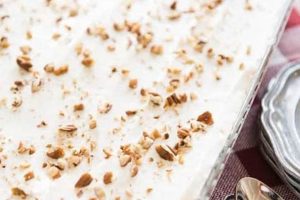
Highly sought-after baked goods for fundraising events typically involve a balance of ease of preparation, transportability, and broad appeal. Examples include brownies, cookies, cupcakes, muffins, and loaf cakes. These items often feature familiar flavors and simple decorations, maximizing their attractiveness to a wide audience.
Choosing appealing and well-executed baked goods is crucial for fundraising success. Delicious treats encourage generous donations, contributing significantly to the overall proceeds. Historically, baked goods have been a staple of community fundraising efforts due to their accessibility and affordability, representing a tangible contribution readily appreciated by purchasers. The tradition continues to thrive as a practical and enjoyable way to support various causes.
This article will explore various factors contributing to successful fundraising through baked goods, including recipe selection, pricing strategies, presentation techniques, and food safety considerations.
Tips for Successful Bake Sales
Careful planning and execution are essential for maximizing fundraising potential. The following tips offer guidance on creating appealing products and a profitable event.
Tip 1: Consider the Audience. Factor in the demographics and preferences of potential customers when selecting recipes. School bake sales might benefit from individually portioned, kid-friendly treats, while a bake sale for a sophisticated event might call for more elegant offerings.
Tip 2: Prioritize Transportability. Opt for items that travel well and can withstand handling without losing their appeal. Avoid delicate pastries or items requiring refrigeration.
Tip 3: Emphasize Visual Appeal. Attractive presentation encourages sales. Consider using colorful frosting, sprinkles, or decorative packaging to enhance the visual appeal of baked goods.
Tip 4: Offer Variety. Provide a diverse selection of items to cater to different tastes and dietary restrictions. Include gluten-free or vegan options to broaden appeal.
Tip 5: Price Strategically. Research competitive pricing and consider the cost of ingredients. Strike a balance between affordability and profitability.
Tip 6: Ensure Proper Labeling. Clearly label each item with ingredients and potential allergens to inform customers and address dietary concerns.
Tip 7: Maintain Food Safety Standards. Adhere to food safety guidelines during preparation, storage, and display. Use clean equipment and maintain proper temperatures.
Tip 8: Promote the Event. Generate excitement and maximize attendance through effective advertising prior to the event.
By implementing these strategies, organizers can significantly enhance the success of fundraising efforts, increasing both customer satisfaction and overall proceeds.
These practical tips offer a foundation for a well-organized and profitable bake sale. The next section will delve into specific recipe ideas suitable for such events.
1. Popularity

Popularity plays a significant role in determining optimal bake sale recipes. Items perceived as popular tend to generate higher demand, leading to increased sales and profitability. This popularity often stems from factors such as familiarity, positive associations, and perceived value. Classic choices like chocolate chip cookies or brownies benefit from widespread familiarity and generally positive associations, virtually guaranteeing a certain level of demand. Conversely, less common or unfamiliar items, regardless of their inherent quality, may not generate equivalent sales.
Real-world examples illustrate this connection. Bake sales featuring predominantly well-known treats tend to outperform those offering more unusual or niche items. Consider a bake sale offering both chocolate chip cookies and a less common, but equally delicious, type of cookie. The chocolate chip cookies, due to their familiarity and broad appeal, are likely to sell out quickly, while the less common cookies may remain unsold. This disparity highlights the practical importance of considering popularity when selecting recipes.
Understanding the influence of popularity allows for strategic recipe selection, maximizing sales potential and overall fundraising success. While creativity and novelty can have a place, incorporating popular favorites provides a reliable foundation for profitability. Balancing popular choices with a limited selection of unique offerings can cater to a wider audience while mitigating the risk of unsold inventory.
2. Ease of Preparation
Efficiency in preparation is a critical factor in selecting optimal bake sale recipes. Time constraints often influence recipe choices, particularly for large-scale events. Recipes requiring minimal preparation time and readily available ingredients offer significant advantages, allowing for efficient production of larger quantities while minimizing effort.
- Simplified Ingredients and Instructions
Recipes utilizing common pantry staples and straightforward instructions streamline the baking process. For instance, a simple brownie recipe requiring basic ingredients like flour, sugar, and cocoa powder is more practical for a bake sale than a complex cake requiring numerous specialty ingredients and intricate techniques. This simplicity translates to quicker preparation, allowing for greater output within limited timeframes. Furthermore, readily available ingredients minimize procurement challenges and reduce overall costs.
- Reduced Preparation Time
Minimizing active preparation time is paramount. Recipes with short mixing and baking times maximize output and reduce labor. Consider a no-bake recipe versus one requiring extensive mixing, proofing, and multiple baking stages. The no-bake option significantly reduces active preparation, allowing volunteers to focus on other tasks, such as packaging and presentation. This efficiency is invaluable in high-volume bake sale scenarios.
- Adaptability to Large Batches
Recipes easily scaled up for large batches are essential for meeting demand. A cookie recipe doubling or tripling without compromising quality is significantly more efficient than one requiring multiple small batches. This scalability streamlines production, minimizes equipment usage, and ensures consistency across all items.
- Minimal Specialized Equipment
Recipes requiring minimal specialized equipment are advantageous, especially in community settings where access to specific tools may be limited. A recipe requiring a stand mixer, for example, may present challenges if only hand mixers are available. Opting for recipes adaptable to basic equipment ensures broader accessibility and facilitates collaborative baking efforts.
Prioritizing ease of preparation ensures efficient production of high-quality baked goods, contributing significantly to overall bake sale success. By selecting recipes aligning with these principles, organizers can maximize output, reduce preparation burdens, and enhance overall profitability.
3. Transportability
Transportability is a crucial factor in determining suitable baked goods for fundraising events. Items must withstand travel without significant damage or degradation in quality. This consideration directly impacts recipe selection, influencing choices towards robust and structurally sound options. Fragile or delicate items, while potentially appealing, pose logistical challenges and risk diminished presentation upon arrival, ultimately impacting sales potential.
- Structural Integrity
Baked goods retaining their shape and structure during transport are essential. A sturdy cookie, for instance, travels better than a delicate meringue. Real-world scenarios, such as transporting items in stacked containers or across uneven terrain, highlight the importance of structural integrity. Choosing recipes yielding robust products minimizes breakage and ensures appealing presentation at the point of sale.
- Packaging Suitability
Selecting appropriate packaging further enhances transportability. Individual wrapping for cupcakes, for instance, prevents damage during transit and enhances hygiene. Conversely, loosely packed items risk shifting and damage. Choosing packaging complementing the baked good’s structure optimizes its transportability, maintaining quality and presentation. Practical examples include sturdy boxes for cakes and individual bags for cookies, ensuring safe arrival and minimizing handling complications.
- Temperature Sensitivity
Items less susceptible to temperature fluctuations are preferable. A chocolate chip cookie is less temperature-sensitive than a cream-filled pastry requiring refrigeration. Consider transporting items in varying weather conditions. Choosing recipes less reliant on strict temperature control minimizes spoilage risk and maintains quality during transport and display, especially in outdoor or uncontrolled temperature settings.
- Ease of Handling
Items easy to handle and serve contribute to efficient sales. Individually portioned items like brownies or muffins are easier to manage than a large sheet cake requiring cutting and serving. This ease of handling streamlines the sales process, reducing wait times and enhancing customer experience. Practical examples include pre-sliced bars or individually wrapped cookies, minimizing handling and maximizing efficiency during the sales process.
Prioritizing transportability influences recipe selection, contributing significantly to a successful bake sale. Choosing items resilient to handling and transport ensures optimal presentation and maximizes sales potential. Balancing transportability with other factors, such as popularity and ease of preparation, yields a strategically sound selection optimized for fundraising success.
4. Profitability

Profitability represents a core objective in bake sales, directly influencing recipe selection. Maximizing return on investment requires careful consideration of ingredient costs, pricing strategies, and potential sales volume. Balancing these factors ensures financial success, allowing maximum resource allocation towards the intended cause.
- Cost of Ingredients
Ingredient cost significantly impacts profitability. Recipes utilizing readily available, cost-effective ingredients contribute to higher profit margins. For instance, using seasonal fruits or opting for generic brands over premium alternatives can reduce expenses without compromising quality. Calculating ingredient costs per unit helps determine potential profit margins, guiding recipe selection towards economically viable options. A comparative analysis of recipes using similar ingredients but varying in cost highlights the potential impact on overall profitability.
- Pricing Strategies
Strategic pricing maximizes profits. Researching comparable market prices for similar items informs competitive pricing decisions. Balancing perceived value with affordability encourages sales volume. Offering tiered pricing, such as discounts for bulk purchases, incentivizes higher spending and increases overall revenue. Analyzing pricing strategies employed by successful bake sales provides insights into effective pricing models. Comparing different pricing structures against projected sales volumes helps optimize revenue potential.
- Portion Control and Yield
Optimizing portion sizes and maximizing yield from each recipe contributes to profitability. Carefully calculating portion sizes ensures cost-effectiveness and avoids excessive ingredient usage. Maximizing yield from each batch, such as adjusting baking times or pan sizes, increases output with minimal additional expense. Analyzing portion sizes against ingredient costs and potential sales prices provides a clear picture of profit margins per unit. Comparing different portioning strategies against projected sales volume highlights the impact on overall revenue.
- Projected Sales Volume
Projecting potential sales volume informs recipe selection and production quantities. Considering factors such as target audience, event size, and historical sales data helps estimate demand. Aligning production with projected demand minimizes waste and maximizes resource utilization. Analyzing historical sales data for similar events provides valuable insights into realistic sales expectations. Comparing projected sales volume against production capacity and associated costs helps optimize resource allocation and maximize profit potential.
Careful consideration of these factors ensures recipe selection aligns with profitability goals, maximizing the financial success of the bake sale. Balancing cost-effectiveness with product appeal and strategic pricing ensures optimal resource allocation, contributing significantly to the intended fundraising objectives. Analyzing profitability in conjunction with other factors, such as popularity and transportability, provides a comprehensive framework for informed recipe selection.
5. Visual Appeal

Visual appeal plays a crucial role in the success of bake sale items. Attractive presentation significantly influences purchasing decisions, impacting overall sales and profitability. Customers are drawn to visually appealing products, associating attractive displays with quality and freshness. Understanding the components of visual appeal enables strategic presentation, maximizing the attractiveness of baked goods and encouraging sales.
- Color and Contrast
Employing color strategically enhances visual appeal. Vibrant colors, such as rich browns in brownies or bright reds in velvet cakes, attract attention. Creating contrast, such as dark chocolate chips against a lighter cookie dough, further enhances visual interest. Real-world examples include the use of colorful frosting on cupcakes or the strategic placement of contrasting sprinkles on cookies. These techniques draw the eye and create a more appealing product presentation.
- Texture and Shape
Texture and shape contribute significantly to visual appeal. A visually interesting texture, such as the rough surface of a crumble topping or the smooth glaze on a donut, adds depth and complexity. Varied shapes, such as heart-shaped cookies or intricately decorated cakes, offer visual interest. Real-world examples include the use of textured frosting techniques on cakes or the creation of uniquely shaped cookies using cookie cutters. These elements add visual dimension and enhance the overall attractiveness.
- Garnishes and Decorations
Garnishes and decorations elevate visual presentation. Simple additions, such as a dusting of powdered sugar or a sprig of fresh mint, enhance visual interest. More elaborate decorations, such as piped frosting designs or edible flowers, create a premium impression. Real-world examples include the use of chocolate shavings on brownies or the artful arrangement of fresh berries on a tart. These elements add a touch of elegance and enhance perceived value.
- Packaging and Presentation
Packaging and display influence perception. Attractive packaging, such as colorful cupcake liners or decorative boxes, enhances perceived value. Thoughtful display arrangements, such as tiered cake stands or neatly arranged trays, create an appealing presentation. Real-world examples include the use of themed packaging for holiday bake sales or the creation of an eye-catching display using varying heights and textures. These strategies enhance the overall shopping experience and encourage purchases.
By understanding and implementing these visual appeal principles, bakers can significantly enhance the attractiveness of their offerings, directly impacting sales and contributing to the overall success of the bake sale. Optimizing visual appeal, in conjunction with other factors like taste and transportability, creates a compelling product offering poised for success.
6. Dietary Inclusivity
Dietary inclusivity is increasingly important when selecting recipes for bake sales. Accommodating diverse dietary needs expands customer reach and reflects community awareness. Offering options catering to various restrictions, such as gluten-free, vegan, or nut-free, ensures broader appeal and enhances overall sales potential. Failing to address these needs risks alienating potential customers and limiting fundraising success.
- Gluten-Free Options
Providing gluten-free options caters to individuals with celiac disease or gluten sensitivity. These options often utilize alternative flours, such as rice flour or almond flour, in place of traditional wheat flour. Successfully incorporating gluten-free recipes expands the customer base, demonstrating inclusivity and potentially increasing sales. For example, offering gluten-free brownies alongside traditional brownies allows those avoiding gluten to participate, enhancing their experience and contributing to fundraising efforts. Careful preparation and labeling are crucial to prevent cross-contamination.
- Vegan Options
Vegan baking excludes animal products, catering to individuals following a vegan lifestyle or those with dairy or egg allergies. Recipes often utilize plant-based milk alternatives, such as almond milk or soy milk, and replace eggs with ingredients like flaxseed meal or applesauce. Offering vegan choices expands market reach and reflects community awareness. For instance, offering vegan muffins alongside traditional muffins caters to a wider audience, demonstrating inclusivity and potentially boosting sales. Clear labeling is essential to avoid confusion and ensure customer satisfaction.
- Nut-Free Considerations
Nut allergies pose significant health risks. Preparing nut-free options mitigates these risks and caters to individuals with nut allergies. This involves careful ingredient selection and stringent cross-contamination prevention measures. Offering nut-free choices demonstrates awareness and responsibility, enhancing public perception and potentially attracting customers specifically seeking such options. For example, offering nut-free cookies alongside traditional cookies provides a safe option for those with nut allergies. Clear labeling and dedicated preparation areas are crucial to prevent accidental exposure.
- Reduced-Sugar Options
Offering reduced-sugar options caters to individuals managing their sugar intake, such as those with diabetes or those following specific dietary guidelines. Recipes may utilize sugar substitutes or incorporate naturally sweet ingredients like fruit. Providing these options expands customer reach and demonstrates an understanding of diverse dietary needs. For example, offering reduced-sugar fruit bars alongside traditional brownies provides a healthier option and caters to a broader customer base. Clear labeling informs customers of the reduced-sugar content and enhances their ability to make informed choices.
Incorporating dietary inclusivity into recipe selection significantly enhances the appeal and success of bake sales. By offering a range of options catering to diverse dietary needs, organizers demonstrate community awareness, broaden their customer base, and maximize fundraising potential. This inclusivity fosters a positive community experience and contributes to a more successful and rewarding event.
Frequently Asked Questions
This section addresses common inquiries regarding optimal bake sale recipe selection.
Question 1: What are the most popular bake sale items?
Classics like chocolate chip cookies, brownies, and cupcakes consistently perform well due to their broad appeal. However, popularity can vary based on audience demographics and event context.
Question 2: How can ingredient costs be minimized without sacrificing quality?
Utilizing seasonal ingredients, opting for generic brands when appropriate, and buying in bulk can reduce expenses without compromising quality. Careful recipe selection focusing on efficient ingredient utilization also contributes to cost savings.
Question 3: How can dietary restrictions be accommodated effectively?
Offering a selection of gluten-free, vegan, nut-free, and reduced-sugar options caters to diverse dietary needs. Clear labeling and dedicated preparation areas prevent cross-contamination and ensure customer safety.
Question 4: What are effective strategies for transporting baked goods safely?
Selecting sturdy items, utilizing appropriate packaging, such as individual containers or sturdy boxes, and maintaining appropriate temperatures during transport minimize damage and preserve quality.
Question 5: How can baked goods be presented attractively?
Utilizing color strategically, incorporating interesting textures and shapes, adding simple garnishes, and employing attractive packaging and display arrangements enhance visual appeal and encourage purchases.
Question 6: How can one determine appropriate pricing for bake sale items?
Researching local market prices for similar items provides a benchmark. Balancing perceived value with affordability ensures competitive pricing and encourages sales volume. Consider offering tiered pricing for bulk purchases.
Careful consideration of these frequently asked questions aids in informed decision-making, contributing to successful bake sale outcomes. Addressing these common concerns optimizes recipe selection, enhances presentation, and maximizes fundraising potential.
The following section offers a curated selection of recipes ideal for bake sales, incorporating the principles discussed throughout this article.
Conclusion
Optimal bake sale recipes balance popularity, ease of preparation, transportability, profitability, visual appeal, and dietary inclusivity. Careful consideration of these factors ensures successful fundraising outcomes. Selecting recipes aligning with these criteria maximizes sales potential, enhances customer satisfaction, and contributes to overall event success.
Strategic recipe selection empowers communities to achieve fundraising goals while providing enjoyable experiences for both bakers and patrons. By embracing these principles, bake sales can thrive as valuable community events, fostering connection and supporting important causes.