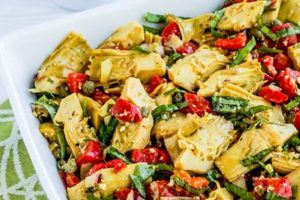
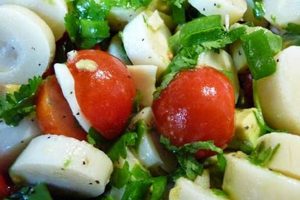
A simple dish featuring fresh mozzarella, ripe tomatoes, and often basil, seasoned with olive oil, salt, and pepper. Variations can include balsamic vinegar, pesto, or other herbs. A classic example involves sliced tomatoes and mozzarella arranged on a plate, drizzled with olive oil, and sprinkled with salt, pepper, and torn basil leaves.
This combination of ingredients highlights the fresh, vibrant flavors of summer. The creamy mozzarella complements the juicy sweetness of the tomatoes, while the basil adds a peppery, aromatic note. Its simplicity allows the quality of the ingredients to shine. Historically, similar salads likely originated in Italy, where these core ingredients are readily available. The dish offers a refreshing, light, and relatively low-calorie option, rich in vitamins and antioxidants.
Further exploration will cover variations, ingredient selection, preparation techniques, and serving suggestions for this versatile and popular culinary creation.
Tips for a Perfect Mozzarella and Tomato Salad
Elevating this simple salad requires attention to detail. These tips ensure optimal flavor and presentation.
Tip 1: Use High-Quality Ingredients: The success hinges on fresh, ripe ingredients. Seek flavorful, in-season tomatoes and fresh mozzarella, preferably stored in its brine.
Tip 2: Slice Evenly: Uniformly sliced tomatoes and mozzarella create a visually appealing presentation and ensure even distribution of flavors.
Tip 3: Season Properly: Seasoning is crucial. Use high-quality sea salt and freshly cracked black pepper. Add salt to the tomatoes separately to draw out excess moisture and concentrate their flavor.
Tip 4: Don’t Overcrowd the Plate: Allow space between the tomato and mozzarella slices for optimal visual appeal and to prevent the salad from becoming watery.
Tip 5: Add Fresh Basil Just Before Serving: Basil’s delicate flavor is best preserved by adding it just before serving. Tear the leaves instead of chopping to prevent bruising and browning.
Tip 6: Consider a Balsamic Glaze: A drizzle of high-quality balsamic glaze adds a touch of sweetness and acidity that complements the other flavors beautifully.
Tip 7: Serve at Room Temperature: Allow the mozzarella and tomatoes to come to room temperature before serving to enhance their flavors.
By following these tips, one can achieve a vibrant, flavorful salad that highlights the inherent qualities of fresh, simple ingredients.
These insights provide a foundation for creating a truly exceptional dish. Experimentation with variations and personal preferences further enhances the culinary experience.
1. Fresh, High-Quality Ingredients

Ingredient quality significantly impacts the overall success of a mozzarella and tomato salad. This dish, relying on a few simple components, necessitates the use of the freshest, highest-quality produce and seasonings to achieve optimal flavor and texture.
- Mozzarella Selection
Fresh mozzarella, ideally fior di latte (made with cow’s milk), provides a delicate, milky flavor and creamy texture crucial for balancing the acidity of the tomatoes. Avoid pre-shredded or low-moisture varieties, as these lack the desired texture and fresh taste. Look for mozzarella packed in brine or whey for optimal freshness. Buffalo mozzarella offers a richer, tangier alternative.
- Tomato Variety
Ripe, in-season tomatoes are essential. Heirloom varieties, with their diverse colors, shapes, and flavor profiles, provide complexity. Consider the sweetness and acidity balance of different tomato types. Beefsteak tomatoes offer a meaty texture, while cherry or grape tomatoes provide a burst of sweetness. Locally sourced tomatoes, when in season, generally offer superior flavor.
- Fresh Basil
Fresh basil contributes a peppery, aromatic element that complements the mozzarella and tomatoes. Choose vibrant green leaves, avoiding any with blemishes or signs of wilting. The flavor is best preserved by adding basil just before serving, tearing the leaves by hand rather than chopping.
- Olive Oil and Seasoning
Extra virgin olive oil, with its fruity and peppery notes, enhances the salad’s flavor profile. Use a high-quality oil and season with coarse sea salt and freshly cracked black pepper. The salt helps draw out excess moisture from the tomatoes, concentrating their flavor.
The synergistic effect of these high-quality components elevates the simplicity of the mozzarella and tomato salad. The focus on freshness ensures a vibrant, flavorful, and satisfying culinary experience, demonstrating that simplicity, when executed with quality ingredients, can be truly exceptional.
2. Proper Slicing Technique

Proper slicing technique contributes significantly to the overall enjoyment of a mozzarella and tomato salad. Uniform slices ensure even distribution of flavor and a pleasing visual presentation. Uneven slicing can lead to some bites being overwhelmingly dominated by tomato or mozzarella, disrupting the intended balance. Furthermore, thin, even slices allow for better integration of the olive oil, salt, pepper, and basil, maximizing flavor absorption and creating a harmonious blend of tastes and textures. For example, thickly sliced tomatoes release excess moisture, diluting the flavors and creating a watery salad. Similarly, uneven mozzarella slices can result in some bites lacking the creamy texture that balances the tomato’s acidity.
The practical significance of proper slicing extends beyond flavor. Consistent slice thickness contributes to a visually appealing presentation. Thinly and evenly sliced ingredients create a more elegant and refined aesthetic, enhancing the dining experience. This attention to detail elevates the dish from a simple combination of ingredients to a carefully constructed culinary creation. Consider the difference between a salad with thick, uneven chunks of tomato and mozzarella and one with delicate, uniform slices. The latter demonstrates care and attention, reflecting positively on the overall presentation and perceived quality.
In summary, proper slicing technique is an essential, albeit often overlooked, aspect of creating a successful mozzarella and tomato salad. It directly impacts flavor distribution, texture, and visual appeal. By understanding the importance of uniform slices, one can elevate this simple dish, ensuring a balanced and enjoyable culinary experience. This seemingly minor detail contributes significantly to the overall success and enjoyment of the salad, demonstrating the importance of precision and attention to detail in even the simplest of culinary endeavors.
3. Balanced Seasoning
Balanced seasoning is paramount in a mozzarella tomato salad recipe. The simplicity of the dish amplifies the impact of seasoning, making careful consideration of salt, pepper, and other flavor enhancers essential. Proper seasoning elevates the inherent flavors of the core ingredients without overpowering their delicate balance.
- Salt’s Role
Salt enhances the sweetness of ripe tomatoes and balances the richness of the mozzarella. It also draws out excess moisture from the tomatoes, concentrating their flavor and preventing a watery salad. Over-salting, however, can mask the delicate flavors of the fresh ingredients. Coarse sea salt or kosher salt is preferred for its texture and clean taste. Adding salt directly to the sliced tomatoes before combining them with the other ingredients allows for better flavor distribution and moisture control.
- Pepper’s Nuance
Freshly cracked black pepper adds a subtle heat and complexity. The type of pepper used can influence the final flavor profile. For example, black pepper offers a classic, robust flavor, while white pepper provides a milder, earthier note. Grinding peppercorns just before using releases their aromatic oils, maximizing their flavor contribution. A light hand is recommended, as too much pepper can overwhelm the other delicate flavors.
- Acidity’s Contribution
A touch of acidity brightens the flavors of the salad. A drizzle of high-quality balsamic vinegar or a squeeze of fresh lemon juice adds a tangy counterpoint to the richness of the mozzarella and sweetness of the tomatoes. However, excessive acidity can mask the subtle flavors of the core ingredients. Balance is crucial; the acidity should complement, not dominate, the overall flavor profile.
- Herbal Enhancements
Fresh herbs, particularly basil, enhance the aromatic complexity of the salad. Basil’s peppery, slightly sweet notes complement both the mozzarella and tomatoes. Other herbs, such as oregano or chives, can also be used, but sparingly, to avoid overwhelming the delicate flavor balance. Adding herbs just before serving preserves their fresh flavor and vibrant color.
The interplay of these seasoning elements is crucial for a successful mozzarella tomato salad. The goal is to enhance, not overpower, the natural flavors of the fresh ingredients. A balanced approach to seasoning creates a harmonious blend of flavors, textures, and aromas, resulting in a refreshing and satisfying culinary experience.
4. Artful Presentation

Visual appeal significantly enhances the enjoyment of a mozzarella tomato salad. Artful presentation elevates this simple dish, transforming it from a basic combination of ingredients into a visually engaging culinary experience. Consideration of color, texture, arrangement, and serving vessel contributes to the overall aesthetic and perceived quality.
- Color Palette
The vibrant colors of fresh mozzarella, ripe tomatoes, and green basil create a naturally appealing palette. Intentionally arranging these colors enhances visual interest. The contrast of the white mozzarella against the red tomatoes and deep green basil provides a striking visual. Incorporating different tomato varieties, such as yellow or orange heirloom tomatoes, further diversifies the color scheme and adds visual complexity. This attention to color creates a vibrant and appetizing presentation.
- Textural Contrast
The creamy texture of the mozzarella, the juicy texture of the tomatoes, and the delicate texture of the basil leaves offer a pleasing textural contrast. Slicing the mozzarella and tomatoes evenly ensures a consistent texture throughout the salad. Tearing basil leaves by hand, rather than chopping them, preserves their delicate texture and prevents bruising. This interplay of textures adds another layer of sensory enjoyment.
- Arrangement Techniques
Thoughtful arrangement elevates the presentation. Classic arrangements include alternating slices of mozzarella and tomato in an overlapping pattern or creating a layered effect. Incorporating smaller elements, like cherry tomatoes or small mozzarella balls, adds visual interest. Avoid overcrowding the plate; allow space between the ingredients to showcase their individual beauty and prevent the salad from becoming watery. The arrangement should be visually balanced and appealing.
- Serving Vessel Selection
The choice of serving vessel further contributes to the overall presentation. A simple white plate allows the vibrant colors of the salad to shine. Alternatively, a rustic wooden platter or a shallow bowl can create a more informal, Mediterranean feel. The serving vessel should complement the style of the salad and the overall dining experience. A carefully chosen serving dish enhances the visual impact and perceived quality of the salad.
These elements of artful presentation transform a simple mozzarella tomato salad into a visually captivating culinary creation. The combination of color, texture, arrangement, and serving vessel elevates the dining experience, demonstrating that visual appeal plays a crucial role in appreciating and enjoying even the simplest of dishes.
5. Optimal Mozzarella Selection
Optimal mozzarella selection significantly influences the success of a mozzarella tomato salad recipe. The mozzarella’s texture, moisture content, and flavor profile directly impact the salad’s overall balance and palatability. Choosing the correct type of mozzarella is crucial for achieving the desired outcome. For example, using a low-moisture mozzarella, typically found pre-shredded, results in a dry, rubbery texture that clashes with the juicy tomatoes. Conversely, fresh mozzarella, particularly fior di latte, offers a delicate, milky flavor and a soft, creamy texture that complements the tomatoes’ sweetness and acidity.
The practical implications of mozzarella selection extend beyond textural considerations. Flavor profiles vary significantly among mozzarella types. Fresh buffalo mozzarella, with its tangy, slightly salty flavor, offers a different experience compared to the milder, sweeter fior di latte. The choice depends on the desired flavor profile for the salad. A bolder, more assertive flavor may be achieved with buffalo mozzarella, while a milder, creamier profile is attained with fior di latte. Understanding these nuances allows for tailoring the salad’s flavor profile to specific preferences. Furthermore, the mozzarella’s moisture content affects the salad’s overall consistency. Excessive moisture from the mozzarella can lead to a watery salad, diluting the flavors and compromising the textural integrity. Properly stored fresh mozzarella, packed in its brine, offers the optimal balance of moisture and flavor.
In conclusion, optimal mozzarella selection is integral to a successful mozzarella tomato salad recipe. Careful consideration of texture, moisture content, and flavor profile ensures a harmonious blend of ingredients and a delightful culinary experience. Understanding the nuances of different mozzarella types empowers informed decision-making, ultimately leading to a more satisfying and flavorful salad. This seemingly simple ingredient choice has profound implications for the final product, demonstrating the significance of careful ingredient selection in achieving culinary excellence.
6. Tomato Variety Considerations
Tomato variety selection significantly influences the flavor profile, texture, and overall enjoyment of a mozzarella tomato salad. Different tomato varieties offer unique characteristics, impacting the salad’s sweetness, acidity, and visual appeal. Careful consideration of these characteristics allows for customization and optimization of the final dish.
- Acidity and Sweetness Balance
The balance between acidity and sweetness is crucial. Heirloom tomatoes, known for their diverse flavor profiles, offer a complex interplay of sweetness and tartness. For example, Brandywine tomatoes are known for their balanced sweetness and low acidity, while Green Zebra tomatoes offer a tangier, more acidic flavor. Choosing tomatoes with the desired balance enhances the interplay with the creamy mozzarella.
- Texture and Water Content
Tomato texture and water content impact the salad’s overall consistency. Beefsteak tomatoes, with their dense, meaty texture, hold their shape well, preventing the salad from becoming watery. Conversely, cherry or grape tomatoes, with their high water content, contribute juiciness but require careful balancing with the mozzarella. Understanding these textural variations allows for creating a salad with the desired consistency.
- Visual Appeal and Color Variation
Different tomato varieties offer a range of colors and shapes, enhancing the salad’s visual appeal. Red tomatoes provide a classic aesthetic, while yellow, orange, or even purple tomatoes add visual interest and complexity. The variety of colors and shapes can be strategically used to create a visually stunning and appetizing presentation. This visual element enhances the dining experience.
- Seasonality and Ripeness
Tomato flavor is at its peak when the tomatoes are ripe and in season. Locally sourced, in-season tomatoes generally offer superior flavor compared to out-of-season varieties. Selecting ripe tomatoes with vibrant color and a slight give ensures optimal flavor and sweetness. This attention to seasonality maximizes the taste potential of the salad.
These considerations highlight the integral role tomato variety selection plays in crafting a successful mozzarella tomato salad. The interplay of acidity, sweetness, texture, visual appeal, and seasonality ultimately determines the final dish’s quality and enjoyment. By carefully considering these factors, one can create a customized salad that perfectly balances flavors, textures, and visual appeal, resulting in a truly exceptional culinary experience.
7. Complementary Additions (Basil, Balsamic)

Complementary additions play a crucial role in enhancing the flavor profile of a mozzarella tomato salad recipe. While the core ingredients of mozzarella, tomatoes, and olive oil provide a foundational flavor base, carefully chosen additions elevate the dish, adding layers of complexity and nuance. Basil and balsamic vinegar, among other options, represent classic complementary additions that enhance the salad’s taste, aroma, and overall appeal.
- Fresh Basil’s Aromatic Contribution
Fresh basil contributes a distinctive peppery, slightly sweet aroma and flavor that complements both the creamy mozzarella and the acidic tomatoes. Its inherent freshness brightens the salad, adding a layer of complexity beyond the core ingredients. The slightly anise-like notes of basil create a harmonious counterpoint to the other flavors, preventing the salad from tasting bland or one-dimensional. Torn basil leaves, rather than chopped, offer optimal flavor release and visual appeal.
- Balsamic Vinegar’s Tangy Accent
Balsamic vinegar, particularly a high-quality aged balsamic glaze, provides a tangy, slightly sweet accent that balances the richness of the mozzarella and the sweetness of the tomatoes. The acidity of the balsamic cuts through the richness of the cheese and enhances the natural sweetness of the tomatoes. A judicious drizzle of balsamic glaze adds a touch of sophistication and elevates the salad’s flavor profile. Overuse, however, can overwhelm the delicate balance of flavors, so moderation is key.
- Other Herbs and Spices
Beyond basil, other herbs and spices can further enhance the flavor profile. Fresh oregano or chives offer subtle variations on the herbaceous theme. A pinch of red pepper flakes adds a touch of heat, while a sprinkle of dried oregano introduces an earthy note. These additions should be used sparingly to avoid overwhelming the delicate balance of flavors. Experimentation with different herbs and spices allows for customization and personalization of the salad.
- Olive Oil’s Foundational Role
While not strictly a “complementary addition,” the quality and type of olive oil significantly impact the salad’s overall flavor. Extra virgin olive oil, with its fruity and peppery notes, provides a robust foundation for the other flavors. The olive oil acts as a carrier for the other flavors, binding the ingredients together and enhancing their individual characteristics. Using a high-quality olive oil is essential for achieving optimal flavor and aroma.
These complementary additions, when used judiciously, elevate the mozzarella tomato salad from a simple combination of ingredients to a complex and nuanced culinary experience. The interplay of flavors, aromas, and textures creates a harmonious balance that satisfies the palate. Understanding the role and impact of each addition allows for informed decision-making and customization, ensuring a delightful and personalized culinary creation.
Frequently Asked Questions
This section addresses common inquiries regarding mozzarella tomato salad preparation and variations.
Question 1: Can low-moisture mozzarella be used?
Low-moisture mozzarella is not recommended. Its dense texture and lack of flavor detract from the salad’s intended freshness and delicate balance. Fresh mozzarella, packed in water or brine, offers superior flavor and texture.
Question 2: What type of tomato is best suited for this salad?
Ripe, in-season tomatoes offer optimal flavor. Heirloom varieties provide diverse flavor profiles, while beefsteak tomatoes contribute a meaty texture. Consider sweetness and acidity balance when selecting.
Question 3: How should basil be prepared for the salad?
Fresh basil leaves should be torn by hand just before serving. Chopping bruises the leaves and diminishes their delicate flavor and aroma. Tearing preserves the basil’s integrity and maximizes flavor release.
Question 4: Can balsamic glaze be substituted with balsamic vinegar?
While balsamic vinegar can be used, a balsamic glaze offers a more concentrated, sweeter flavor that complements the other ingredients. Regular balsamic vinegar may require reduction to achieve a similar consistency and flavor intensity.
Question 5: How can excess moisture in the salad be prevented?
Salting the sliced tomatoes separately before combining them with the mozzarella helps draw out excess moisture. Ensuring the mozzarella is adequately drained also prevents a watery salad. Avoid overdressing; a light drizzle of olive oil suffices.
Question 6: How long can the salad be stored?
This salad is best consumed immediately after preparation. The delicate flavors and textures of the fresh ingredients diminish with time. Storage is not recommended, as the tomatoes can release excess moisture and the basil can wilt, compromising the salad’s quality.
Understanding these aspects ensures optimal flavor, texture, and presentation, maximizing enjoyment of this classic dish.
The subsequent section offers additional tips and variations for enhancing this versatile salad.
Mozzarella Tomato Salad Recipe
Exploration of the mozzarella tomato salad recipe reveals the importance of ingredient quality, precise preparation, and artful presentation. Optimal flavor and texture derive from fresh, ripe tomatoes, high-quality mozzarella (preferably fior di latte), and fresh basil. Proper slicing techniques, balanced seasoning, and a considered arrangement contribute significantly to the final product. Complementary additions, such as balsamic glaze, enhance the inherent flavors without overpowering the delicate balance. Understanding these elements allows for consistent creation of a vibrant, flavorful dish.
The simplicity of this classic salad underscores the profound impact of ingredient selection and thoughtful execution. Emphasis on quality, freshness, and attention to detail elevates a seemingly basic combination of ingredients into a truly exceptional culinary experience. Further experimentation with variations and personalized adaptations promises continued enjoyment and exploration of this versatile and timeless dish.