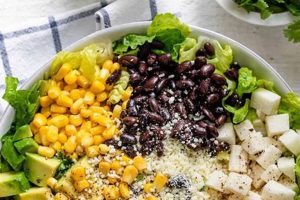
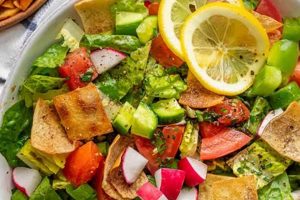
Dressings for salads inspired by Asian cuisine encompass a wide range of flavors and ingredients. These can vary from light and tangy vinaigrettes featuring ingredients like rice vinegar, ginger, and sesame oil, to creamy dressings based on peanut butter, coconut milk, or miso paste. A typical example might include soy sauce, lime juice, honey, and chili garlic sauce.
The versatility of these dressings allows for diverse culinary applications. They contribute not only to the flavor profile of a salad but can also enhance marinated meats, serve as dipping sauces, or add a finishing touch to noodle and rice dishes. The historical roots of these flavor combinations often lie in traditional culinary practices throughout Asia, reflecting the region’s diverse agricultural products and cultural preferences. Access to readily available recipes allows for a greater understanding and appreciation of these culinary traditions.
This exploration will delve into the core components of popular variations, discuss techniques for balancing flavors, and offer guidance on ingredient selection and preparation.
Tips for Crafting Exceptional Asian-Inspired Salad Dressings
Creating a flavorful and balanced dressing is essential for elevating any salad. These tips offer guidance on achieving optimal results when preparing Asian-inspired dressings.
Tip 1: Fresh Ingredients are Key: Using fresh ingredients, especially ginger, garlic, and herbs, significantly impacts the final flavor profile. Opting for fresh ingredients over pre-minced or powdered versions delivers a brighter, more vibrant taste.
Tip 2: Balance is Paramount: Asian cuisine frequently emphasizes a balance of sweet, sour, salty, and spicy elements. Achieving this balance in a dressing requires careful consideration of ingredient ratios. Start with small amounts and adjust to taste.
Tip 3: Oil Selection Matters: The type of oil used influences the dressing’s overall character. Sesame oil provides a nutty richness, while a neutral oil like grapeseed oil allows other flavors to shine. Consider the desired flavor profile when selecting an oil.
Tip 4: Emulsification Techniques: Proper emulsification ensures a smooth and creamy texture. Whisking ingredients vigorously or using a blender creates a stable emulsion, preventing separation and enhancing the mouthfeel.
Tip 5: Customization Encouraged: Adapting recipes to individual preferences is encouraged. Experiment with different types of vinegar, sweeteners, and chili pastes to create unique and personalized flavor combinations.
Tip 6: Taste as You Go: Tasting the dressing throughout the preparation process is crucial. This allows for adjustments to be made, ensuring the final product achieves the desired balance and intensity of flavors.
Tip 7: Proper Storage: Store leftover dressing in an airtight container in the refrigerator for up to a week. This preserves freshness and maintains the quality of the dressing.
By following these tips, one can consistently produce dressings that complement a variety of salads and other dishes, enhancing their overall culinary experience. These techniques provide a foundation for exploring the nuances of Asian-inspired cuisine and developing a deeper understanding of flavor profiles.
This exploration concludes with a summary of key takeaways and provides resources for further exploration of Asian culinary traditions.
1. Flavor Balance

Flavor balance stands as a cornerstone of successful Asian salad sauces. The interplay of fundamental tastessweet, sour, salty, umami, and sometimes spicycreates a dynamic and harmonious sensory experience. This balance distinguishes these sauces from other culinary traditions, where a single flavor might dominate. A well-executed Asian dressing avoids extremes, ensuring no single element overpowers the others. For example, the sweetness of mirin or honey is counterpointed by the acidity of rice vinegar or lime juice, while the saltiness of soy sauce or fish sauce provides a savory base. The addition of umami-rich ingredients like sesame oil, ginger, or garlic further enhances complexity. The careful calibration of these elements elevates the overall taste profile, making the salad more appealing and enjoyable.
Achieving this balance requires a nuanced understanding of ingredient interactions and proportions. The intensity of each flavor component must be considered. A sauce relying on fermented ingredients like fish sauce requires a different balancing approach than one based on citrus or vinegar. Regional variations also influence flavor profiles; Southeast Asian dressings often incorporate more pronounced sweetness and heat, while Japanese dressings tend towards a more subtle balance. Practical application of this understanding involves careful tasting and adjustment throughout the preparation process. Starting with small quantities of potent ingredients like chili paste allows for incremental additions until the desired level of intensity is reached. This iterative process ensures the final product exhibits a well-rounded and harmonious flavor profile.
Mastery of flavor balance unlocks the full potential of Asian salad sauces. It allows for the creation of dressings that not only complement the salad ingredients but also stand alone as complex and flavorful condiments. This principle extends beyond salads, influencing marinades, dips, and other culinary applications. While achieving perfect balance can be challenging, understanding the underlying principles and employing a thoughtful approach to ingredient selection and preparation significantly increases the likelihood of culinary success.
2. Ingredient Quality
Ingredient quality significantly impacts the final taste and overall experience of an Asian salad sauce. Fresh, high-quality ingredients elevate the flavor profile, offering a more nuanced and authentic taste compared to using lower-quality or processed substitutes. Understanding the role of specific ingredients and selecting them carefully is essential for crafting a superior sauce.
- Fresh Aromatics:
Fresh ginger, garlic, and chilies provide a vibrant foundation for many Asian salad sauces. Their flavors are more pronounced and complex when fresh, offering a depth that powdered or pre-minced versions lack. For example, fresh ginger offers a bright, pungent heat, while powdered ginger tends to be drier and less aromatic. This difference significantly impacts the overall flavor profile of the sauce.
- High-Quality Soy Sauce:
Soy sauce plays a crucial role in many Asian dressings, contributing saltiness and umami. The quality of soy sauce varies greatly; naturally brewed soy sauce offers a more complex and nuanced flavor compared to chemically produced alternatives. Using a superior soy sauce enhances the overall depth and balance of the dressing.
- Unrefined Oils:
Unrefined oils, such as sesame oil or peanut oil, contribute distinct flavors and aromas. Their quality directly influences the dressing’s character. For example, toasted sesame oil offers a rich, nutty flavor that complements Asian ingredients beautifully, while a lower-quality sesame oil may lack this depth.
- Fresh Herbs and Citrus:
Fresh herbs like cilantro, mint, and basil, along with fresh citrus juice, add brightness and vibrancy to Asian salad sauces. Their quality affects the final taste significantly. Freshly squeezed lime or lemon juice provides a cleaner, more vibrant acidity compared to bottled juice, and fresh herbs offer a more intense aroma and flavor.
The cumulative effect of using high-quality ingredients in an Asian salad sauce is undeniable. It translates to a more complex, nuanced, and flavorful dressing that elevates the overall dining experience. Investing in quality ingredients demonstrates a commitment to culinary excellence and ensures a more authentic and satisfying result. This attention to detail distinguishes an exceptional salad sauce from a mediocre one.
3. Cultural Influences

Cultural influences play a pivotal role in shaping the diverse landscape of Asian salad sauce recipes. These influences manifest in distinct flavor profiles, ingredient selections, and preparation techniques, reflecting the unique culinary traditions of various Asian regions. Understanding these cultural nuances provides valuable context for appreciating the complexity and depth of these sauces.
One key aspect of cultural influence lies in the balance of flavors. Southeast Asian cuisines, for example, often feature a harmonious blend of sweet, sour, spicy, and salty elements, exemplified by Thai and Vietnamese dressings. These frequently incorporate ingredients like fish sauce, lime juice, palm sugar, and chili garlic sauce, creating a vibrant and complex flavor profile. In contrast, Japanese dressings often emphasize a more subtle balance, with a focus on umami and a lighter touch of sweetness, commonly utilizing ingredients like soy sauce, mirin, rice vinegar, and sesame oil. These distinct flavor profiles reflect the regional preferences and culinary philosophies of each culture.
Ingredient selection also reveals deep cultural connections. The use of fermented ingredients like fish sauce in Southeast Asia, or fermented soybean products like miso and soy sauce in East Asia, illustrates how readily available resources and traditional preservation methods have shaped culinary practices over generations. Similarly, the prevalence of specific herbs and spices, such as lemongrass, galangal, and kaffir lime leaves in Thai cuisine, or ginger, garlic, and scallions in Chinese cuisine, reflects the unique agricultural landscapes and culinary heritages of these regions.
Furthermore, cultural influences extend to preparation techniques. The emphasis on pounding and grinding ingredients in traditional Southeast Asian cooking, for example, creates distinct textures and releases complex flavors not achievable through other methods. The careful layering of flavors in Japanese cuisine, where ingredients are often added sequentially to build depth, also demonstrates a culturally specific approach to flavor development.
Appreciating these cultural influences enhances the understanding and enjoyment of Asian salad sauces. It provides a deeper appreciation for the historical context, regional variations, and culinary ingenuity behind each recipe. This awareness allows for a more informed approach to ingredient selection, flavor balancing, and preparation techniques, ultimately leading to a more authentic and satisfying culinary experience.
4. Versatile Applications

The versatility of Asian salad sauces extends far beyond their namesake application. While they undoubtedly enhance salads, their complex flavor profiles and adaptable nature make them valuable assets in various culinary contexts. This versatility stems from the balanced interplay of sweet, sour, salty, and umami elements characteristic of many Asian cuisines. This balance allows these sauces to complement a wide range of ingredients and cooking methods, increasing their practical value in the kitchen.
One common application lies in marinades. The enzymes present in ingredients like ginger and garlic, combined with the acidity of vinegar or citrus juice, help tenderize meats while infusing them with flavor. For instance, a ginger-soy marinade can transform chicken or fish, adding depth and complexity before grilling, baking, or pan-frying. Similarly, peanut-based sauces, often used in satay preparations, offer a rich and savory marinade for meats and vegetables alike. Beyond marinades, these sauces can function as dipping sauces, adding a flavorful dimension to spring rolls, dumplings, or grilled skewers. The viscosity and flavor intensity of these sauces make them ideal accompaniments to these dishes, providing a contrasting element that enhances the overall culinary experience. Furthermore, these versatile sauces can be incorporated into stir-fries and noodle dishes, adding a layer of complexity and enhancing the existing flavors. A simple drizzle of sesame-ginger dressing can elevate a basic stir-fry, while a peanut sauce can transform plain noodles into a flavorful and satisfying meal.
Understanding the versatile applications of Asian salad sauces encourages culinary creativity and resourcefulness. It allows for a more holistic approach to cooking, where a single sauce can serve multiple purposes, minimizing waste and maximizing flavor. This adaptability proves particularly valuable in meal prepping and creating diverse menus with minimal effort. Recognizing the broader potential of these sauces beyond salads unlocks new culinary possibilities and contributes to a more dynamic and flavorful cooking experience.
5. Preparation Techniques

Preparation techniques significantly influence the final texture, flavor, and overall quality of Asian salad sauces. These techniques, ranging from basic whisking to more specialized methods like mortar and pestle grinding, directly impact the emulsification, ingredient integration, and flavor development within the sauce. Understanding these techniques is crucial for achieving the desired consistency and maximizing the flavor potential of the ingredients.
Emulsification, the process of combining two immiscible liquids like oil and vinegar into a stable mixture, is a frequent objective in preparing these sauces. Vigorous whisking or the use of a blender facilitates the creation of a smooth, homogenous emulsion, preventing separation and enhancing the mouthfeel. The choice of emulsifying agent, such as egg yolk or mustard, can also influence the stability and texture of the emulsion. For example, a creamy peanut sauce relies on the emulsifying properties of peanut butter to achieve its characteristic texture. Furthermore, the order in which ingredients are combined can affect the emulsification process. Adding oil slowly to the vinegar-based mixture while whisking continuously promotes a more stable emulsion. Beyond emulsification, techniques like mortar and pestle grinding allow for the extraction of intense flavors from ingredients such as herbs, spices, and aromatics. This traditional method releases essential oils and creates a depth of flavor not readily achievable through other means. For instance, grinding lemongrass, chilies, and garlic releases their aromatic compounds, resulting in a more complex and flavorful sauce.
Mastery of these techniques provides control over the final product. It enables the creation of sauces with varying textures, from light and vinaigrette-like to thick and creamy. This control is essential for tailoring the sauce to complement specific dishes and personal preferences. While some techniques, like whisking, require minimal equipment, others, like mortar and pestle grinding, demand specialized tools and greater skill. Regardless of complexity, understanding the underlying principles of each technique and practicing proper execution elevates the quality and consistency of the resulting Asian salad sauce, contributing to a more satisfying and authentic culinary outcome.
Frequently Asked Questions
This section addresses common inquiries regarding the preparation and utilization of Asian-inspired salad sauces.
Question 1: What is the shelf life of a homemade Asian salad dressing?
Homemade dressings typically last up to one week when stored in an airtight container in the refrigerator. Factors influencing shelf life include the specific ingredients and their inherent perishability.
Question 2: Can these sauces be used for dishes other than salads?
Absolutely. Their versatility extends to marinades for meat and tofu, dipping sauces for spring rolls and dumplings, and flavor enhancements for stir-fries and noodle dishes.
Question 3: How can excessive saltiness in a dressing be corrected?
Adding a touch of sweetness, such as a small amount of honey or sugar, or increasing the acidic component with vinegar or citrus juice can help balance excessive saltiness. Further dilution with a small amount of water may also be considered.
Question 4: What are common substitutes for fish sauce in vegetarian dressings?
Soy sauce, tamari, or mushroom sauce offer suitable alternatives for fish sauce in vegetarian applications, providing a similar umami element. Worcestershire sauce, though not strictly vegetarian, offers another option with a comparable savory depth.
Question 5: How can the spiciness level be adjusted in these sauces?
Start with a small amount of chili paste or flakes and gradually increase according to preference. Removing seeds from chilies before use also reduces heat. For prepared sauces, a touch of sweetness or acidity can help temper excessive spiciness.
Question 6: Where can one find authentic Asian ingredient sources?
Local Asian grocery stores often offer a wide selection of authentic ingredients at competitive prices. Online retailers specializing in Asian products also provide convenient access to a broader range of specialty items.
Understanding these key aspects of Asian salad sauce preparation and application helps ensure successful culinary outcomes.
The following section offers a collection of popular Asian salad sauce recipes, providing practical examples and detailed instructions.
Conclusion
Exploration of the multifaceted nature of dressings for Asian-inspired salads reveals the interplay of flavor balance, ingredient quality, cultural influences, versatile applications, and essential preparation techniques. Achieving a harmonious balance of sweet, sour, salty, and umami elements distinguishes successful recipes. Prioritizing fresh, high-quality ingredients elevates the sensory experience. Recognizing the cultural context behind specific ingredient choices and flavor profiles provides a deeper appreciation for culinary traditions. The adaptability of these dressings, extending beyond salads to marinades, dipping sauces, and stir-fry components, underscores their culinary value. Mastery of preparation techniques, from emulsification to ingredient grinding, ensures optimal texture and flavor development.
Culinary exploration benefits from an understanding of these core principles. Continued experimentation with diverse ingredients and techniques promises further development and refinement within the realm of Asian-inspired salad dressings, fostering a deeper appreciation for global culinary traditions and individual expression within the kitchen.