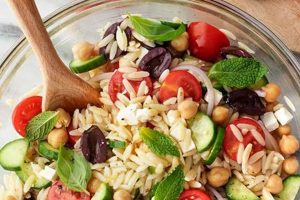
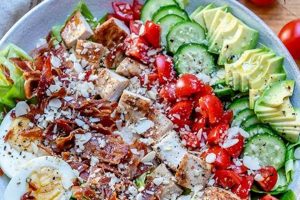
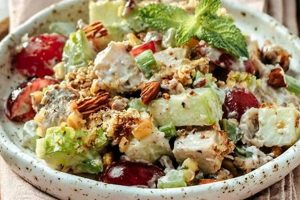
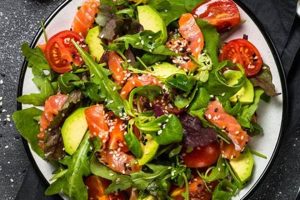
A visually appealing and practical approach to salad preparation involves arranging ingredients in distinct, often horizontal, layers within a clear container. This method allows for showcasing a variety of colors and textures, while also preventing delicate components from becoming soggy by keeping dressings separate until serving. A classic example features layers of lettuce, tomatoes, cucumbers, onions, hard-boiled eggs, bacon bits, and croutons, with dressing added just before consumption.
This construction offers several advantages. It extends the lifespan of prepared salads, making them ideal for potlucks or gatherings. The layered presentation also allows for individual customization of portions and dressing, catering to diverse preferences. Furthermore, the aesthetic appeal of these salads can elevate a simple meal or buffet, adding a touch of elegance. While the precise origin is difficult to pinpoint, the concept likely evolved alongside the increasing popularity of refrigeration and the desire for convenient yet attractive food preparation.
This article will further explore various aspects of creating these culinary delights, covering topics such as ingredient selection, layering techniques, dressing choices, and suitable occasions for serving.
Tips for Creating Layered Salads
Successful layered salads depend on careful planning and execution. The following tips offer guidance for optimal results.
Tip 1: Select Sturdy Containers: Straight-sided, clear glass or plastic containers showcase the layers effectively and provide stability. Avoid containers that taper inward, as they may restrict layering and serving.
Tip 2: Prioritize Ingredient Texture: Combine ingredients with varying textures for visual and culinary interest. Crisp lettuce, crunchy vegetables, and softer elements like beans or cheese create a balanced experience.
Tip 3: Consider Ingredient Density: Heavier ingredients, such as grains or cooked vegetables, should form the base layers for stability. Lighter ingredients, like leafy greens, are best placed towards the top.
Tip 4: Employ Strategic Layering: Arrange ingredients in visually distinct layers, emphasizing contrasting colors and shapes. This enhances the salad’s aesthetic appeal.
Tip 5: Manage Moisture Content: Prevent sogginess by keeping high-moisture ingredients separate. Place watery vegetables like tomatoes on a layer of drier ingredients, and add dressings just before serving.
Tip 6: Choose Complementary Dressings: Select a dressing that complements the chosen ingredients. Vinaigrettes are often preferred for layered salads, as they are less likely to weigh down the layers.
Tip 7: Prepare Ingredients in Advance: Pre-chop vegetables, cook grains, and prepare other components ahead of time for efficient assembly. This ensures a streamlined process, especially when preparing salads for larger groups.
By following these guidelines, one can achieve visually impressive and flavorful layered salads suitable for a variety of occasions, from casual lunches to elegant gatherings.
With these tips in mind, the subsequent sections will provide detailed examples and further explore the versatility of layered salads.
1. Visual Appeal

Visual appeal forms a cornerstone of a successful layered salad. The inherent structure of these salads, with distinct strata of ingredients, provides an opportunity to showcase a variety of colors and textures. This visual presentation elevates the dining experience, transforming a simple salad into a visually captivating dish. The deliberate arrangement of ingredients contributes to anticipation and enjoyment. A layered salad featuring vibrant red tomatoes, crisp green lettuce, bright yellow corn, and earthy brown beans exemplifies the power of visual contrast. This layered approach enhances the perceived freshness and quality of the ingredients, making the salad more enticing.
The impact of visual appeal extends beyond aesthetics. A visually appealing salad encourages consumption, particularly amongst children or those hesitant towards vegetables. The attractive presentation can also influence perceptions of flavor and satisfaction. For instance, a salad with artfully arranged layers of colorful vegetables may be perceived as more flavorful than the same ingredients tossed together. Furthermore, the visual clarity of the layered structure allows individuals to identify and select preferred ingredients, contributing to a more personalized and enjoyable dining experience. This aspect proves particularly valuable in buffet settings or when catering to diverse dietary preferences.
Achieving optimal visual appeal requires careful consideration of ingredient selection, color palettes, and layering techniques. Challenges can arise when attempting to maintain visual appeal alongside practicality and ingredient compatibility. For instance, while certain ingredients may offer striking visual contrasts, their textures or flavors may not harmonize. Overcoming this challenge requires a balance between aesthetic considerations and culinary principles. Ultimately, mastering the art of visual presentation in layered salads enhances their appeal and contributes to a more satisfying and enjoyable culinary experience.
2. Ingredient Selection
Ingredient selection plays a crucial role in the success of a layered salad, influencing its flavor profile, textural complexity, visual appeal, and overall balance. Strategic choices are essential to create a harmonious and satisfying culinary experience, taking into account factors such as ingredient compatibility, color contrast, and structural integrity.
- Flavor Compatibility
Flavor compatibility ensures that the chosen ingredients complement each other, creating a balanced and harmonious taste. Consider the interplay of sweet, savory, acidic, and bitter flavors. For instance, pairing sweet berries with tangy feta cheese and peppery arugula creates a balanced flavor profile. Ignoring flavor compatibility can result in a disjointed and unappetizing salad.
- Textural Variety
Textural variety adds depth and interest to a layered salad, preventing monotony. Incorporating a mix of crunchy, creamy, chewy, and soft elements enhances the overall sensory experience. A combination of crisp lettuce, crunchy croutons, creamy avocado, and chewy dried cranberries exemplifies this principle. Neglecting textural variety can lead to a bland and uninspiring salad.
- Visual Contrast
Visual contrast enhances the aesthetic appeal of a layered salad, making it more enticing. Choosing ingredients with varying colors and shapes creates a visually stimulating presentation. Layering vibrant red tomatoes, deep green spinach, bright yellow bell peppers, and purple cabbage exemplifies this concept. Ignoring visual contrast can diminish the salad’s attractiveness.
- Structural Integrity
Structural integrity ensures that the layered salad maintains its form and doesn’t collapse. Choosing ingredients with appropriate densities and textures prevents sogginess and maintains distinct layers. Placing denser ingredients like cooked grains or beans at the base and lighter ingredients like leafy greens towards the top contributes to structural stability. Failure to consider structural integrity can result in a messy and unappealing salad.
By carefully considering these facets of ingredient selection, one can create a layered salad that is not only visually appealing but also offers a complex and satisfying culinary experience. A thoughtful approach to ingredient selection elevates the layered salad from a simple dish to a carefully crafted culinary creation.
3. Layering Technique

Layering technique constitutes a critical element within layered salad recipes. The technique directly influences the final product’s structural integrity, flavor profile, and aesthetic presentation. Improper layering can lead to premature sogginess, flavor muddling, and an unappetizing appearance. Conversely, a well-executed layering technique maximizes ingredient freshness, preserves individual flavors, and creates a visually appealing dish. Consider a classic seven-layer salad: strategically placing the heavier ingredients like peas and beans at the base provides a foundation for lighter components such as lettuce and croutons, preventing the lettuce from being crushed and the croutons from absorbing moisture from the vegetables below. This method maintains the desired texture of each component and promotes a balanced flavor distribution throughout the salad.
Effective layering techniques often involve considering ingredient density and moisture content. Denser ingredients, such as grains or cooked vegetables, typically form the base layer, providing stability. Lighter, more delicate ingredients, such as leafy greens or herbs, occupy the upper layers. This arrangement minimizes ingredient compression and preserves textural integrity. Furthermore, separating high-moisture ingredients from those prone to absorbing moisture prevents premature wilting or sogginess. For example, placing a layer of absorbent vegetables like cucumbers on top of a layer of juicy tomatoes helps contain excess moisture, maintaining the crispness of other ingredients. This deliberate sequencing ensures that each ingredient remains distinct and contributes to a balanced overall texture.
In conclusion, mastery of layering techniques is essential for successful layered salad preparation. This expertise affects not only the structural stability of the salad but also influences the preservation of flavor and the final aesthetic presentation. Strategic ingredient placement based on density and moisture content ensures that the salad remains visually appealing, maintains textural integrity, and delivers a balanced and enjoyable culinary experience. Challenges may arise when working with particularly delicate or moisture-rich ingredients. However, careful consideration and adaptation of layering strategies can mitigate these challenges, ultimately resulting in a layered salad that exemplifies both culinary skill and aesthetic appeal.
4. Freshness
Freshness represents a cornerstone of successful layered salads. The concept extends beyond mere ingredient quality to encompass the preservation of optimal texture, flavor, and visual appeal throughout the layered structure. Ingredient selection prioritizes peak-season produce and high-quality proteins, minimizing the use of processed or pre-packaged components. This emphasis on fresh ingredients enhances the salad’s nutritional value and contributes to a more vibrant and satisfying culinary experience. A layered salad featuring freshly picked spinach, ripe tomatoes, and recently grilled chicken breast exemplifies this commitment to freshness. Conversely, a layered salad incorporating wilted lettuce or overripe vegetables compromises the overall quality and diminishes the intended culinary impact.
The layered structure itself plays a crucial role in preserving freshness. Strategic layering techniques minimize ingredient contact and prevent premature moisture absorption. Separating high-moisture components, such as tomatoes, from delicate greens prevents sogginess and maintains textural integrity. Furthermore, adding dressings just prior to serving ensures that the ingredients remain crisp and flavorful. This approach preserves the individual characteristics of each component, contributing to a more dynamic and enjoyable sensory experience. Consider a layered salad with a base of cooked quinoa, followed by a layer of roasted vegetables, topped with fresh herbs and a light vinaigrette added just before consumption. This method maintains the distinct flavors and textures of each layer, showcasing the benefits of prioritizing freshness in layered salad preparation.
Maintaining freshness in layered salads presents certain challenges, particularly for large-scale preparation or extended storage. Careful planning, proper storage techniques, and attention to ingredient selection are essential to mitigate these challenges. Despite these complexities, the pursuit of freshness remains paramount. Freshness elevates the layered salad from a simple combination of ingredients to a vibrant and flavorful culinary creation. This dedication to freshness not only enhances the sensory experience but also contributes to the nutritional value and overall satisfaction derived from this versatile culinary format.
5. Flavor Balance

Flavor balance stands as a critical component in layered salad recipe construction. A successful layered salad delivers a harmonious blend of tastes, ensuring no single flavor dominates the overall profile. This balance requires careful consideration of the interplay between sweet, sour, salty, bitter, and umami elements. For instance, a layered salad featuring sweet roasted beets, tangy goat cheese, peppery arugula, and salty walnuts demonstrates a well-executed flavor balance. The sweetness of the beets complements the tanginess of the goat cheese, while the peppery arugula provides a contrasting bitterness, and the salty walnuts add a savory dimension. Without this careful orchestration, the salad could become overly sweet, excessively tangy, or dominated by a single flavor note, diminishing the overall culinary experience.
Achieving flavor balance requires understanding ingredient interactions. Some ingredients enhance each other, while others clash. Pairing complementary flavors, such as tomatoes and basil, creates synergy, while combining conflicting flavors, such as oranges and blue cheese, can result in a disharmonious taste. Layering also influences flavor perception. Placing certain ingredients adjacent to one another can either enhance or mute their respective flavors. For example, layering acidic ingredients next to milder ones can intensify the milder flavors, while layering similar flavors can create a more unified taste. Understanding these nuances allows for strategic layering to maximize flavor impact and create a well-rounded sensory experience. A layered salad with a base of creamy avocado, followed by a layer of spicy jalapenos, topped with cooling cucumber and a drizzle of lime vinaigrette exemplifies this principle, with each layer contributing to the overall flavor balance.
In summary, flavor balance serves as a defining characteristic of a well-crafted layered salad. It necessitates a thoughtful approach to ingredient selection, considering individual flavor profiles and potential interactions. Strategic layering techniques further enhance flavor balance, ensuring a harmonious and satisfying culinary experience. Challenges arise when incorporating a wide variety of ingredients, requiring careful calibration to avoid flavor imbalances. However, a well-balanced layered salad offers a complex and nuanced taste experience, showcasing the interplay of flavors and textures in a visually appealing format. This understanding elevates layered salad preparation beyond mere assembly to a considered culinary endeavor.
6. Dressing Choice

Dressing choice significantly impacts the overall success of a layered salad recipe. The dressing not only contributes flavor but also influences texture and structural integrity. An appropriate dressing complements the chosen ingredients, enhancing their individual characteristics without overpowering the overall flavor profile. Furthermore, the timing of dressing application plays a crucial role. In layered salads, dressings are typically added just prior to serving to prevent premature wilting or sogginess of delicate ingredients. Consider a layered salad featuring grilled chicken, avocado, tomatoes, and mixed greens. A light vinaigrette complements these ingredients without masking their individual flavors, while adding the vinaigrette just before serving maintains the crispness of the greens and prevents the avocado from browning.
The viscosity and flavor profile of the dressing should align with the layered salad’s composition. Thicker, creamier dressings might weigh down delicate greens, while lighter vinaigrettes offer a more complementary textural contrast. Flavor-wise, a tangy vinaigrette enhances a salad with fresh vegetables and herbs, whereas a creamy ranch dressing might better suit a salad with roasted vegetables and grilled meats. Selecting a dressing that clashes with the salad’s ingredients can result in a disharmonious flavor profile. For instance, a sweet fruit-based dressing might not complement a savory salad with roasted vegetables and feta cheese. Conversely, a robust balsamic vinaigrette might overpower a delicate salad with fresh berries and spinach. Understanding these nuances ensures a balanced and enjoyable culinary experience.
In conclusion, dressing choice represents a critical decision in layered salad preparation. It impacts not only the flavor profile but also the textural integrity and overall presentation. Selecting a dressing that complements the chosen ingredients and applying it at the appropriate time are crucial for maximizing the salad’s freshness and appeal. Challenges arise when balancing flavor intensity and textural compatibility. However, thoughtful consideration of these factors ensures the dressing enhances, rather than detracts from, the layered salad’s culinary potential. This understanding allows for a more nuanced approach to layered salad construction, transforming it from a simple assembly process into a deliberate culinary endeavor.
7. Serving Container

The serving container plays a crucial role in the overall presentation and practicality of a layered salad recipe. The container’s material, shape, and size directly influence the visual appeal, ease of serving, and preservation of the layered structure. A well-chosen container enhances the aesthetic presentation, while a poorly chosen one can detract from the salad’s visual appeal and compromise its structural integrity. The following facets explore the key considerations regarding serving containers for layered salads.
- Material
The container’s material impacts both the visual presentation and practicality of the salad. Clear glass or plastic containers showcase the layered ingredients effectively, allowing for an appreciation of the colors and textures. These materials also offer ease of cleaning and storage. Conversely, opaque containers obscure the layered presentation, diminishing the visual appeal. Additionally, certain materials, such as metal, may react with acidic ingredients, affecting the salad’s flavor.
- Shape
The container’s shape influences both the layering process and the ease of serving. Straight-sided containers facilitate even layering and allow for clean removal of portions. Containers with sloping sides or complex shapes may complicate layering and serving, potentially disrupting the carefully arranged layers. A tall, cylindrical container suits salads with distinct horizontal layers, while a wider, shallower container accommodates salads with more complex layering patterns.
- Size
The container’s size should correspond to the quantity of salad being prepared. An overly large container for a small salad creates a sparse appearance, while an overly small container for a large salad compresses the layers and compromises the presentation. Choosing the appropriate size ensures the layered structure remains intact and visually appealing.
- Functionality
Beyond aesthetics, the container’s functionality plays a crucial role in serving and storage. Containers with wide openings facilitate serving, while airtight lids preserve freshness for longer periods. Features such as serving spoons or individual compartments for dressings further enhance practicality, particularly for large gatherings or potlucks.
The serving container, therefore, represents a crucial element in the layered salad equation. It contributes not only to the visual presentation but also to the practicality and preservation of the layered structure. Careful consideration of the container’s material, shape, size, and functionality ensures that it complements the salad, enhancing its aesthetic appeal and facilitating a satisfying dining experience. Selecting the appropriate container elevates the layered salad from a simple dish to a carefully considered culinary creation, demonstrating attention to detail and a commitment to both visual and culinary excellence.
Frequently Asked Questions
This section addresses common inquiries regarding layered salads, providing concise and informative responses to facilitate a deeper understanding of this culinary approach.
Question 1: What is the primary advantage of a layered salad?
The primary advantage lies in its ability to preserve the freshness and texture of individual ingredients. Keeping components separate until serving prevents premature sogginess and allows for customized dressing application.
Question 2: How long can a layered salad be stored?
Storage duration varies depending on the ingredients. Generally, a layered salad can be stored for 2-3 days in a refrigerator, provided the dressing is added just prior to serving. Salads containing highly perishable ingredients, such as cooked meats or seafood, should be consumed within 24 hours.
Question 3: What are the best containers for layered salads?
Clear glass or plastic containers with straight sides are ideal. These containers showcase the layered presentation effectively and facilitate even distribution of ingredients. Airtight lids are essential for maintaining freshness during storage.
Question 4: Can layered salads be transported easily?
Transportability depends on the container and the structural integrity of the salad. Selecting a sturdy container with a secure lid minimizes the risk of spills or layer disruption during transport. Avoiding overly watery ingredients also enhances transportability.
Question 5: Are layered salads suitable for large gatherings?
Layered salads are well-suited for large gatherings. They offer a visually appealing presentation, allow for individual customization, and can be prepared in advance, simplifying serving logistics.
Question 6: What are some common mistakes to avoid when creating a layered salad?
Common mistakes include overfilling the container, using overly watery ingredients, adding dressing too early, and neglecting flavor balance. Careful planning and attention to ingredient selection mitigate these potential issues.
Understanding these frequently asked questions facilitates successful layered salad creation and ensures a satisfying culinary experience. This knowledge empowers individuals to approach layered salad preparation with confidence and creativity.
This concludes the frequently asked questions section. The following section will offer concluding remarks on the art of layered salad creation.
Layered Salad Recipe
This exploration of layered salad recipes has highlighted the multifaceted nature of this culinary approach. From ingredient selection and layering techniques to dressing choices and serving containers, each element contributes to the final product’s success. Emphasis has been placed on the importance of balancing flavors, textures, and visual appeal to create a harmonious and satisfying dining experience. The strategic arrangement of ingredients not only preserves freshness but also elevates the salad’s aesthetic presentation, transforming a simple dish into a culinary centerpiece. Understanding the interplay of these elements allows for a more nuanced approach to layered salad creation, moving beyond mere assembly to a deliberate act of culinary artistry.
Layered salad recipes offer a versatile and adaptable format for culinary expression. The principles discussed herein provide a foundation for experimentation and innovation, encouraging exploration of diverse flavor profiles, textures, and presentations. This approach empowers individuals to personalize their culinary creations, catering to individual preferences and dietary needs. The potential for creativity within this seemingly simple format remains vast, offering endless opportunities to refine techniques, explore novel ingredient combinations, and elevate the layered salad to new heights of culinary excellence.