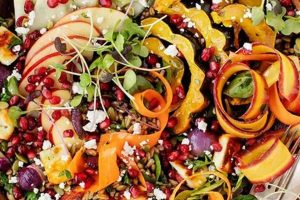
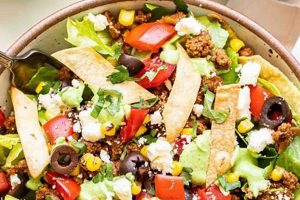
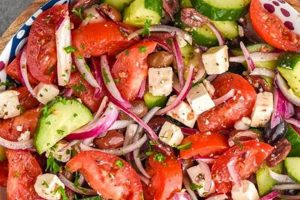
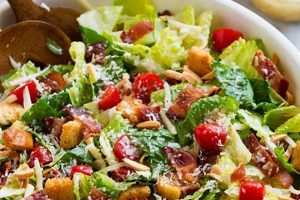
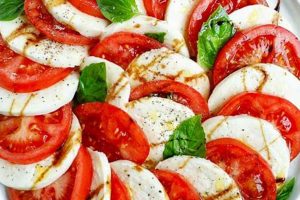
A vinaigrette is an emulsion of oil and an acid, most commonly vinegar, often flavored with herbs, spices, and other ingredients. These mixtures form the foundation for dressings used to enhance a wide array of salads featuring fresh produce, grains, legumes, proteins, or combinations thereof. A classic example combines olive oil, red wine vinegar, Dijon mustard, salt, and pepper.
Versatile and adaptable, such dressings offer a healthy and flavorful way to enjoy a variety of ingredients. Their relatively low caloric density compared to creamy dressings makes them a popular choice for health-conscious individuals. Historically, vinaigrettes have played a crucial role in culinary traditions worldwide, adapting to regional palates and available ingredients. From simple blends to complex flavor profiles, their enduring appeal lies in their ability to elevate simple ingredients into a satisfying dish.
This article will explore the core components of successful vinaigrette preparation, including the selection of oils and acids, the art of emulsification, and the incorporation of diverse flavoring agents. Furthermore, it will showcase the versatility of these dressings through a range of recipe examples, highlighting variations suitable for different cuisines and dietary preferences.
Tips for Crafting Exceptional Vinaigrettes
Creating a delicious vinaigrette involves understanding a few key principles. These guidelines ensure consistent results and offer a foundation for experimentation.
Tip 1: Quality Ingredients Matter: The foundation of any good vinaigrette lies in the quality of its components. Opt for extra virgin olive oil for its robust flavor and health benefits. Select flavorful vinegars such as red wine vinegar, balsamic vinegar, or apple cider vinegar. Fresh herbs and spices elevate the final product.
Tip 2: Balance is Key: The ideal vinaigrette achieves a harmonious balance between oil and acid. A standard ratio is 3:1 (oil to vinegar), but this can be adjusted to personal preference. Taste and adjust as needed.
Tip 3: Emulsification Ensures Cohesion: Proper emulsification prevents the vinaigrette from separating. Whisk the ingredients vigorously or use a blender to create a stable, creamy texture.
Tip 4: Seasoning Enhances Flavor: Seasoning is crucial. Salt and freshly ground black pepper are essential, but consider additions like Dijon mustard, minced garlic, or honey for added depth.
Tip 5: Fresh Herbs and Spices Add Complexity: Incorporate fresh herbs like chives, parsley, or thyme, or add a pinch of red pepper flakes for a subtle kick. Experiment with different flavor combinations to complement specific salad ingredients.
Tip 6: Taste and Adjust: Before dressing the salad, taste the vinaigrette and adjust the seasoning or balance of oil and vinegar as needed. Palates vary, so customization is encouraged.
Tip 7: Store Properly: Store leftover vinaigrette in an airtight container in the refrigerator for up to a week. Shake well before using as some separation may occur.
By following these tips, one can consistently create flavorful, balanced vinaigrettes that enhance any salad. Mastering the art of vinaigrette preparation opens up a world of culinary possibilities.
With a firm grasp of these fundamental techniques, the subsequent sections will delve into specific recipe examples, showcasing the diverse applications and flavor profiles achievable through the versatile medium of the vinaigrette.
1. Oil Selection
Oil forms the foundation of a vinaigrette, influencing its flavor, texture, and overall character. The choice of oil significantly impacts the final taste and how the dressing interacts with other salad components. Selecting the appropriate oil is crucial for creating a well-balanced and flavorful vinaigrette.
- Flavor Profile
Different oils possess distinct flavor profiles, ranging from mild and neutral to robust and assertive. Extra virgin olive oil offers a peppery, fruity taste, while avocado oil provides a buttery, smooth flavor. Neutral oils like grapeseed or canola oil allow other ingredients to shine. The oil’s flavor profile should complement the other vinaigrette components and the salad ingredients themselves.
- Texture and Body
Oil viscosity contributes to the vinaigrette’s texture. A thicker oil like extra virgin olive oil creates a richer, more substantial dressing, whereas lighter oils like walnut or hazelnut oil produce a thinner consistency. The desired texture depends on the overall composition of the salad.
- Health Considerations
Various oils offer different nutritional benefits. Olive oil is rich in monounsaturated fats, while flaxseed oil provides omega-3 fatty acids. Considering the health implications of different oils can influence selection. However, flavor and texture should remain primary considerations for vinaigrette preparation.
- Cost and Availability
Certain oils are more readily available and affordable than others. While specialty oils can impart unique flavors, everyday oils like canola or vegetable oil provide a cost-effective base for vinaigrettes. Balancing quality and budget influences oil selection.
The interplay between these factors determines the ultimate success of the vinaigrette. A thoughtful approach to oil selection ensures the dressing complements the other ingredients, creating a harmonious and flavorful salad experience. Ultimately, the best oil for a vinaigrette depends on the desired flavor profile, texture, and the overall balance of the salad.
2. Acid Choice
Acid choice is paramount in vinaigrette preparation, directly influencing the final flavor profile and balance of the dressing. The selected acid provides the necessary counterpoint to the richness of the oil, creating a harmonious blend of flavors. Different acids offer unique characteristics, impacting the overall culinary experience. This careful selection is fundamental to a successful vinaigrette.
Vinegars, citrus juices, and even certain fruit purees can serve as the acidic component. Each option contributes distinct flavor nuances. For example, red wine vinegar imparts a robust, tangy flavor, while balsamic vinegar offers a sweeter, more complex profile. Lemon juice provides a bright, citrusy note, while lime juice adds a zesty, tropical touch. Understanding these nuances allows for tailored flavor combinations that complement specific salad ingredients. A light vinaigrette with lemon juice and olive oil enhances delicate greens and seafood, whereas a balsamic vinaigrette complements heartier salads with roasted vegetables or cheese. The interplay between the acid and other ingredients creates a dynamic flavor profile.
The concentration of acid is equally crucial. Using overly acidic ingredients can overwhelm the other flavors, while insufficient acidity results in a bland, unbalanced dressing. Achieving the proper balance is key to a successful vinaigrette. Practical experimentation is often necessary to determine the optimal ratio of acid to oil for a given recipe. Factors such as the specific type of acid, the desired intensity of flavor, and the other ingredients in the vinaigrette all contribute to this balance. Mastering this aspect of vinaigrette preparation is essential for creating dressings that enhance, rather than overpower, the other salad components.
3. Flavor Balancing
Flavor balancing is paramount in crafting successful vinaigrette salad recipes. A harmonious blend of sweet, sour, salty, bitter, and umami elements elevates a simple vinaigrette into a complex and satisfying dressing. This careful orchestration of tastes transforms individual components into a unified, flavorful whole. The interplay of these elements is crucial; an overly acidic vinaigrette overwhelms the palate, while a bland dressing fails to enhance the salad’s other components. Consider a classic vinaigrette: the acidity of the vinegar is balanced by the sweetness of a touch of honey, while salt enhances the overall flavor profile and a pinch of black pepper adds a subtle bite. This balance ensures no single flavor dominates, creating a harmonious culinary experience.
Understanding the relationship between different flavor profiles and specific salad ingredients allows for tailored vinaigrette creations. A bright, citrusy vinaigrette complements delicate greens and seafood, whereas a richer, balsamic-based dressing enhances roasted vegetables or stronger cheeses. For instance, a salad featuring grilled salmon and asparagus benefits from a lemon-dill vinaigrette; the citrus notes harmonize with the salmon, while the dill provides an herbaceous counterpoint to the asparagus. In contrast, a salad with roasted beets and goat cheese pairs well with a walnut vinaigrette; the nutty, earthy flavors of the walnuts complement the beets, while the tangy goat cheese balances the richness of the dressing. These examples demonstrate the practical significance of flavor balancing in elevating vinaigrette salad recipes.
Mastery of flavor balancing in vinaigrette preparation hinges on thoughtful ingredient selection and careful adjustment. No single formula dictates the perfect balance; each recipe requires individual attention. Continual tasting and refinement are crucial. A well-balanced vinaigrette enhances the overall dining experience, transforming a simple salad into a memorable culinary creation. This nuanced understanding of flavor dynamics distinguishes a truly exceptional vinaigrette from a merely adequate one.
4. Ingredient Pairing

Ingredient pairing is essential for creating harmonious and flavorful vinaigrette salad recipes. Thoughtful combinations of ingredients elevate the salad beyond a simple sum of its parts, resulting in a cohesive and satisfying culinary experience. The interplay between the vinaigrette’s components and the salad’s ingredients is crucial. A well-paired vinaigrette complements and enhances the flavors of the other elements, creating a balanced and delicious dish.
- Complementary Flavors
The principle of complementary flavors guides ingredient selection. Pairing ingredients with similar flavor profiles creates a cohesive taste experience. For example, a citrus vinaigrette with lemon and orange zest harmonizes with a salad containing grapefruit segments and avocado. Similarly, a berry vinaigrette complements a salad with fresh berries and feta cheese. These combinations create a sense of balance and reinforce the dominant flavor profile.
- Contrasting Flavors
Strategic use of contrasting flavors adds depth and complexity to vinaigrette salad recipes. Pairing ingredients with opposing flavor profiles creates a dynamic and engaging taste experience. A tangy vinaigrette with Dijon mustard and red wine vinegar provides a counterpoint to the richness of a salad with roasted vegetables and creamy goat cheese. The interplay of contrasting flavors prevents the salad from becoming monotonous and adds an element of surprise.
- Textural Harmony
Texture plays a significant role in ingredient pairing. Combining ingredients with different textures creates a multi-sensory experience. A crunchy salad with nuts and seeds benefits from a creamy vinaigrette made with tahini or avocado. Conversely, a salad with soft ingredients like tomatoes and mozzarella pairs well with a vinaigrette that offers a textural contrast, such as one with toasted breadcrumbs or croutons. The interplay of textures adds interest and elevates the overall dining experience.
- Seasonal Considerations
Seasonality influences ingredient pairing in vinaigrette salad recipes. Utilizing fresh, seasonal produce enhances the flavor and nutritional value of the salad. A spring salad with fresh peas and asparagus pairs well with a light and herbaceous vinaigrette featuring mint and chives. A summer salad with ripe tomatoes and cucumbers benefits from a basil and balsamic vinaigrette. These seasonal pairings highlight the natural flavors of the produce and reflect the culinary possibilities of each season.
Considering these facets of ingredient pairing elevates vinaigrette salad recipes from simple to exceptional. The interplay of complementary and contrasting flavors, textural harmony, and seasonal considerations creates a cohesive and memorable dining experience. By understanding these principles, one can craft vinaigrette salads that are not only delicious but also visually appealing and nutritionally balanced.
5. Emulsification Technique

Emulsification is crucial for creating successful vinaigrette salad recipes. A stable emulsion prevents the oil and acid components from separating, ensuring a cohesive and flavorful dressing. This process involves dispersing tiny droplets of one liquid (the dispersed phase) within another liquid (the continuous phase) with which it is immiscible. In a vinaigrette, the oil typically serves as the dispersed phase, while the vinegar acts as the continuous phase. Effective emulsification creates a homogenous mixture, preventing the oil from pooling on the surface of the salad, ensuring even flavor distribution and enhancing the overall sensory experience. Without proper emulsification, the vinaigrette’s texture becomes uneven and the flavors unbalanced, detracting from the salad’s overall quality.
Several techniques achieve emulsification in vinaigrettes. Whisking vigorously by hand creates a temporary emulsion, sufficient for immediate use. For greater stability, a blender or food processor provides more consistent results, particularly for vinaigrettes incorporating additional ingredients like herbs, spices, or emulsifying agents such as mustard or honey. These agents contain compounds that facilitate the stable integration of oil and acid, promoting a longer-lasting emulsion. For example, the lecithin in egg yolks (used in some vinaigrettes) acts as a natural emulsifier, allowing for a thicker, creamier texture and enhanced stability. The choice of technique depends on the desired consistency and the recipe’s specific requirements. A thicker vinaigrette, such as one for potato salad, may benefit from the use of a blender and an emulsifying agent, while a lighter vinaigrette for a delicate green salad might require only a simple whisk.
Understanding emulsification’s role in vinaigrette preparation allows for greater control over the final product’s texture and flavor. A stable emulsion ensures consistent flavor distribution, enhancing the overall dining experience. The choice of emulsification technique directly influences the vinaigrette’s stability and its interaction with other salad components. Selecting the appropriate method, based on the recipe’s specific requirements and desired outcome, contributes significantly to the creation of a balanced and delicious vinaigrette. This understanding of emulsification empowers culinary creativity and ensures a consistently high-quality salad dressing.
Frequently Asked Questions
This section addresses common inquiries regarding vinaigrette preparation and usage, offering practical guidance for achieving optimal results.
Question 1: How long can a vinaigrette be stored?
Properly stored vinaigrettes typically last for up to one week in an airtight container in the refrigerator. Separation may occur; shaking well before use re-emulsifies the mixture.
Question 2: Can vinaigrettes be frozen?
Freezing is not recommended. Freezing alters the texture and flavor of the vinaigrette, often resulting in an undesirable consistency upon thawing.
Question 3: What is the standard oil-to-vinegar ratio?
A common ratio is 3:1 (oil to vinegar). However, this ratio can be adjusted based on personal preference and the specific types of oil and vinegar used.
Question 4: How can one prevent vinaigrette from separating?
Vigorous whisking creates a temporary emulsion. For increased stability, a blender or food processor, or the addition of an emulsifying agent like mustard or honey, is recommended.
Question 5: What are common substitutes for vinegar in a vinaigrette?
Citrus juices, such as lemon or lime juice, provide a viable alternative to vinegar. Other options include fruit purees or even yogurt, depending on the desired flavor profile.
Question 6: How can one adjust the flavor of a vinaigrette that is too acidic?
Adding a small amount of sweetener, such as honey or maple syrup, can balance excessive acidity. Alternatively, incorporating more oil can help mellow the overall flavor.
Understanding these common inquiries provides a foundation for consistent and successful vinaigrette preparation. Experimentation and adaptation to individual preferences are encouraged.
The following sections offer specific vinaigrette recipes, showcasing the practical application of the principles and techniques discussed herein.
Vinaigrette Salad Recipes
This exploration of vinaigrette salad recipes has highlighted the crucial elements contributing to their success. From the foundational selection of oils and acids to the nuanced art of flavor balancing and emulsification, each step plays a vital role in crafting a harmonious and delicious final product. Ingredient pairing, informed by complementary and contrasting flavors, textures, and seasonal considerations, further elevates the vinaigrette from a simple dressing to a culinary statement. Understanding these principles empowers culinary creativity and ensures consistently exceptional results.
The versatility of vinaigrettes offers a vast landscape for culinary exploration. Continued experimentation with diverse ingredients and flavor profiles promises exciting new possibilities. The ability to adapt vinaigrettes to individual palates and dietary preferences further underscores their enduring appeal. By embracing the principles and techniques discussed herein, individuals can elevate simple salads into memorable culinary experiences, transforming everyday meals into celebrations of flavor and freshness.