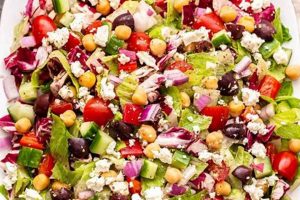
A vibrant and refreshing dish, this typically combines shredded carrots with a vinaigrette dressing. Variations may include ingredients such as Dijon mustard, shallots, herbs like parsley or chives, and sometimes raisins or walnuts. A simple combination of oil, vinegar, salt, and pepper can also create a delicious and authentic flavor profile.
This salad offers a light and healthy side dish, complementing a range of main courses. Carrots provide beta-carotene, an important source of Vitamin A. The vinaigrette contributes healthy fats and the potential for added flavor complexity through herbs and spices. This culinary creation reflects a classic element of French cuisine, emphasizing fresh ingredients and simple yet elegant preparations.
The following sections will explore specific ingredient choices, preparation techniques, and variations to achieve the perfect balance of flavor and texture. Further discussion will address serving suggestions and complementary dishes to enhance dining experience.
Tips for a Perfect Carrot Salad
Achieving optimal flavor and texture requires attention to detail. These tips offer guidance for creating a truly exceptional carrot salad.
Tip 1: Grate carrots uniformly. Consistent size ensures even coating with the vinaigrette and contributes to a pleasant mouthfeel. A box grater or food processor with a grating attachment provides best results.
Tip 2: Macerate the carrots. A brief soak in the vinaigrette tenderizes the carrots and allows them to absorb the flavors more fully. Ten to fifteen minutes is generally sufficient.
Tip 3: Balance acidity and sweetness. The vinaigrette should achieve a harmonious balance. Adjust vinegar and sweetener proportions according to personal preference.
Tip 4: Consider textural contrast. Toasted nuts, dried fruit, or croutons introduce pleasing textural variety.
Tip 5: Use fresh herbs. Freshly chopped herbs enhance both flavor and visual appeal. Parsley, chives, and chervil are excellent choices.
Tip 6: Season appropriately. Salt enhances the sweetness of the carrots and balances the acidity of the vinaigrette. Freshly ground black pepper adds complexity.
Tip 7: Chill before serving. Chilling allows the flavors to meld and enhances the refreshing quality of the salad.
By following these guidelines, one can elevate a simple carrot salad to a delightful culinary experience. Attention to these details ensures a dish that is both visually appealing and flavorful.
This knowledge empowers individuals to confidently prepare a carrot salad suitable for any occasion. The following section provides a complete recipe incorporating these principles.
1. Freshly Grated Carrots

Freshly grated carrots form the foundation of a French carrot salad recipe, contributing significantly to its texture, flavor absorption, and overall appeal. Understanding the nuances of grating carrots enhances appreciation for the final dish.
- Surface Area and Flavor Absorption
Grating maximizes the surface area of the carrots, allowing them to readily absorb the vinaigrette. This ensures that each bite is infused with the dressing’s flavors, contributing to a more pronounced and homogenous taste experience. A larger surface area also allows the carrots to soften slightly during maceration, enhancing their texture.
- Texture and Mouthfeel
Freshly grated carrots offer a delicate, slightly crisp texture that contrasts pleasantly with other ingredients. This textural element adds complexity to the salad, moving beyond a simple combination of flavors. Pre-shredded carrots often lack this textural nuance, resulting in a less satisfying mouthfeel.
- Visual Appeal
The bright orange hue of freshly grated carrots enhances the visual appeal of the salad. Their delicate texture and consistent size create a visually appealing presentation, stimulating appetite and adding to the overall dining experience. Uniform grating contributes to a more professional and aesthetically pleasing appearance.
- Oxidation and Freshness
Grating carrots just before incorporating them into the salad minimizes oxidation, preserving their vibrant color and fresh flavor. Oxidation can lead to a dull appearance and slightly bitter taste, detracting from the overall quality of the salad. This emphasizes the importance of “freshly” grated in the context of the recipe.
The act of grating carrots, though seemingly simple, significantly influences the final result. Attention to this detail elevates the French carrot salad from a basic combination of ingredients to a carefully constructed dish with nuanced flavor and texture.
2. Vinaigrette (Dijon, oil, vinegar)

The vinaigrette serves as the defining element of a French carrot salad, binding the ingredients and imparting a characteristic tangy flavor. Its composition, typically Dijon mustard, oil, and vinegar, contributes significantly to the overall sensory experience.
- Dijon Mustard: The Flavor Foundation
Dijon mustard provides a pungent base for the vinaigrette, adding depth and complexity beyond simple acidity. Its sharp, slightly spicy notes complement the sweetness of the carrots, creating a balanced flavor profile. The creamy texture of Dijon also contributes to the emulsion’s stability, preventing separation of oil and vinegar.
- Oil: Texture and Mouthfeel
Oil contributes richness and a smooth mouthfeel to the vinaigrette, coating the grated carrots and enhancing their flavor. Neutral oils, such as grapeseed or canola, allow the other ingredients to shine, while extra virgin olive oil adds a subtle fruity note. The oil also acts as a carrier for fat-soluble flavor compounds in the herbs and spices.
- Vinegar: Acidity and Brightness
Vinegar provides the essential acidic element, balancing the sweetness of the carrots and creating a refreshing brightness. Common choices include white wine vinegar, apple cider vinegar, or champagne vinegar, each offering subtle flavor nuances. The acidity also aids in preserving the salad and enhancing its vibrant color.
- Emulsification and Balance: Creating Harmony
The process of emulsification combines the oil and vinegar into a stable mixture, ensuring even distribution of flavor throughout the salad. Achieving the proper balance of oil and vinegar is crucial, preventing the vinaigrette from being overly acidic or oily. The Dijon mustard acts as an emulsifier, helping to bind the ingredients together.
The interplay of these three core ingredientsDijon mustard, oil, and vinegardefines the character of the French carrot salad. Careful selection and proportioning of these components ensure a harmonious balance of flavors and textures, resulting in a truly satisfying culinary experience.
3. Optional herbs (parsley, chives)

While not strictly mandatory, fresh herbs like parsley and chives frequently enhance French carrot salad, contributing both flavor and visual appeal. Their judicious use elevates the salad from simple to sophisticated.
- Flavor Enhancement
Parsley, with its slightly peppery, clean taste, complements the sweetness of the carrots and the tang of the vinaigrette. Chives offer a subtle onion flavor that adds a delicate savory note. These herbal additions create a more complex and nuanced flavor profile, moving beyond the basic components of the salad. The fresh, vibrant flavors of these herbs contrast with the richness of the vinaigrette, creating a balanced sensory experience.
- Visual Appeal and Freshness
The bright green of parsley and chives provides a welcome visual contrast to the orange of the carrots, enhancing the overall presentation. This visual element adds to the perceived freshness and appeal of the salad, making it more inviting. The finely chopped herbs also add textural variation, creating a more interesting mouthfeel.
- Aromatic Complexity
The aromatic oils present in parsley and chives contribute to the overall sensory experience. The subtle yet distinct fragrances enhance the enjoyment of the salad, stimulating appetite and adding another layer of complexity. These aromatics complement the flavors of the other ingredients, creating a more complete and satisfying sensory experience.
- Nutritional Value
Beyond flavor and aesthetics, parsley and chives offer nutritional benefits, adding to the healthfulness of the salad. Parsley is a good source of vitamins K and C, while chives contain antioxidants. These additions, while seemingly minor, contribute to the overall nutritional value of the dish.
Although optional, incorporating fresh herbs like parsley and chives significantly elevates the French carrot salad. These additions contribute not only to the flavor profile but also to the visual appeal, aromatic complexity, and nutritional value. Their inclusion exemplifies the French culinary emphasis on fresh, high-quality ingredients and attention to detail.
4. Subtle Sweetness (Optional Raisins)
The inclusion of raisins in a French carrot salad introduces a nuanced layer of sweetness, counterbalancing the vinaigrette’s acidity and adding textural complexity. While optional, this element offers a traditional touch, highlighting the interplay of flavors within the dish.
- Balancing Acidity
Raisins provide a gentle sweetness that tempers the tartness of the vinaigrette. This balance prevents the salad from becoming overly acidic, creating a more harmonious flavor profile. The natural sugars in raisins complement the earthiness of the carrots and the sharpness of the Dijon mustard, resulting in a well-rounded taste experience. This balance is crucial, particularly when using a more acidic vinegar like white wine vinegar.
- Textural Contrast
The plump, chewy texture of raisins contrasts with the crispness of the grated carrots, introducing an intriguing textural element. This interplay of textures elevates the salad beyond a simple combination of flavors, making it more engaging and satisfying. The slight chewiness of the raisins adds another dimension to the overall mouthfeel.
- Flavor Complexity
Raisins contribute a subtle sweetness and a hint of fruitiness, adding depth to the overall flavor profile. This complexity complements the other ingredients, preventing the salad from tasting one-dimensional. The specific variety of raisin can also influence the flavor profile; golden raisins tend to be sweeter and milder, while dark raisins offer a more robust, slightly tart flavor.
- Traditional Element
The use of raisins in carrot salad reflects a classic culinary approach, aligning with traditional French cuisine’s emphasis on balanced flavors and simple yet elegant preparations. While optional, their inclusion provides a nod to this culinary heritage. This traditional element can enhance the perceived authenticity of the dish, particularly when aiming for a classic French culinary experience.
The addition of raisins, while optional, significantly contributes to the overall balance and complexity of a French carrot salad. This seemingly minor addition demonstrates the careful consideration given to flavor and texture in traditional French cuisine, transforming a simple salad into a more refined and nuanced dish.
5. Textural Element (Optional Walnuts)
Walnuts, while an optional addition, contribute a significant textural dimension to French carrot salad. Their inclusion offers a satisfying contrast to the softer textures of the carrots and raisins, enhancing the overall sensory experience. The crisp, slightly brittle nature of walnuts introduces a counterpoint to the otherwise predominantly smooth and yielding textures within the salad. This contrast prevents the dish from feeling monotonous, creating a more dynamic and engaging mouthfeel. Furthermore, the subtle earthy flavor of walnuts complements the sweetness of the carrots and the tanginess of the vinaigrette, adding another layer of complexity to the flavor profile.
Consider a classic French carrot salad composed of finely grated carrots, a Dijon vinaigrette, and a scattering of raisins. While undeniably flavorful, the texture might be perceived as somewhat uniform. The introduction of chopped walnuts immediately transforms the sensory experience. Each bite now offers a delightful interplay of textures: the soft, slightly sweet carrots, the plump raisins, and the crunchy, earthy walnuts. This contrast elevates the salad from a simple combination of ingredients to a dish with greater depth and complexity. The size of the walnut pieces influences the textural impact. Coarsely chopped walnuts provide a more pronounced crunch, while finely chopped pieces offer a gentler textural contrast.
Understanding the role of textural elements, such as walnuts, in a French carrot salad demonstrates the importance of considering texture alongside flavor when composing a dish. Achieving textural balance elevates the sensory experience, making the salad more enjoyable and memorable. This principle extends beyond the specific example of walnuts in carrot salad; it highlights the broader culinary concept of balancing textures to create a more satisfying and dynamic dining experience. Neglecting textural considerations can result in a dish that, while perhaps flavorful, lacks the complexity and depth offered by a well-balanced textural profile.
Frequently Asked Questions
This section addresses common inquiries regarding French carrot salad, providing clarity and dispelling potential misconceptions.
Question 1: What type of vinegar is most authentic in a French carrot salad?
While white wine vinegar is frequently used, apple cider or champagne vinegar offer suitable alternatives, each contributing subtle flavor nuances. The selection depends on individual preference and desired balance of acidity.
Question 2: Can pre-shredded carrots be used?
While convenient, pre-shredded carrots may lack the optimal texture and freshness of freshly grated carrots. Freshly grating enhances flavor absorption and provides a superior textural experience.
Question 3: How long can the salad be stored?
Refrigerated and properly sealed, the salad typically lasts for three to four days. However, optimal flavor and texture are best enjoyed within the first two days.
Question 4: Must Dijon mustard be used in the vinaigrette?
Dijon mustard provides the traditional flavor profile. While other mustards can be substituted, they may alter the characteristic taste of an authentic French carrot salad.
Question 5: Can other nuts or dried fruits be used?
While walnuts and raisins offer traditional pairings, other nuts or dried fruits, such as pecans or dried cranberries, can provide interesting variations. However, these substitutions deviate from the classic recipe.
Question 6: What are suitable accompaniments for French carrot salad?
This versatile salad complements grilled meats, roasted poultry, or fish. It also serves as a refreshing addition to sandwiches or wraps.
Addressing these common inquiries clarifies essential aspects of French carrot salad preparation and storage, enabling a deeper understanding of this classic dish. Attention to these details ensures an optimal culinary experience.
The next section offers a complete recipe incorporating these principles.
French Carrot Salad Recipe
Exploration of this classic dish reveals a deceptively simple preparation demanding attention to detail. From the selection of fresh ingredients to the careful balancing of flavors and textures, each step contributes to the final product. The significance of freshly grated carrots, the nuanced interplay of Dijon mustard, oil, and vinegar within the vinaigrette, and the potential for enhancement through herbs, raisins, and walnuts underscore the complexity underlying this seemingly straightforward salad. Understanding these elements allows for informed choices in ingredient selection, preparation techniques, and potential variations while maintaining the integrity of the traditional recipe.
This examination encourages informed culinary practice, emphasizing the transformative potential of fresh, high-quality ingredients and thoughtful preparation. Appreciation for the balance of flavors and textures inherent in French carrot salad extends beyond this specific dish, serving as a valuable lesson in culinary principles applicable to a wider range of gastronomic endeavors. This knowledge empowers individuals to not merely replicate a recipe but to understand and appreciate the underlying elements that contribute to a truly satisfying culinary experience.