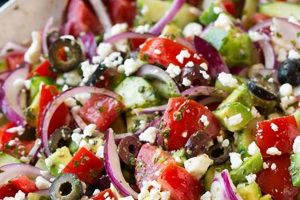
A simple Italian salad traditionally comprised of sliced fresh mozzarella, tomatoes, and basil, seasoned with salt and pepper and dressed with olive oil. Variations may include balsamic glaze, pesto, or other herbs. This dish exemplifies the Italian culinary emphasis on fresh, high-quality ingredients and straightforward preparation.
The appeal lies in the harmonious combination of flavors and textures: the creamy mozzarella, the juicy sweetness of ripe tomatoes, and the fragrant basil. Its vibrant colors and minimal preparation time make it a popular appetizer, side dish, or light lunch. Originating on the island of Capri, this classic dish embodies the Mediterranean diet’s focus on fresh produce and healthy fats.
The following sections will delve into various preparation methods, explore ingredient selection for optimal flavor, and offer creative adaptations for both novice cooks and experienced chefs.
Tips for an Exceptional Caprese Salad
Achieving a truly delicious result requires attention to detail and an understanding of the interplay of ingredients. These tips offer guidance on ingredient selection, preparation, and presentation.
Tip 1: Ingredient Quality is Paramount: The success hinges on the quality of the core ingredients. Select ripe, flavorful tomatoes, preferably heirloom varieties. Opt for fresh mozzarella, ideally packed in water, rather than the low-moisture variety. Fresh basil leaves, vibrant green and aromatic, are essential.
Tip 2: Proper Tomato Preparation: Slice tomatoes evenly, about -inch thick. For optimal flavor, allow them to rest at room temperature for 30 minutes before assembling the salad.
Tip 3: Mozzarella Handling: Drain the mozzarella thoroughly and slice it to match the thickness of the tomatoes. This ensures a balanced bite and even distribution of flavors.
Tip 4: Basil Placement: Arrange the basil leaves between the tomato and mozzarella slices. This prevents the basil from wilting and maximizes its aromatic impact.
Tip 5: Seasoning and Dressing: Season the salad generously with sea salt and freshly cracked black pepper. Drizzle with high-quality extra virgin olive oil. A balsamic glaze can be added, but sparingly, to avoid overpowering the delicate flavors.
Tip 6: Serving Temperature: Serve at room temperature to allow the flavors to fully develop and meld.
Tip 7: Presentation Matters: Arrange the sliced tomatoes, mozzarella, and basil leaves attractively on a platter or individual plates. A simple, elegant presentation enhances the visual appeal.
By adhering to these guidelines, one can elevate a simple Caprese salad from satisfactory to exceptional. The result will be a dish that showcases the inherent beauty and flavor of fresh, high-quality ingredients.
With these tips in mind, the following section will explore variations and adaptations of the classic Caprese salad, offering inspiration for culinary creativity.
1. Fresh Ingredients

The essence of a successful Caprese salad lies in the freshness of its components. Utilizing high-quality, in-season ingredients elevates this simple dish from ordinary to extraordinary. Subpar or out-of-season produce will yield a lackluster result, failing to capture the vibrant flavors characteristic of authentic Caprese salad.
- Ripe Tomatoes:
The tomato forms the heart of the salad. Locally sourced, vine-ripened tomatoes, preferably heirloom varieties, offer the optimal balance of sweetness and acidity. These varieties often possess more complex flavor profiles compared to standard supermarket tomatoes. Examples include Brandywine, Cherokee Purple, or San Marzano tomatoes. The texture should yield slightly to pressure without being mushy.
- Fresh Mozzarella:
Fresh mozzarella, traditionally made from water buffalo milk (mozzarella di bufala campana), provides a creamy, delicate counterpoint to the tomato’s acidity. High-quality cow’s milk mozzarella serves as an acceptable substitute. Avoid pre-shredded or low-moisture mozzarella, as these lack the desired texture and flavor. Look for mozzarella packed in water or whey, indicating freshness.
- Fragrant Basil:
Fresh basil leaves contribute a peppery, slightly sweet aroma and flavor that complements both the tomato and mozzarella. Choose vibrant green leaves, avoiding any with blemishes or signs of wilting. While sweet basil is the traditional choice, other varieties like Genovese or Thai basil can offer interesting variations.
- Extra Virgin Olive Oil:
High-quality extra virgin olive oil provides a crucial element of flavor and texture. A robust olive oil with a peppery finish enhances the other ingredients without overpowering them. Avoid using generic or low-quality oils, as they can detract from the overall flavor profile.
The careful selection of these fresh ingredients ensures a Caprese salad that embodies the principles of simplicity and quality. The interplay of ripe tomatoes, creamy mozzarella, fragrant basil, and flavorful olive oil creates a harmonious balance of flavors and textures, exemplifying the essence of Italian cuisine.
2. Proper Seasoning

Proper seasoning is paramount in Caprese salad recipes, elevating the inherent flavors of fresh, high-quality ingredients. Salt and freshly cracked black pepper are essential components, enhancing the sweetness of ripe tomatoes and the creaminess of mozzarella. The quantity of seasoning should be carefully considered; too little fails to unlock the full potential of the ingredients, while too much can overpower their delicate balance. The timing of seasoning also plays a crucial role. Salting the tomatoes slightly in advance draws out excess moisture and intensifies their flavor. However, over-salting or prolonged salting can render the tomatoes mushy and unappetizing.
For example, using coarse sea salt provides a subtle crunch and a more nuanced flavor profile compared to standard table salt. Freshly cracked black pepper offers a brighter, more pungent aroma and taste than pre-ground pepper. These seemingly small details contribute significantly to the overall sensory experience. Furthermore, the quality of the salt and pepper matters. High-quality sea salt, such as Maldon or fleur de sel, possesses a complex minerality that enhances the other ingredients. Similarly, freshly cracked black peppercorns offer a superior aromatic complexity compared to pre-ground pepper.
Mastering the art of proper seasoning in Caprese salad recipes requires attention to detail and a nuanced understanding of flavor dynamics. It’s a critical step that transforms simple ingredients into a harmonious and flavorful dish. Overlooking this aspect can result in a bland and underwhelming experience, failing to showcase the true potential of this classic Italian salad. Ultimately, the goal is to achieve a delicate balance where the seasoning enhances, rather than masks, the natural flavors of the tomatoes, mozzarella, and basil.
3. High-Quality Olive Oil
High-quality extra virgin olive oil is not merely a dressing in Caprese salad; it’s an integral component that significantly impacts the overall flavor profile and sensory experience. The choice of olive oil can elevate the dish, complementing the delicate interplay of fresh mozzarella, ripe tomatoes, and fragrant basil. Conversely, a low-quality or improperly stored oil can detract from the salad’s freshness and introduce undesirable flavors. The oil’s fruitiness, bitterness, and pungency interact directly with the other ingredients. For instance, a robust Tuscan olive oil, with its peppery notes, can beautifully complement the sweetness of ripe heirloom tomatoes. A milder oil, on the other hand, might be a better choice for delicate, early-season tomatoes. The oil’s texture also contributes to the overall mouthfeel of the salad, adding a luxurious richness.
The chemical composition of extra virgin olive oil plays a crucial role in its interaction with the other ingredients. The presence of antioxidants, particularly polyphenols, not only contributes to the oil’s health benefits but also influences its flavor and aroma. These compounds can interact with the volatile compounds in tomatoes and basil, creating a complex interplay of flavors. Furthermore, the oil acts as a solvent, carrying the flavors of the other ingredients throughout the palate. Consider the difference between a Caprese salad dressed with a delicate, fruity olive oil and one dressed with a pungent, peppery oil. The flavor profiles will be distinctly different, showcasing the oil’s profound influence. The oil also contributes to the visual appeal, adding a vibrant sheen to the tomatoes and mozzarella.
Selecting the right olive oil is crucial for maximizing the sensory experience of Caprese salad. Look for oils with designations of origin, such as DOP (Protected Designation of Origin) or IGP (Protected Geographical Indication), which indicate adherence to specific quality standards. Proper storage is equally important. Olive oil should be stored in a cool, dark place to prevent oxidation and degradation of flavor. Exposure to light, heat, and air can lead to rancidity, negatively impacting the taste and aroma. Understanding the nuanced role of high-quality olive oil in Caprese salad allows for informed choices that elevate this simple dish to its full potential. It transforms a basic combination of ingredients into a culinary experience that celebrates the synergy of fresh, high-quality components.
4. Knife Skills

Precision in knife skills significantly influences the final quality of a Caprese salad. Uniformly sliced tomatoes and mozzarella ensure even distribution of flavor, optimal texture, and an aesthetically pleasing presentation. Uneven slicing leads to a disharmonious blend of textures and an unprofessional appearance. Thick slices of tomato may overwhelm the delicate mozzarella, while thin, uneven slices can become watery and lose structural integrity. Similarly, unevenly sliced mozzarella can create an imbalance of flavors and a less appealing visual presentation. Consider the difference between a salad with uniformly sliced ingredients and one with haphazardly chopped components. The former presents a refined, elegant dish, while the latter appears careless and unappetizing. This visual distinction impacts perceived freshness and flavor even before the first bite.
Sharp knives are essential for clean cuts, preventing the tomatoes from being crushed and the mozzarella from tearing. A dull knife requires more force, resulting in jagged edges and compromised structural integrity. This damage releases excess moisture from the tomatoes, leading to a watery salad and diluting the flavors. The mozzarella, rather than slicing cleanly, may stretch and deform, creating an undesirable texture. For example, using a serrated knife for tomatoes and a smooth blade for mozzarella yields optimal results. The serrated knife cleanly slices through the tomato skin without crushing the flesh, while the smooth blade creates even slices of mozzarella without tearing or shredding. Proper knife technique, including the rocking motion for slicing and the claw grip for guiding ingredients, further enhances precision and control.
Mastery of basic knife skills is therefore fundamental to preparing a visually appealing and flavorful Caprese salad. The difference between a meticulously crafted salad and a carelessly assembled one is readily apparent. Attention to this seemingly minor detail elevates the dish from simple to sophisticated, demonstrating a respect for the ingredients and a commitment to culinary excellence. While the focus often rests on ingredient quality, the importance of knife skills should not be underestimated. They are integral to achieving the desired balance of flavors, textures, and visual appeal that defines a truly exceptional Caprese salad.
5. Presentation
Presentation plays a crucial role in the overall enjoyment of a Caprese salad. While flavor remains paramount, visual appeal significantly enhances the dining experience. A thoughtfully presented salad elevates the perception of freshness and quality, stimulating appetite and creating a sense of anticipation. Conversely, a carelessly arranged salad, even with high-quality ingredients, can appear unappetizing and diminish the perceived value of the dish. The arrangement of colors, textures, and shapes contributes to the sensory experience, transforming a simple dish into a culinary delight. Careful consideration of plating, garnishing, and serving style further enhances the presentation.
- Plating Techniques:
The choice of serving dish and the arrangement of ingredients significantly influence the visual impact. A classic approach involves overlapping slices of tomato and mozzarella, interspersed with basil leaves, on a round platter or individual plates. Alternatively, a more contemporary presentation might feature a stacked arrangement or a deconstructed approach. The white of the mozzarella, the red of the tomatoes, and the green of the basil create a visually striking tricolor effect, reminiscent of the Italian flag. The negative space on the plate should be considered as part of the composition, allowing the vibrant colors to stand out. Overcrowding the plate diminishes the visual appeal and can make the salad appear less fresh.
- Garnishing and Finishing Touches:
A simple garnish can elevate the presentation and add a touch of elegance. A drizzle of balsamic glaze, a sprinkle of flaky sea salt, or a scattering of microgreens can enhance both the visual appeal and the flavor profile. However, garnishes should be used judiciously, avoiding excessive ornamentation that detracts from the salad’s natural beauty. For example, a light drizzle of balsamic glaze adds a touch of sweetness and visual contrast, but an excessive amount can overpower the delicate flavors and create a messy appearance.
- Serving Temperature and Timing:
Serving the Caprese salad at the correct temperature is crucial for both flavor and presentation. Room temperature allows the flavors of the tomatoes, mozzarella, and basil to fully develop and meld. Serving the salad chilled can dull the flavors and make the tomatoes less juicy. Additionally, timing is essential. The salad should be assembled shortly before serving to prevent the mozzarella from drying out and the basil from wilting. These factors contribute to maintaining the salad’s fresh, vibrant appearance.
- Context and Occasion:
The presentation should also consider the context and occasion. A casual lunch might call for a simple, rustic presentation, while a more formal dinner might warrant a more refined and elegant approach. For example, serving the salad on individual plates creates a more formal presentation than serving it family-style on a large platter. The choice of servingware, from rustic wooden boards to elegant ceramic plates, also contributes to the overall aesthetic.
By considering these elements of presentation, one can transform a simple Caprese salad into a visually stunning and appetizing dish. The interplay of colors, textures, and arrangements enhances the sensory experience, elevating the enjoyment of this classic Italian salad. A well-presented Caprese salad not only tastes delicious but also communicates care and attention to detail, creating a more memorable and satisfying dining experience.
6. Flavor Balance
Flavor balance constitutes a defining characteristic of successful Caprese salad recipes. The dish relies on a harmonious interplay of sweet, acidic, savory, and herbaceous notes. Disrupting this balance diminishes the culinary experience. Ripe tomatoes contribute sweetness and a subtle acidity, balanced by the creamy, milky richness of fresh mozzarella. Fresh basil provides a peppery, herbaceous counterpoint, while extra virgin olive oil adds a fruity, sometimes peppery, richness. The interplay of these elements creates a synergistic effect where the whole becomes greater than the sum of its parts. An excess of any single element, however, can disrupt this delicate equilibrium. For example, overly acidic tomatoes can overpower the mozzarella, while an excessive amount of olive oil can mask the subtle nuances of the basil. Similarly, insufficient seasoning can leave the salad tasting bland and underwhelming.
Achieving optimal flavor balance requires careful consideration of ingredient selection and preparation. Tomatoes at peak ripeness offer the ideal balance of sweetness and acidity. High-quality fresh mozzarella, ideally mozzarella di bufala campana, provides the desired creaminess and subtle tang. Fresh, vibrant basil leaves offer the most potent herbaceous flavor. A high-quality extra virgin olive oil, chosen for its flavor profile and intensity, enhances the other ingredients without overpowering them. Furthermore, proper seasoning with salt and pepper is essential to amplify and unify the flavors. The quantity of each ingredient and the order in which they are combined also influence the final flavor profile. For instance, adding a touch of balsamic glaze can enhance the sweetness and acidity, but overuse can create an overly sweet and cloying salad.
Understanding the delicate balance of flavors in Caprese salad allows for informed decision-making regarding ingredient selection, preparation, and seasoning. This knowledge empowers culinary practitioners to create a dish that exemplifies the inherent synergy of fresh, high-quality ingredients. The pursuit of flavor balance distinguishes a truly exceptional Caprese salad from a merely satisfactory one. It transforms a simple combination of ingredients into a culinary expression of harmony and complexity. Ultimately, the objective is to create a dish where each element contributes to a unified and delightful sensory experience.
Frequently Asked Questions about Caprese Salad
This section addresses common inquiries regarding Caprese salad preparation and variations, offering practical guidance for achieving optimal results.
Question 1: Can one substitute dried basil for fresh in a Caprese salad?
While fresh basil is strongly recommended for its vibrant flavor and aroma, dried basil can be used in a pinch. However, use sparingly, as dried herbs have a more concentrated flavor. Rehydrate dried basil in warm water before adding to the salad to soften its texture and release its aroma.
Question 2: What are the best tomato varieties to use?
Heirloom varieties like Brandywine, Cherokee Purple, and San Marzano offer exceptional flavor and texture. Ripe, in-season tomatoes are crucial for a successful Caprese salad.
Question 3: Does balsamic glaze complement Caprese salad?
Balsamic glaze adds a touch of sweetness and acidity, which can complement the other flavors. However, use it sparingly, as an excess can overpower the delicate balance of the core ingredients.
Question 4: Can one prepare Caprese salad in advance?
While best assembled just before serving, components can be prepared ahead of time. Store sliced tomatoes and mozzarella separately and combine just before serving to prevent the mozzarella from drying out and the tomatoes from becoming watery. Add the basil and dressing at the last minute.
Question 5: What are suitable alternatives to mozzarella?
Burrata, a creamy, fresh cheese similar to mozzarella, offers a richer, more decadent variation. For vegan options, firm tofu marinated in Italian herbs can provide a similar textural element, though it won’t replicate the flavor profile of mozzarella.
Question 6: How should leftover Caprese salad be stored?
Consume leftover Caprese salad within 24 hours. Store in an airtight container in the refrigerator. The texture of the tomatoes and mozzarella may change slightly upon refrigeration.
Understanding these aspects contributes to a more informed approach to Caprese salad preparation. Attention to detail and ingredient selection ensures a flavorful and satisfying culinary experience.
The following section will explore variations and adaptations of the classic Caprese salad, offering inspiration for culinary exploration.
Caprese Salad Recipes
Exploration of Caprese salad recipes reveals the importance of fresh, high-quality ingredients, precise knife skills, proper seasoning, and thoughtful presentation. A delicate balance of flavorssweet, acidic, savory, and herbaceousdefines this classic Italian dish. Ingredient selection significantly impacts the final outcome; ripe tomatoes, fresh mozzarella, and fragrant basil are essential. High-quality extra virgin olive oil enhances, rather than masks, these delicate flavors. Uniform slicing ensures optimal texture and flavor distribution, while thoughtful presentation elevates the dining experience. Understanding these elements allows for successful execution and creative adaptation.
Caprese salad represents more than a simple combination of ingredients; it embodies a culinary philosophy that prioritizes simplicity, quality, and balance. Further exploration of regional variations and ingredient adaptations promises continued culinary inspiration. This timeless dish demonstrates the enduring appeal of fresh, seasonal ingredients prepared with care and intention.