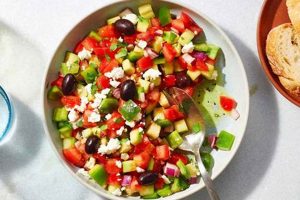
Combinations of various citrus fruits, often including oranges, grapefruits, mandarins, and lemons, form the foundation of refreshing and flavorful salads. These salads can be simple, featuring only citrus segments, or more complex, incorporating other ingredients like herbs, onions, avocados, or nuts. A simple example might include segmented oranges and grapefruits tossed with a light vinaigrette and a sprinkle of fresh mint.
The vibrant flavors and high vitamin C content of these salads make them a popular choice for a healthy and invigorating dish. Historically, citrus fruits have been valued for their nutritional benefits and refreshing qualities, and their inclusion in salads offers a palatable way to enjoy these advantages. Furthermore, the variety of textures and colors within these combinations contribute to an appealing culinary experience.
This exploration will delve into various aspects of creating such dishes, including selecting the right citrus varieties, proper preparation techniques, and complementary flavor pairings. It will also consider different serving suggestions and offer creative variations to enhance the enjoyment of these vibrant salads.
Tips for Citrus Salad Preparation
Achieving optimal flavor and presentation requires attention to detail throughout the preparation process. The following tips offer guidance for creating exceptional citrus salads.
Tip 1: Select ripe, flavorful fruit. Peak ripeness ensures the best flavor and sweetness. Look for firm fruit with smooth skin that feels heavy for its size.
Tip 2: Use a sharp knife for clean segmentation. This technique, known as supreming, removes the pith and membrane, leaving only the juicy segments. A sharp knife allows for precise cuts and minimizes juice loss.
Tip 3: Balance sweetness and acidity. Combine a variety of citrus fruits to achieve a balanced flavor profile. For example, temper the sweetness of oranges with the tartness of grapefruit or lime.
Tip 4: Enhance flavor with complementary ingredients. Fresh herbs, such as mint or basil, add aromatic complexity. Red onion provides a pungent counterpoint, while avocado contributes a creamy texture.
Tip 5: Prepare the dressing thoughtfully. A light vinaigrette enhances the natural flavors of the citrus without overpowering them. Consider using ingredients like olive oil, honey, and ginger.
Tip 6: Add textural contrast. Toasted nuts, such as slivered almonds or pistachios, offer a satisfying crunch. Crumbled feta cheese provides a salty, tangy element.
Tip 7: Serve the salad chilled. Chilling enhances the refreshing qualities of the citrus and allows the flavors to meld.
By following these guidelines, one can create a citrus salad that is both visually appealing and delectably flavorful. The combination of fresh, vibrant ingredients offers a healthy and satisfying culinary experience.
These tips offer a foundation for crafting exceptional citrus salads. Further exploration will provide additional insights and variations for enhancing these vibrant dishes.
1. Citrus Variety

Citrus variety plays a crucial role in determining the overall flavor profile of a citrus salad. Different citrus fruits offer unique characteristics in terms of sweetness, tartness, and aroma. A well-composed citrus salad leverages these variations to create a balanced and complex taste experience. For instance, the sweetness of navel oranges can be balanced by the tartness of ruby red grapefruit, while the aromatic complexity of mandarin oranges adds another dimension. Failing to consider these variations can result in a salad that is either too sweet, too tart, or lacking in depth of flavor.
The selection of citrus varieties also impacts the visual appeal of the salad. Different citrus fruits offer a range of colors, from the bright orange of mandarins to the deep red of blood oranges. This variety allows for the creation of visually stunning salads that are as appealing to the eye as they are to the palate. Furthermore, the texture of different citrus fruits varies, adding another layer of complexity to the salad. Some segments, like those of grapefruits, are firm and juicy, while others, like those of mandarin oranges, are more delicate and tender.
Understanding the nuances of each citrus variety allows for informed decisions regarding flavor combinations and aesthetic presentation. A judicious blend of sweet, tart, and aromatic fruits, coupled with a thoughtful arrangement of colors and textures, elevates the citrus salad from a simple dish to a culinary masterpiece. Challenges lie in sourcing a variety of high-quality citrus fruits, particularly those that are in season. However, the rewards of a well-executed citrus salad, offering a burst of fresh and vibrant flavors, are well worth the effort.
2. Preparation Techniques

Preparation techniques significantly influence the final quality and enjoyment of a citrus salad. These techniques encompass the methods used to handle the citrus fruits, from initial selection and cleaning to the final segmenting and arranging. Proper execution of these steps ensures optimal flavor, texture, and presentation. For instance, using a sharp knife and employing the supreming techniqueremoving segments from their membranesresults in clean, juicy pieces free of bitter pith, unlike a roughly chopped salad where the pith and membranes remain, imparting an unpleasant bitterness.
The importance of proper preparation extends beyond mere aesthetics. Careful handling preserves the delicate cell structure of the citrus, minimizing juice loss and oxidation, which can lead to off-flavors and a less vibrant appearance. Consider the difference between a salad where the citrus has been carefully segmented and one where it has been roughly chopped. The segmented salad retains its fresh, bright appearance and juicy texture, while the chopped salad may appear bruised and release excess juice, diluting the dressing and creating a watery consistency. This highlights the practical significance of mastering fundamental preparation techniques for achieving a superior culinary outcome.
In summary, precise preparation techniques are essential for maximizing the flavor, texture, and presentation of a citrus salad. These techniques, though seemingly simple, have a profound impact on the overall quality of the dish. Challenges may arise in mastering techniques like supreming, but the resulting improvement in both taste and visual appeal justifies the effort involved. This emphasis on preparation sets the stage for exploring further aspects of citrus salad creation, such as flavor balancing and dressing selection.
3. Flavor Balancing

Flavor balancing is paramount in a successful citrus salad. The inherent qualities of citrus fruitstartness, sweetness, and bitternessrequire careful orchestration to achieve a harmonious blend. Without proper balance, a citrus salad can become overly tart, cloyingly sweet, or unpleasantly bitter. The interplay of these flavors determines the overall taste experience. For instance, a salad composed solely of intensely tart grapefruit segments may overwhelm the palate, while an abundance of sweet mandarin oranges might lack the necessary complexity. A balanced approach involves combining different citrus varieties with complementary flavors, resulting in a more nuanced and enjoyable culinary experience. This involves understanding the flavor profiles of individual citrus fruits and strategically combining them to achieve the desired outcome.
Several factors contribute to flavor balancing in a citrus salad. Acidity, sweetness, and bitterness form the foundational triad, and their relative proportions must be carefully considered. Adding other ingredients like herbs, spices, or cheeses further influences the balance. Mint, for instance, can complement the sweetness of oranges, while a sprinkle of chili flakes can introduce a contrasting heat. Consider a salad combining blood oranges, Cara Cara oranges, and pink grapefruit. The blood orange provides a subtle sweetness with hints of berry, the Cara Cara offers a balanced sweetness and lower acidity, and the pink grapefruit introduces a refreshing tartness. This combination, complemented by a light vinaigrette and a sprinkle of fresh mint, demonstrates effective flavor balancing. Such thoughtful combinations transform a simple citrus salad into a multi-dimensional culinary creation.
Mastering flavor balancing in citrus salads requires both knowledge and experimentation. Understanding the inherent flavor profiles of various citrus fruits provides a starting point. However, achieving the perfect balance often involves experimentation with different combinations and complementary ingredients. The challenge lies in finding the optimal proportions to create a cohesive and delightful flavor profile. This pursuit of balance elevates the citrus salad beyond a simple combination of ingredients, transforming it into a sophisticated expression of culinary artistry.
4. Complementary Ingredients

Complementary ingredients play a crucial role in elevating a citrus salad from simple to extraordinary. These additions contribute not only to flavor complexity but also to textural contrast and visual appeal. The inherent qualities of citrusbrightness, acidity, and sweetnessprovide a versatile foundation for a wide range of pairings. Consider the impact of toasted nuts: they introduce a welcome crunch and nutty depth that contrasts beautifully with the juicy citrus segments. Similarly, the sharpness of a thinly sliced red onion offers a pungent counterpoint to the citrus’s sweetness, while the creamy richness of avocado provides a textural bridge between the disparate elements. Without such additions, the salad risks monotony, relying solely on the citrus for flavor and interest. The judicious selection of complementary ingredients ensures a more balanced and satisfying sensory experience.
The choice of complementary ingredients should be driven by the desired flavor profile and overall balance. Fresh herbs like mint or basil contribute an aromatic dimension, enhancing the citrus’s brightness. Feta cheese, with its salty tang, provides a savory counterpoint to the sweetness, while olives introduce a briny complexity. These additions not only broaden the flavor spectrum but also enhance the nutritional value of the salad. A fennel and orange salad with toasted almonds exemplifies this principle: the anise notes of the fennel harmonize with the orange’s sweetness, the almonds provide crunch, and a light vinaigrette ties the elements together. This approach demonstrates how complementary ingredients transform a basic citrus salad into a more sophisticated and satisfying dish.
Successfully integrating complementary ingredients requires careful consideration of flavor affinities and textural interplay. Overly assertive additions can overshadow the delicate citrus flavors, while poorly chosen textures can create a disjointed experience. The challenge lies in finding ingredients that enhance rather than overpower, creating a harmonious and multi-dimensional culinary experience. Understanding these principles empowers one to create citrus salads that are not only visually appealing and flavorful but also nutritionally balanced and texturally intriguing. This focus on complementary ingredients underscores the importance of thoughtful ingredient selection in achieving culinary excellence.
5. Dressing Selection

Dressing selection is integral to a successful citrus salad recipe, acting as a unifying element that harmonizes the diverse flavors and textures. The dressing should complement the citrus’s inherent brightness without masking its delicate nuances. An overly assertive dressing can overwhelm the palate, while an insufficiently flavorful one fails to elevate the dish beyond its individual components. A thoughtfully chosen dressing enhances the overall sensory experience, transforming a simple combination of ingredients into a cohesive and balanced culinary creation.
- Acidity Level
The acidity of the dressing plays a crucial role in balancing the sweetness and tartness of the citrus fruit. A vinaigrette with a higher acidity level, achieved through ingredients like lemon juice or vinegar, provides a refreshing counterpoint to the sweetness of oranges or mandarins. Conversely, a dressing with lower acidity, perhaps incorporating ingredients like a mild white wine vinegar, may be more suitable for inherently tart citrus fruits like grapefruit. A lemon vinaigrette on a grapefruit and avocado salad provides a sharp contrast, while a milder orange vinaigrette complements a salad with sweeter citrus varieties. The acidity level significantly influences the overall flavor profile and should be carefully considered in relation to the specific citrus fruits used.
- Sweetness
The sweetness of the dressing should be judiciously balanced against the natural sugars present in the citrus fruits. A touch of sweetness, often achieved through honey, maple syrup, or agave nectar, can round out the flavors and provide a more complex taste experience. However, excessive sweetness can overpower the delicate citrus notes and create an unbalanced flavor profile. A honey-lime dressing complements a salad with tart grapefruit and creamy avocado, while a lighter vinaigrette with a touch of agave works well with a mix of sweet oranges and mandarins. The sweetness level should be carefully calibrated to enhance, not overpower, the citrus flavors.
- Oil Choice
The type of oil used in the dressing contributes significantly to both flavor and texture. Extra virgin olive oil, with its fruity and peppery notes, is a classic choice that complements many citrus varieties. Other options, such as avocado oil or grapeseed oil, offer milder flavors and different textural qualities. Avocado oil provides a creamy richness, while grapeseed oil offers a light and neutral base. A citrus salad with a robust extra virgin olive oil dressing pairs well with bitter greens and salty feta, while a lighter grapeseed oil dressing complements delicate herbs and milder citrus varieties. The oil choice influences the overall mouthfeel and should be considered in relation to the other ingredients.
- Complementary Flavors
Incorporating complementary flavors into the dressing enhances the complexity and depth of the citrus salad. Fresh herbs, spices, and aromatics can create a more nuanced and interesting taste experience. Mint, basil, ginger, and chili flakes are just a few examples of ingredients that can enhance the citrus notes and add layers of flavor. A ginger-lime dressing complements a salad with segments of grapefruit and oranges, while a mint-infused vinaigrette enhances a salad featuring strawberries and mandarin oranges. These additions should be carefully chosen to harmonize with the citrus and other salad components.
The interplay of these factorsacidity, sweetness, oil choice, and complementary flavorsdetermines the overall effectiveness of the dressing in enhancing the citrus salad. A well-balanced dressing unifies the individual components, creating a cohesive and harmonious dish where the citrus flavors shine through while being complemented by the other ingredients. Choosing the right dressing elevates the citrus salad from a simple combination of ingredients to a carefully composed culinary creation. The thoughtful consideration of these elements ensures a truly delightful and satisfying dining experience.
6. Presentation

Presentation significantly impacts the perceived quality and enjoyment of a citrus salad. Visual appeal enhances the dining experience, stimulating appetite and creating anticipation. Consider the difference between haphazardly tossed segments on a plate versus a thoughtfully arranged composition. The former may appear unappetizing, while the latter conveys care and attention to detail. Arranging citrus segments in a visually appealing pattern, perhaps radiating outwards or alternating colors, immediately elevates the perceived value of the dish. Incorporating elements like strategically placed herbs, a sprinkle of spice, or a drizzle of dressing further enhances the presentation, transforming a simple salad into a visually captivating culinary creation. This visual appeal directly influences the diner’s perception and enjoyment.
Beyond mere aesthetics, presentation affects how flavors and textures are perceived. Consider a salad where different citrus varieties are grouped together, allowing the diner to appreciate the distinct flavors of each fruit. This segmented approach contrasts with a mixed presentation where flavors may become muddled. Furthermore, the choice of serving vessel plays a role. A shallow bowl showcases the vibrant colors and textures of the salad, while a tall glass might obscure these elements. The use of appropriate servingware, coupled with a considered arrangement of ingredients, contributes to a more engaging and satisfying dining experience. Practical applications include restaurant settings where visually appealing presentations enhance customer satisfaction and catering events where presentation contributes to the overall aesthetic.
Effective presentation elevates the citrus salad, transforming it from a simple dish into a culinary experience. While flavor and texture remain paramount, presentation enhances the perceived quality and enjoyment. Challenges include maintaining the salad’s freshness and preventing oxidation, which can detract from visual appeal. However, careful attention to detail, from ingredient selection to plating, ensures a visually captivating and ultimately more satisfying culinary creation. This underscores the importance of presentation as a key component of a successful citrus salad recipe.
Frequently Asked Questions
This section addresses common inquiries regarding the creation and enjoyment of citrus salads.
Question 1: How can bitterness from the citrus pith be avoided?
Employing the supreming technique, which involves removing the segments from their membranes, effectively eliminates the pith, the primary source of bitterness. This method ensures a clean, flavorful salad experience.
Question 2: Which citrus fruits complement each other well in a salad?
Balancing sweetness and acidity is key. Combining sweet oranges with tart grapefruit or lime creates a harmonious flavor profile. The addition of less common varieties like blood oranges or pomelos can introduce unique flavor dimensions.
Question 3: What dressings work best with citrus salads?
Light vinaigrettes enhance citrus flavors without overpowering them. Consider using olive oil, honey, ginger, or other complementary ingredients for the dressing. The acidity of the dressing should balance the sweetness of the fruit.
Question 4: How can a citrus salad be made more visually appealing?
Thoughtful presentation elevates the dining experience. Arrange citrus segments in an attractive pattern, incorporating contrasting colors and textures. Garnishes such as fresh herbs or a sprinkle of spice further enhance visual appeal.
Question 5: How long can a citrus salad be stored?
For optimal freshness and flavor, citrus salads are best consumed immediately after preparation. Storage can lead to oxidation and a loss of vibrant flavors. If storage is necessary, cover tightly and refrigerate for no more than a few hours.
Question 6: Can other fruits be combined with citrus in a salad?
While the focus remains on citrus, incorporating other fruits can add complexity and texture. Berries, grapes, or diced apples can complement citrus flavors without overpowering them. Balance remains crucial, ensuring the citrus profile remains prominent.
Careful consideration of these frequently asked questions facilitates the creation of flavorful and visually appealing citrus salads. Addressing these common concerns ensures a more satisfying culinary experience.
This concludes the FAQ section. The subsequent sections will explore specific citrus salad recipes and variations.
Conclusion
Exploration of the multifaceted nature of citrus salad recipes reveals the interplay of several key elements. Careful selection of citrus varieties, considering the balance of sweetness and acidity, forms the foundation. Precise preparation techniques, including supreming, maximize flavor and texture. Complementary ingredients, such as herbs, nuts, or cheeses, add depth and complexity. Dressing selection, focusing on acidity, sweetness, and oil choice, harmonizes the diverse components. Finally, thoughtful presentation elevates the dish from simple to visually captivating. Each element contributes significantly to the overall sensory experience.
Citrus salad recipes offer a versatile canvas for culinary creativity. The potential for flavor combinations and textural contrasts is vast. Further exploration of specific recipes and regional variations promises to unlock a deeper appreciation for the versatility and refreshing nature of these vibrant salads. Mastering the principles outlined herein empowers one to create citrus salads that are not only visually appealing and flavorful but also nutritionally enriching and deeply satisfying.