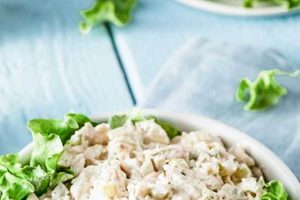
A guide for preparing a refreshing Filipino dessert featuring young coconut (buko), screwpine leaves (pandan), and often other ingredients like cream, milk, and jellies creates a sweet and aromatic dish. Variations exist, allowing for customization with ingredients like fruit cocktail, nata de coco, or kaong.
This chilled dessert offers a delightful balance of sweetness, creaminess, and the unique aroma of pandan. Its cultural significance in Filipino cuisine makes it a staple at gatherings and celebrations. The simplicity of preparation combined with readily available ingredients contributes to its widespread popularity. This dish offers a refreshing treat, especially in warm climates, and can be a good source of electrolytes depending on the specific ingredients.
The following sections will delve into specific ingredient choices, preparation techniques, variations, and serving suggestions to facilitate creating this beloved Filipino dessert.
Tips for Buko Pandan Salad Preparation
Achieving optimal flavor and texture requires attention to detail throughout the preparation process. The following tips offer guidance for creating a successful and enjoyable dessert.
Tip 1: Fresh Pandan Extraction: For the most vibrant pandan flavor, fresh pandan leaves are recommended. Simmering the leaves in water or milk extracts the distinct aroma and imparts a subtle green hue. Avoid using artificial pandan flavoring if possible.
Tip 2: Young Coconut Selection: Choose young coconuts with tender, jelly-like meat. Mature coconuts have firmer flesh, less suitable for this salad. The coconut water can be reserved and incorporated into the salad or enjoyed as a refreshing beverage.
Tip 3: Cream and Milk Balance: The ratio of cream to milk influences the richness and overall consistency. Adjust the proportions to achieve desired creaminess while maintaining a light and refreshing quality.
Tip 4: Sweetener Choices: Condensed milk or sugar can be utilized as sweeteners. Adjust the amount based on personal preference and the sweetness of other added ingredients like fruit cocktail.
Tip 5: Ingredient Incorporation: Gently fold in ingredients to avoid crushing delicate components like the young coconut and jellies. This preserves the textural variety of the salad.
Tip 6: Chilling Time: Allow sufficient chilling time, preferably several hours or overnight, for the flavors to meld and the salad to reach optimal serving temperature. This enhances the refreshing nature of the dessert.
Tip 7: Presentation: Serve the salad chilled in individual bowls or a larger serving dish. Garnishing with additional pandan leaves or toasted coconut flakes adds visual appeal.
By following these tips, one can ensure a delightful buko pandan salad experience, marked by vibrant flavor, balanced sweetness, and a refreshing texture.
In conclusion, attention to detail during preparation elevates this classic dessert to its full potential. The next section will explore variations and adaptations for personalized enjoyment.
1. Ingredients

The quality and combination of ingredients directly impact the final flavor and texture profile of buko pandan salad. Careful selection and proper handling are essential for a successful outcome. The following facets highlight key ingredient considerations:
- Young Coconut (Buko)
Tender young coconut meat provides the foundational textural element of the salad. Its subtle sweetness and delicate flavor complement the other components. Sourcing fresh, high-quality buko is crucial. The water from the young coconut can also be incorporated to enhance the refreshing quality.
- Pandan Leaves (Pandanus amaryllifolius)
The distinct aroma of pandan is a defining characteristic of this dessert. Fresh pandan leaves, simmered in water or milk, provide the most authentic flavor. While pandan extract can be used, it often lacks the nuanced flavor profile of fresh leaves. The leaves also contribute a subtle green hue to the salad.
- Cream and Milk
The creamy element of the salad comes from the combination of cream and milk. The ratio of these two ingredients determines the overall richness and consistency. Full-fat coconut milk can also be used for a richer, more coconut-forward flavor.
- Sweeteners and Other Additions
Sweeteners like condensed milk or sugar balance the flavors. The level of sweetness can be adjusted to preference. Other common additions include fruit cocktail, nata de coco (coconut jelly), kaong (sugar palm fruit), and agar-agar (a gelatinous substance). These elements add textural complexity and complementary flavors.
The interplay of these ingredients contributes to the harmonious balance of flavors and textures in buko pandan salad. Understanding the role of each component allows for informed ingredient selection and preparation, ultimately resulting in a more enjoyable culinary experience.
2. Preparation Method

The preparation method of buko pandan salad significantly influences the final product’s quality and overall enjoyment. A systematic approach ensures consistent results and maximizes the flavor potential of the ingredients. The following facets outline key stages in the preparation process:
- Pandan Flavor Extraction
Extracting the distinct pandan aroma is paramount. This typically involves simmering fresh pandan leaves in water or milk. The resulting liquid infuses the salad with the characteristic pandan flavor and a subtle green tint. The duration of simmering affects the intensity of the pandan flavor.
- Coconut Preparation
Properly preparing the young coconut is essential. This includes carefully opening the coconut, retrieving the water, and extracting the soft, jelly-like meat. The coconut water can be reserved for inclusion in the salad or enjoyed separately. The coconut meat should be handled gently to avoid breakage.
- Combining Ingredients
The method of combining ingredients impacts the final texture and flavor balance. Gently folding the components together prevents the delicate coconut meat and jellies from being crushed. The order of ingredient addition can also influence the final outcome.
- Chilling and Serving
Chilling the salad allows the flavors to meld and enhances the refreshing experience. The optimal chilling time is typically several hours or overnight. Serving the salad chilled in appropriate containers, potentially with garnishes like additional pandan leaves or toasted coconut, completes the preparation process.
A well-executed preparation method ensures the harmonious integration of flavors and textures, resulting in a refreshing and flavorful buko pandan salad. Attention to detail at each stage contributes significantly to the overall sensory experience.
3. Flavor Profile

The flavor profile of buko pandan salad is a key element of its appeal, representing a carefully balanced interplay of sweet, creamy, and aromatic notes. Understanding this profile provides insight into the careful selection and combination of ingredients that characterize this popular Filipino dessert. The following facets delve into the distinct components contributing to the overall sensory experience.
- Sweetness
The sweetness in buko pandan salad primarily derives from the addition of sweeteners like condensed milk or sugar. The young coconut meat also contributes a natural subtle sweetness. This sweetness is balanced by the other flavor components, preventing it from being overpowering. The level of sweetness can be adjusted based on individual preferences.
- Creaminess
Creaminess is a defining textural and flavor characteristic, achieved through the incorporation of cream or milk, often combined with full-fat coconut milk. This creates a rich, smooth mouthfeel that complements the other ingredients. The proportion of cream to milk determines the intensity of the creamy sensation.
- Aromatic Pandan
The distinct aroma of pandan leaves is central to the flavor profile. The fragrant leaves, typically simmered in liquid, infuse the salad with a unique, slightly sweet, and herbaceous aroma. This aromatic component distinguishes buko pandan salad from other coconut-based desserts. The intensity of the pandan flavor depends on the quantity and freshness of the leaves used.
- Complementary Flavors
The core flavors of buko pandan salad are often enhanced by the addition of complementary ingredients. These may include fruits like melon or pineapple from fruit cocktail mixes, or the subtle sweetness and chewy texture of nata de coco or kaong. These additions contribute layers of complexity to the overall flavor profile.
The harmonious blend of these flavor components defines the distinctive character of buko pandan salad. The balance achieved through careful ingredient selection and preparation results in a refreshing and satisfying dessert that appeals to a wide range of palates. This delicate balance is what distinguishes a well-made buko pandan salad.
4. Cultural Context

Buko pandan salad occupies a significant place within Filipino culinary traditions. Its presence at various social gatherings and celebrations underscores its cultural relevance. Understanding this context provides a deeper appreciation for the dessert’s continued popularity and its role in Filipino identity.
- Celebratory Staple
Buko pandan salad is a frequent offering at Filipino festivities, from birthdays and holidays to community gatherings. Its refreshing nature and visually appealing presentation make it a welcome addition to celebratory meals. This tradition reinforces communal bonds and shared culinary experiences.
- Symbol of Hospitality
Offering buko pandan salad often signifies hospitality and generosity within Filipino culture. Serving this dessert to guests conveys warmth and welcome, strengthening social connections. This gesture reflects deeply ingrained cultural values surrounding food and sharing.
- Accessibility and Adaptability
The widespread availability of ingredients and the relative ease of preparation contribute to the salad’s accessibility across socioeconomic strata. Furthermore, the recipe’s adaptability allows for regional variations and personalized touches, reflecting the diverse culinary landscape of the Philippines.
- Generational Significance
Buko pandan salad transcends generations, enjoyed by Filipinos of all ages. This continuity reinforces cultural heritage and transmits culinary traditions across time. The dessert often evokes nostalgic memories and shared family experiences.
The cultural embeddedness of buko pandan salad contributes to its enduring popularity within Filipino communities worldwide. More than simply a dessert, it represents a connection to heritage, a symbol of hospitality, and a shared culinary experience that strengthens cultural bonds.
5. Serving Suggestions
Serving suggestions enhance the enjoyment of buko pandan salad by considering presentation, optimal temperature, and complementary elements. Appropriate serving practices elevate the sensory experience and align with cultural norms.
- Chilled Presentation
Serving buko pandan salad chilled is crucial for maximizing its refreshing qualities. The cool temperature enhances the flavors and provides a welcome contrast, especially in warmer climates. Thorough chilling allows the flavors to meld and intensifies the overall sensory experience.
- Individual Portions vs. Communal Serving
Buko pandan salad can be served in individual bowls or a larger serving dish. Individual portions offer convenience and portion control, while communal serving encourages sharing and reflects traditional Filipino hospitality. The choice depends on the context and the nature of the gathering.
- Garnishing and Visual Appeal
Garnishing enhances the visual appeal and can complement the existing flavors. Fresh pandan leaves, toasted coconut flakes, or a sprinkle of sweetened macapuno can elevate the presentation. Thoughtful garnishing adds a touch of elegance and reinforces the tropical essence of the dessert.
- Accompanying Elements
While buko pandan salad is often enjoyed on its own, it can be paired with other desserts or beverages. Consider serving it alongside grilled or fried dishes for a balanced meal. Complementary beverages, such as iced tea or fruit juices, can further enhance the dining experience.
Consideration of these serving suggestions ensures that buko pandan salad is presented in a manner that maximizes its appeal and aligns with cultural traditions. Thoughtful presentation elevates the dining experience and reflects the care taken in preparing this beloved Filipino dessert.
Frequently Asked Questions
This section addresses common inquiries regarding the preparation and characteristics of buko pandan salad, providing clarity and guidance for a successful culinary experience.
Question 1: Can frozen young coconut be used?
While fresh young coconut is preferred for optimal texture and flavor, frozen young coconut can be substituted. Ensure it is fully thawed before use and drain any excess liquid to prevent a watery salad.
Question 2: How long can buko pandan salad be stored?
Properly stored in an airtight container in the refrigerator, buko pandan salad can typically last for 3-5 days. However, the quality and texture may degrade over time. Consume as soon as possible for the best experience.
Question 3: What can be used as a substitute for pandan leaves?
While fresh pandan leaves offer the most authentic flavor, pandan extract can be used as a substitute if fresh leaves are unavailable. However, the flavor profile may differ slightly. Adjust the amount of extract used according to package instructions.
Question 4: Can the sweetness level be adjusted?
The sweetness of buko pandan salad can be easily adjusted. Increase or decrease the amount of sugar or condensed milk according to individual preference. Taste and adjust as needed before chilling.
Question 5: Are there dairy-free alternatives for the cream and milk?
Dairy-free alternatives, such as coconut cream, almond milk, or cashew cream, can be substituted for traditional cream and milk. These alternatives provide a similar creamy texture and allow for customization based on dietary preferences.
Question 6: What are common variations of buko pandan salad?
Variations include the addition of different fruits, jellies, or other toppings. Some popular additions include mango, jackfruit, tapioca pearls, and sago. These additions create unique flavor and texture combinations while retaining the core elements of the traditional recipe.
Understanding these common inquiries provides a foundation for a successful buko pandan salad preparation experience. Careful consideration of these points ensures a delicious and satisfying outcome.
This concludes the frequently asked questions section. Further exploration of specific recipe variations can enhance culinary creativity and personalize the buko pandan experience.
Conclusion
Exploration of the buko pandan salad recipe reveals a carefully orchestrated balance of flavors, textures, and cultural significance. From the refreshing sweetness of young coconut and the aromatic pandan leaves to the creamy richness of the milk and cream, each component contributes to a harmonious whole. Preparation methods emphasize preserving the integrity of ingredients and maximizing their flavor potential, while the adaptability of the recipe allows for personalized variations. The dessert’s role in Filipino celebrations and traditions further underscores its cultural importance.
The enduring popularity of buko pandan salad speaks to its ability to transcend generations and connect individuals through shared culinary experiences. Continued exploration of ingredient combinations and preparation techniques promises further evolution of this beloved dessert, ensuring its vibrant presence within Filipino cuisine for years to come. Its accessibility and adaptability position it as a canvas for culinary creativity, inviting both traditional adherence and innovative interpretations.