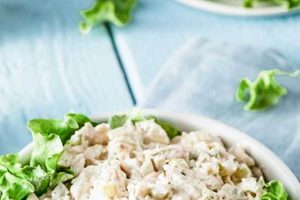
Recipes for substantial salads emphasize heartiness and satiety, often incorporating ingredients like grains, beans, roasted vegetables, or protein-rich components such as grilled chicken, fish, or tofu. Examples include salads featuring quinoa and black beans, roasted sweet potato and kale with chickpeas, or grilled steak with farro and assorted vegetables. These compositions contrast with lighter salads primarily composed of leafy greens and raw vegetables.
Hearty salads offer several nutritional advantages. They provide a balanced combination of macronutrients, including complex carbohydrates, protein, and healthy fats, contributing to sustained energy levels and satiety. This makes them a suitable choice for a complete meal, unlike lighter salads that might serve primarily as a side dish. The inclusion of diverse ingredients also increases the intake of vitamins, minerals, and dietary fiber. The concept of a meal-sized salad has evolved alongside increasing interest in healthy eating and convenient meal preparation.
This article will explore various aspects of creating satisfying and nutritious salads, including ingredient selection, preparation techniques, and dressing options. It will also delve into specific examples and offer practical tips for crafting flavorful and well-balanced meals.
Tips for Crafting Substantial Salads
Creating a satisfying and nutritious main-course salad requires careful consideration of ingredients and preparation methods. The following tips offer guidance for composing flavorful and well-balanced meals.
Tip 1: Prioritize Protein: Adequate protein ensures satiety and contributes to a balanced nutritional profile. Options include grilled chicken or fish, roasted tofu, beans, lentils, or hard-boiled eggs.
Tip 2: Embrace Whole Grains: Incorporating whole grains like quinoa, farro, or barley adds complex carbohydrates and fiber, promoting sustained energy levels. These grains offer textural variety as well.
Tip 3: Roast Vegetables for Enhanced Flavor: Roasting vegetables intensifies their natural sweetness and adds depth of flavor. Roasted sweet potatoes, Brussels sprouts, or broccoli are excellent choices.
Tip 4: Don’t Neglect Healthy Fats: Healthy fats contribute to satiety and enhance flavor. Include avocados, nuts, seeds, or a drizzle of olive oil.
Tip 5: Vary Textures: A combination of textures makes the salad more appealing. Include crunchy elements like nuts or seeds, creamy components like avocado, and chewy elements like dried fruit.
Tip 6: Consider Seasonal Produce: Seasonal ingredients are often at their peak flavor and nutritional value. Adapt recipes to incorporate what’s fresh and readily available.
Tip 7: Dress Strategically: The dressing should complement the salad, not overpower it. A simple vinaigrette or a light tahini dressing are often good choices.
By following these tips, one can create salads that are not only nutritious and satisfying but also enjoyable and versatile. These strategies allow for endless variations and customization to suit individual preferences and dietary needs.
In conclusion, crafting a hearty and flavorful salad involves a balanced approach to ingredient selection, preparation techniques, and mindful dressing choices.
1. Protein Powerhouse

Protein plays a crucial role in transforming a salad from a light accompaniment into a substantial, satisfying meal. In dense salad recipes, protein serves as a cornerstone, providing essential nutrients and contributing significantly to satiety. Understanding the various protein options and their integration within a salad composition is key to creating a balanced and flavorful dish.
- Legumes: Versatile and Nutrient-Rich
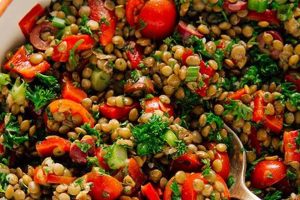
Legumes, including lentils, chickpeas, and black beans, offer a plant-based protein source packed with fiber and micronutrients. Their versatility allows for seamless integration into various salad combinations, contributing a hearty texture and earthy flavor. For example, roasted chickpeas add a satisfying crunch, while lentils provide a robust base for a Mediterranean-inspired salad.
- Lean Meats: Classic and Flavorful
Grilled or roasted lean meats, such as chicken, fish, or turkey, offer a familiar and palatable protein option. These ingredients contribute a rich flavor profile and pair well with various vegetables and dressings. Grilled chicken breast with a lemon-herb vinaigrette or seared salmon with a light Asian-inspired dressing exemplify the versatility of lean meats in dense salads.
- Tofu and Tempeh: Plant-Based Powerhouses
Tofu and tempeh, derived from soybeans, provide a complete protein source for vegetarian and vegan diets. Their neutral flavor profile allows them to readily absorb the flavors of marinades and dressings, making them adaptable to various culinary styles. Crumbled tempeh with a smoky barbecue glaze or marinated tofu cubes with a peanut sauce exemplify their versatility.
- Eggs: A Simple and Nutritious Addition
Hard-boiled eggs offer a convenient and affordable protein source, rich in essential amino acids. Their creamy texture and mild flavor complement various salad ingredients, adding a nutritional boost to the overall composition. Sliced hard-boiled eggs pair well with salads featuring leafy greens, avocado, and a light vinaigrette.
The strategic incorporation of protein elevates dense salads to a complete and satisfying meal. The diversity of protein options allows for customization and adaptation to individual dietary preferences and flavor profiles. By understanding the unique contributions of each protein source, one can craft salads that are not only nutritious but also delicious and enjoyable.
2. Hearty Whole Grains

Whole grains contribute significantly to the “dense” characteristic of substantial salads, providing a foundation of complex carbohydrates, fiber, and essential nutrients. Their inclusion transforms a simple salad into a more complete and satisfying meal. Understanding the variety and application of whole grains enhances recipe development and nutritional value.
- Quinoa: A Complete Protein Source
Quinoa, a complete protein, offers all nine essential amino acids. Its light, fluffy texture and mild flavor make it a versatile base for various salad combinations. Quinoa pairs well with roasted vegetables, beans, and a lemon-herb vinaigrette.
- Farro: Nutty and Chewy
Farro, an ancient wheat grain, provides a nutty flavor and chewy texture. Its robust nature complements bolder flavors and holds up well in salads with heavier dressings. Farro combines well with roasted root vegetables, kale, and a tahini dressing.
- Barley: Earthy and Versatile
Barley offers a mild, earthy flavor and chewy texture. Its versatility allows for incorporation into various salads, from light and refreshing to hearty and substantial. Barley complements roasted vegetables, dried cranberries, and a balsamic vinaigrette.
- Freekeh: Smoky and Flavorful
Freekeh, a roasted green wheat, provides a smoky flavor and chewy texture. Its distinct taste adds depth and complexity to salads. Freekeh pairs well with grilled halloumi, roasted peppers, and a lemon-tahini dressing.
The strategic incorporation of whole grains elevates dense salads by providing a nutritional foundation and enhancing textural complexity. These grains not only contribute to satiety but also offer a diverse range of flavors and textures that complement various salad ingredients. The choice of whole grain influences the overall character of the salad, allowing for customization and creative exploration in recipe development.
3. Roasted Vegetables
Roasted vegetables play a crucial role in elevating dense salad recipes beyond basic leafy greens and raw vegetables. The roasting process intensifies natural sweetness, adds depth of flavor through caramelization, and introduces appealing textural complexity. This transforms ordinary vegetables into flavorful, substantial components that contribute significantly to a satisfying and nutritious salad.
- Flavor Enhancement Through Caramelization
Roasting induces the Maillard reaction, a chemical process responsible for browning and the development of complex flavors. This caramelization intensifies the natural sweetness of vegetables like sweet potatoes, carrots, and Brussels sprouts, adding depth and richness to the overall salad profile.
- Textural Transformation
The roasting process alters vegetable textures, creating a balance between tender interiors and slightly crisp exteriors. This contrast adds a satisfying element to dense salads, enhancing the overall eating experience. Roasted broccoli, for example, develops crispy florets and tender stalks, while roasted butternut squash offers a creamy interior and slightly caramelized edges.
- Nutritional Value and Digestibility
Roasting can enhance the bioavailability of certain nutrients in vegetables. For example, the heat can break down cell walls, making it easier for the body to absorb antioxidants like lycopene in tomatoes. Additionally, roasting reduces the volume of certain vegetables, allowing for greater consumption of nutrients per serving.
- Versatility and Adaptability
A wide variety of vegetables benefit from roasting, offering diverse flavor and texture profiles for dense salads. Root vegetables, cruciferous vegetables, and even alliums like onions and garlic can be roasted to enhance their inherent characteristics. This versatility allows for creative combinations and seasonal adaptations in salad recipes.
The incorporation of roasted vegetables contributes significantly to the density, flavor complexity, and nutritional value of salads. The transformation achieved through roasting elevates simple vegetables into key components of a satisfying and well-balanced meal. This technique expands the possibilities of salad creation, offering a diverse range of flavors and textures that cater to various palates and dietary preferences.
4. Healthy Fats

Healthy fats are essential for creating truly satisfying and nutritious dense salad recipes. They contribute not only to satiety and flavor enhancement but also to the absorption of fat-soluble vitamins. Integrating the right kinds of fats elevates these salads from simple meals to nutrient-rich, flavor-packed culinary experiences.
- Avocados: Creamy Texture and Nutrient Density
Avocados offer a creamy texture and a rich source of monounsaturated fats, along with vitamins and minerals. Their smooth consistency complements various salad ingredients, adding a luxurious element to the overall composition. Additionally, avocados aid in the absorption of fat-soluble vitamins from other salad components, maximizing nutritional value.
- Nuts and Seeds: Crunch and Essential Fatty Acids
Nuts and seeds, such as almonds, walnuts, chia seeds, and flaxseeds, provide a satisfying crunch and a dose of healthy fats, including omega-3 fatty acids. These additions not only enhance the textural complexity of the salad but also contribute essential nutrients for optimal health. Furthermore, the variety of nuts and seeds available offers diverse flavor profiles, from the subtle sweetness of almonds to the earthy notes of walnuts.
- Olive Oil: Flavor Enhancement and Antioxidant Properties
Olive oil, a staple of the Mediterranean diet, offers a robust flavor profile and a rich source of monounsaturated fats. A drizzle of extra virgin olive oil enhances the flavor of salad ingredients while contributing to heart health. Moreover, olive oil contains antioxidants that offer additional health benefits.
- Fatty Fish: Omega-3 Powerhouse (for applicable salads)
While not applicable to all dense salad recipes, incorporating fatty fish like salmon or tuna adds a significant boost of omega-3 fatty acids. These essential fats contribute to heart and brain health. When included, fatty fish transforms the salad into a particularly nutrient-dense meal.
The strategic inclusion of healthy fats is integral to the overall success of dense salad recipes. These fats contribute significantly to satiety, flavor complexity, and nutritional value, ensuring that the salad serves as a complete and satisfying meal. The variety of healthy fat sources allows for customization and creative exploration in recipe development, catering to diverse palates and dietary preferences.
5. Textural Variety

Textural variety is a crucial element in crafting successful dense salad recipes. It elevates these salads beyond simple nutrition, engaging multiple senses and creating a more enjoyable and satisfying dining experience. A strategically composed variety of textures contributes to the overall perception of heartiness and complexity, making the salad more appealing and less monotonous.
Consider the interplay of crunchy, creamy, and chewy elements. Roasted nuts or seeds provide a satisfying crunch, contrasting with the smooth creaminess of avocado or a soft cheese like feta. Adding chewy components, such as dried cranberries or cooked grains like farro, further diversifies the textural landscape. This interplay keeps the palate engaged, preventing the meal from feeling one-dimensional. For example, a salad featuring roasted sweet potatoes, toasted pecans, crumbled goat cheese, and quinoa offers a dynamic textural experience.
This attention to textural detail not only enhances enjoyment but also contributes to perceived satiety. The varying textures encourage more mindful eating, as each bite offers a different sensory experience. This can lead to greater satisfaction with smaller portions, aligning with the goals of many seeking healthier meal options. Failing to consider textural variety can result in a dense salad feeling heavy or monotonous, despite its nutritional value. Therefore, thoughtful incorporation of diverse textures is essential for maximizing the appeal and success of dense salad recipes.
Frequently Asked Questions about Dense Salad Recipes
This section addresses common inquiries regarding the creation and enjoyment of substantial and satisfying salads.
Question 1: How can dense salads be adapted for different dietary needs?
Dense salads offer inherent adaptability. Vegetarian and vegan diets benefit from legumes, tofu, tempeh, and nuts as protein sources. Gluten-free versions require careful grain selection, opting for quinoa or buckwheat. Specific allergies or intolerances necessitate ingredient substitutions based on individual needs.
Question 2: What strategies prevent dense salads from becoming soggy?
Sogginess can be mitigated by strategically layering ingredients. Place denser items like grains and roasted vegetables at the bottom, followed by lighter components like leafy greens. Dressings should be added just before serving, or packed separately. Sturdy greens like kale or romaine hold up better than delicate greens like spinach.
Question 3: Are dense salads suitable for meal prepping?
Dense salads lend themselves well to meal preparation. Pre-cook grains and roast vegetables in advance. Store components separately and combine just before consumption to maintain optimal texture and prevent sogginess. Pack dressings separately.
Question 4: How can one maximize the nutritional value of a dense salad?
Nutritional value is maximized by incorporating a variety of colorful vegetables, lean protein sources, and healthy fats. Prioritize nutrient-dense ingredients like dark leafy greens, cruciferous vegetables, and berries. Vary protein sources throughout the week for a broader spectrum of nutrients.
Question 5: What are some effective ways to add flavor without relying on excessive dressing?
Flavor can be enhanced through various techniques. Roasting vegetables intensifies their natural sweetness. Incorporating fresh herbs, spices, citrus zest, or a small amount of a strongly flavored cheese adds complexity. A splash of acid, such as vinegar or lemon juice, brightens the overall flavor profile.
Question 6: How can dense salads be made budget-friendly?
Budget-friendly dense salads utilize cost-effective ingredients. Beans, lentils, and eggs offer affordable protein sources. Seasonal vegetables are typically less expensive. Buying grains and nuts in bulk reduces costs. Making dressings at home, rather than purchasing pre-made options, offers significant savings.
By addressing these common questions, a clearer understanding of dense salad composition and versatility emerges. These strategies contribute to creating satisfying and nutritious meals tailored to individual needs and preferences.
The following section will provide specific examples of dense salad recipes, showcasing practical applications of these principles.
Dense Salad Recipes
This exploration of dense salad recipes has highlighted their potential as substantial, satisfying, and nutritionally complete meals. Emphasis has been placed on the strategic incorporation of diverse ingredients, including lean proteins, whole grains, roasted vegetables, and healthy fats. The importance of textural variety and mindful dressing choices has also been underscored. Furthermore, addressing common questions regarding adaptability, preparation, and nutritional optimization has provided a comprehensive understanding of this culinary approach.
Dense salad recipes offer a versatile and adaptable framework for creating meals that nourish and delight. The principles outlined herein empower culinary experimentation and personalized adaptations to meet individual dietary needs and preferences. By embracing these concepts, individuals can transform simple salads into vibrant, flavorful, and health-conscious culinary creations.