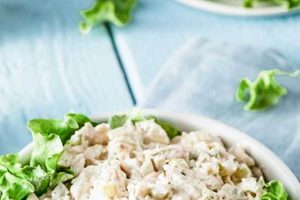
A foundational macaroni salad typically consists of cooked elbow macaroni, mayonnaise, and a few simple ingredients like celery, onion, and seasonings. Variations can include hard-boiled eggs, mustard, relish, or other vegetables. This classic dish offers a blank canvas for culinary creativity, allowing for diverse additions and customizations while retaining its core identity.
This approachable and adaptable dish holds a prominent place in many cultures, frequently appearing at picnics, potlucks, and barbecues. Its popularity stems from its ease of preparation, affordability, and ability to be served as a side dish or a light meal. The simplicity of the core recipe allows for adaptation to diverse tastes and dietary needs, with countless variations incorporating different vegetables, proteins, and dressings.
The following sections will explore the creation of this culinary staple, offering guidance on ingredient selection, preparation techniques, and suggested variations to enhance flavor and presentation.
Tips for Macaroni Salad Success
Achieving a well-balanced and flavorful macaroni salad involves attention to detail in ingredient selection and preparation techniques. These tips offer guidance for creating a superior dish.
Tip 1: Cook the pasta al dente. Slightly firm pasta holds its shape better in the salad and prevents a mushy texture. Avoid overcooking.
Tip 2: Rinse the cooked pasta under cold water. This stops the cooking process and helps to cool the pasta quickly, preventing it from sticking together.
Tip 3: Use high-quality mayonnaise. The mayonnaise forms the base of the dressing, so its flavor significantly impacts the final result.
Tip 4: Add finely chopped vegetables for optimal texture. Evenly sized pieces ensure a pleasant mouthfeel and distribute flavor throughout the salad. Consider using a sharp knife or food processor for consistent results.
Tip 5: Season the salad gradually, tasting as you go. Start with a small amount of salt and pepper and adjust according to preference. Over-seasoning can be difficult to correct.
Tip 6: Chill the salad thoroughly before serving. Chilling allows the flavors to meld and enhances the overall experience.
Tip 7: Consider adding a touch of acidity. A splash of vinegar or lemon juice can brighten the flavors and balance the richness of the mayonnaise. Experiment with different types of vinegar for unique flavor profiles.
By following these suggestions, one can elevate a simple macaroni salad from ordinary to exceptional. Attention to these details ensures a delicious and satisfying dish.
These tips provide a foundation for creating a delightful macaroni salad experience. The following section offers concluding remarks and encourages culinary exploration.
1. Ingredients

Ingredient selection significantly impacts the final quality and character of a basic macaroni salad. Careful consideration of each component contributes to the overall balance of flavor, texture, and visual appeal. The following facets highlight key ingredient categories and their respective roles.
- Pasta
Elbow macaroni is the traditional choice due to its shape and ability to hold the dressing. Alternative pasta shapes, such as shells or rotini, can be utilized, but the classic elbow macaroni remains a popular choice for its ability to absorb flavors and create a pleasing texture.
- Dressing
Mayonnaise forms the base of the dressing, providing richness and creaminess. Variations can include the addition of mustard, vinegar, or yogurt for added tang and complexity. The quality of the mayonnaise directly influences the overall flavor profile.
- Vegetables
Celery and onion are common additions, offering a crisp, contrasting texture and savory notes. Other vegetables, such as bell peppers, carrots, or chopped pickles, can enhance flavor and nutritional value. The choice of vegetables contributes significantly to the salad’s overall sensory experience.
- Seasonings
Salt and pepper are essential for enhancing the inherent flavors of the ingredients. Other seasonings, such as paprika, garlic powder, or onion powder, can be incorporated to create depth and complexity. Judicious seasoning is crucial to avoid overpowering the delicate balance of flavors.
The interplay of these ingredient categories defines the character of the macaroni salad. Harmonious combinations of pasta, dressing, vegetables, and seasonings are essential for a successful and enjoyable culinary outcome. Thoughtful ingredient selection elevates the basic macaroni salad from simple to exceptional.
2. Preparation

Preparation methods significantly influence the final quality and palatability of a basic macaroni salad. Proper techniques ensure optimal texture, flavor development, and food safety. The following facets highlight key preparatory steps and their respective contributions to a successful outcome.
- Pasta Cooking
Cooking the pasta al dente is crucial for achieving the desired texture. Overcooked pasta results in a mushy salad, while undercooked pasta remains unpleasantly firm. Adhering to package directions, with slight adjustments for personal preference, ensures properly cooked pasta. Rinsing the cooked pasta under cold water halts the cooking process and removes excess starch, preventing the pasta from sticking together and creating a more desirable texture.
- Vegetable Preparation
Uniformly chopping vegetables ensures even distribution of flavor and a pleasant mouthfeel. Finely diced vegetables integrate seamlessly into the salad, while larger pieces may disrupt the overall balance. Consistent sizing enhances both the aesthetic appeal and the sensory experience of the salad.
- Dressing Incorporation
Gently folding the dressing into the cooled pasta and vegetables prevents the pasta from breaking and ensures even coating. Adding the dressing while the pasta is still warm can cause the mayonnaise to separate, resulting in an undesirable texture and appearance. Proper incorporation of the dressing is essential for a cohesive and visually appealing salad.
- Chilling
Chilling the prepared salad allows the flavors to meld and develop fully. A minimum of two hours of refrigeration is recommended, although overnight chilling often enhances the overall flavor profile. Thorough chilling also improves the salad’s texture and temperature, making it more refreshing and enjoyable to consume.
Careful attention to each preparatory step contributes significantly to the overall success of the basic macaroni salad. Proper pasta cooking, vegetable preparation, dressing incorporation, and chilling time ensure optimal texture, flavor development, and a satisfying culinary experience. These techniques elevate the dish from a simple combination of ingredients to a cohesive and flavorful salad.
3. Flavor Balance

Flavor balance is paramount in a basic macaroni salad recipe, elevating it from a simple combination of ingredients to a harmonious and enjoyable dish. A well-balanced salad features a complementary interplay of creamy, tangy, savory, and subtly sweet notes, avoiding any single flavor from dominating. Achieving this balance requires careful consideration of the ingredients and their proportions.
- The Role of Acidity
Acidity plays a crucial role in cutting through the richness of the mayonnaise, providing a refreshing contrast and preventing the salad from feeling heavy. Vinegar, lemon juice, or even a touch of pickle relish can contribute the necessary acidity. The specific type of acid used can also introduce nuanced flavors, such as the bright sharpness of white vinegar or the subtle tang of apple cider vinegar. A basic macaroni salad often benefits from a judicious inclusion of acidic elements to balance the creamy base.
- Savory Components
Savory elements provide depth and complexity to the salad. Common savory ingredients include celery, onion, mustard, and seasonings like salt, pepper, and garlic powder. These components contribute umami notes and enhance the overall flavor profile. The balance of savory flavors is essential to prevent the salad from tasting bland or overly rich. Careful consideration of these elements ensures a well-rounded flavor experience.
- Sweetness and Texture
A touch of sweetness can balance the savory and acidic elements, adding a nuanced layer of flavor. Sweet pickle relish, a small amount of sugar, or even the natural sweetness of finely diced carrots can contribute this element. The sweetness should be subtle, enhancing the other flavors without becoming dominant. Furthermore, the textural interplay of creamy dressing, firm pasta, and crisp vegetables adds another dimension to the overall balance, creating a more engaging sensory experience.
- The Importance of Seasoning
Proper seasoning is crucial for enhancing the inherent flavors of the ingredients and achieving overall balance. Salt and pepper are essential, while other seasonings, such as paprika, onion powder, or dill, can add complexity. Over-seasoning can easily overwhelm the delicate balance, so it’s important to season gradually, tasting frequently and adjusting as needed. The careful application of seasonings ensures that each flavor component contributes harmoniously to the final product.
The interplay of these flavor components defines the character of a basic macaroni salad. A successful recipe hinges on achieving a harmonious balance of acidity, savory notes, sweetness, and appropriate seasoning. This delicate balance ensures a flavorful and enjoyable dining experience, demonstrating that even a simple dish can achieve culinary excellence through careful attention to flavor.
4. Texture

Texture plays a crucial role in the overall enjoyment of a basic macaroni salad recipe. A successful salad offers a pleasing contrast of textures, engaging the palate and enhancing the dining experience. The interplay of textures contributes significantly to the perceived quality and satisfaction derived from this simple dish. The following facets explore the key textural elements and their contributions to a well-executed macaroni salad.
- Pasta Firmness
The firmness of the pasta provides the foundational texture of the salad. Cooking the pasta al dente ensures a pleasant chewiness, preventing a mushy or overly soft consistency. This firmness provides a textural counterpoint to the creamy dressing and other ingredients. Properly cooked pasta contributes significantly to the overall enjoyment of the dish.
- Vegetable Crispness
Crisp vegetables, such as celery, onions, and bell peppers, introduce a contrasting texture to the softness of the pasta and the creaminess of the dressing. This crispness adds a refreshing element and prevents the salad from becoming monotonous. The choice of vegetables and their preparation influence the degree of crispness, contributing to the overall textural complexity.
- Dressing Consistency
The consistency of the dressing contributes to the overall mouthfeel of the salad. A smooth, creamy dressing coats the pasta and vegetables evenly, providing a cohesive texture. Avoid an overly thick dressing, which can make the salad heavy and dense. A balanced dressing consistency ensures a pleasant and enjoyable eating experience.
- Ingredient Size and Shape
The size and shape of the ingredients influence the textural interplay within the salad. Uniformly chopped vegetables ensure even distribution of texture and prevent large chunks from disrupting the balance. The shape of the pasta also contributes; elbow macaroni, for instance, offers a different textural experience compared to rotini or shells. Consideration of ingredient size and shape further refines the overall textural profile of the salad.
The harmonious combination of these textural elements elevates the basic macaroni salad from a simple dish to a more complex and satisfying culinary experience. The interplay of pasta firmness, vegetable crispness, dressing consistency, and ingredient size and shape creates a dynamic textural profile that enhances enjoyment and contributes to the overall success of the recipe.
5. Serving

Serving a basic macaroni salad involves more than simply placing it in a bowl. Consideration of temperature, presentation, and accompanying dishes elevates the dining experience, transforming a simple side dish into a memorable component of a meal. Proper serving practices enhance the perceived quality and enjoyment of this classic dish.
- Temperature
Serving macaroni salad chilled enhances its refreshing qualities and balances the richness of the mayonnaise-based dressing. A temperature between 40-45F (4-7C) is ideal. Serving the salad at room temperature can compromise its flavor and texture, particularly in warmer climates. Maintaining the appropriate temperature is crucial for food safety and optimal enjoyment.
- Presentation
Presentation elevates the visual appeal and perceived value of the salad. A simple yet attractive serving bowl, garnished with fresh herbs such as parsley or chives, transforms the dish from ordinary to elegant. Consider the context of the meal; a casual picnic might call for a simple bowl, while a more formal setting may warrant a more elaborate presentation. Thoughtful presentation enhances the overall dining experience.
- Accompaniments
Macaroni salad complements a wide range of dishes, functioning as a versatile side. Grilled meats, sandwiches, and other picnic fare are classic pairings. Consider the flavors and textures of the accompanying dishes when planning the meal. A lighter, vinegar-based macaroni salad might pair well with richer main courses, while a creamier version might complement lighter fare. Harmonious pairings elevate the entire meal.
- Portioning
Appropriate portioning ensures that the salad complements the meal without overwhelming it. Consider the number of guests and the other dishes being served. Individual portions can be presented in small bowls or on plates, while a larger serving bowl allows guests to serve themselves. Proper portioning contributes to a balanced and satisfying meal.
Serving macaroni salad thoughtfully elevates this simple dish, demonstrating that even basic recipes benefit from attention to detail. Consideration of temperature, presentation, accompaniments, and portioning enhances the overall dining experience, showcasing the versatility and appeal of this classic dish.
Frequently Asked Questions
This section addresses common inquiries regarding the preparation and enjoyment of basic macaroni salad.
Question 1: How long can macaroni salad be stored safely?
Macaroni salad should be refrigerated and consumed within three to five days. Spoilage can occur more rapidly in warmer temperatures.
Question 2: Can different types of pasta be used?
While elbow macaroni is traditional, other short pasta shapes, such as shells, rotini, or farfalle, can be substituted. The cooking time may require adjustment depending on the pasta variety.
Question 3: How can the flavor profile be adjusted to personal preferences?
Flavor variations can be achieved by incorporating different vegetables, such as bell peppers, red onion, or chopped pickles. Additions like hard-boiled eggs, crumbled bacon, or shredded cheese can also enhance the flavor profile. Different herbs and spices can further customize the taste.
Question 4: What are common reasons for a runny or watery macaroni salad?
Excess moisture from the vegetables or overcooked pasta can contribute to a runny consistency. Ensuring vegetables are well-drained and pasta is cooked al dente helps prevent this issue. Using a thicker mayonnaise or adding a small amount of drained yogurt can also help stabilize the dressing.
Question 5: Can macaroni salad be frozen?
Freezing is generally not recommended. Mayonnaise-based dressings can separate upon thawing, resulting in an undesirable texture. Vegetables can also become mushy after freezing. It is best to prepare and consume the salad fresh.
Question 6: How can one reduce the calorie content of macaroni salad?
Using light mayonnaise, incorporating more vegetables, and reducing the amount of pasta can contribute to a lower-calorie version. Greek yogurt can also be used as a partial substitute for mayonnaise.
Careful attention to preparation and storage ensures a safe and enjoyable macaroni salad experience. Experimentation with ingredients and flavors allows for customization and a more personalized culinary outcome.
This concludes the frequently asked questions section. The following segment offers concluding remarks and encourages further exploration of variations and adaptations of the classic macaroni salad recipe.
Conclusion
This exploration of the basic macaroni salad recipe has highlighted the essential components and techniques that contribute to a successful outcome. From ingredient selection and preparation methods to flavor balance, texture considerations, and serving suggestions, each aspect plays a crucial role in the final product. Understanding the interplay of these elements allows for the creation of a dish that transcends its humble ingredients, offering a satisfying and enjoyable culinary experience. The adaptability of the basic recipe provides a foundation for culinary creativity, allowing for personalized variations while retaining the core essence of this classic dish.
The basic macaroni salad recipe, while seemingly simple, offers a canvas for culinary expression. Careful attention to detail and a willingness to experiment with flavors and textures can elevate this staple dish to new heights. Continued exploration of variations and adaptations promises further enjoyment and a deeper appreciation for the versatility inherent in this timeless recipe.