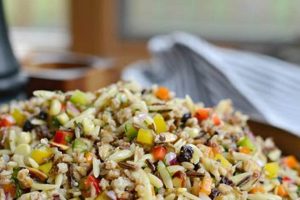
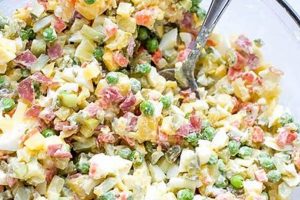
Dishes featuring uncooked fungi as a central ingredient offer a unique culinary experience. These preparations often incorporate a variety of other fresh elements, such as vegetables, herbs, and flavorful dressings, to complement the earthy notes and textures of the mushrooms. A simple example might include thinly sliced cremini mushrooms, arugula, shaved Parmesan cheese, and a lemon vinaigrette.
Consuming specific varieties of edible fungi in their raw state can offer nutritional benefits, including access to heat-sensitive vitamins and enzymes. Historically, raw mushrooms have played a role in various culinary traditions. However, it is crucial to exercise caution and ensure proper identification and sourcing, as some wild varieties are toxic when uncooked. Opting for cultivated mushrooms from reputable sources is paramount for safe consumption.
This exploration will delve into topics such as suitable mushroom varieties for raw consumption, preparation techniques to enhance flavor and minimize risks, complementary ingredients for balanced and delicious salads, and important safety considerations for handling and preparing dishes with uncooked fungi.
Tips for Preparing Dishes with Uncooked Mushrooms
Achieving both flavor and safety when incorporating raw fungi into culinary creations requires careful consideration. These guidelines offer essential advice for successful preparation.
Tip 1: Mushroom Selection is Paramount: Opt for commercially cultivated varieties known for safe raw consumption, such as button, cremini, portobello, or oyster mushrooms. Avoid wild varieties unless expertly identified as safe to eat raw.
Tip 2: Thorough Cleaning is Essential: Gently brush off any dirt or debris. Washing is generally discouraged as mushrooms absorb water easily, potentially diluting flavor and compromising texture. If necessary, quickly rinse and thoroughly pat dry.
Tip 3: Proper Slicing Enhances Flavor and Texture: Thinly slicing or shaving mushrooms exposes more surface area, maximizing interaction with other ingredients and improving digestibility.
Tip 4: Marinades Enhance Palatability: A flavorful marinade can tenderize the mushrooms and impart additional taste. Acidic ingredients, such as citrus juice or vinegar, can also help to “cook” the mushrooms slightly, improving both texture and safety.
Tip 5: Complementary Ingredients Create Balance: Combine uncooked mushrooms with ingredients that offer contrasting textures and flavors. Consider incorporating fresh herbs, leafy greens, nuts, seeds, or cheeses.
Tip 6: Freshness is Key: Use the freshest mushrooms available and prepare the dish shortly before serving to maximize flavor and minimize the risk of spoilage.
Tip 7: Temperature Control is Crucial: Store prepared dishes containing uncooked mushrooms at or below 40F (4C) to inhibit bacterial growth and maintain optimal quality.
Following these guidelines will ensure a safe and enjoyable culinary experience while maximizing the unique flavors and textures offered by uncooked mushrooms.
By adhering to these precautions and recommendations, one can confidently explore the diverse culinary possibilities presented by incorporating uncooked fungi into salads and other dishes.
1. Safe Mushroom Selection

Consuming raw mushrooms presents inherent risks due to potential toxicity. Safe mushroom selection is therefore paramount when preparing a raw mushroom salad. Choosing appropriate varieties minimizes these risks and ensures a safe and enjoyable culinary experience. The following facets offer essential guidance for informed selection.
- Cultivated vs. Wild Varieties
Cultivated mushrooms, grown in controlled environments, are generally safe for raw consumption. Common examples include button, cremini, portobello, and oyster mushrooms. Wild varieties, however, present significant risks as some contain toxins that are not neutralized by washing or brief marinades. Avoiding wild mushrooms unless expertly identified as safe for raw consumption is crucial for preventing adverse reactions.
- Source and Handling
Sourcing mushrooms from reputable suppliers ensures quality and reduces risks associated with improper handling. Look for mushrooms that appear fresh, firm, and free from bruises or blemishes. Proper refrigeration during storage and transport is essential for maintaining quality and preventing spoilage, which can render even safe varieties unsuitable for raw consumption.
- Species-Specific Considerations
Even within cultivated varieties, some species are better suited for raw consumption than others. For example, button and cremini mushrooms possess a mild flavor and firm texture that holds up well in salads. Shiitake mushrooms, while safe when cooked, can sometimes cause digestive upset when consumed raw. Understanding these nuances helps optimize both flavor and safety.
- Preparation for Raw Consumption
Once selected, appropriate preparation further enhances safety. Thorough cleaning removes any residual soil or debris. While washing is generally discouraged due to potential water absorption, a quick rinse followed by immediate and thorough drying is acceptable. Slicing or tearing the mushrooms into smaller pieces increases surface area, potentially improving digestibility and allowing for more even distribution of marinades.
By carefully considering these facets of safe mushroom selection, individuals can minimize potential health risks and confidently enjoy the unique flavors and textures of raw mushrooms in salads. Prioritizing safe sourcing, species selection, and appropriate preparation methods ensures a pleasurable and healthy culinary experience.
2. Thorough Cleaning
Thorough cleaning is a critical step in preparing a raw mushroom salad recipe. Because mushrooms are cultivated in soil or other growing mediums, they can harbor dirt, debris, and occasionally even insects. Consuming these contaminants can pose health risks and detract from the salad’s sensory experience. Furthermore, since raw mushrooms are not subjected to the high temperatures of cooking, which would eliminate many potential pathogens, meticulous cleaning becomes even more critical.
For instance, commercially grown mushrooms might contain remnants of the substrate used in cultivation. Wild mushrooms, though generally avoided in raw preparations due to safety concerns, would require even more rigorous cleaning if used. Thorough cleaning involves several steps, including gently brushing away visible dirt with a soft brush or damp cloth. While rinsing mushrooms is often discouraged due to their absorbent nature, a brief rinse under cool running water can be acceptable if immediately followed by thorough patting with a clean towel to minimize water absorption. This process removes surface contaminants while preserving the mushroom’s delicate texture and flavor.
Neglecting thorough cleaning can lead to unpleasant textural experiences, such as gritty particles in the salad, and potentially introduce harmful microorganisms. The importance of this step cannot be overstated, as it directly impacts both the safety and palatability of the final dish. By emphasizing meticulous cleaning practices, one elevates the quality of the raw mushroom salad, ensuring a safe and enjoyable culinary experience.
3. Flavorful Marinades

Flavorful marinades play a crucial role in raw mushroom salad recipes, enhancing the overall sensory experience by adding complexity, balancing earthiness, and improving textural appeal. Unlike cooked preparations where flavors meld through heat, raw salads rely heavily on complementary ingredients and flavorful enhancements. Marinades provide a crucial bridge, transforming the sometimes-bland profile of raw mushrooms into a more vibrant and palatable element of the dish.
- Balancing Earthiness
Raw mushrooms often possess a distinct earthy flavor that, while appreciated by some, can be overpowering in a salad. Marinades offer a balancing mechanism. Acidity, from ingredients like citrus juices or vinegars, cuts through the earthiness, creating a brighter, more refreshing taste. A lemon-herb marinade, for example, provides a zesty counterpoint to the mushroom’s natural earthiness.
- Textural Enhancement
Marinades can significantly improve the texture of raw mushrooms. The acidic components in marinades partially break down the mushroom’s cell walls, resulting in a more tender and less chewy texture. This process also allows the marinade to penetrate the mushroom more effectively, infusing it with flavor throughout. A marinade containing olive oil, for instance, adds a desirable richness and suppleness to the mushrooms.
- Flavor Infusion
Beyond balancing and tenderizing, marinades infuse raw mushrooms with complementary flavors. Ingredients such as garlic, ginger, herbs, and spices add depth and complexity to the mushroom’s inherent taste. A marinade featuring soy sauce, ginger, and garlic imbues the mushrooms with a savory, umami-rich profile.
- Food Safety Considerations
While marinades primarily focus on flavor and texture, they also contribute to food safety in raw mushroom salads. The acidic environment created by vinegar or citrus juice can inhibit the growth of certain bacteria, further enhancing the safety of consuming raw mushrooms. It’s crucial, however, to note that marinades alone do not eliminate all potential risks associated with raw mushroom consumption, highlighting the importance of safe mushroom selection and handling practices.
The careful selection and application of a flavorful marinade elevate the raw mushroom salad beyond a simple combination of ingredients. By balancing the mushroom’s earthiness, enhancing its texture, and infusing complementary flavors, the marinade transforms raw mushrooms into a culinary centerpiece. This transformative power, combined with the safety benefits of an acidic environment, solidifies the marinade’s essential role in a successful raw mushroom salad recipe.
4. Complementary Ingredients

Complementary ingredients are essential for a successful raw mushroom salad recipe. These ingredients interact with the mushrooms, creating a balanced and nuanced flavor profile while contributing to textural diversity. The inherent earthiness of raw mushrooms necessitates careful consideration of accompanying flavors and textures, transforming a simple ingredient list into a cohesive and satisfying culinary creation.
- Textural Contrast
Raw mushrooms, particularly when thinly sliced, can have a smooth, almost slippery texture. Incorporating ingredients that offer contrasting textures creates a more dynamic and enjoyable eating experience. Crispy elements like toasted nuts, seeds, or croutons provide a welcome counterpoint to the mushroom’s smoothness. Similarly, adding vegetables with a satisfying crunch, such as shredded carrots, bell peppers, or cucumbers, introduces textural complexity.
- Flavor Balancing
The earthy flavor of raw mushrooms benefits from ingredients that provide contrasting or complementary tastes. Acidity, often introduced through lemon juice or vinegar-based dressings, brightens the overall flavor profile and cuts through the mushroom’s richness. Fresh herbs like parsley, dill, or chives add a fresh, herbaceous element, while ingredients with a sharp, pungent flavor, such as red onion or shaved Parmesan cheese, offer a welcome contrast.
- Nutritional Enhancement
Complementary ingredients not only enhance flavor and texture but also contribute to the nutritional value of the salad. Adding nutrient-rich greens like spinach, arugula, or kale boosts the vitamin and mineral content. Nuts and seeds offer healthy fats and protein, creating a more balanced and satisfying meal. Dried fruits, used sparingly, provide a touch of sweetness and additional nutrients.
- Visual Appeal
A visually appealing salad is more enticing. Complementary ingredients contribute to the aesthetic presentation. Brightly colored vegetables create visual interest, while strategically placed herbs and garnishes enhance the overall presentation. The interplay of colors and textures elevates the dining experience, making the salad more appealing.
The strategic inclusion of complementary ingredients transforms raw mushrooms from a simple component into the foundation of a complex and satisfying salad. By balancing textures, contrasting and complementing flavors, enhancing nutritional value, and contributing to visual appeal, these carefully chosen additions elevate the raw mushroom salad to a sophisticated and enjoyable culinary experience.
5. Proper Storage

Proper storage is crucial for maintaining the quality, safety, and palatability of raw mushroom salads. Unlike cooked mushrooms, which have undergone a process that neutralizes certain spoilage organisms, raw mushrooms remain susceptible to enzymatic changes and microbial growth. These processes can lead to undesirable changes in texture, flavor, and, most importantly, safety. Therefore, understanding and implementing appropriate storage techniques is essential for anyone incorporating raw mushrooms into their culinary creations.
- Temperature Control
Maintaining a consistently low temperature is the most critical aspect of proper storage for raw mushrooms and salads containing them. Refrigeration, ideally between 32F (0C) and 40F (4C), significantly slows down enzymatic activity and microbial growth, preserving the mushrooms’ freshness and preventing spoilage. Higher temperatures accelerate these processes, leading to rapid deterioration and potential health hazards. Fluctuations in temperature can also contribute to condensation, promoting bacterial growth.
- Air Circulation
Proper air circulation is essential for preventing moisture buildup, which can lead to spoilage. Storing mushrooms in a loosely closed container or a perforated plastic bag within the refrigerator allows for adequate airflow, preventing excess humidity. Sealed containers trap moisture, creating an environment conducive to bacterial and fungal growth. This can result in slimy mushrooms and potentially harmful toxins. Maintaining air circulation preserves texture and inhibits spoilage.
- Container Choice
The choice of container impacts the longevity and quality of stored raw mushrooms. Avoid storing them in airtight containers, which can trap moisture. Perforated plastic bags or loosely covered containers are ideal. Materials that absorb moisture, such as paper towels, should not be placed directly against the mushrooms. Alternatively, placing a paper towel under the mushrooms can help absorb excess moisture that might accumulate.
- Time Sensitivity
Raw mushrooms, even under optimal storage conditions, have a limited shelf life. Ideally, they should be consumed within a few days of purchase. Prepared raw mushroom salads are even more perishable and should be consumed as soon as possible after preparation, ideally within the same day. Prolonged storage, even under refrigeration, increases the risk of spoilage and reduces the salad’s quality. Therefore, preparing raw mushroom salads close to serving time is a best practice.
Proper storage techniques are integral to a successful raw mushroom salad recipe. Temperature control, air circulation, appropriate container choice, and attention to time sensitivity contribute significantly to preserving the quality, safety, and enjoyment of these culinary creations. Neglecting these principles can compromise the salad’s sensory appeal and potentially pose health risks. By prioritizing proper storage, individuals can confidently incorporate raw mushrooms into their diets, enjoying their unique flavor and texture while ensuring food safety.
6. Culinary Creativity

Culinary creativity plays a vital role in elevating raw mushroom salad recipes from simple assemblages of ingredients to sophisticated and personalized culinary expressions. While adherence to safe handling practices remains paramount, the inherent versatility of raw mushrooms provides a canvas for innovative flavor combinations and presentations. This creativity manifests in various aspects of the recipe, from the selection of complementary ingredients to the development of unique marinades and dressings, and ultimately influences the overall sensory experience.
One example of culinary creativity lies in exploring global flavor profiles. A Thai-inspired raw mushroom salad might incorporate ingredients like lemongrass, ginger, chili, and cilantro, creating a vibrant and aromatic dish. Alternatively, a Mediterranean-inspired version could feature ingredients like sun-dried tomatoes, olives, feta cheese, and oregano, offering a savory and robust flavor profile. Such variations demonstrate how culinary creativity can transform a basic concept into a diverse range of culinary experiences. Further exploration of textures adds another dimension. Toasted nuts or seeds introduce a satisfying crunch, while creamy avocado or crumbled goat cheese provide contrasting smoothness. These textural nuances further enhance the complexity and enjoyment of the salad.
The practical significance of culinary creativity within the context of raw mushroom salad recipes lies in its ability to personalize and enhance the dining experience. It allows individuals to adapt recipes to personal preferences, dietary restrictions, and seasonal ingredient availability. Furthermore, creative exploration often leads to the discovery of unexpected flavor combinations and innovative presentation techniques, expanding culinary horizons and enriching the appreciation of raw mushrooms as a versatile and flavorful ingredient. This approach transcends mere sustenance, transforming the act of preparing and consuming a salad into a creative and fulfilling endeavor.
Frequently Asked Questions
This section addresses common inquiries regarding the preparation and consumption of salads featuring raw mushrooms.
Question 1: Are all mushrooms safe to consume raw?
No, only certain cultivated mushroom varieties are safe for raw consumption. Wild mushrooms should never be eaten raw due to the risk of toxicity. Safe varieties include button, cremini, portobello, and oyster mushrooms.
Question 2: What are the potential risks of consuming raw mushrooms?
Consuming improperly identified or handled raw mushrooms can lead to foodborne illness. Some individuals may also experience digestive upset even from safe varieties due to chitin, a component of fungal cell walls.
Question 3: How can one minimize risks associated with raw mushroom consumption?
Risks are minimized by selecting only cultivated mushrooms from reputable sources, practicing thorough cleaning, and consuming them promptly after purchase and preparation.
Question 4: What are the benefits of consuming raw mushrooms?
Raw mushrooms retain heat-sensitive nutrients, including certain vitamins and enzymes, that may be diminished during cooking. They also offer a unique textural and flavor dimension to salads.
Question 5: How should raw mushrooms be cleaned?
Gently brush off any visible dirt or debris with a soft brush or damp cloth. While generally discouraged, a brief rinse under cool running water followed by thorough drying is acceptable.
Question 6: How long can raw mushroom salad be stored safely?
Raw mushroom salads are highly perishable. For optimal quality and safety, consume the salad as soon as possible after preparation, preferably within the same day, and always store it at or below 40F (4C).
Prioritizing safe handling practices and informed ingredient selection ensures a pleasurable and healthy culinary experience with raw mushrooms.
Further exploration of specific recipes and preparation techniques provides additional guidance for safely and creatively incorporating raw mushrooms into one’s diet.
Raw Mushroom Salad Recipe
Careful consideration of ingredient selection, preparation techniques, and complementary flavors transforms the concept of a raw mushroom salad from a simple dish into a sophisticated culinary experience. Prioritizing food safety through the selection of appropriate mushroom varieties and meticulous cleaning practices is paramount. The strategic use of marinades enhances both flavor and texture, while the thoughtful incorporation of complementary ingredients elevates the salad’s nutritional value and sensory appeal. Proper storage techniques maintain freshness and minimize risks, ensuring the enjoyment of this unique culinary creation.
The exploration of raw mushroom salad recipes offers a pathway to culinary innovation and a deeper appreciation for the versatility of uncooked fungi. Adherence to safe handling practices, combined with a spirit of culinary creativity, empowers individuals to explore diverse flavor profiles and textures, ultimately enriching the dining experience and expanding culinary horizons. Continued exploration and refinement of these culinary techniques promise exciting possibilities for future innovation in the realm of raw food preparations.