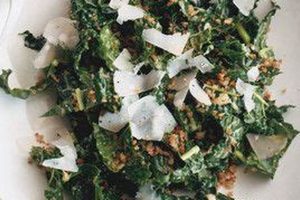
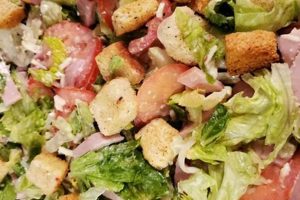
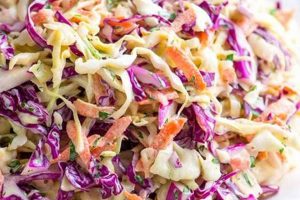
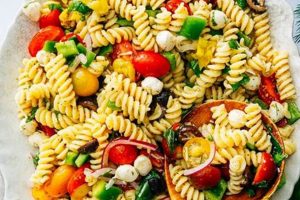
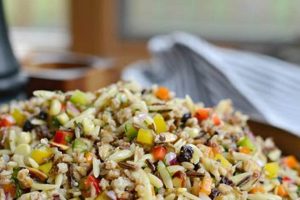
Combinations of walnuts, various greens, other vegetables, fruits, cheeses, and dressings create dishes offering a balance of textures and flavors. A simple version might include butter lettuce, crumbled blue cheese, candied walnuts, and a light vinaigrette, while more complex variations incorporate ingredients like roasted vegetables, dried cranberries, or grilled chicken.
These dishes provide nutritional benefits thanks to the omega-3 fatty acids in walnuts, which contribute to heart health. The inclusion of fresh produce adds vitamins and minerals, making these salads a healthy and satisfying meal option. Historically, nuts and greens have been paired in cuisines worldwide, adapting to regional ingredients and preferences. The evolution of these pairings has led to the diverse array of contemporary preparations available today.
This article will explore various approaches to crafting these culinary creations, from classic combinations to innovative interpretations. Discussions of ingredient selection, dressing preparation, and presentation techniques offer readers the knowledge to create their own flavorful and nutritious meals.
Tips for Crafting Exceptional Walnut Salads
Elevating a walnut salad from simple to extraordinary involves careful consideration of ingredients and techniques. The following tips offer guidance for achieving optimal flavor and texture.
Tip 1: Toast the Walnuts: Toasting walnuts enhances their inherent richness and provides a satisfying crunch. Spread them on a baking sheet and toast in a preheated oven at 350F (175C) for 5-7 minutes, or until fragrant.
Tip 2: Balance Flavors: Consider the interplay of sweet, savory, bitter, and acidic elements. Pair the earthiness of walnuts with contrasting flavors, such as the tang of goat cheese or the sweetness of dried cranberries.
Tip 3: Variety in Greens: Explore beyond basic lettuce. Arugula, spinach, or kale add depth and nutritional value. Consider a blend of textures and colors for visual appeal.
Tip 4: Dress Strategically: A vinaigrette complements the flavors of a walnut salad without overpowering delicate ingredients. A light coating is preferable; overdressing can make the salad soggy.
Tip 5: Consider Seasonal Ingredients: Seasonal fruits and vegetables offer peak flavor and freshness. Incorporate ingredients like roasted butternut squash in the fall or fresh berries in the summer.
Tip 6: Add Protein: Grilled chicken, fish, or tofu transform a walnut salad into a complete meal. Choose proteins that complement the other flavors without dominating the dish.
Tip 7: Proper Storage: Store dressed and undressed components separately to maintain optimal freshness. Dress the salad just before serving to prevent wilting.
By focusing on ingredient quality, flavor balance, and thoughtful preparation, one can create walnut salads that are both delicious and nutritious. These tips provide a foundation for culinary exploration and personalized creations.
This exploration of techniques and ingredients provides a strong basis for crafting exceptional walnut salads. The following section will conclude with a summary of key concepts and encourage further experimentation in the kitchen.
1. Ingredient Selection

Ingredient selection forms the foundation of successful walnut salad recipes. Careful consideration of each component’s flavor profile, texture, and nutritional contribution ensures a balanced and satisfying culinary experience. Strategic choices elevate a simple salad to a sophisticated dish.
- Greens:
The choice of greens establishes the salad’s base flavor and texture. Robust options like kale or arugula provide a peppery counterpoint to the richness of walnuts, while butter lettuce offers a delicate, mild flavor. Spinach contributes a slightly earthy note and substantial texture. A blend of greens can create a more complex and visually appealing salad.
- Fruits and Vegetables:
Fruits and vegetables introduce contrasting flavors, textures, and colors. Sweet elements, such as dried cranberries, sliced apples, or roasted butternut squash, complement the nuttiness of walnuts. Crisp vegetables like celery or bell peppers add a refreshing crunch. The inclusion of seasonal produce ensures optimal flavor and nutritional value.
- Cheese:
Cheese contributes a creamy texture and a salty, tangy, or sharp flavor dimension, depending on the variety. Crumbled blue cheese offers a pungent contrast to the richness of walnuts, while goat cheese provides a tangy and slightly earthy note. Feta cheese lends a salty and briny flavor. Hard cheeses, such as Parmesan, can be shaved or grated to add a savory element.
- Other additions:
Beyond core components, other additions can further enhance flavor and texture. Toasted sunflower or pumpkin seeds offer a different type of crunch. Dried fruits, like cranberries or apricots, introduce sweetness and chewiness. Caramelized onions provide a savory sweetness. These additions offer opportunities for customization and creativity.
The interplay of these carefully chosen ingredients determines the overall balance and complexity of the final dish. Harmonizing flavors, textures, and colors elevates the walnut salad from a simple combination of ingredients to a well-composed culinary creation. The cumulative effect of individual components determines the overall sensory experience and nutritional value.
2. Flavor Balancing
Flavor balancing is paramount in crafting successful walnut salad recipes. The inherent richness of walnuts necessitates thoughtful consideration of other ingredients to prevent overwhelming the palate. A harmonious blend of flavors creates a more satisfying and nuanced culinary experience. The goal is to create a dynamic interplay where each element complements and enhances the others, rather than competing for dominance.
The characteristically earthy and slightly bitter notes of walnuts provide a foundation upon which other flavors can be built. Sweetness, acidity, and saltiness play crucial roles in balancing the overall profile. For example, the sweetness of dried cranberries or caramelized onions offsets the walnut’s earthiness. A tangy vinaigrette, incorporating ingredients like apple cider vinegar or lemon juice, introduces acidity to cut through the richness. Salty elements, such as crumbled blue cheese or feta, provide a savory counterpoint and enhance other flavors. Incorporating a variety of textures further enhances the dining experience. Crisp lettuce, creamy avocado, and crunchy walnuts create a delightful interplay.
A well-balanced walnut salad offers a complex flavor profile that evolves with each bite. The initial taste might highlight the nuttiness of the walnuts, followed by the sweetness of dried fruit, the tang of the dressing, and the saltiness of the cheese. This interplay of flavors prevents any single element from dominating and keeps the palate engaged. Failure to balance flavors can result in a one-dimensional salad that is either too rich, too sweet, or too tart. Careful consideration of each ingredient’s flavor contribution is essential for achieving a harmonious result. A balanced approach elevates the walnut salad from a simple dish to a more sophisticated culinary creation.
3. Textural Contrast

Textural contrast significantly contributes to the sensory appeal of walnut salad recipes. The inherent crunch of walnuts provides a foundational textural element, offering a satisfying counterpoint to softer ingredients. This interplay of textures elevates the eating experience beyond mere flavor, engaging multiple senses and adding complexity to each bite. Consider a salad combining crisp romaine lettuce, creamy avocado, crunchy toasted walnuts, and crumbly feta cheese. The variety of textures creates a dynamic mouthfeel, enhancing enjoyment.
Achieving optimal textural contrast often involves incorporating a range of ingredients representing diverse textural profiles. Leafy greens, whether crisp romaine or tender spinach, establish a foundational texture. Adding elements like dried cranberries offers a chewy contrast to the crunch of walnuts. Roasted vegetables, such as butternut squash or sweet potatoes, contribute a soft, yielding texture. The interplay between these elements creates a multi-dimensional sensory experience. Without textural variation, a salad can feel monotonous, even with balanced flavors. The strategic incorporation of diverse textures adds depth and interest.
Understanding the role of textural contrast allows for more intentional and nuanced recipe development. Balancing textures, much like balancing flavors, elevates a simple walnut salad to a more sophisticated culinary creation. The goal is to create a dish that is not only flavorful but also texturally stimulating, offering a dynamic eating experience that satisfies on multiple levels. Considering textural contrast during recipe development allows for the creation of well-rounded and engaging dishes.
4. Dressing Choice

Dressing choice significantly impacts the overall flavor profile and balance of walnut salad recipes. The right dressing complements the other ingredients without overwhelming their individual contributions. A poorly chosen dressing can mask subtle flavors or create an imbalance, detracting from the intended culinary experience. Careful consideration of dressing options ensures a harmonious and enjoyable result.
- Vinaigrettes:
Vinaigrettes, typically a blend of oil and vinegar, offer a light and tangy counterpoint to the richness of walnuts. A simple balsamic vinaigrette provides a classic pairing, while a citrus vinaigrette, using lemon or orange juice, adds a brighter, more vibrant note. The acidity in vinaigrettes cuts through the richness of the nuts and other ingredients, preventing the salad from feeling too heavy. Experimenting with different oils, such as extra virgin olive oil or walnut oil, further enhances flavor complexity.
- Creamy Dressings:
Creamy dressings, like buttermilk or blue cheese dressing, can complement walnut salads, particularly those with robust flavors. However, moderation is key. A heavy dressing can overpower the delicate flavors of the greens and other components. If using a creamy dressing, opt for a lighter version or use it sparingly to avoid masking the other flavors. Consider a buttermilk dressing with fresh herbs for a lighter, more refreshing take on a creamy dressing.
- Flavor Infusions:
Infusing dressings with complementary flavors further enhances the overall salad profile. Adding ingredients like honey, maple syrup, or Dijon mustard to a vinaigrette introduces nuanced sweetness or tanginess. Roasted garlic or herbs, such as thyme or rosemary, create depth and complexity. These flavor infusions should align with the other salad ingredients, creating a cohesive and balanced taste experience.
- Dressing Application:
The manner in which the dressing is applied impacts the salad’s overall texture and flavor distribution. Lightly coating the ingredients ensures that every element is seasoned without making the salad soggy. Tossing the salad just before serving prevents the greens from wilting and maintains their crispness. Overdressing can lead to a heavy, unappetizing salad where individual flavors become muddled.
Selecting the appropriate dressing involves considering the salad’s other components and the desired flavor profile. A well-chosen dressing enhances the overall culinary experience, unifying the flavors and creating a harmonious balance. Conversely, a poorly chosen dressing can detract from the carefully curated flavors and textures of the salad. Understanding the nuances of dressing selection allows for more informed and deliberate recipe development, ultimately leading to a more satisfying and enjoyable culinary creation.
5. Presentation
Presentation plays a crucial role in the overall enjoyment of walnut salad recipes. While flavor and texture are paramount, visual appeal significantly enhances the dining experience. Thoughtful presentation elevates a simple salad from a basic meal to a more refined culinary creation. Consideration of color, arrangement, and serving vessel contributes to a more engaging and appetizing final product.
- Color Palette:
A vibrant color palette stimulates visual interest and appetite. The natural colors of ingredients, such as the deep green of spinach, the bright orange of carrots, and the rich brown of walnuts, create an appealing contrast. Incorporating colorful fruits, like berries or pomegranate seeds, further enhances visual appeal. A monochromatic presentation can also be effective, focusing on varying shades of green, for example. Intentional use of color contributes to a more aesthetically pleasing and appetizing dish.
- Arrangement:
The arrangement of ingredients impacts both visual appeal and the eating experience. A thoughtfully arranged salad offers a more engaging presentation than simply tossing ingredients together. Consider layering ingredients to create height and visual interest. Arranging components in distinct sections allows diners to appreciate individual flavors and textures. For individual servings, consider a composed salad, where elements are intentionally placed rather than mixed, creating a visually striking plate.
- Serving Vessel:
The choice of serving vessel contributes to the overall presentation. A simple wooden bowl offers a rustic aesthetic, while a sleek white plate provides a modern backdrop for vibrant colors. Individual bowls or plates allow for more controlled portioning and presentation. For larger gatherings, a platter or shallow bowl facilitates sharing and creates a visually appealing centerpiece. The serving vessel should complement the salad’s style and the overall dining atmosphere.
- Garnishes:
Garnishes provide finishing touches that enhance both visual appeal and flavor. A sprinkle of chopped fresh herbs, such as parsley or chives, adds a pop of color and freshness. A drizzle of balsamic glaze or a scattering of toasted walnut pieces adds textural and visual interest. Garnishes should be used sparingly and complement the existing flavors of the salad, enhancing rather than overpowering the overall composition.
Consideration of these presentational aspects elevates walnut salad recipes from simple meals to visually appealing and engaging culinary experiences. A well-presented salad enhances enjoyment and reflects the care taken in its creation. By understanding the impact of visual appeal, one can create dishes that are not only delicious but also aesthetically pleasing, transforming a simple salad into a culinary masterpiece.
Frequently Asked Questions
This section addresses common inquiries regarding walnut salad recipes, offering concise and informative responses to facilitate a deeper understanding of preparation techniques and ingredient selection.
Question 1: How can rancidity in walnuts be avoided?
Store walnuts in an airtight container in a cool, dark, and dry environment. Refrigeration extends shelf life. Freezing is recommended for long-term storage.
Question 2: What dressings best complement the flavor of walnuts?
Light vinaigrettes, such as balsamic or citrus-based dressings, typically complement walnuts without overpowering their flavor. Creamy dressings, while permissible, should be used sparingly to avoid masking the nut’s delicate taste.
Question 3: Can other nuts be substituted for walnuts?
Substitutions are possible, though they will alter the flavor profile. Pecans, almonds, or hazelnuts offer similar textures and complementary flavors. Consider the specific nut’s flavor profile when adjusting other ingredients.
Question 4: How can wilting of greens be prevented after dressing a salad?
Dress the salad immediately before serving. Storing dressed and undressed components separately ensures optimal freshness. If preparing in advance, keep the dressing separate and toss just prior to consumption.
Question 5: What are optimal walnut salad pairings for a complete meal?
Grilled chicken or fish, crusty bread, or a light soup complement walnut salads well, creating a balanced and satisfying meal. Consider flavor compatibility when selecting pairings.
Question 6: How can one enhance the flavor of walnuts in a salad?
Toasting walnuts enhances their natural flavor and adds a pleasant crunch. Spread them on a baking sheet and toast in a preheated oven at 350F (175C) for 5-7 minutes, or until fragrant. Be careful not to burn them.
Addressing these common questions provides a comprehensive understanding of preparing and enjoying walnut salads. Thoughtful consideration of these points ensures optimal flavor, texture, and presentation.
The following section will offer concluding thoughts and encourage culinary exploration with walnut salad recipes.
Walnut Salad Recipes
This exploration of walnut salad recipes has highlighted the key elements contributing to successful preparations. From the foundational importance of ingredient selection and flavor balancing to the nuances of textural contrast, dressing choice, and presentation, each aspect plays a vital role in the final culinary outcome. Careful consideration of these elements allows for the creation of dishes that are not only nutritionally valuable but also offer a complex and satisfying sensory experience. The versatility of walnut salad recipes provides a canvas for culinary creativity, accommodating diverse flavor profiles and dietary preferences.
Walnut salad recipes offer a platform for continuous culinary exploration. The adaptability of these recipes encourages experimentation with diverse ingredients and flavor combinations, reflecting individual preferences and seasonal availability. Further exploration of culinary techniques and ingredient pairings promises continued evolution and refinement within the realm of walnut salad preparation. The potential for innovation within this culinary space remains vast, offering opportunities for both novice and experienced cooks to create unique and satisfying dishes.