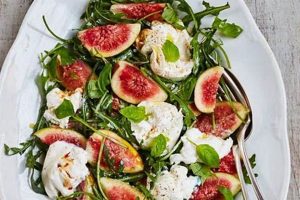
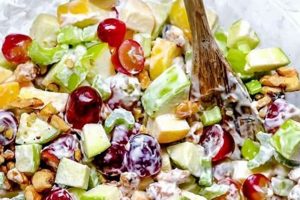
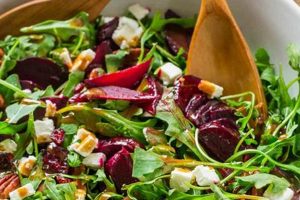
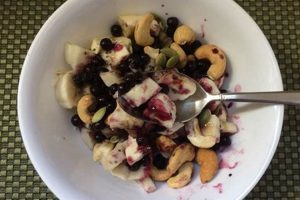
Festive salads offer a refreshing counterpoint to rich holiday meals, incorporating seasonal ingredients and flavors. These dishes can range from light and citrusy options featuring winter greens and pomegranate seeds, to more substantial salads incorporating roasted vegetables, nuts, dried fruits, or cheeses. A vibrant cranberry and walnut salad with a tangy vinaigrette, for example, exemplifies the balance these dishes bring to a celebratory table.
Beyond their palate-cleansing properties, these seasonal compositions contribute nutritional variety to a traditionally heavy meal. They offer an opportunity to showcase fresh, locally sourced produce during the winter months and can be easily adapted to accommodate dietary restrictions or preferences. Historically, winter salads were often simple affairs featuring preserved vegetables or hardy greens, evolving over time to incorporate more elaborate and globally-inspired ingredients as culinary traditions expanded.
This exploration will delve into diverse options for holiday salads, covering classic recipes, modern variations, and creative presentations suitable for any festive gathering. From ingredient selection and preparation techniques to dressing pairings and serving suggestions, the following sections will provide a comprehensive guide to crafting the perfect complement to a celebratory holiday meal.
Tips for Festive Holiday Salads
Elevating holiday meals with complementary salads involves careful consideration of ingredients, flavors, and presentation. These tips offer guidance for creating memorable and flavorful additions to any festive table.
Tip 1: Embrace Seasonal Ingredients: Utilize peak-season produce like winter citrus fruits, pomegranates, kale, and Brussels sprouts to maximize flavor and freshness.
Tip 2: Balance Flavors and Textures: Combine contrasting elements like sweet and savory, crunchy and soft. Pair peppery arugula with creamy goat cheese and candied pecans, for instance.
Tip 3: Consider the Main Course: Select salad ingredients and dressings that complement, rather than compete with, the main course. A lighter salad pairs well with a rich entre, while a heartier salad can accompany simpler dishes.
Tip 4: Dress Strategically: Avoid overdressing. Lightly coat the salad just before serving to prevent wilting and maintain texture. Consider offering dressings on the side for guests to customize.
Tip 5: Enhance Visual Appeal: Thoughtful presentation elevates the dining experience. Utilize vibrant colors, varied textures, and attractive servingware to create visually appealing salads.
Tip 6: Prepare Components in Advance: Wash and chop vegetables, toast nuts, and prepare dressings ahead of time to streamline the process and reduce stress on the day of the event.
Tip 7: Don’t Forget Herbs: Fresh herbs add brightness and depth of flavor. Consider incorporating parsley, mint, dill, or chives for an extra layer of complexity.
By incorporating these tips, one can craft festive salads that enhance both the visual and culinary aspects of the holiday dining experience, offering a delightful balance to richer dishes and showcasing the best of seasonal flavors.
Following these suggestions will ensure a harmonious balance of flavors and textures, contributing to a memorable and enjoyable festive meal.
1. Festive Ingredients
The hallmark of a successful Christmas dinner salad lies in its incorporation of festive ingredients. These elements contribute not only to the visual appeal but also to the overall flavor profile, creating a dish that resonates with the celebratory spirit of the occasion. Careful selection of these components elevates the salad beyond a simple side dish, transforming it into an integral part of the holiday meal.
- Seasonal Produce
Utilizing seasonal produce ensures optimal flavor and freshness. Winter greens like kale, spinach, and radicchio offer a robust base, while fruits such as pomegranates, pears, and citrus fruits provide bursts of color and sweetness. Choosing ingredients at their peak enhances the overall quality and taste of the salad.
- Nuts and Seeds
Toasted nuts and seeds add a welcome textural element and contribute a richness of flavor. Pecans, walnuts, almonds, and pumpkin seeds provide a satisfying crunch and complement the sweetness of fruits and the earthiness of winter greens. These ingredients also offer nutritional benefits.
- Dried Fruits
Dried cranberries, apricots, and cherries inject a concentrated sweetness and chewiness, adding another layer of complexity to the salad. These ingredients can be incorporated whole or chopped, depending on the desired texture and presentation. Their intense flavor complements both savory and sweet elements.
- Cheese
Crumbled cheeses, such as feta, goat cheese, or blue cheese, introduce a creamy, tangy counterpoint to the other ingredients. The choice of cheese should complement the overall flavor profile of the salad, balancing sweetness and acidity. Stronger cheeses can be used sparingly for a more pronounced impact.
By thoughtfully combining these festive ingredients, one can create a Christmas dinner salad that is both visually appealing and palate-pleasing. The interplay of textures, flavors, and colors enhances the dining experience, contributing to a memorable and celebratory meal. A well-composed salad, featuring these elements, serves as a refreshing complement to richer holiday dishes, providing a balanced and satisfying culinary experience.
2. Balanced Flavors

A crucial element of successful Christmas dinner salad recipes lies in the careful balancing of flavors. This balance prevents any single taste from dominating, ensuring the salad complements the overall meal rather than overpowering it. Achieving this harmony involves a considered combination of sweet, savory, acidic, and bitter notes, resulting in a complex and satisfying culinary experience.
- Sweetness
Sweet elements, often derived from fruits like dried cranberries, oranges, or apples, provide a foundational layer of flavor. These can be balanced by the tartness of dressings or the bitterness of certain greens. The level of sweetness should be carefully calibrated to avoid overwhelming the other flavor components. For instance, candied pecans offer a concentrated sweetness that pairs well with peppery arugula.
- Acidity
Acidity, frequently introduced through vinaigrettes or citrus segments, cuts through richness and provides a refreshing counterpoint to sweeter elements. The sharpness of a lemon vinaigrette, for example, can balance the sweetness of roasted butternut squash or the creaminess of goat cheese. This element is crucial in preventing the salad from feeling overly heavy or sweet.
- Savory Notes
Savory notes, originating from ingredients like toasted nuts, cheeses, or cured meats, add depth and complexity. These elements provide a grounding counterpoint to sweetness and acidity, creating a more well-rounded flavor profile. The saltiness of crumbled bacon, for instance, can enhance the sweetness of dried cranberries and the earthiness of kale.
- Bitterness
Bitterness, present in greens like radicchio or endive, offers a sophisticated edge and prevents the salad from being overly sweet. This element, when used judiciously, adds a layer of complexity and depth. The slight bitterness of radicchio, for example, can balance the sweetness of pears and the creaminess of a blue cheese dressing.
The interplay of these four flavor componentssweetness, acidity, savory notes, and bitternesscreates a nuanced and balanced salad that complements the richness of a traditional Christmas dinner. By carefully considering the proportions and combinations of these elements, one can create a dish that is both refreshing and satisfying, enhancing the overall dining experience. This careful orchestration of flavors elevates the salad beyond a simple side dish, transforming it into a key component of a festive and balanced meal.
3. Complementary Textures

Textural diversity is a defining characteristic of well-executed Christmas dinner salads. The interplay of contrasting texturescrispy, creamy, crunchy, and chewyelevates the sensory experience, adding depth and interest beyond flavor alone. This dynamic interplay prevents monotony, ensuring each bite offers a unique and satisfying combination. Consider the contrast between crisp romaine lettuce, crunchy candied pecans, and creamy goat cheese: the variety stimulates the palate and enhances enjoyment.
Achieving textural balance requires a strategic selection of ingredients. Leafy greens provide a foundational texture, often soft and yielding. Incorporating crunchy elements like toasted nuts, croutons, or raw vegetables, such as thinly sliced fennel or julienned carrots, introduces a contrasting crispness. Creamy components, like avocado, cheese, or a dollop of yogurt-based dressing, add a luxurious mouthfeel. Chewy elements, such as dried cranberries or roasted chickpeas, further contribute to the textural tapestry. A salad featuring roasted sweet potatoes, toasted walnuts, spinach, and crumbled feta cheese exemplifies this multi-textured approach.
Understanding the role of texture enhances the ability to craft compelling and satisfying salads. The careful consideration of textural contrast elevates a simple salad to a more complex and enjoyable culinary experience. This attention to detail contributes significantly to the overall success of a Christmas dinner, offering a refreshing and stimulating counterpoint to richer, often uniformly textured, dishes. The thoughtful incorporation of varied textures distinguishes a truly memorable salad, demonstrating culinary expertise and enhancing the festive meal.
4. Vibrant Presentation

Visual appeal plays a significant role in the overall enjoyment of a Christmas dinner. Vibrant presentation elevates a salad from a simple side dish to a centerpiece, enhancing the festive atmosphere. Color, texture, and thoughtful arrangement contribute to this visual appeal, stimulating appetite and creating a sense of occasion. A salad featuring deep red radicchio, bright green spinach, orange segments, and pomegranate arils exemplifies the impact of color. The contrast draws the eye and adds to the festive table setting. This visual appeal sets the stage for a positive dining experience.
Strategic use of color enhances the perceived freshness and flavor of a salad. Incorporating a variety of colorful ingredients not only adds visual interest but also suggests a range of nutrients and flavors. For example, a salad composed solely of iceberg lettuce appears less appealing than one with mixed greens, roasted vegetables, and colorful fruits. The variety signals a more complex and flavorful experience. Garnishes, such as fresh herbs or edible flowers, further enhance the visual impact, adding a touch of elegance. These details communicate care and attention, contributing to a more refined dining experience.
The presentation of a Christmas dinner salad should complement the overall table setting. Serving the salad in an attractive bowl or platter, using appropriate serving utensils, and considering the placement on the table contribute to a cohesive and aesthetically pleasing presentation. Individual portions, plated artfully, can also elevate the dining experience, particularly for more formal gatherings. The effort invested in presentation demonstrates attention to detail and contributes to a memorable and enjoyable Christmas dinner. This consideration ultimately enhances the celebratory nature of the meal.
5. Seasonal Produce

Seasonal produce forms the foundation of exceptional Christmas dinner salad recipes. Utilizing ingredients at their peak ripeness guarantees optimal flavor and nutritional value, enhancing both the taste and the visual appeal of the salad. This emphasis on seasonality aligns with broader culinary trends towards freshness and sustainability, contributing to a more mindful and enjoyable holiday meal.
- Winter Greens
Hardy winter greens like kale, spinach, and radicchio offer a robust base for festive salads. Their earthy flavors and vibrant colors provide a canvas for other seasonal ingredients. Kale’s sturdy texture holds up well to heavier dressings, while spinach offers a milder flavor that complements delicate ingredients. Radicchio contributes a subtle bitterness that balances sweetness and richness. These greens provide essential vitamins and minerals, contributing to a nutritious and flavorful salad.
- Citrus Fruits
Winter citrus fruits, such as oranges, grapefruits, and mandarins, introduce bright, tangy notes and vibrant color. Their acidity balances the richness of other holiday dishes, offering a refreshing counterpoint. Citrus segments add visual interest and a burst of flavor. The vitamin C content of these fruits also contributes to the nutritional value of the salad.
- Winter Root Vegetables
Roasted root vegetables, such as beets, carrots, and parsnips, add depth and complexity to winter salads. Roasting intensifies their natural sweetness and creates a caramelized flavor that complements other seasonal ingredients. These vegetables provide a hearty element to the salad, offering both texture and nutritional value. Their earthy sweetness pairs well with tangy dressings and crunchy nuts.
- Winter Fruits
Fruits like pears, pomegranates, and persimmons offer unique flavors and textures to Christmas dinner salads. Pears provide a delicate sweetness and a smooth texture, while pomegranates offer a burst of juicy tartness and visual appeal with their ruby-red arils. Persimmons contribute a unique, slightly astringent flavor and a soft, custard-like texture. These fruits add both flavor and visual interest, enhancing the festive nature of the salad.
By incorporating these seasonal ingredients, Christmas dinner salads become more than just a side dish; they transform into a celebration of winter flavors. The emphasis on fresh, peak-season produce elevates the culinary experience, contributing to a more memorable and satisfying holiday meal. This connection to seasonality adds depth and meaning to the dining experience, reflecting a conscious appreciation for the bounty of the season.
6. Make-Ahead Components

Efficiency in holiday meal preparation often hinges on strategic planning, particularly for dishes like Christmas dinner salads where freshness is paramount. Utilizing make-ahead components significantly streamlines the process, allowing for a more relaxed and enjoyable holiday experience. This approach reduces stress on the day of the event, allowing hosts to focus on other crucial elements of the meal and spend more time with guests.
Several salad components lend themselves well to advance preparation. Dressings can be made days ahead and stored in airtight containers in the refrigerator, allowing flavors to meld. Nuts can be toasted and stored at room temperature, maintaining their crunch and enhancing their flavor. Heartier vegetables, such as root vegetables, can be roasted and stored, ready to be added to the salad closer to serving time. Washing and chopping vegetables, such as lettuce and herbs, a day or two in advance saves valuable time on the day of the event. These components can be stored in airtight containers lined with paper towels to absorb excess moisture and maintain freshness. For example, preparing a cranberry-orange vinaigrette, toasting pecans, and roasting butternut squash a day or two before Christmas significantly reduces preparation time on the day of the dinner.
Strategic utilization of make-ahead components contributes to a more successful and less stressful Christmas dinner. It allows for a focus on presentation and last-minute details, ensuring the salad maintains its freshness and vibrancy. This preparation also allows for more complex flavor combinations, as elements like dressings have time to develop. By implementing this approach, the creation of a festive and flavorful salad becomes a manageable and enjoyable aspect of the holiday celebration, rather than a source of stress. The time saved translates into more opportunities for connection and celebration with loved ones, ultimately enhancing the spirit of the holiday.
7. Versatile Dressings
Versatile dressings play a crucial role in successful Christmas dinner salad recipes. Their adaptability allows them to complement a wide range of flavor profiles and ingredients, enhancing the overall dining experience. A well-chosen dressing can balance the richness of the main course, brighten the flavors of seasonal produce, and tie together diverse elements within the salad itself. This adaptability becomes particularly important during the holidays, when meals often feature a variety of dishes with distinct flavor profiles. For example, a light vinaigrette with citrus notes can cut through the richness of a roasted turkey or ham, while a creamy dressing based on yogurt or buttermilk can complement lighter proteins or vegetable-based dishes. The ability of a dressing to harmonize with diverse elements on the holiday table underscores its importance.
The versatility of a dressing stems from its ability to balance fundamental flavor components: sweetness, acidity, saltiness, and bitterness. A simple vinaigrette, for instance, can be adapted to suit a variety of salads. Adding a touch of honey or maple syrup introduces sweetness, while incorporating different types of vinegar, such as apple cider or balsamic, allows for variations in acidity. Incorporating fresh herbs or spices, like Dijon mustard or minced garlic, adds complexity and depth of flavor. A creamy dressing can be similarly adapted by using different bases, such as Greek yogurt, sour cream, or buttermilk, and incorporating herbs, spices, or citrus zest. These variations demonstrate the adaptability of dressings and their potential to elevate a wide range of salads. A cranberry-walnut salad, for instance, might benefit from a citrus vinaigrette, while a roasted butternut squash salad might pair well with a maple-balsamic dressing.
Understanding the role of versatile dressings in Christmas dinner salad recipes enables informed choices that enhance the overall meal. The ability to adapt a dressing to complement specific ingredients and balance the overall flavor profile of the meal contributes significantly to a successful holiday dining experience. This understanding empowers hosts to create salads that not only serve as refreshing complements to richer dishes but also stand as culinary highlights in their own right. The careful consideration of dressing choices contributes to a cohesive and harmonious meal, demonstrating culinary expertise and enhancing the enjoyment of the festive occasion. This attention to detail elevates the entire dining experience, making the meal more memorable and enjoyable for all.
Frequently Asked Questions about Christmas Dinner Salads
This section addresses common inquiries regarding the inclusion and preparation of salads for Christmas dinner, offering practical guidance and clarifying potential uncertainties.
Question 1: How far in advance can Christmas dinner salad dressings be prepared?
Vinaigrettes can be prepared up to a week in advance, while creamy dressings are best made 2-3 days ahead. Storing dressings in airtight containers in the refrigerator allows flavors to meld and enhances their overall quality.
Question 2: What are suitable salad greens for a winter holiday salad?
Hearty winter greens like kale, spinach, and radicchio offer robust flavor and texture. These greens hold up well to heavier dressings and complement seasonal ingredients. Consider a mix of greens for varied flavor and visual appeal.
Question 3: How can one prevent a salad from becoming soggy when prepared in advance?
Keep dressings separate until just before serving. Store washed and dried greens in airtight containers lined with paper towels to absorb excess moisture. Add crunchy elements like croutons or nuts just before serving to maintain their texture.
Question 4: What are some non-traditional ingredients that can enhance a Christmas dinner salad?
Roasted root vegetables, such as beets or parsnips, add sweetness and depth. Dried fruits, like cranberries or apricots, provide a festive touch. Consider incorporating cheeses like blue cheese or goat cheese for a tangy counterpoint. Toasted nuts or seeds offer textural contrast.
Question 5: How can a Christmas dinner salad be adapted for guests with dietary restrictions?
Offer dressings on the side to accommodate those with allergies or sensitivities. Clearly label ingredients to indicate potential allergens like nuts or dairy. Provide gluten-free croutons or omit them entirely for gluten-free diets. Offer a variety of toppings to cater to individual preferences.
Question 6: What are some strategies for balancing flavors in a Christmas dinner salad?
Balance sweetness with acidity. For example, pair sweet dried cranberries with a tangy citrus vinaigrette. Incorporate savory elements, such as toasted nuts or cheese, to add depth. Consider the bitterness of certain greens, like radicchio, to counterbalance sweetness.
Careful planning and attention to detail ensure the Christmas dinner salad complements the meal while offering a refreshing and flavorful experience. Addressing these common questions facilitates a more informed approach to salad preparation, contributing to a successful and enjoyable holiday celebration.
The following section will explore specific Christmas dinner salad recipes, putting these principles into practice and offering inspiration for creating festive and flavorful dishes.
Christmas Dinner Salad Recipes
Christmas dinner salad recipes represent a significant opportunity to enhance the holiday dining experience. Careful consideration of ingredients, textures, flavors, and presentation elevates these dishes beyond simple accompaniments, transforming them into integral components of a balanced and memorable meal. The strategic use of seasonal produce, balanced flavor profiles, and complementary textures ensures these salads offer a refreshing counterpoint to richer holiday fare. Advance preparation of key components streamlines the cooking process, allowing for a more relaxed and enjoyable celebration. Versatile dressings further contribute to the adaptability and appeal of these salads, enabling customization to complement diverse palates and dietary preferences.
Exploration of diverse Christmas dinner salad recipes offers a pathway to culinary creativity and festive expression. The potential to showcase seasonal ingredients, experiment with flavor combinations, and create visually stunning presentations transforms salad preparation into an art form. Embracing these opportunities elevates the entire holiday dining experience, fostering a deeper appreciation for the culinary arts and the shared enjoyment of a festive meal. This exploration encourages a shift in perspective, positioning Christmas dinner salad recipes not merely as side dishes, but as essential elements that contribute significantly to the spirit and enjoyment of the holiday season.