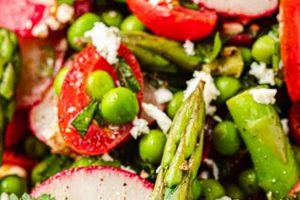
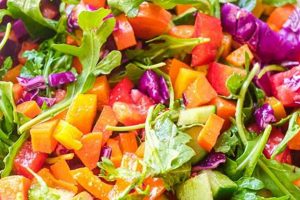
A mixture of chopped olives, other vegetables, and various seasonings, often pickled, forms the foundation of many Mediterranean and Southern US cuisines. Common ingredients can include green olives, pimento-stuffed olives, celery, bell peppers, capers, garlic, onion, and various herbs and spices. These mixtures can be oil-packed or vinegar-packed, influencing both flavor and preservation.
This culinary staple brings a salty, briny, and often piquant flavor dimension to dishes. Historically, preserving vegetables in oil or vinegar extended their shelf life, making them available year-round. This practicality, combined with the robust flavor profile, contributes to its enduring popularity in appetizers, sandwiches, and as a crucial component of dishes like muffuletta and Italian salads. It offers a convenient way to incorporate complex flavors into a meal.
The following sections will explore various preparation methods, regional variations, and creative applications of these flavorful combinations.
Tips for Crafting Exceptional Olive Salads
Achieving a well-balanced and flavorful olive salad requires attention to detail and an understanding of ingredient interactions. The following tips provide guidance for creating a superior culinary experience.
Tip 1: Olive Selection is Key: Opt for high-quality olives with a firm texture and robust flavor. Experimenting with different olive varieties, such as Castelvetrano, Kalamata, or Cerignola, can add depth and complexity.
Tip 2: Freshness Matters: Utilizing fresh, crisp vegetables significantly enhances the overall flavor and texture. Thoroughly wash and dry all vegetables before chopping to ensure optimal quality.
Tip 3: Balancing Flavors: Achieving a harmonious blend of salty, tangy, and savory elements is crucial. Adjust the quantities of ingredients like capers, garlic, and spices to create a customized flavor profile.
Tip 4: Proper Chopping Technique: Uniformly chopping the ingredients ensures even distribution of flavors and a pleasing texture. Avoid overly fine chopping, which can lead to a mushy consistency.
Tip 5: Marinating for Enhanced Flavor: Allowing the salad to marinate for several hours, or even overnight, allows the flavors to meld and deepen, resulting in a more complex and satisfying experience.
Tip 6: Oil and Vinegar Selection: The choice of oil and vinegar can significantly impact the salad’s overall character. Extra virgin olive oil offers a rich, fruity flavor, while red wine vinegar provides a pleasant tang. Experimenting with different types can create unique flavor combinations.
Tip 7: Proper Storage: Store the olive salad in an airtight container in the refrigerator to maintain its freshness and prevent spoilage. It typically remains enjoyable for up to a week when properly stored.
By following these guidelines, one can create an olive salad that elevates any dish, from simple sandwiches to elaborate antipasto platters. Careful consideration of ingredients, preparation methods, and storage techniques ensures a flavorful and enjoyable culinary experience.
With these tips in mind, the possibilities for creating exceptional olive salads are endless. The following section will explore specific recipe variations and serving suggestions.
1. Ingredient Selection

Ingredient selection significantly impacts the final flavor profile and texture of an olive salad. The choice of olives themselves forms the foundation. Green olives offer a briny, slightly bitter taste, while black olives, such as Kalamata, provide a richer, more assertive flavor. Castelvetrano olives, with their buttery texture and mild flavor, contribute a delicate nuance. The interplay of these varieties, or a focus on a single type, dictates the overall character of the salad.
Beyond olives, the selection of other vegetables further shapes the sensory experience. Carrots add a touch of sweetness and crunch, while celery provides a refreshing, vegetal note. Bell peppers introduce a subtle sweetness and vibrant color, while pickled vegetables like cauliflower or giardiniera contribute a tangy complexity. Consider regional variations; for instance, a Sicilian olive salad might incorporate chopped artichoke hearts, whereas a New Orleans-style muffuletta salad typically features pickled vegetables like carrots and cauliflower. These choices reflect local culinary traditions and ingredient availability, adding unique regional characteristics to the final product.
Finally, the aromatics and seasonings complete the flavor profile. Garlic provides a pungent bite, while red pepper flakes introduce heat. Fresh herbs, such as oregano or thyme, contribute an earthy aroma. The choice of oil and vinegar also influences the final result. Extra virgin olive oil imparts a fruity, peppery flavor, while red wine vinegar adds a sharp tang. Careful consideration of these elements ensures a harmonious blend of flavors and textures. Understanding the impact of each ingredient allows for customization and the creation of olive salads tailored to specific culinary applications and preferences.
2. Proportion Balancing
Proportion balancing is paramount in crafting a successful olive salad. The interplay of ingredients, from the olives themselves to the supporting vegetables, aromatics, and seasonings, determines the final flavor profile. A well-balanced salad offers a harmonious blend of salty, briny, acidic, and piquant notes, engaging the palate with complexity and depth. Achieving this balance requires careful consideration of the relative quantities of each component.
- Olive-to-Vegetable Ratio:
The ratio of olives to other vegetables influences the salad’s overall character. A higher proportion of olives creates a more intense, olive-forward flavor, while a greater quantity of vegetables results in a milder, more vegetal profile. A classic muffuletta salad, for example, often features a balanced olive-to-vegetable ratio, allowing the flavors of both components to shine.
- Acidity Level:
The acidity level, primarily derived from vinegar or pickled vegetables, plays a crucial role in balancing the richness of the olives and oil. Too much acidity can make the salad overly tart, while too little can result in a bland, one-dimensional flavor. Adjusting the amount of vinegar or the inclusion of ingredients like capers or pickled peppers allows for precise control over the salad’s acidity.
- Aromatic Intensity:
The quantity of aromatics, such as garlic, onions, and herbs, significantly impacts the salad’s overall pungency and complexity. A delicate balance is essential; too much garlic can overpower the other flavors, while too little can leave the salad lacking depth. Consider the specific aromatics used; for example, a salad featuring fresh oregano will have a different aromatic profile than one using rosemary or thyme.
- Heat Level:
The addition of spices like red pepper flakes introduces heat, adding another dimension to the flavor profile. The amount used should be carefully calibrated to achieve the desired level of spiciness without overwhelming the other flavors. Some regional variations, such as spicy giardiniera, embrace a higher heat level, while others prioritize a milder, more balanced flavor.
By carefully considering these facets of proportion balancing, one can create an olive salad that perfectly complements its intended application, whether as a standalone appetizer, a sandwich filling, or a component of a larger dish. The interplay of these elements allows for endless variations and the creation of unique flavor profiles tailored to individual preferences.
3. Chopping Techniques

Chopping techniques significantly influence the texture and flavor development of olive salads. Uniformity in size ensures even distribution of flavors and a pleasing mouthfeel. A coarse chop preserves the integrity of individual ingredients, allowing their distinct textures to contribute to the overall sensory experience. This approach suits salads featuring larger ingredients like olives, artichoke hearts, or bell peppers. Conversely, a finer chop creates a more cohesive blend, where individual flavors meld together. This technique is ideal for salads incorporating smaller ingredients like capers, garlic, or herbs. Inconsistent chopping leads to uneven flavor distribution and an undesirable textural disparity where some elements dominate while others fade into the background. The interplay between ingredient size and marinade absorption also necessitates careful consideration. Smaller pieces absorb the marinade more readily, intensifying their flavors while larger pieces retain their individual characteristics. For instance, finely chopped garlic infused throughout the oil imparts a pervasive pungent flavor, whereas coarsely chopped garlic offers bursts of intense flavor with each bite. Similarly, larger pieces of olives retain their briny, salty character, while finely chopped olives disperse their flavor more evenly.
Consider a classic Italian olive salad. Uniformly chopped olives, celery, and bell peppers ensure a balanced distribution of flavors and a pleasant crunch in each bite. A muffuletta, on the other hand, often benefits from a coarser chop of its pickled vegetables, allowing their textures to stand out amidst the other ingredients. These examples illustrate the impact of chopping technique on the final product. Furthermore, the method employed can also enhance or diminish the salad’s visual appeal. A uniformly chopped salad presents a clean, organized appearance, while a haphazardly chopped salad appears less refined. This visual element, while often overlooked, contributes to the overall dining experience.
Mastery of chopping techniques empowers culinary control over both flavor and texture. A precise chop elevates the olive salad, transforming it from a simple mixture of ingredients into a carefully constructed culinary creation. Understanding the interplay between chopping technique, ingredient size, and flavor development allows for tailored preparation suited to specific recipe requirements. From the rustic charm of a coarsely chopped antipasto to the refined elegance of a finely diced olive relish, appropriate chopping techniques enhance the overall culinary experience.
4. Marination Methods
Marination plays a crucial role in the development of complex flavors within olive salads. The process allows for the infusion of flavors from the marinade into the various components, transforming individual ingredients into a cohesive, flavorful whole. The duration of marination directly impacts the intensity of the final product. Brief marinades, lasting a few hours, impart subtle nuances, while longer marinades, extending overnight or even several days, result in a more profound flavor transformation. The choice of marinating liquid also significantly influences the final flavor profile. Vinegar-based marinades contribute a tangy acidity, while oil-based marinades offer a richer, more mellow flavor. Combined oil and vinegar marinades provide a balanced interplay of acidity and richness, creating a more complex flavor profile. Furthermore, the inclusion of herbs, spices, and aromatics in the marinade further enhances the complexity of the final product.
Consider a classic Mediterranean olive salad marinated in a simple mixture of extra virgin olive oil, red wine vinegar, garlic, and oregano. Over time, the olives absorb the flavors of the marinade, their brininess complemented by the fruity oil, tangy vinegar, and pungent garlic. The oregano infuses the oil, adding an herbaceous dimension to the overall flavor profile. This example illustrates the transformative power of marination, even with simple ingredients. A more complex marinade, incorporating ingredients like lemon zest, chili flakes, or capers, further amplifies the flavor profile. Similarly, a muffuletta salad often benefits from a longer marination period, allowing the pickled vegetables to fully absorb the flavors of the olive oil and spices. This extended marination results in a richer, more integrated flavor experience.
Understanding the impact of marination duration, marinating liquid composition, and ingredient interaction allows for precise control over the final flavor profile of an olive salad. Careful consideration of these factors ensures the creation of a balanced, flavorful condiment that elevates a variety of dishes. Marination is not merely a step in the recipe; it is a crucial element that transforms individual ingredients into a harmonious and flavorful ensemble. This understanding, coupled with careful execution, elevates the olive salad from a simple mixture to a culinary creation showcasing the transformative power of flavor infusion.
5. Serving Suggestions
Serving suggestions provide crucial context for understanding the versatility and culinary potential of olive salads. These suggestions highlight the various applications of these flavorful mixtures, extending beyond their role as a simple condiment. The manner in which an olive salad is served directly impacts the overall dining experience, influencing flavor perception and complementing the accompanying dishes.
Consider the classic muffuletta sandwich, a New Orleans staple. Here, the olive salad is not merely an ingredient; it is the defining element, contributing a briny, piquant counterpoint to the rich cured meats and cheeses. Served warm on crusty bread, the olive salad’s flavors meld with the other components, creating a harmonious and satisfying culinary experience. Similarly, an olive salad can elevate a simple antipasto platter, providing a burst of flavor alongside cured meats, cheeses, and marinated vegetables. In this context, the salad’s texture and acidity cut through the richness of the other elements, creating a balanced and engaging appetizer. Furthermore, olive salads can enhance grilled fish or chicken, adding a bright, briny dimension to these dishes. The salad’s acidity complements the richness of the protein, while its texture provides a pleasant counterpoint. Spooned over crostini, olive salad becomes an elegant appetizer, its vibrant flavors enhanced by the crisp, toasted bread.
Effective serving suggestions not only highlight the versatility of olive salads but also provide practical guidance for incorporating them into various culinary contexts. Understanding these applications allows for a deeper appreciation of the olive salad’s potential, transforming it from a simple condiment into a versatile culinary tool. This knowledge empowers culinary exploration, encouraging experimentation and the creation of unique flavor combinations. By recognizing the multifaceted nature of olive salads, one can fully appreciate their role in enhancing and elevating a wide range of dishes, from simple appetizers to elaborate main courses.
6. Storage Practices

Proper storage practices are essential for maintaining the quality, flavor, and safety of olive salads. Neglecting these practices can lead to spoilage, undesirable textural changes, and potential health risks. Effective storage preserves the vibrant flavors and textures achieved through careful ingredient selection and preparation, ensuring the olive salad remains a culinary asset.
- Container Selection
Selecting appropriate storage containers plays a crucial role in preserving olive salad. Airtight containers, preferably made of glass or food-grade plastic, are ideal. These containers minimize exposure to air, which can cause oxidation and spoilage. Avoid reactive metals, such as copper or aluminum, which can interact with the acidic components of the salad and impart undesirable flavors. The size of the container should match the quantity of olive salad, minimizing headspace and reducing air exposure.
- Temperature Control
Maintaining consistent refrigeration is crucial for preserving olive salads. Refrigeration inhibits microbial growth, extending the salad’s shelf life. The ideal temperature range is between 34F and 40F (1C and 4C). Avoid storing olive salad in areas of the refrigerator prone to temperature fluctuations, such as the door. Freezing is generally not recommended, as it can negatively impact the texture of the ingredients, particularly the olives, resulting in a mushy consistency upon thawing.
- Headspace Management
Minimizing headspace within the storage container helps preserve the olive salad’s quality. Excess air promotes oxidation, leading to off-flavors and a shortened shelf life. When storing olive salad in a jar, ensure the salad is fully submerged in the oil or brine, creating an anaerobic environment that inhibits microbial growth and preserves flavor. For salads stored in other containers, ensure a tight seal to minimize air exposure.
- Shelf Life Considerations
Even with proper storage, olive salads have a limited shelf life. Oil-packed salads generally last longer than vinegar-packed varieties, due to the preservative properties of the oil. Properly stored olive salad typically remains enjoyable for one to two weeks in the refrigerator. Regularly inspect the salad for signs of spoilage, such as mold growth, off-odors, or changes in texture. Discard any salad exhibiting these signs to prevent foodborne illness.
Adhering to these storage practices ensures that the time and effort invested in creating a delicious olive salad are not wasted. Proper storage maximizes the salad’s shelf life, preserving its vibrant flavors and textures for optimal enjoyment. These practices contribute to a safe and satisfying culinary experience, allowing the olive salad to enhance a variety of dishes with its unique flavor profile.
Frequently Asked Questions
This section addresses common inquiries regarding olive salad preparation, storage, and utilization.
Question 1: How long can olive salad be stored in the refrigerator?
Properly stored olive salad typically remains enjoyable for one to two weeks in the refrigerator. Oil-packed varieties generally have a longer shelf life than vinegar-packed options.
Question 2: Can olive salad be frozen?
Freezing is generally not recommended. Freezing can negatively impact the texture of the ingredients, particularly the olives, resulting in a mushy consistency upon thawing.
Question 3: What type of oil is best for making olive salad?
Extra virgin olive oil is generally preferred for its robust flavor and health benefits. However, other oils, such as sunflower or canola oil, can be used.
Question 4: What is the best way to prevent olive salad from spoiling?
Store the salad in an airtight container in the refrigerator, ensuring the salad is fully submerged in oil or brine to minimize air exposure.
Question 5: Can olive salad be used in cooked dishes?
While typically served cold, olive salad can be incorporated into cooked dishes. However, high heat can diminish the flavor of some ingredients, such as fresh herbs.
Question 6: What are some common variations of olive salad?
Variations exist across different culinary traditions. Muffuletta salad, a New Orleans staple, often includes pickled vegetables, while Sicilian olive salad may feature artichoke hearts.
Understanding these frequently asked questions allows for informed decision-making regarding olive salad preparation and utilization. Proper storage and ingredient selection contribute to a safe and enjoyable culinary experience.
The following section will provide a collection of curated olive salad recipes, showcasing the versatility and adaptability of this culinary staple.
Olive Salad Recipes
Exploration of olive salad recipes reveals a diverse culinary landscape. From ingredient selection and proportion balancing to chopping techniques and marination methods, each facet contributes to the final product’s complexity and flavor profile. Proper storage practices ensure these carefully crafted mixtures retain their quality and vibrancy. Serving suggestions highlight the versatility of olive salads, demonstrating their adaptability across various culinary applications, from simple appetizers to elaborate sandwiches and main courses.
Olive salad recipes offer a gateway to culinary creativity. Understanding the foundational principles empowers customization and exploration, leading to unique flavor combinations tailored to individual preferences. This knowledge fosters an appreciation for the rich culinary heritage surrounding olive salads and encourages further exploration of their potential within the broader gastronomic landscape. Continued experimentation promises exciting new interpretations of this timeless culinary staple.