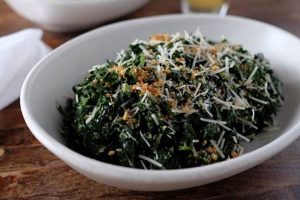
Dishes featuring finely cut kale as a base, combined with various complementary ingredients, constitute a versatile and nutritious meal option. These preparations often incorporate vegetables like carrots, red cabbage, and bell peppers, along with protein sources such as chickpeas, grilled chicken, or tofu. A flavorful dressing, commonly vinaigrette-based, enhances the overall taste and texture. An example includes massaged kale with roasted sweet potatoes, cranberries, and pecans dressed with a maple-Dijon vinaigrette.
Such culinary creations offer significant nutritional value due to kale’s high vitamin and mineral content, including vitamins A, K, and C, as well as fiber and antioxidants. Historically, kale consumption can be traced back to ancient Greece and Rome, with its popularity resurfacing in recent years due to increased awareness of its health benefits. The adaptability of kale allows for diverse flavor profiles and caters to various dietary preferences, including vegan, vegetarian, and gluten-free options.
This exploration will delve into the various components and techniques that contribute to successful preparations, encompassing ingredient selection, dressing variations, and creative flavor combinations. Further discussion will cover nutritional aspects, potential health advantages, and practical tips for optimal preparation and enjoyment.
Tips for Preparing Kale Salads
Achieving optimal flavor and texture in kale salads requires attention to key preparation techniques.
Tip 1: Massage the Kale: Massaging the kale leaves with a small amount of olive oil or lemon juice helps tenderize the leaves, reducing their chewiness and bitterness. This process breaks down the tough cell walls, resulting in a more palatable and enjoyable salad.
Tip 2: Choose the Right Kale Variety: Different kale varieties offer unique flavor profiles and textures. Curly kale is robust and readily available, while lacinato (dinosaur) kale offers a sweeter, more delicate flavor. Consider the overall flavor profile desired when selecting the kale type.
Tip 3: Balance Flavors: Incorporate a variety of ingredients to create a balanced and complex flavor profile. Combine sweet elements (fruits, roasted vegetables) with savory components (nuts, cheeses, proteins) and acidic notes (vinaigrettes, citrus).
Tip 4: Properly Chop the Kale: Chop the kale into bite-sized pieces, removing the tough stems. Uniformly sized pieces ensure even coating with dressing and consistent texture throughout the salad.
Tip 5: Don’t Overdress: Add dressing gradually, tossing gently to coat the leaves evenly. Avoid overdressing, which can make the salad soggy.
Tip 6: Consider Marinating: Marinating the chopped kale with the dressing for a short period, even just 15-30 minutes, allows the flavors to meld and the leaves to soften further.
Tip 7: Add Crunchy Elements: Toasted nuts, seeds, or croutons provide a satisfying textural contrast to the softened kale.
Following these guidelines ensures a delicious and nutritious salad. Proper preparation enhances the flavor, texture, and overall enjoyment of kale’s inherent nutritional benefits.
By incorporating these tips, individuals can create flavorful and satisfying salads that highlight the versatility and nutritional value of this leafy green.
1. Kale Variety
Kale variety plays a significant role in the final outcome of chopped kale salad recipes. Different kale types offer unique flavor profiles and textures, influencing the overall sensory experience. Curly kale, with its robust, slightly bitter taste and frilly texture, lends itself well to heartier salads with bold dressings. Lacinato kale (also known as dinosaur kale), possessing a sweeter, more delicate flavor and flat, slightly bumpy leaves, complements lighter, brighter flavor combinations. Red Russian kale, with its reddish-purple hue and peppery taste, adds a visual and flavorful dimension to salads. Choosing the appropriate kale variety aligns the salad’s components and ensures a balanced and enjoyable dish. For example, a robust salad featuring roasted vegetables and a creamy dressing might benefit from the heartiness of curly kale, while a lighter salad with citrus fruits and a vinaigrette might be better suited to the milder flavor of lacinato kale.
The choice of kale variety also impacts the preparation method. Curly kale, with its thicker leaves, often benefits from massaging or marinating to tenderize its texture and reduce bitterness. Lacinato kale, being more tender, requires less manipulation and can be readily incorporated into salads with minimal preparation. Understanding these nuances allows for optimized preparation techniques, resulting in a salad that maximizes the chosen kale’s qualities. For instance, massaging curly kale with lemon juice and olive oil softens its texture and mellows its flavor, creating a more palatable base for the salad. Conversely, gently tossing lacinato kale with a light vinaigrette preserves its delicate texture and subtly sweet flavor.
Selecting the right kale variety is therefore essential for crafting a successful chopped kale salad. Consideration of flavor profiles, textures, and preparation techniques associated with each variety allows for informed decisions that contribute to a well-balanced and enjoyable culinary experience. Choosing a variety that complements the other ingredients ensures that the kale contributes positively to the overall flavor profile and texture of the dish, maximizing the nutritional and sensory benefits. This careful selection elevates the chopped kale salad beyond a simple dish to a carefully constructed culinary creation.
2. Ingredient Combinations
Ingredient combinations are fundamental to successful chopped kale salad recipes. Strategic pairings enhance flavor, texture, and nutritional value. Thoughtful selection of complementary components elevates the salad from a simple dish to a complex and satisfying meal. The following facets illustrate the importance of ingredient combinations in these culinary creations.
- Fruits and Vegetables
Incorporating a variety of fruits and vegetables contributes essential vitamins, minerals, and antioxidants. Sweet and savory combinations offer contrasting flavors and textures. Examples include roasted sweet potatoes, dried cranberries, chopped apples, bell peppers, and shredded carrots. These additions create a balanced nutritional profile and enhance the salad’s overall appeal. The sweetness of roasted butternut squash, for instance, complements the slight bitterness of kale, while the crunch of bell peppers provides textural contrast.
- Proteins and Healthy Fats
Adding protein and healthy fats transforms a side dish into a complete meal. Options such as grilled chicken, roasted chickpeas, toasted nuts, and avocado provide satiety and essential nutrients. These additions contribute to a balanced nutritional profile and offer diverse flavor and texture enhancements. Toasted almonds provide crunch and healthy fats, while grilled chicken or tofu offer a substantial protein source.
- Grains and Seeds
Incorporating grains and seeds increases fiber content and adds textural complexity. Quinoa, farro, and sunflower seeds provide nutritional benefits and complement the other ingredients. These components offer a diverse range of nutrients and create a more substantial and satisfying salad. Quinoa adds a protein boost and a light, fluffy texture, while toasted sunflower seeds contribute healthy fats and a satisfying crunch.
- Flavor Enhancers
Strategic use of herbs, spices, and other flavor enhancers elevates the overall taste profile. Fresh herbs like parsley and mint add brightness, while spices such as cumin or chili flakes introduce complexity. Other additions, such as toasted sesame seeds or nutritional yeast, offer unique flavor dimensions. Freshly grated Parmesan cheese, for example, provides a salty, umami element, while a squeeze of lemon juice adds brightness and acidity.
The interplay of these ingredient combinations defines the character of a chopped kale salad. Careful consideration of flavor profiles, textures, and nutritional values creates a harmonious and satisfying culinary experience. A well-composed salad offers a balanced nutritional profile and provides a delightful interplay of flavors and textures. By thoughtfully combining ingredients, one can create a chopped kale salad that is not only healthy but also a truly enjoyable culinary experience.
3. Dressing Choices

Dressing choices significantly impact the overall flavor profile and palatability of chopped kale salads. The right dressing complements the other ingredients, balancing flavors and enhancing the salad’s nutritional value. A well-chosen dressing can transform a simple salad into a culinary delight, unifying the diverse components and creating a cohesive and satisfying dish. The following facets illustrate the crucial role of dressing choices in chopped kale salad recipes.
- Acidity
Acidity is a key element in kale salad dressings, providing brightness and balancing the sometimes-bitter notes of kale. Vinegar-based dressings, such as red wine vinaigrette or apple cider vinaigrette, offer a sharp, tangy counterpoint to the kale’s earthiness. Citrus-based dressings, employing lemon or lime juice, provide a lighter, zestier acidity. The level of acidity should complement the other ingredients; a lighter salad with delicate flavors might benefit from a citrus vinaigrette, while a heartier salad with roasted vegetables might pair well with a more robust red wine vinaigrette. Proper acidity enhances the overall flavor profile, creating a balanced and refreshing taste experience. For example, a lemon-tahini dressing adds brightness and balances the richness of avocado and toasted nuts in a kale salad.
- Flavor Profiles
Dressing flavor profiles should harmonize with the other ingredients, creating a cohesive and balanced taste. Creamy dressings, such as those based on avocado, tahini, or Greek yogurt, offer richness and complement salads with roasted vegetables or nuts. Vinaigrettes, with their diverse flavor variations, provide versatility and can be tailored to specific ingredient combinations. A maple-Dijon vinaigrette, for instance, complements salads with roasted sweet potatoes and pecans, while a balsamic vinaigrette pairs well with salads featuring tomatoes and mozzarella. A carefully chosen flavor profile elevates the salad beyond its individual components, creating a unified and satisfying dish.
- Oil Choices
The type of oil used in a dressing impacts both flavor and nutritional content. Extra virgin olive oil offers a robust flavor and provides healthy monounsaturated fats. Avocado oil, with its mild flavor and high smoke point, is suitable for salads with delicate flavors. Other options, such as flaxseed oil or walnut oil, offer distinct flavor profiles and additional nutritional benefits. The choice of oil should complement the overall flavor profile of the salad and contribute to its nutritional value. For instance, a salad featuring Mediterranean flavors might benefit from extra virgin olive oil, while a salad with a more neutral flavor profile might utilize a milder avocado oil.
- Emulsification and Texture
The emulsification and texture of a dressing affect how it coats the kale and interacts with the other ingredients. A stable emulsion, achieved by properly whisking or blending the dressing, ensures that the oil and other liquids do not separate, creating a smooth and consistent texture. The thickness of the dressing influences its ability to cling to the kale leaves, ensuring even distribution of flavor. A thicker dressing, such as a creamy dressing based on tahini or Greek yogurt, might be more suitable for salads with heavier ingredients, while a thinner vinaigrette works well with lighter salads. Proper emulsification and texture contribute to a more enjoyable eating experience, ensuring that every bite is evenly coated with flavor.
The interplay of these facetsacidity, flavor profiles, oil choices, and emulsificationdetermines the success of a dressing in a chopped kale salad. Careful consideration of these elements ensures that the dressing complements the other ingredients, enhancing both the flavor and the overall dining experience. A well-chosen dressing elevates the chopped kale salad from a simple dish to a carefully composed culinary creation, maximizing both its nutritional and sensory appeal.
4. Preparation Techniques

Preparation techniques significantly influence the final quality and enjoyment of chopped kale salad recipes. These techniques affect not only the salad’s texture and palatability but also its nutritional value. Improper handling can result in a tough, bitter salad, while careful preparation transforms kale into a tender, flavorful base. The connection between preparation techniques and the final product is crucial for achieving a successful culinary outcome.
One key technique is massaging the kale. This process involves gently rubbing the leaves with a small amount of oil or acid, such as lemon juice or vinegar. Massaging breaks down the tough cell walls of the kale, reducing bitterness and making the leaves more tender and palatable. This step is particularly important for curly kale varieties, which tend to be more fibrous. Failure to massage the kale can result in a chewy, unpleasant texture, while proper massaging yields a softer, more enjoyable salad. For example, massaging kale with olive oil and lemon juice for a few minutes prior to adding other ingredients significantly improves its texture and flavor.
Another critical aspect is the knife technique employed during chopping. Finely chopping the kale ensures even distribution of dressing and prevents large, unwieldy pieces. Uniformly sized pieces contribute to a more aesthetically pleasing presentation and a more consistent eating experience. Improper chopping, resulting in uneven pieces, can lead to inconsistent flavor distribution and an unpleasant mouthfeel. Using a sharp knife and employing a consistent chopping motion are essential for achieving the desired result. Furthermore, removing the tough stems before chopping contributes to a more tender and palatable salad. For instance, finely chopping the kale into bite-sized pieces allows for even coating with the dressing and creates a more pleasant texture.
Proper washing and drying of the kale are also essential. Thorough washing removes any dirt or debris, while proper drying prevents the salad from becoming soggy. Excess water dilutes the dressing and can make the salad less flavorful. Using a salad spinner effectively removes excess water, ensuring that the dressing adheres properly to the kale leaves. Neglecting this step can compromise the overall flavor and texture of the salad. For example, thoroughly washing and drying the kale leaves before chopping prevents the salad from becoming watery and diluted.
In summary, preparation techniques are integral to successful chopped kale salad recipes. Massaging, chopping, washing, and drying all contribute significantly to the final product’s flavor, texture, and overall enjoyment. Careful attention to these details elevates the dish from a simple salad to a carefully prepared culinary creation. Understanding and implementing these techniques ensures a more palatable and enjoyable eating experience, maximizing the nutritional and sensory benefits of kale.
5. Nutritional Value

Nutritional value represents a cornerstone of chopped kale salad recipes, significantly influencing their role in a health-conscious diet. Kale itself offers a rich array of vitamins, minerals, and antioxidants. Vitamins A, C, and K contribute to immune function, skin health, and blood clotting, respectively. The mineral content, including calcium, potassium, and magnesium, supports bone health, electrolyte balance, and muscle function. Furthermore, kale provides a substantial amount of fiber, promoting digestive health and satiety. The inherent nutritional density of kale establishes a strong foundation for nutrient-rich salads. For example, a single cup of chopped kale provides a significant portion of the recommended daily intake of these essential nutrients.
The nutritional profile of a chopped kale salad extends beyond the kale itself. Ingredient combinations play a crucial role in enhancing the overall nutritional value. The addition of other vegetables, such as carrots, bell peppers, and red onion, further diversifies the vitamin and mineral content. Incorporating protein sources, such as grilled chicken, chickpeas, or tofu, elevates the protein content, contributing to muscle growth and repair. Healthy fats, from sources like avocado, nuts, and seeds, provide essential fatty acids and enhance the absorption of fat-soluble vitamins. Strategic ingredient selection maximizes the nutritional density of the salad, creating a balanced and comprehensive nutritional profile. A kale salad with grilled salmon, avocado, and a variety of colorful vegetables offers a complete and nutrient-rich meal, providing a wide spectrum of vitamins, minerals, healthy fats, and protein.
Understanding the nutritional composition of chopped kale salads allows for informed dietary choices. Recognizing the contributions of individual ingredients empowers individuals to tailor recipes to specific dietary needs and preferences. This awareness facilitates the creation of meals that align with individual health goals, whether focusing on increased fiber intake, enhanced protein consumption, or targeted vitamin and mineral supplementation. The practical significance of this understanding lies in its ability to transform chopped kale salads from simple dishes into powerful tools for promoting health and well-being. Furthermore, appreciating the nutritional value encourages mindful ingredient selection and promotes a deeper connection with the food consumed. This awareness contributes to a holistic approach to nutrition, fostering a greater appreciation for the role of food in overall health and well-being.
Frequently Asked Questions
This section addresses common inquiries regarding the preparation and consumption of chopped kale salads, offering practical guidance and clarifying potential misconceptions.
Question 1: How can bitterness in kale be mitigated?
Massaging the kale leaves with a small amount of olive oil, lemon juice, or apple cider vinegar helps break down the compounds responsible for bitterness. This process also tenderizes the leaves, enhancing texture.
Question 2: What storage methods preserve freshness?
Storing chopped kale in an airtight container lined with a paper towel in the refrigerator preserves freshness for up to three days. It is recommended to store the dressing separately and add it just before serving.
Question 3: What are suitable protein pairings?
Grilled chicken, fish, tofu, chickpeas, lentils, and hard-boiled eggs are excellent protein additions, enhancing nutritional value and satiety. The choice of protein can be tailored to individual dietary preferences and flavor profiles.
Question 4: Can other leafy greens be combined with kale?
Spinach, romaine lettuce, and arugula can be combined with kale to create a mixed greens salad with diverse flavors and textures. This expands nutritional variety and offers a wider range of flavors.
Question 5: How can dressing adherence to kale be improved?
Ensuring the kale leaves are thoroughly dry after washing promotes better adherence of the dressing. Massaging the kale also helps the leaves absorb the dressing more effectively, distributing flavor evenly.
Question 6: What are alternatives to traditional vinaigrettes?
Creamy dressings based on tahini, avocado, or Greek yogurt offer alternatives to vinaigrettes, providing different flavor profiles and textures. These options complement salads with heartier ingredients, such as roasted vegetables or nuts.
Understanding these key aspects of preparation and customization optimizes the nutritional and culinary experience of incorporating chopped kale salads into one’s diet. Addressing these frequently asked questions provides a solid foundation for successful preparation and enjoyment.
The subsequent section will explore specific recipe variations, showcasing the versatility and adaptability of chopped kale salads.
Conclusion
Chopped kale salad recipes represent a versatile and nutritious culinary option, offering a wide range of flavor profiles and health benefits. Careful selection of kale variety, complementary ingredients, and appropriate dressings contributes significantly to the overall quality and enjoyment of these dishes. Proper preparation techniques, such as massaging the kale and employing precise chopping methods, enhance both texture and palatability. Understanding the nutritional composition of kale and its synergistic relationship with other ingredients empowers informed dietary choices. Addressing common preparation challenges, such as mitigating bitterness and ensuring dressing adherence, further optimizes the culinary experience.
Exploration of diverse ingredient combinations and flavor profiles encourages culinary creativity and expands the potential of chopped kale salads beyond basic preparations. Continued experimentation with various ingredients and dressings unlocks new flavor dimensions and ensures ongoing enjoyment. The adaptability of chopped kale salad recipes provides a platform for culinary innovation and contributes to a diverse and health-conscious diet.