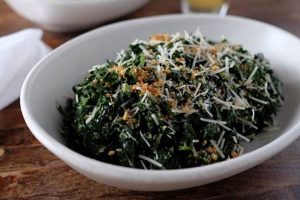
A culinary preparation involving beets cooked in dry heat until tender and slightly caramelized, then combined with other ingredients to create a balanced and flavorful dish. Variations abound, incorporating diverse greens, cheeses, nuts, and dressings, reflecting culinary creativity and regional influences. An example would be roasted beets paired with goat cheese, candied pecans, and orange vinaigrette over baby spinach.
Dishes featuring cooked beets offer both nutritional value and culinary versatility. Beets are rich in antioxidants and nitrates, promoting cardiovascular health. The roasting process enhances their natural sweetness, creating a desirable flavor profile that complements a wide range of ingredients. Historically, beets have been valued for their nutritional and medicinal properties across cultures, and their incorporation into salads represents a modern expression of this culinary heritage.
This exploration will delve into the selection and preparation of beets, examine various complementary ingredients and dressing options, and provide guidance on composing balanced and visually appealing salads.
Tips for Crafting Exceptional Beet Salads
Achieving optimal flavor and texture in beet salads requires attention to detail throughout the preparation process. These tips offer guidance on roasting beets, balancing flavors, and creating visually appealing presentations.
Tip 1: Uniform Roasting: Ensure even cooking by selecting beets of similar size. Trim greens, leaving an inch of stem and root intact to prevent bleeding during roasting.
Tip 2: Roasting Methods: Roasting methods influence both flavor and cleanup. Wrapping beets individually in foil prior to roasting concentrates their sweetness and simplifies peeling. Alternatively, roasting beets directly on a baking sheet yields slightly crispier edges.
Tip 3: Enhancing Sweetness: A touch of acidity brightens the earthy sweetness of beets. Consider incorporating balsamic glaze, citrus segments, or a vinaigrette with lemon juice or vinegar.
Tip 4: Textural Variety: Contrast the soft texture of roasted beets with crunchy elements such as toasted nuts (walnuts, pecans), crumbled goat cheese, or toasted bread crumbs.
Tip 5: Balancing Flavors: Earthy beet flavors pair well with pungent cheeses (goat, blue), peppery greens (arugula, watercress), and citrus notes.
Tip 6: Dressing Application: Dress the salad just before serving to prevent the greens from wilting and the other components from becoming soggy.
Tip 7: Visual Appeal: Consider the color palette and arrangement of ingredients. Combine vibrant beet hues with contrasting greens and strategically place toppings to create an aesthetically pleasing presentation.
By implementing these tips, one can elevate a simple beet salad to a culinary creation that delights the palate and the eye.
These guidelines offer a solid foundation for exploring the vast potential of beet salads, encouraging culinary experimentation and enjoyment.
1. Roasting Techniques
Roasting techniques significantly influence the flavor profile and texture of beets, playing a crucial role in the overall success of a roasted beet salad. The method employed directly impacts the sweetness, earthiness, and tenderness of the beets, ultimately affecting the final dish’s complexity and balance.
- Whole Roasting:
Roasting whole, unpeeled beets, often wrapped in foil, preserves moisture and concentrates their natural sweetness. This method results in tender, intensely flavored beets, ideal for salads where the beet is the star ingredient. The foil also simplifies peeling after cooking.
- Cut and Roasted:
Pre-cutting beets into uniform pieces before roasting reduces cooking time and allows for greater surface caramelization. This method yields beets with a slightly firmer texture and a more pronounced roasted flavor, suitable for salads where textural contrast is desired. Pre-cutting also facilitates even distribution of seasonings and oil.
- High-Heat Roasting:
Roasting at higher temperatures (400F/200C or above) caramelizes the exterior of the beets more quickly, adding a deeper, more complex flavor. This method can also create slightly crispy edges, providing another layer of texture to the salad. High-heat roasting requires careful monitoring to avoid burning.
- Low and Slow Roasting:
Roasting at lower temperatures (350F/175C) for a longer duration results in uniformly tender beets with a less intense roasted flavor. This method is ideal for showcasing the beet’s natural sweetness and earthiness, particularly when paired with delicate greens and dressings.
The chosen roasting technique ultimately shapes the character of the beets, contributing significantly to the final flavor and textural harmony of the salad. Understanding the nuances of each method allows for tailoring the roasting process to complement the other salad components and achieve the desired balance of sweetness, earthiness, and texture.
2. Ingredient Selection

Ingredient selection significantly impacts the overall balance and complexity of a roasted beet salad. Careful consideration of each componentfrom greens and cheeses to nuts and dressingsallows for a harmonious interplay of flavors and textures, elevating the dish beyond a simple combination of ingredients. The success of a roasted beet salad relies heavily on the synergistic relationship between its components. For instance, the earthy sweetness of roasted beets can be complemented by the tangy sharpness of goat cheese, while the richness of toasted walnuts provides a welcome textural contrast.
The choice of greens establishes the salad’s foundational flavor profile. Mild greens, such as baby spinach or butter lettuce, provide a neutral backdrop that allows the beet flavor to shine. Peppery greens like arugula or watercress offer a contrasting bite, adding another dimension of flavor. Cheeses play a crucial role in balancing the earthiness of beets. Tangy goat cheese, creamy feta, or sharp blue cheese provide contrasting flavor notes that enhance the overall complexity of the salad. Nuts and seeds contribute both textural and flavor complexity. Toasted walnuts, pecans, or pumpkin seeds offer a satisfying crunch, while their inherent richness complements the sweetness of the beets. A well-chosen dressing further enhances the interplay of flavors. Vinaigrettes with citrus notes or balsamic vinegar provide acidity that brightens the beet’s sweetness, while creamy dressings, such as those based on yogurt or buttermilk, offer a cooling contrast.
Understanding the interplay of ingredients is crucial for crafting a successful roasted beet salad. A thoughtful selection process, considering the flavor profiles and textural qualities of each component, allows for a balanced and harmonious final product. The careful balancing of flavors and textures transforms the salad into a cohesive and satisfying culinary experience. Challenges arise when ingredient combinations clash rather than complement. Overly sweet dressings can mask the beet flavor, while excessive use of strong cheeses can overwhelm the other components. A successful recipe considers the inherent qualities of each ingredient, ensuring that each contributes to a balanced and harmonious whole. This understanding of ingredient interaction allows for greater creativity and customization, enabling the creation of beet salads tailored to individual preferences and dietary needs.
3. Flavor Balancing
Flavor balancing is paramount in a successful roasted red beet salad recipe. The inherent earthiness and sweetness of beets necessitate careful consideration of complementary and contrasting flavors to create a harmonious and palatable dish. A well-balanced salad avoids monotony, offering a complex and engaging sensory experience.
- Acidity:
Acidity plays a crucial role in cutting through the sweetness of roasted beets and brightening the overall flavor profile. Ingredients like citrus juice (lemon, orange), vinegar (balsamic, red wine), or acidic fruits (berries, pomegranate seeds) provide the necessary tartness to balance the sweetness. For example, a lemon vinaigrette or a sprinkle of pomegranate arils can significantly enhance the flavor complexity of a beet salad. Without sufficient acidity, the salad may taste overly sweet and one-dimensional.
- Saltiness:
Salt enhances the natural sweetness of beets and other ingredients in the salad. Salty cheeses like feta, goat cheese, or blue cheese, along with salted nuts or a sprinkle of sea salt in the dressing, contribute the necessary saltiness. For example, crumbled feta cheese not only adds a salty element but also provides a creamy texture that contrasts with the beets. Careful salt management is essential to prevent the salad from becoming overly salty and masking other flavors.
- Fat:
Fat, whether from nuts, seeds, cheese, or the oil in the dressing, adds richness and helps to mellow the earthiness of beets. Healthy fats, like those found in walnuts, avocados, or olive oil, create a more satisfying and palatable salad. For example, a walnut oil-based vinaigrette adds a nutty richness that complements the earthy beets, while also providing healthy fats. Overuse of fat can make the salad heavy and greasy, obscuring the other flavors.
- Aromatics:
Aromatics introduce another layer of complexity to the salad. Fresh herbs like dill, mint, or chives add brightness and freshness, while spices like cumin or coriander can introduce warm, earthy notes. For example, fresh dill complements the earthiness of beets while adding a refreshing herbal note. The choice of aromatics should complement the other ingredients and not overpower the delicate balance of flavors.
Successfully balancing these flavor components is essential for creating a roasted red beet salad that is both delicious and complex. The interplay of acidity, saltiness, fat, and aromatics elevates the simple roasted beet into a dish with nuanced flavors and textures. Careful consideration of these elements ensures a salad that is not only visually appealing but also offers a balanced and satisfying culinary experience.
4. Textural Contrast
Textural contrast is a critical element in a successful roasted red beet salad recipe, elevating it from merely palatable to genuinely enjoyable. The interplay of different textures creates a more engaging and satisfying sensory experience. A salad dominated by a single texture can feel monotonous, while a variety of textures adds depth and complexity.
- Crunchy Elements:
Crunchy elements provide a counterpoint to the soft, earthy texture of roasted beets. Toasted nuts (walnuts, pecans, almonds), seeds (pumpkin, sunflower), or croutons introduce a satisfying contrast. Consider the specific flavor profiles of nuts and seeds; for example, walnuts offer a rich, earthy complement to beets, while toasted pumpkin seeds provide a lighter, nuttier crunch. These crunchy additions not only provide textural variety but also contribute to the overall flavor profile of the salad.
- Creamy Components:
Creamy ingredients, such as soft cheeses (goat cheese, feta), avocado, or a dollop of yogurt or crme frache, offer a smooth, luxurious contrast to the beets and crunchy elements. The creamy texture coats the palate, balancing the sharper flavors of the other components. Goat cheese, for instance, offers a tangy creaminess that complements the earthy beets, while avocado provides a healthy fat and a smooth, buttery texture.
- Leafy Greens:
The choice of greens contributes significantly to the textural profile. Delicate greens like baby spinach or butter lettuce offer a soft, tender counterpoint, while more robust greens like kale or arugula provide a slightly chewy and more substantial texture. These greens also contribute to the visual appeal of the salad, adding color and volume. The interplay between the soft greens and the other components creates a layered textural experience.
- Roasted Beet Preparation:
The way beets are roasted influences their texture. Whole-roasted beets tend to be softer and more yielding, while diced and roasted beets offer a firmer bite. This variation allows for control over the final textural profile of the salad. Furthermore, roasting methods can influence the development of crispy edges, which add another layer of textural complexity.
The strategic combination of these textural elements elevates the roasted red beet salad from a simple dish to a more complex and satisfying culinary experience. The interplay of soft, crunchy, and creamy textures keeps the palate engaged and enhances the overall enjoyment of the salad. By understanding the role of textural contrast, one can craft a salad that is not only flavorful but also offers a delightful textural journey. This understanding allows for creativity and customization, ensuring a satisfying culinary creation.
5. Presentation
Presentation significantly influences the perceived value and enjoyment of a roasted red beet salad. Visual appeal enhances the dining experience, stimulating appetite and creating a sense of anticipation. A thoughtfully presented salad elevates the dish beyond mere sustenance, transforming it into a culinary creation that engages multiple senses. The arrangement, color palette, and attention to detail communicate care and craftsmanship. For example, arranging beet slices in a circular pattern on a plate, interspersed with segments of orange and crumbled goat cheese, creates a visually striking presentation that enhances the perceived quality of the salad.
Several factors contribute to effective presentation. The choice of servingware plays a significant role. A simple white plate provides a neutral backdrop that allows the vibrant colors of the salad to stand out. Alternatively, a rustic wooden bowl can create a more informal and earthy presentation. The arrangement of ingredients is crucial. Consider the color and shape of each component. Slicing beets into uniform shapes and arranging them artfully alongside contrasting elements, like bright green pistachios or orange segments, creates visual interest. The height and texture of the salad also contribute to its appeal. A salad with varying heights and textures, achieved through layering and incorporating crunchy elements, is more visually dynamic than a flat, uniform salad. Garnishes, while often overlooked, can add a final touch of elegance and flavor. A sprinkle of fresh herbs, a drizzle of balsamic glaze, or a few strategically placed edible flowers can elevate the presentation. However, garnishes should be used judiciously and complement the overall flavor profile of the salad.
Effective presentation enhances the perceived quality and enjoyment of a roasted red beet salad. While flavor remains paramount, visual appeal plays a significant role in the overall dining experience. Thoughtful presentation communicates care and attention to detail, transforming a simple salad into a visually appealing and appetizing dish. Challenges may include maintaining the visual appeal of the salad once dressed, as some ingredients, like leafy greens, can wilt quickly. Addressing this requires careful timing and consideration of dressing application, perhaps serving it on the side or incorporating heartier greens that hold their shape better. Ultimately, successful presentation enhances the sensory experience, contributing to a more satisfying and memorable meal.
6. Nutritional Value
Nutritional value represents a significant aspect of roasted red beet salad recipes. Beets themselves offer a rich source of dietary nitrates, which convert to nitric oxide in the body, promoting vasodilation and potentially lowering blood pressure. They also provide essential vitamins and minerals, including folate, manganese, and potassium. Furthermore, the fiber content in beets contributes to digestive health. The roasting process, while concentrating the sugars, largely preserves these beneficial nutrients. The other components of the salad further enhance its nutritional profile. Leafy greens, such as spinach or arugula, offer vitamins A and C, along with antioxidants. Nuts and seeds contribute healthy fats, fiber, and minerals. Incorporating lean protein, like grilled chicken or chickpeas, transforms the salad into a complete meal. For example, a roasted beet salad with walnuts, goat cheese, and spinach provides a balanced combination of nitrates, healthy fats, protein, vitamins, and minerals.
Understanding the nutritional composition of a roasted beet salad allows for informed choices regarding ingredient selection and preparation methods. Minimally processed ingredients, such as fresh greens, nuts, and homemade dressings, maximize nutrient retention. Avoiding excessive added sugars or unhealthy fats further optimizes the salad’s health benefits. Choosing a variety of colorful vegetables not only enhances visual appeal but also broadens the spectrum of nutrients consumed. This knowledge empowers individuals to tailor recipes to meet specific dietary needs and health goals. For instance, individuals seeking to increase iron intake could incorporate spinach and pair the salad with a source of vitamin C to enhance iron absorption. Conversely, those managing blood sugar levels might opt for a vinaigrette dressing over a creamy, high-fat dressing.
Incorporating roasted beet salads into a balanced diet offers numerous potential health advantages, from cardiovascular support to improved digestion. Recognizing the nutritional contributions of each ingredient allows for informed choices that maximize these benefits. However, individual responses to dietary components vary. Consulting with a healthcare professional or registered dietitian provides personalized guidance on dietary choices aligned with individual health circumstances. Integrating this understanding of nutritional value empowers individuals to make informed food choices, contributing to overall well-being and a balanced dietary pattern.
Frequently Asked Questions
This section addresses common inquiries regarding roasted red beet salad recipes, providing concise and informative responses to facilitate a deeper understanding of preparation techniques and ingredient selection.
Question 1: How can bleeding of red beet pigment be minimized during roasting?
Leaving approximately one inch of the stem and root intact during preparation helps minimize pigment loss during the roasting process. Additionally, avoiding over-handling the beets before roasting can further reduce bleeding.
Question 2: What are effective strategies for peeling roasted beets easily?
Roasting beets in foil simplifies peeling. Once cool enough to handle, the skins should slip off easily. Alternatively, wearing gloves while peeling prevents staining hands. Running roasted beets under cold water can also loosen the skins.
Question 3: Beyond the standard vinaigrette, what other dressings complement roasted beet salads?
Creamy dressings, such as those based on yogurt, buttermilk, or tahini, offer a contrasting texture and flavor profile. Citrus-based dressings, incorporating orange or grapefruit segments, also provide a complementary balance to the earthy sweetness of beets.
Question 4: How can one avoid an overly earthy flavor in a beet salad?
Balancing the earthy notes of beets with acidic elements, such as citrus juice or vinegar, helps to brighten the flavor profile. Incorporating sweet and crunchy elements, like candied nuts or fruits, further mitigates any perceived over-earthiness.
Question 5: What storage methods are recommended for roasted beets and the assembled salad?
Roasted beets can be stored separately from other salad components in an airtight container in the refrigerator for up to five days. It is generally recommended to assemble the salad just before serving to maintain optimal texture and prevent the greens from wilting.
Question 6: Can other root vegetables be incorporated into a roasted beet salad?
Roasted carrots, parsnips, or sweet potatoes can complement the flavor and texture of roasted beets in a salad. Roasting these vegetables alongside the beets simplifies preparation and ensures a cohesive flavor profile.
These responses offer practical guidance for preparing and enjoying roasted beet salads. Understanding these elements allows for greater culinary creativity and customization, leading to a more satisfying culinary experience.
This concludes the frequently asked questions section. Further exploration of specific recipe variations and advanced preparation techniques follows.
Conclusion
Exploration of roasted beet salad recipes reveals a dish offering both culinary versatility and nutritional density. Careful consideration of roasting techniques, ingredient pairings, flavor balancing, textural contrasts, and presentation elevates this simple combination of ingredients into a complex and satisfying culinary creation. From the earthy sweetness of the beets to the interplay of complementary flavors and textures, crafting a well-balanced and visually appealing salad requires attention to detail throughout the preparation process. The nutritional benefits further enhance its appeal, making it a valuable addition to a health-conscious diet.
The continued evolution of culinary practices promises further innovation within the realm of roasted beet salads. Exploration of diverse ingredients, flavor profiles, and presentation styles offers a canvas for culinary creativity. An understanding of the foundational principles outlined herein empowers both novice and experienced cooks to embrace experimentation, ultimately enriching the culinary landscape with inventive and healthful interpretations of this versatile dish.