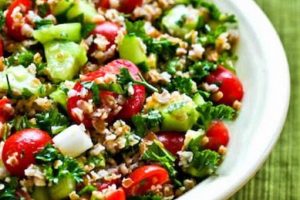
Guidance on preparing lentil-based salads encompasses diverse approaches, from basic vinaigrette-dressed combinations to more elaborate layered creations featuring roasted vegetables, cheeses, or herbs. Examples include classic French lentil salads with Dijon mustard and herbs, Mediterranean variations with feta and olives, and hearty salads incorporating roasted sweet potatoes or butternut squash.
Lentil salads offer nutritional density and culinary versatility. As a legume, lentils provide substantial protein and fiber, contributing to satiety and digestive health. Their adaptability allows for incorporation into various cuisines and dietary preferences, including vegan and vegetarian diets. Historically, lentils have been a dietary staple across cultures, appearing in dishes from ancient Egypt to modern-day India, highlighting their enduring appeal and nutritional significance.
The following sections will explore specific lentil varieties suitable for salads, provide detailed preparation instructions, and offer creative flavor combinations to inspire culinary exploration. Guidance on ingredient selection, cooking techniques, and presentation will also be covered to ensure optimal results.
Tips for Crafting Exceptional Lentil Salads
Optimizing lentil salad preparation involves attention to detail and an understanding of key techniques. The following tips provide guidance for achieving superior results.
Tip 1: Select the Right Lentil: Different lentil varieties offer varying textures and flavors. French green lentils hold their shape well, while red lentils tend to become softer when cooked. Consider the desired texture when choosing lentils.
Tip 2: Cook Lentils Properly: Avoid overcooking, as this can result in a mushy texture. Cook lentils until tender but still firm to the bite. Rinsing cooked lentils under cold water stops the cooking process and helps maintain their shape.
Tip 3: Balance Flavors: A well-balanced lentil salad incorporates acidity, sweetness, and savory elements. Vinegars, citrus juices, or dried fruits provide brightness, while roasted vegetables or toasted nuts contribute depth of flavor.
Tip 4: Enhance with Herbs and Spices: Fresh herbs such as parsley, mint, or cilantro add vibrancy and aromatic complexity. Spices like cumin, coriander, or turmeric introduce warmth and enhance the overall flavor profile.
Tip 5: Incorporate Textural Variety: Combining different textures elevates the sensory experience. Toasted nuts, crumbled cheese, or chopped vegetables offer contrasting textures to the lentils.
Tip 6: Dress Strategically: Adding the dressing shortly before serving prevents the salad from becoming soggy. Toss gently to ensure even coating.
Tip 7: Allow Flavors to Meld: Lentil salads often benefit from resting, allowing the flavors to meld and deepen. Refrigerate for at least 30 minutes before serving.
By following these tips, one can achieve flavorful and texturally satisfying lentil salads suitable for various occasions. From simple everyday meals to elegant gatherings, these guidelines offer a foundation for culinary success.
The insights provided in this article offer a comprehensive understanding of lentil salad preparation. By implementing these techniques and exploring diverse flavor combinations, culinary enthusiasts can create exceptional dishes.
1. Lentil Variety

Lentil variety plays a crucial role in determining the final character of a lentil salad. Different lentil types possess unique characteristics impacting texture, flavor, and overall culinary outcome. Consideration of lentil variety constitutes a fundamental step in recipe development. For example, brown or green lentils, known for their ability to retain shape after cooking, offer a firm bite, making them ideal for salads requiring structural integrity. Conversely, red or yellow lentils, which tend to soften upon cooking, contribute a creamier texture, suitable for salads incorporating blended or pureed elements. Choosing the appropriate lentil variety ensures a desirable textural profile and complements other ingredients effectively.
Puy lentils, a specific type of French green lentil, possess a distinctive peppery flavor and firm texture, lending themselves well to salads with bold vinaigrettes and robust ingredients like roasted vegetables or cured meats. Conversely, the delicate flavor of red lentils harmonizes with lighter, brighter ingredients such as fresh herbs, lemon juice, and crumbled feta cheese. Understanding these nuances allows for strategic ingredient pairings, enhancing the overall flavor profile and balance of the salad. Furthermore, lentil size and color can influence visual appeal. A mix of green and brown lentils creates a visually appealing salad, while the vibrant orange hue of cooked red lentils adds a pop of color.
Selecting the appropriate lentil variety necessitates considering the desired outcome, be it a hearty, textured salad or a lighter, more delicate composition. Ignoring the specific characteristics of different lentil types may result in a suboptimal final product, affecting both taste and texture. Therefore, understanding the role of lentil variety provides a foundation for crafting well-balanced and flavorful lentil salads. This knowledge empowers culinary exploration and ensures a satisfying culinary experience.
2. Complementary Ingredients

Complementary ingredients represent a critical aspect of lentil salad recipes. Strategic ingredient selection elevates lentil salads beyond basic sustenance, transforming them into flavorful, texturally complex dishes. The interplay between lentils and complementary ingredients determines the overall sensory experience and nutritional value.
- Vegetables:
Vegetables contribute essential nutrients, textural diversity, and visual appeal. Roasted root vegetables like sweet potatoes or carrots introduce sweetness and depth, while raw vegetables like bell peppers or cucumbers offer crispness and freshness. Leafy greens such as spinach or kale enhance nutritional value and provide a contrasting textural element.
- Fruits:
Fruits introduce sweetness and acidity, balancing the earthy notes of lentils. Dried fruits like cranberries or apricots provide chewiness and concentrated flavor, while fresh fruits like diced apples or grapes offer a juicy burst. Citrus segments contribute brightness and acidity, cutting through the richness of other ingredients.
- Proteins and Cheeses:
Incorporating protein sources beyond lentils enhances nutritional density and adds savory complexity. Grilled chicken or fish offer lean protein options, while crumbled feta cheese, goat cheese, or halloumi provide salty, tangy counterpoints to the lentils. Toasted nuts and seeds contribute healthy fats and textural variation.
- Herbs and Spices:
Herbs and spices significantly impact the aromatic profile and overall flavor experience. Fresh herbs such as parsley, mint, or cilantro add brightness and complexity, while dried spices like cumin, coriander, or turmeric introduce warmth and depth. The judicious use of herbs and spices elevates the sensory experience of the salad.
Careful consideration of complementary ingredients ensures a balanced and satisfying lentil salad. The interplay of textures, flavors, and colors creates a harmonious composition that elevates the dish beyond a simple combination of ingredients. The choice of complementary ingredients determines the overall culinary experience, offering diverse possibilities ranging from light and refreshing summer salads to hearty and warming autumnal creations.
3. Dressing Selection

Dressing selection significantly impacts the overall flavor profile and enjoyment of lentil salads. The dressing acts as a unifying element, binding the diverse ingredients and contributing essential flavor notes. A well-chosen dressing enhances the inherent qualities of the lentils and other components, while a poorly suited dressing can overwhelm or clash with the other flavors. The interplay between dressing and salad ingredients requires careful consideration to achieve a harmonious balance.
Several factors influence dressing selection for lentil salads. The type of lentil used plays a role; for instance, a robust red wine vinaigrette might complement the earthy flavors of Puy lentils, whereas a lighter lemon-herb dressing might better suit the delicate flavor of red lentils. The other salad components also influence dressing choice. A salad featuring roasted vegetables might benefit from a creamy tahini dressing, while a salad with fresh herbs and feta cheese might pair well with a bright, acidic vinaigrette. The overall flavor profile intendedwhether tangy, sweet, spicy, or savorydictates the appropriate dressing selection. A Dijon mustard vinaigrette adds a sharp, tangy dimension, while a maple-balsamic vinaigrette contributes a touch of sweetness. The occasion also plays a role; a simple lemon vinaigrette might suffice for an everyday lunch, while a more complex dressing might be appropriate for a special occasion.
Understanding the interplay between dressing and salad ingredients is crucial for creating a successful lentil salad. Consideration of lentil variety, complementary ingredients, and desired flavor profile informs dressing selection. Careful selection elevates the sensory experience, transforming individual components into a cohesive and flavorful whole. This awareness allows for strategic decision-making, ensuring the dressing enhances rather than detracts from the overall composition. Successful dressing selection contributes significantly to the enjoyment and satisfaction derived from a well-crafted lentil salad.
4. Flavor Balance
Flavor balance represents a critical aspect of successful lentil salad recipes. A harmonious interplay of tastessweet, sour, salty, bitter, and umamielevates lentil salads from simple fare to complex culinary creations. Achieving balance prevents any single flavor from dominating, ensuring a nuanced and satisfying sensory experience. Understanding the principles of flavor balance empowers informed ingredient selection and dressing development.
- Acidity:
Acidity provides brightness and cuts through the richness of lentils and other ingredients. Vinegars, lemon juice, or other citrus fruits introduce a refreshing tartness, balancing the earthy notes of lentils and preventing the salad from feeling heavy. The level of acidity should complement other flavors without overpowering them. For example, a bright lemon vinaigrette enhances a Mediterranean-style lentil salad, while a milder balsamic vinaigrette might suit a salad with roasted root vegetables.
- Sweetness:
Sweetness offers a counterpoint to acidity and other savory elements. In lentil salads, sweetness can derive from ingredients like roasted sweet potatoes, dried fruits, or a touch of maple syrup or honey in the dressing. The sweetness should be subtle, enhancing the overall complexity without making the salad taste overtly sweet. For instance, the sweetness of roasted butternut squash complements the earthiness of lentils and the tang of a vinaigrette.
- Saltiness:
Salt enhances other flavors and provides a savory foundation. Saltiness in lentil salads can come from ingredients like olives, feta cheese, or simply from salting the lentils during cooking and the dressing. Proper salting is essential for bringing out the flavors of other ingredients, but over-salting can easily ruin a salad. A balanced approach ensures that salt enhances, rather than overwhelms, the other flavors.
- Umami:
Umami, often described as a savory, meaty flavor, adds depth and complexity to lentil salads. Ingredients like sun-dried tomatoes, roasted mushrooms, or a splash of soy sauce can contribute umami notes. Balancing umami with other flavors creates a more nuanced and satisfying taste experience. For example, the umami of roasted shiitake mushrooms complements the earthiness of lentils and the brightness of a lemon vinaigrette.
By understanding and applying these principles of flavor balance, lentil salad recipes transform into well-rounded culinary experiences. Careful consideration of each flavor component ensures a harmonious interplay of tastes, elevating the dish beyond a simple combination of ingredients. This nuanced approach to flavor enhances enjoyment and contributes to a more satisfying and memorable culinary experience.
5. Texture Variations

Texture variations contribute significantly to the sensory appeal of lentil salads. A dynamic interplay of textures elevates these salads beyond basic sustenance, creating a more engaging and satisfying culinary experience. Strategic incorporation of contrasting textures adds complexity and interest, enhancing enjoyment and encouraging mindful consumption. Understanding the role of texture variations allows for the creation of more sophisticated and appealing lentil salad recipes.
- Crunchy Elements:
Crunchy elements provide a counterpoint to the soft texture of cooked lentils. These can include toasted nuts (such as walnuts, almonds, or pecans), seeds (like sunflower or pumpkin seeds), or raw vegetables (such as chopped celery, bell peppers, or cucumbers). The contrasting textures create a dynamic mouthfeel, enhancing the overall sensory experience. For example, the crunch of toasted walnuts complements the soft texture of cooked lentils and the chewiness of dried cranberries in a fall-inspired lentil salad.
- Soft Textures:
While lentils themselves provide a soft texture, incorporating other soft elements can add depth and variety. Roasted vegetables, such as sweet potatoes or butternut squash, offer a creamy softness that contrasts with crunchier elements. Likewise, crumbled cheeses like feta or goat cheese contribute a soft, creamy texture and a salty, tangy flavor dimension. The interplay of soft and crunchy textures creates a balanced and satisfying mouthfeel.
- Chewy Components:
Chewy components introduce another layer of textural complexity. Dried fruits, such as cranberries, apricots, or raisins, offer a pleasant chewiness that contrasts with both crunchy and soft elements. Similarly, chewy grains like quinoa or farro can be incorporated to add textural variation and nutritional value. The interplay of chewy textures with other elements contributes to a more dynamic and satisfying culinary experience.
- Creamy Additions:
Creamy additions further enhance the textural profile of lentil salads. These can include ingredients like avocado, which adds a smooth, creamy texture and healthy fats, or a dollop of plain yogurt or tahini dressing, which contributes a creamy richness and a tangy flavor dimension. These creamy elements complement the other textures, creating a more well-rounded and satisfying mouthfeel.
The strategic incorporation of these textural variations elevates lentil salads from simple to sophisticated. A well-balanced combination of textures creates a more engaging and enjoyable dining experience, enhancing the appeal of these nutritious and versatile dishes. By considering the interplay of textures, lentil salad recipes can be optimized for maximum sensory appeal and culinary satisfaction.
6. Preparation Methods
Preparation methods constitute a crucial element in lentil salad recipes, significantly influencing the final outcome. Proper techniques ensure optimal texture, flavor development, and overall quality. Understanding these methods allows for greater control over the final product, enabling culinary enthusiasts to achieve desired results consistently. This section explores key preparation methods relevant to lentil salad creation.
- Lentil Cooking:
Proper lentil cooking is paramount. Overcooked lentils result in a mushy texture, detracting from the salad’s appeal. Conversely, undercooked lentils offer an unpleasant firmness. Optimal cooking achieves a tender yet firm texture, enhancing the overall sensory experience. Different lentil varieties require varying cooking times; therefore, consulting specific instructions for the chosen lentil type is crucial. Rinsing lentils before cooking removes debris, while rinsing after cooking stops the cooking process and helps maintain their shape.
- Ingredient Preparation:
Ingredient preparation techniques significantly influence flavor and textural integration within the salad. Chopping vegetables uniformly ensures even cooking and distribution of flavor. Roasting vegetables before adding them to the salad intensifies their sweetness and adds depth of flavor. Properly preparing other components, such as toasting nuts or chopping herbs, enhances their individual contributions to the overall composition. For instance, roasting sweet potatoes and then combining them with cooked lentils and a balsamic vinaigrette creates a more complex flavor profile than simply adding raw sweet potatoes.
- Dressing Incorporation:
The method of dressing incorporation affects the salad’s overall texture and flavor distribution. Adding dressing too early can lead to a soggy salad, especially if leafy greens are included. Conversely, insufficient dressing results in uneven flavor and a dry mouthfeel. Ideally, dressing should be added shortly before serving, ensuring even coating and optimal flavor distribution. Gently tossing the salad with the dressing prevents damage to delicate ingredients and promotes even integration.
- Chilling and Resting:
Allowing the salad to chill and rest enhances flavor development and ingredient cohesion. Chilling firms the lentils and other components, while resting allows the flavors to meld and deepen. This step is particularly important for salads with complex flavor profiles, as it allows the individual ingredients to harmonize. Ideally, lentil salads should be refrigerated for at least 30 minutes before serving, allowing sufficient time for flavor integration and temperature equilibration.
Mastery of these preparation methods contributes significantly to the creation of exceptional lentil salads. Careful attention to detail, from lentil cooking to dressing incorporation, ensures optimal texture, flavor, and overall quality. By understanding these fundamental techniques, culinary enthusiasts can consistently produce delicious and satisfying lentil salads that showcase the versatility and nutritional value of this humble legume.
7. Serving Suggestions
Serving suggestions represent the final stage in the creation of lentil salads, bridging the gap between preparation and consumption. Thoughtful presentation and strategic pairings elevate the dining experience, transforming a simple lentil salad into a memorable culinary occasion. Serving suggestions provide a framework for showcasing the versatility of lentil salads and integrating them into various meal contexts.
- Meal Context:
Lentil salads possess remarkable adaptability, functioning effectively as standalone meals, side dishes, or components within larger meals. As a standalone meal, a hearty lentil salad provides a complete and balanced nutritional profile, offering protein, fiber, and complex carbohydrates. As a side dish, a lighter lentil salad complements grilled meats, fish, or roasted vegetables, adding a refreshing counterpoint to richer flavors. Lentil salads can also be incorporated into larger meals, such as buffets or potlucks, offering a versatile and nutritious option for diverse palates.
- Temperature Considerations:
Lentil salads can be served chilled, at room temperature, or even slightly warm, depending on the specific recipe and desired outcome. A chilled lentil salad provides a refreshing option during warmer months, while a room temperature or slightly warm salad offers a comforting alternative in cooler weather. The temperature of the salad influences the perception of flavors and textures, impacting the overall dining experience. For instance, a chilled lentil salad with fresh herbs and a lemon vinaigrette offers a refreshing contrast to a warm summer day, while a room temperature lentil salad with roasted vegetables provides a comforting meal during autumn.
- Accompaniments and Pairings:
Strategic pairings enhance the enjoyment of lentil salads. Crusty bread provides a vehicle for scooping up the salad and soaking up the dressing. Complementary side dishes, such as grilled vegetables or a simple green salad, further enhance the meal’s nutritional value and textural diversity. Beverage pairings also contribute to the overall experience. A crisp white wine complements a Mediterranean-style lentil salad, while a light-bodied red wine pairs well with a heartier lentil salad featuring roasted root vegetables.
- Presentation:
Visual appeal enhances the dining experience. A thoughtfully plated lentil salad, whether served individually or family-style, elevates the perceived value of the dish. Garnishes, such as fresh herbs, a sprinkle of toasted nuts, or a drizzle of extra dressing, enhance visual interest and add a final touch of flavor. Serving the salad in an attractive bowl or platter further contributes to the overall presentation, transforming a simple meal into a more elegant and appealing experience.
Consideration of these serving suggestions elevates lentil salad recipes from basic preparations to well-rounded culinary experiences. Understanding the nuances of meal context, temperature considerations, accompaniments, and presentation allows for a more nuanced and enjoyable dining experience, maximizing the potential of these versatile and nutritious salads. By attending to these details, lentil salads transition from simple meals to thoughtfully composed culinary creations.
Frequently Asked Questions
This section addresses common inquiries regarding lentil salad preparation, offering practical guidance and clarifying potential uncertainties. These responses aim to provide comprehensive information, enabling informed culinary decision-making.
Question 1: What is the best way to prevent lentil salads from becoming mushy?
Mushiness often results from overcooking. Adhering to recommended cooking times for specific lentil varieties is crucial. Rinsing cooked lentils under cold water immediately after cooking halts the cooking process and helps maintain firmness.
Question 2: Can lentil salads be prepared in advance?
Advance preparation is possible, and often beneficial for flavor development. However, adding dressing immediately before serving is recommended, particularly for salads containing delicate greens, to prevent sogginess. Storing the lentils and other components separately and combining them just before serving maintains optimal texture and freshness.
Question 3: How long can lentil salads be stored?
Properly stored lentil salads typically last three to five days in the refrigerator. Airtight containers prevent drying and maintain freshness. Discarding any salad exhibiting signs of spoilage is recommended.
Question 4: What are the best lentil varieties for salads?
French green lentils (Le Puy) or brown lentils hold their shape well, making them ideal for salads. Red or yellow lentils, while nutritious, tend to soften upon cooking and are better suited for soups or purees.
Question 5: How can nutritional value be maximized in lentil salads?
Incorporating a variety of colorful vegetables, such as bell peppers, carrots, and leafy greens, enhances nutritional content. Adding lean protein sources, like grilled chicken or fish, further boosts the protein profile. Nuts and seeds contribute healthy fats and additional nutrients.
Question 6: How can one adapt lentil salad recipes for different dietary needs?
Lentil salads are inherently adaptable. Vegan variations exclude animal products like cheese or meat. Gluten-free versions utilize gluten-free dressings and avoid gluten-containing grains. Adjustments to ingredients and dressings accommodate various dietary restrictions while maintaining flavor and appeal.
Careful consideration of these frequently asked questions facilitates successful lentil salad preparation, ensuring optimal results and addressing common concerns. This knowledge empowers culinary exploration and enhances the overall culinary experience.
For further culinary inspiration and detailed recipe examples, explore the resources available online and in cookbooks specializing in vegetarian or legume-based cuisine.
Conclusion
Exploration of lentil salad preparation reveals a multifaceted culinary endeavor. Factors influencing successful outcomes include lentil variety selection, complementary ingredient incorporation, dressing development, flavor balancing, textural variation, appropriate preparation methods, and thoughtful serving considerations. Each element contributes significantly to the final product, impacting nutritional value, sensory appeal, and overall enjoyment. Understanding these interconnected components empowers culinary exploration and facilitates consistent creation of high-quality lentil salads.
Lentil salads offer a versatile and nutritious culinary canvas. Their adaptability allows for creative expression and customization based on individual preferences and dietary needs. Continued exploration of flavor combinations, textures, and presentation styles expands culinary horizons, promoting both healthful eating and gastronomic satisfaction. The potential of lentil salads remains vast, inviting further experimentation and innovation within the culinary landscape.